
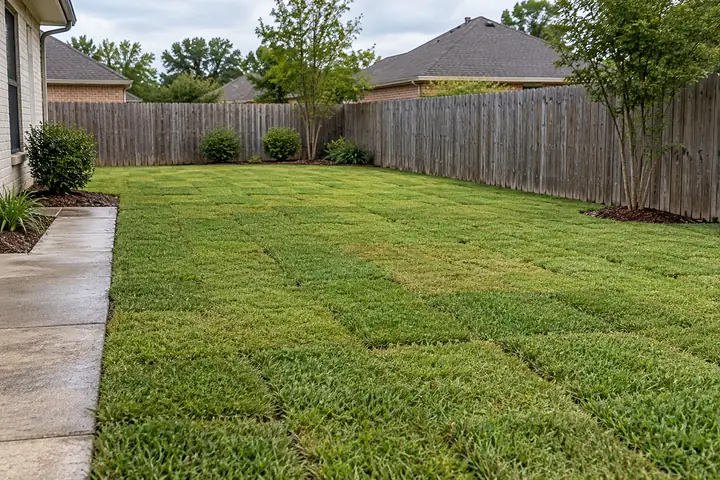
New sod is not an ordinary established lawn yet
A freshly laid yard can look finished from the street while still following an establishment plan. The first mowing conversation needs to recognize that difference. Tell Happy that the sod is new before requesting an ordinary recurring visit. Include the installation date if known and the part of the property that was replaced.
If only one section is new, show it separately from the established grass. A front lawn that has been in place for years and a recently replaced backyard may need different timing. The maintenance request should not treat every green area as equally ready simply because it appears in the same wide photograph.
Keep the installer’s instructions available
The people responsible for installation may have supplied care instructions specific to the turf and site. Keep those instructions connected with the mowing discussion. If they are unclear or conflict with something you have read elsewhere, ask the installer or an appropriate turf professional to clarify before making a change.
Happy Grass’s routine services do not include sod installation or a guarantee of establishment. This guide helps organize a mowing request; it does not replace the installer’s plan. Avoid turning an online calendar suggestion into permission to ignore property-specific instructions. A clear handoff is more useful than assuming every new lawn follows an identical countdown.
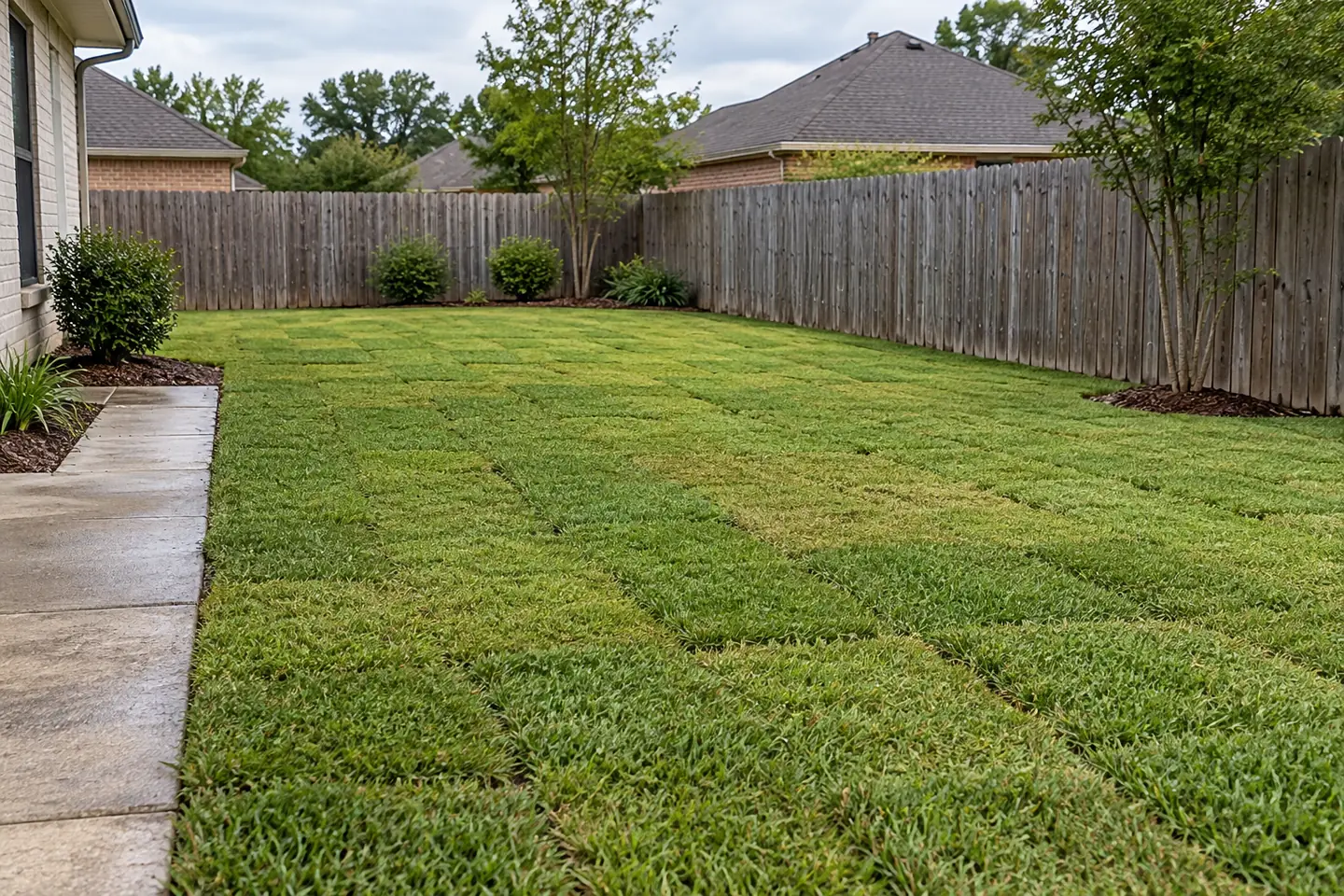
Identify the grass if you can verify it
The grass type affects appropriate maintenance, so provide the actual purchase or installation information when available. Do not guess from color alone. If the type is uncertain, say so and ask what information would help. The grass-type guides can provide background, but a photograph is not always enough to confirm an identification.
Also explain whether the entire new area uses the same turf. Mixed sections or repairs can complicate the picture. The useful starting record is the installation date, known grass type, existing instructions and present condition. Those details help frame the review without making a maintenance provider responsible for information that has not been established.
A date alone does not prove readiness
LSU AgCenter describes sod establishment as affected by site and environmental conditions and emphasizes appropriate mowing height. Its guidance should not be compressed into a universal first-cut date for every property. Actual rooting, growth, ground firmness and the installer’s requirements need consideration. This guide does not prescribe a fixed day on which all new sod must be mowed.
For the customer, the practical step is to ask the responsible installer or turf professional how readiness should be confirmed for this lawn. Then share that information when requesting service. Do not tug at unstable sod or repeatedly walk across sensitive ground just to produce proof for a quote.
Photograph the new section safely
Take a wide view from an accessible hard surface showing the installed area and its boundaries. Include visible seams, transitions to older grass and the route into the yard. A second closer image may show the current growth without requiring you to step into a soft or restricted area.
- Label the installation date if known.
- Identify the new area separately from established turf.
- Show access and any temporary watering equipment.
- Mention wet or unsettled sections you have observed.
- Include the relevant care instructions in the private service discussion.
Photos provide context. They do not establish every root or soil condition and should not be presented as a complete readiness assessment.
Explain the watering arrangement
New sod may have a specific watering plan from the installer. Share that context rather than changing it solely to fit a mowing visit. Recent irrigation can also affect whether the ground is firm enough for maintenance access. A watering schedule and a suitable mowing window need to be considered together.
If a head is broken or a patch stays unusually wet, arrange the appropriate irrigation attention and identify the area to avoid. Routine mowing is not an irrigation repair or establishment diagnosis. Keeping the responsibilities clear allows the lawn-care discussion to focus on when and where cutting can reasonably be considered under the actual plan.
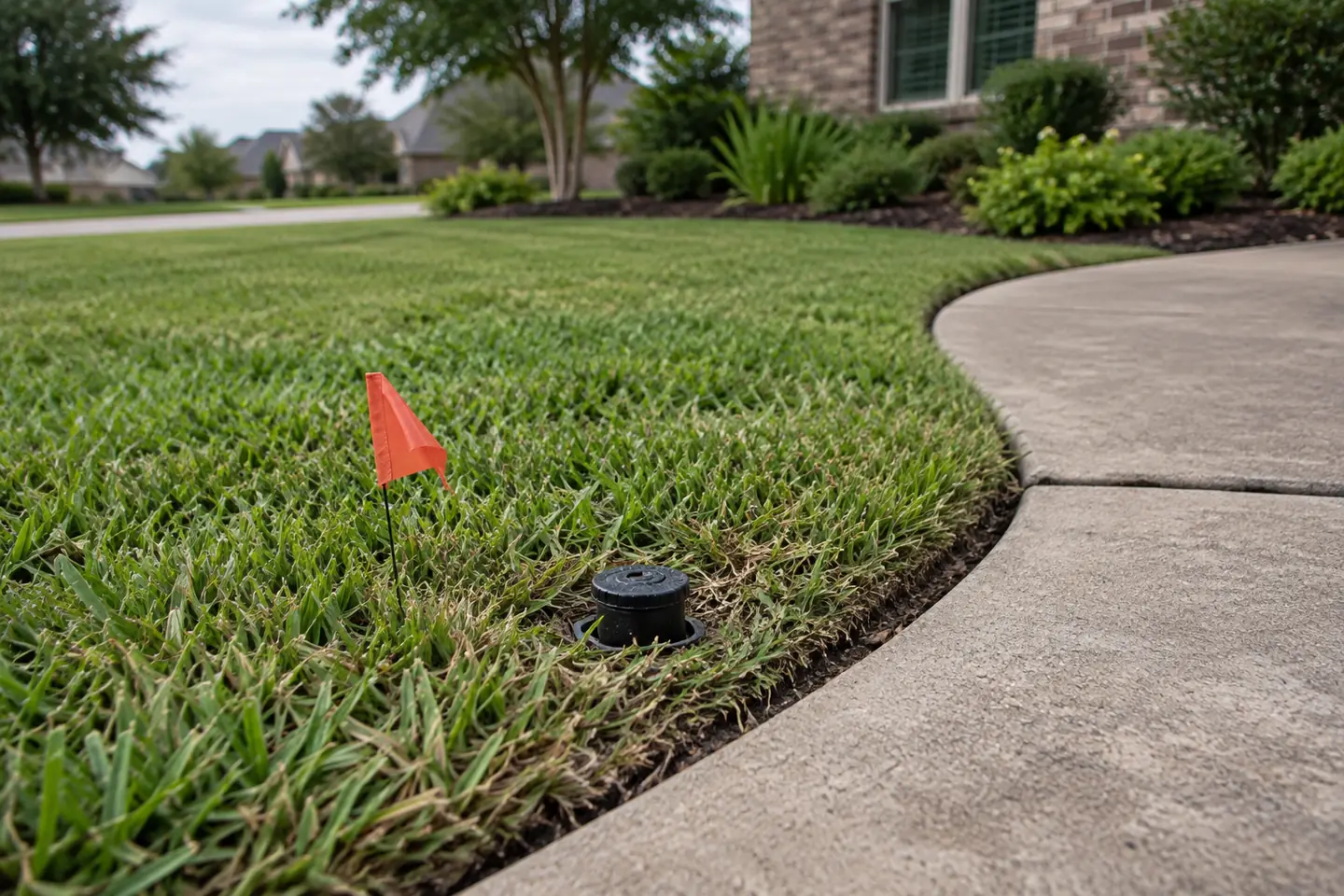
Do not use a very short cut to catch up
When a new lawn starts looking tall, it can be tempting to ask for a dramatically shorter first cut. The proper height should fit the verified grass and site rather than a wish to erase all the growth at once. Discuss the current condition and the responsible care guidance before agreeing on the starting work.
A first mowing result may differ from the appearance you eventually want from an established routine. That does not mean the solution is automatically a lower setting. Use a reference for the desired long-term finish while keeping the immediate decision tied to the new lawn’s actual readiness. A good plan connects those two stages without pretending they are identical.
Plan the route around vulnerable sections
Even if established grass is ready, reaching it may require crossing the new sod. Show the whole route from the gate. A small replacement patch in the side passage can control access to a much larger area. Mention temporary barriers, hoses and any instruction limiting traffic across the lawn.
Do not remove protective arrangements without discussing them with the responsible person. A limited visit or a delay may be more appropriate when there is no suitable route. Confirm the actual scope and timing. The existence of an accessible gate does not itself prove that the ground immediately beyond it is ready for equipment.
Keep installation concerns separate from the cut
Gaps, uneven ground, failing sections or displaced pieces may require the installer’s review. Describe what you observe and direct those concerns to the appropriate provider. A mowing quote should not quietly assume responsibility for correcting installation, adding soil or replacing turf. Those are different services and decisions.
You can still ask about maintaining established areas while a new section is reviewed. Define the boundary clearly and explain any restrictions. If the installer repairs or replaces a patch, update Happy with the actual condition afterward. A completed repair can change timing again, so older instructions should not simply be carried forward without checking.
Agree on the first visit and future routine
Once readiness has been addressed through the appropriate care plan, discuss the actual mowing scope, finishing tasks and access. Ask whether the first visit differs from later recurring maintenance. Do not assume a weekly or every-other-week form selection automatically confirms the first date or proves a fixed interval is right for every stage.
Growth can change as the lawn establishes and conditions vary. A useful routine should reflect observations and the property’s needs. Happy Grass offers mowing, edging, weed-eating and blowing within an agreed scope. Fertilization, aeration, overseeding and pest control are not offered services, and sod care should not be expanded into those tasks by assumption.
Keep a simple record of the transition
Save the installation date, known turf type, installer instructions and any confirmed first-mow guidance. Label current photos and note which areas were replaced. This record makes the maintenance handoff easier if several people are involved or only part of the yard is new. You do not need a technical binder, just accurate references.
If the ground, watering or access changes, communicate it before the visit. Afterward, describe any concern by location and current photo. Ask how the area relates to the agreed scope and whether another provider needs to review it. Clear records help keep the grass-maintenance discussion connected to the original care plan.
Ask Happy about the next mowing step
A new lawn deserves a sensible start. Send the address, city, installation date if known, verified grass type and safe current photos. Explain the care instructions and the areas you want considered. Happy can review the requested maintenance once the relevant readiness and access questions have been addressed.
Call 504-339-3571 or use the quote form for a Harvey or Westbank property. Happy Grass serves Marrero, Gretna, Algiers, Belle Chasse and Westwego too. Fresh grass can make the whole yard feel happier, and a clear handoff helps the first mowing conversation fit the lawn rather than a guessed date.
Name the unfinished part of the handoff
A useful first-mow request can say that one decision is still pending. Perhaps you have the installer’s written instructions but have not confirmed which areas are released for normal access. Record that limit directly rather than selecting a date and assuming it settles readiness. Show the installed section and the route that would lead to it from a safe established surface.
Keep any later installer update with the original area description so the release applies to the intended patch. If only part of the installation has been reviewed, do not extend that answer to the rest by guesswork. Happy can then discuss the lawn work against a clear handoff, while installation condition and any related warranty questions remain with the appropriate source. A complete record can include an honest unresolved question.