
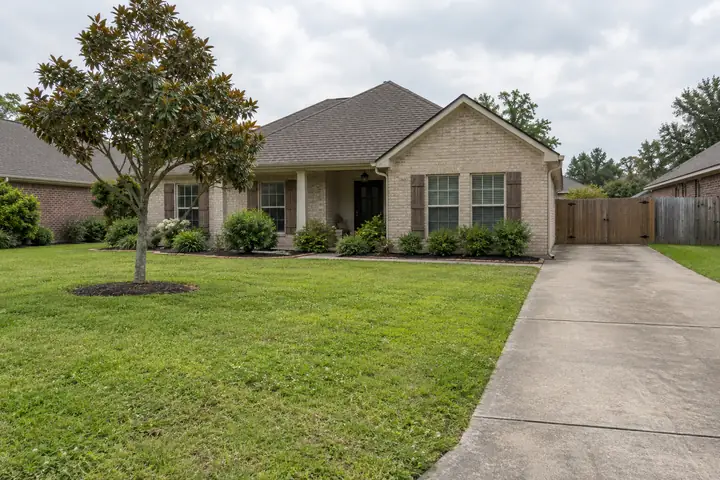
A happy lawn starts with knowing which grass is yours
Your front lawn may be easy to describe. The rest of the property can take a little explaining. There is the strip beside the driveway, the space behind the gate, a patch around the shed and perhaps a narrow section along the other fence. When you ask for lawn care in Harvey, those small pieces belong in the conversation right alongside the open grass.
Happy Grass Lawn Care serves Harvey with grass cutting and the finishing work that helps a visit feel complete. Tell Happy whether you want the front, back or both included. There is no need to measure every blade before getting in touch. A property address, current photographs and a plain description of the areas you use are a useful starting point.
This page is about planning a complete residential lawn visit in Harvey. If your main question is how a particular task works, our mowing, edging and weed-eating pages go into those details. Here, we will walk through the property from the front walk to the back fence so fewer little things get left to guesswork.
Walk the property once before asking for a quote
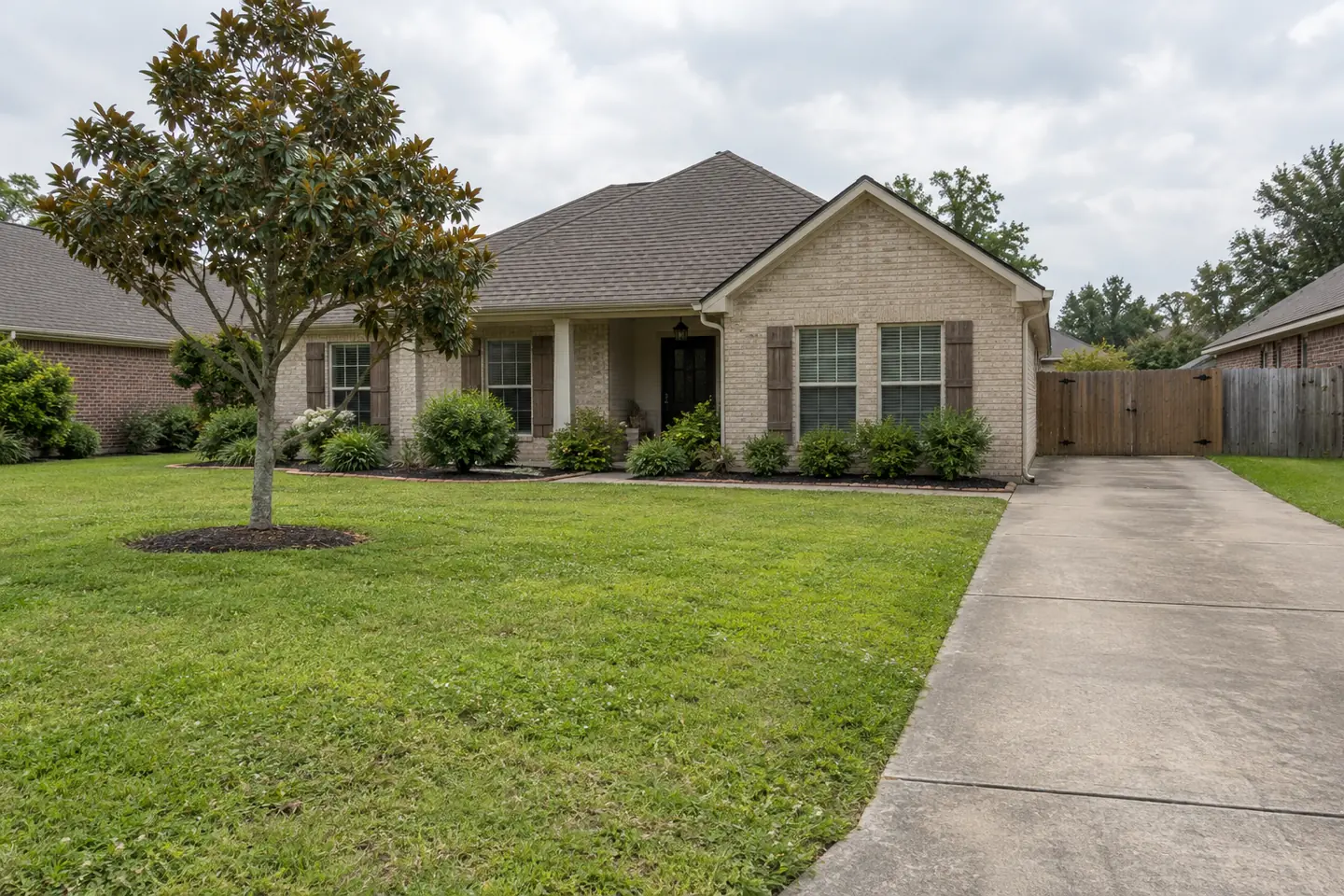
Start at the front boundary and look toward the house. Which grass areas do you expect to see looking tidy after the visit? Follow the driveway or side path toward the backyard. Notice where the space narrows, where a gate changes the route and where a planted bed divides one mowing area from another.
Take one wide photo from the front and one from the back. Then add a closer picture of any awkward spot. A close-up of tall grass tells us about growth, but a wider view shows how equipment would reach it. Both views are helpful when the lawn is made up of separate sections rather than one open rectangle.
- Include the side strips you want serviced, even if they look small.
- Point out areas behind garages, sheds or fences that are easy to miss.
- Identify neighboring grass or shared boundaries that are outside your request.
- Mention a corner, planted area or new patch you want left alone.
You do not have to make the property look ready for a photograph. Send it as it is. We would rather understand the yard now than discover an extra section after a quote has already been discussed.
Put the finishing work into the same conversation
Mowing handles the open lawn. Edging creates the line beside suitable hard surfaces. Weed-eating reaches suitable growth around obstacles and tight spots. Blowing addresses the mowing debris on agreed paved areas. These are related tasks, but they are not interchangeable words for the same job.
If the front driveway edge is what bothers you most, say that. If grass around the fence makes the backyard feel unfinished, include it in the pictures. If the walkway is where your family comes and goes, explain the finish you have in mind there. Your priorities help define what a complete visit means for this property.
Clipping collection and extra debris deserve a separate mention. Do not assume that a mowing request includes bagging everything or removing a pile left from another project. A few clear details at the beginning make it easier to compare the actual work, rather than two prices that cover different things.
Give the backyard an honest access check
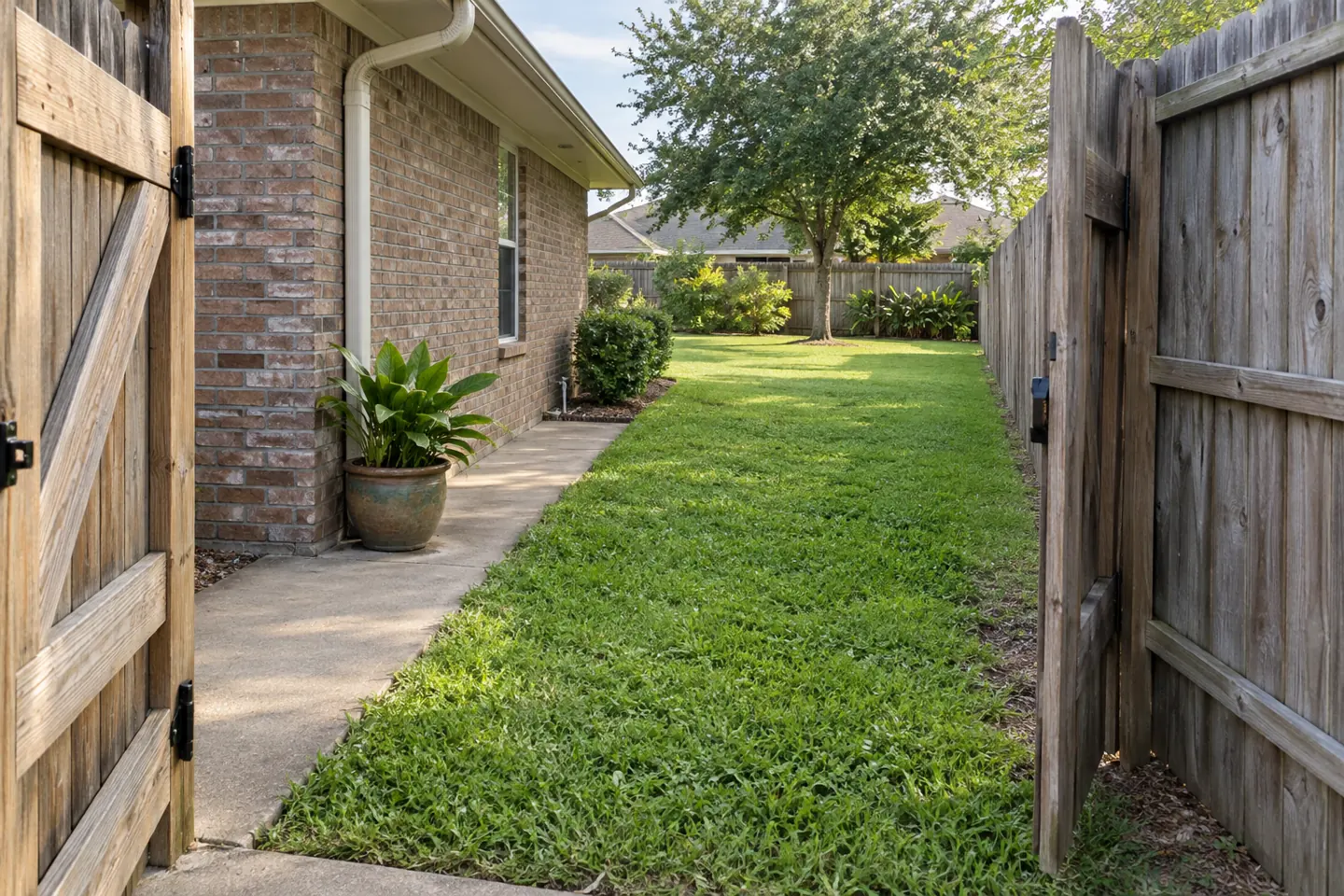
An open front lawn does not tell the whole story when the backyard entrance is tight. Photograph the gate open, including the approach on each side. Describe steps, a narrow turn, a low branch or anything else that affects the way into the grass. If you know the clear opening width, include it without counting the fence posts as usable space.
A locked gate needs an access arrangement. A gate that drags over the ground needs a mention too. Please do not send a permanent gate code in a public website comment or a photo that will be shared widely. Talk through a suitable access method directly with Happy when the visit details are being confirmed.
Pets, children’s toys, hoses and movable furniture also affect preparation. Make a plan to secure pets and move belongings before service. If a large object cannot be moved, explain that early. It is better to agree on an exclusion around an obstacle than to leave everyone with a different expectation about the same corner.
Choose a routine by how your lawn behaves
Happy Grass offers weekly and every-other-week options to discuss. Choosing between them starts with the condition of the yard between cuts. Look at the grass halfway through your usual interval and again before the next visit. Does it still look comfortable to live with, or has it already become another thing on your mind?
There is no reason to keep a schedule merely because you have always called it your schedule. Tell Happy what you are noticing. A lawn that is getting ahead of you may need a different conversation from one that is growing slowly. Current photos are more useful than guessing from a picture taken several months ago.
If you have missed maintenance, say roughly when the grass was last cut. A first visit to tall growth can involve a different amount of work from a routine visit to an already maintained lawn. Let’s separate that first step from the ongoing plan, so the price and expectations have a chance to make sense together.
Rain can change the route through your own yard
The front may look ready while the area behind the house is still soft. Tell Happy where water remains, where shoes sink and which path stays wet after the rest of the property improves. Those observations are more useful than a general message that the weather has cleared.
Avoid promising that an entire yard is dry based only on the driveway. If the ground or access route is unsuitable, timing and scope may need another conversation. A tidy lawn should not come at the expense of avoidable ruts or a difficult entrance. Any revised service timing still needs to be confirmed directly.
Mowing also does not repair the cause of a persistent wet area. If you are worried about drainage or another lawn problem, describe what you see separately from the grass-cutting request. Happy Grass focuses on lawn maintenance; fertilization, aeration, overseeding and pest control are not services offered here.
What to send Happy for your Harvey lawn
Start with the property address in Harvey and your preferred way to hear back. Add the front and backyard photos, the gate view and a short list of the areas you want included. Explain whether you are interested in a regular routine, a first visit after missed cuts or help deciding what makes sense.
An everyday description works perfectly well: “The front is manageable, the back is tall, and I want the sidewalk edges tidied too.” That says more about the job than calling it a standard yard. Include any upcoming gathering or travel dates as a planning detail, while allowing time to discuss availability.
Sending a request starts a conversation. It does not reserve a service date or settle the price by itself. Happy will need to review the property details and confirm the work, quote and available timing with you. If something changes after you send the photos, follow up before the visit rather than assuming the earlier description still covers it.
Let’s get the grass off your to-do list
You do not need a perfect yard or the perfect words to get started. You need a clear picture of the property and a little room to talk through the details. The goal is a lawn visit you understand, with the front, back and finishing work discussed before anyone is expecting something different.
Call or text 504-339-3571 and ask for Happy, or use the lawn quote form. Bring the grass questions, the gate picture and the part of the yard that has been bothering you. We will bring a friendly conversation about mowing and the little details. No grass-shaming. Let’s kick some grass, Harvey.
Describe separate areas without repeating the whole request
For a Harvey property with grass in front and behind a building, begin with one overall request and give each area its own short label. The front may be fully visible from the normal approach while the backyard requires a gate arrangement. Those differences belong beneath the same property description. Repeating the address and starting a separate request for every photograph can make it harder to see that the areas are connected.
Consider a front lawn, a side passage and a rear grass section as three parts of one example. State which parts need maintenance and which part provides access only. A passage used to reach the backyard is not automatically an additional cutting area. Conversely, a narrow grass strip should not disappear from the scope simply because it is also the route through the property.
After the areas are named, review the route in order. Explain where someone enters, which section comes next and where the requested work stops. This property-specific description is more useful than assumptions based on a city name. It also lets you update one changed area later without rewriting a clear request for the rest of the lawn.