Less guessing.
More useful lawn answers.
These guides focus on decisions a homeowner can actually use: what belongs in a quote, how a maintenance interval fits growth, and why access or moisture can change a visit. Advice is educational.
Happy still needs to review your actual yard before confirming a service.
Make your next lawn visit a little easier
Pick the question that fits your yard: useful photos, mowing-day prep, backyard access, pets, a catch-up cut or clipping cleanup.
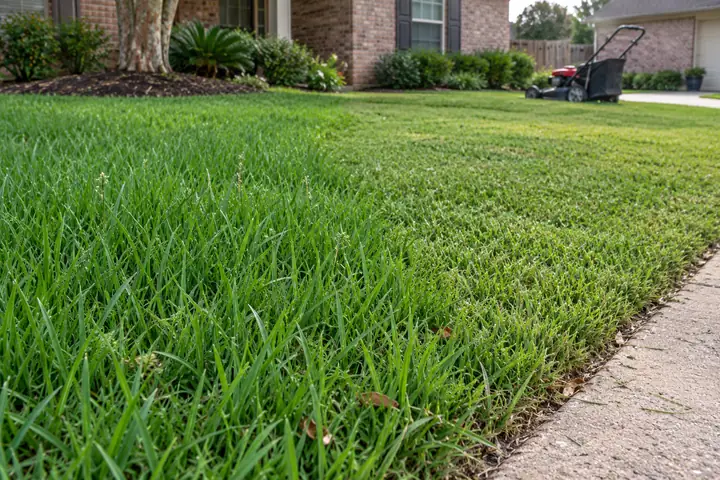
Weekly vs. biweekly lawn mowing
Choose a mowing interval by growth, clipping load, appearance and the work included — not by the calendar alone.
Take a closer look ↗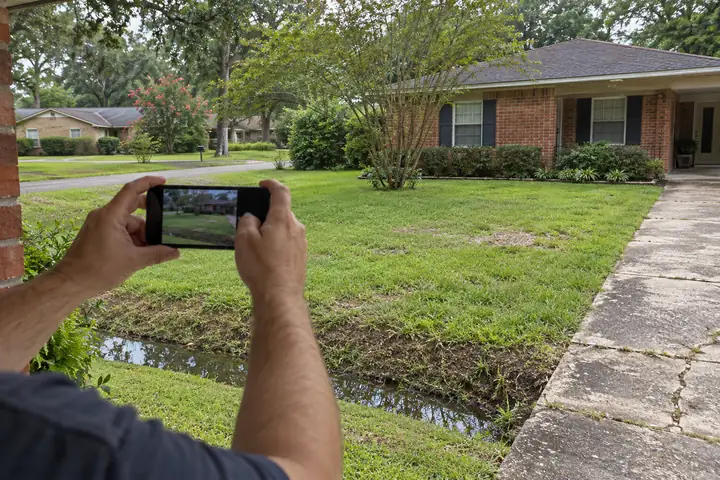
Yard photos that help Happy quote your lawn
A few useful pictures beat a whole camera roll. Show Happy the grass, the edges and the way into the backyard, and let’s get your lawn request off to a happy start.
Take a closer look ↗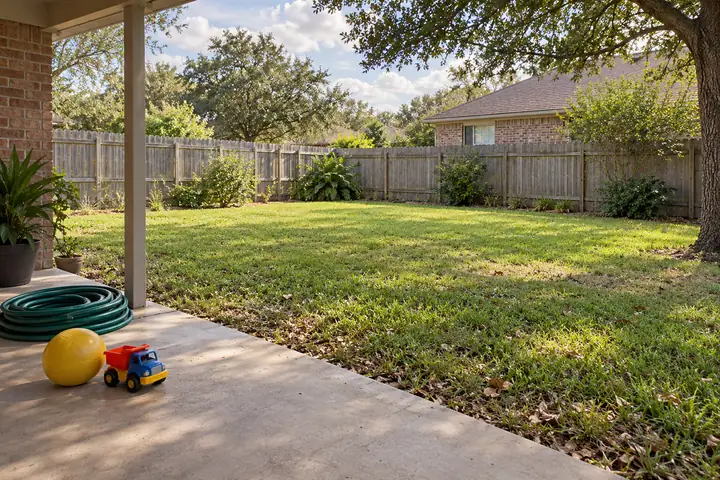
Get your yard ready for mowing day
A little prep makes a happier lawn visit. Clear the small stuff, settle the access plan and point out what matters before the mower gets to work.
Take a closer look ↗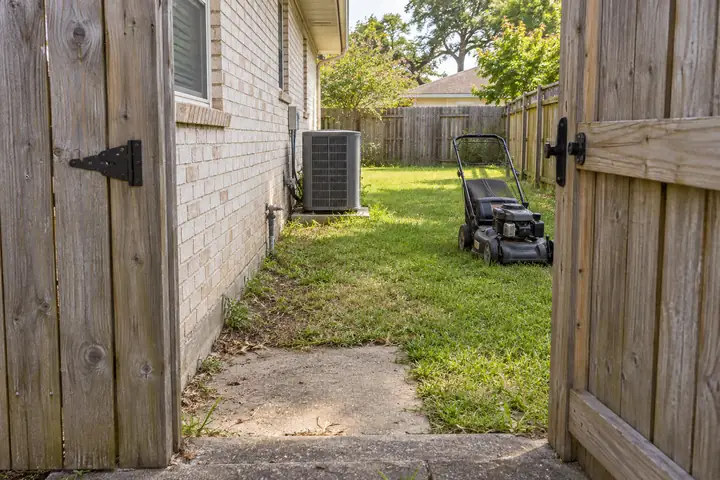
Will the mower fit? Plan your backyard access
That little gate can make a big difference. Show Happy the opening, the turns and the path to the grass so the backyard plan starts on the right foot.
Take a closer look ↗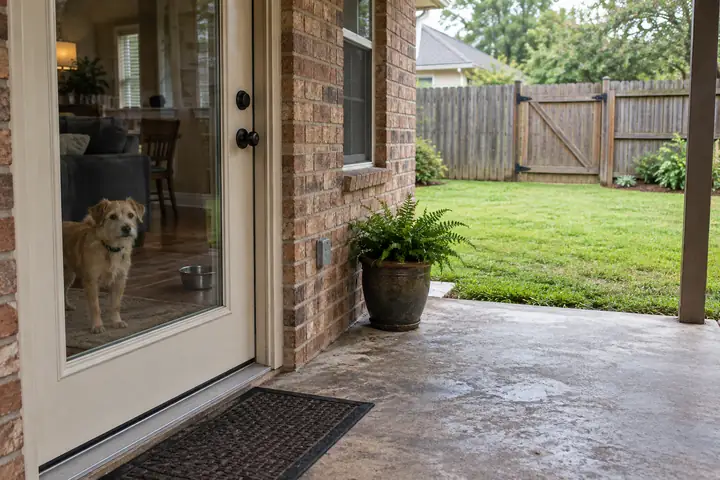
Pets and lawn visits: make a happy plan
Your dog loves the backyard. Lawn equipment needs room to work. A clear pet and gate plan helps everyone share the space at the right time.
Take a closer look ↗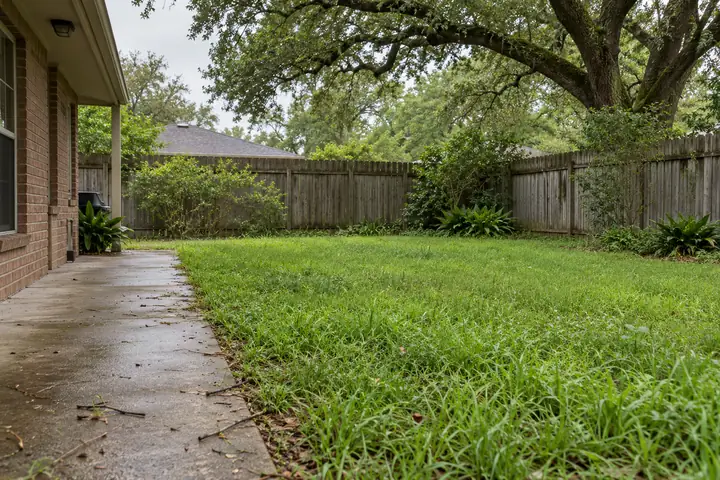
First cut after a mowing gap: start with a look
Grass got ahead of you? It happens. Show Happy what is there now, then make a sensible plan for the first visit and the cuts that follow.
Take a closer look ↗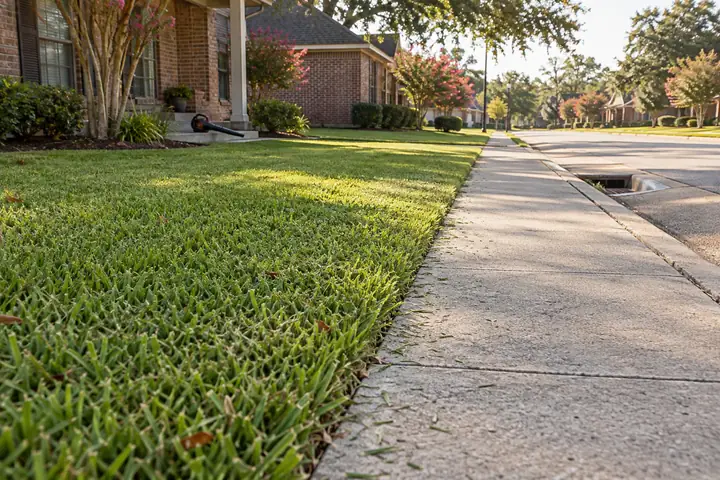
Grass clippings and a clean finish: what to expect
Freshly cut grass feels better when the walk looks cared for too. Understand the clipping conversation, agree on the finish and keep the lawn request clear.
Take a closer look ↗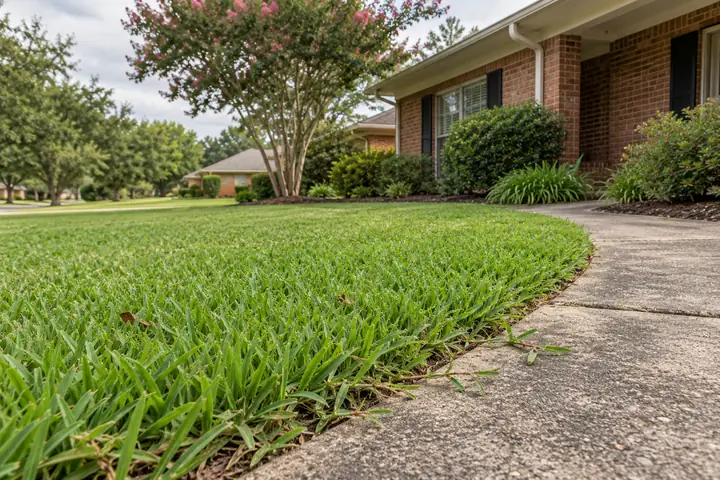
St. Augustine lawn mowing: keep the blades happy
Big grass blades do not need a big mystery. Get to know the mowing questions that matter for a St. Augustine lawn, then let Happy review your actual yard.
Take a closer look ↗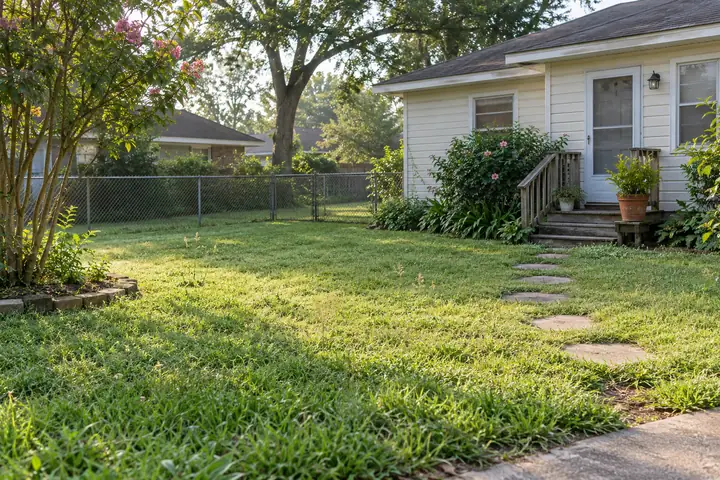
Centipedegrass mowing: a simple routine with care
Low-maintenance grass still deserves a thoughtful mowing plan. Here is how to describe a centipedegrass lawn, review the finish and keep the routine understandable.
Take a closer look ↗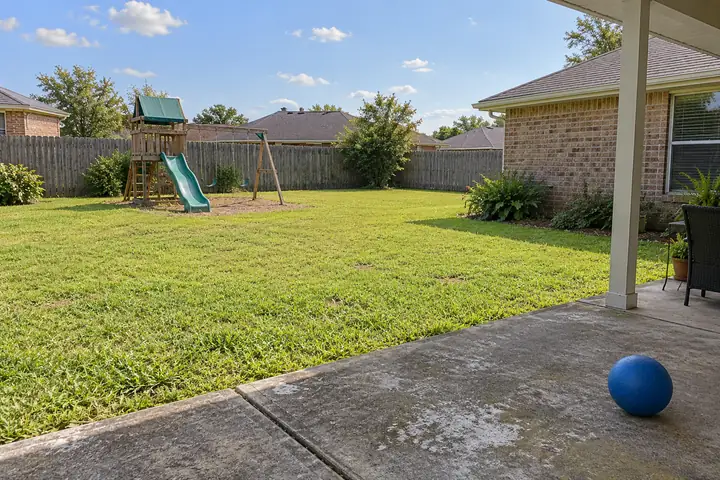
Bermudagrass mowing: stay ahead of the growth
A sunny lawn can have plenty of get-up-and-grow. Review the grass, boundaries and actual interval so your bermudagrass routine feels manageable from one cut to the next.
Take a closer look ↗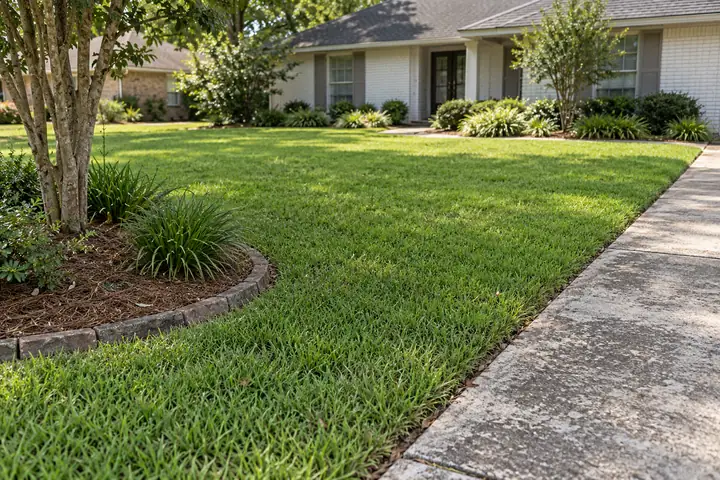
Zoysiagrass mowing: know the lawn beneath the label
Dense grass can look simple from the driveway. A good zoysia mowing plan looks closer at the variety, the surface and the finish you want between visits.
Take a closer look ↗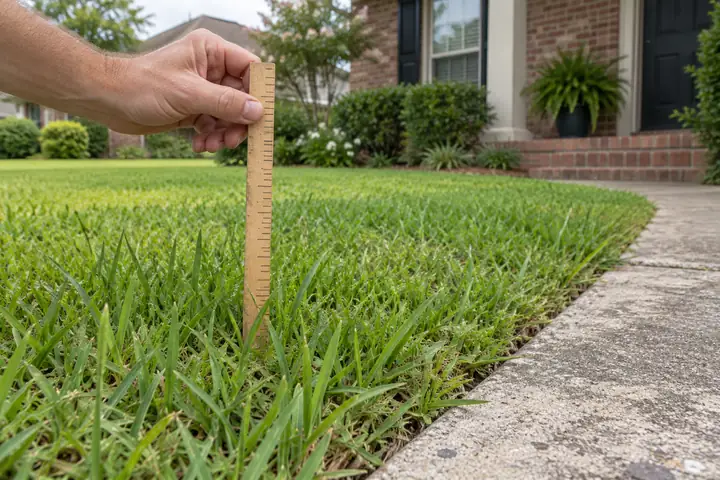
How to measure lawn height before the next cut
“Pretty tall” starts a conversation. A simple grass-height check can make it clearer—without turning your yard into a science project.
Take a closer look ↗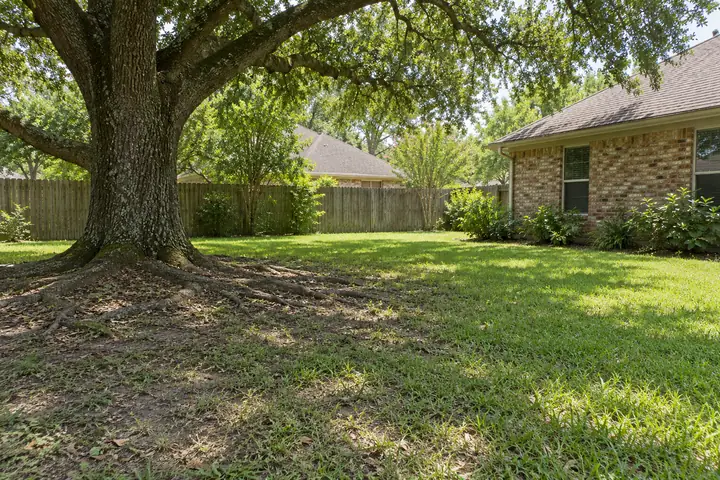
Shaded lawn mowing: work with the yard you have
A cool patch under a tree can be a favorite part of the yard. Give the grass, roots and boundaries their own plan so mowing does not turn into guesswork.
Take a closer look ↗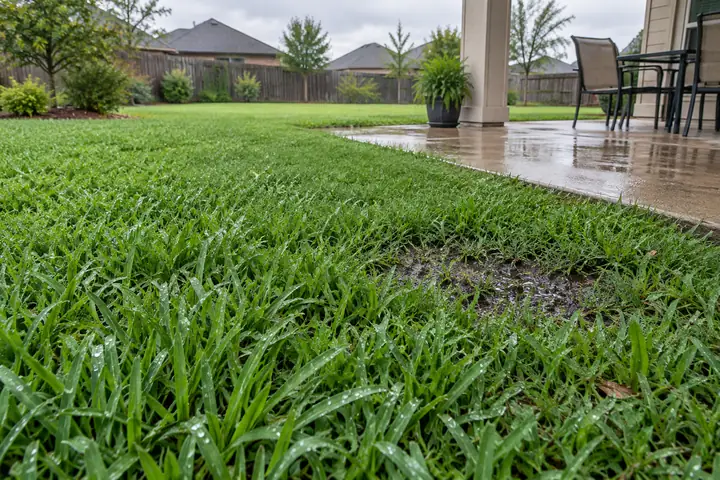
Mowing Wet Grass: Give Your Lawn a Little Breathing Room
Rain happens on the Westbank. A clear look at the blades, the ground and the access route helps Happy plan the next sensible cut.
Take a closer look ↗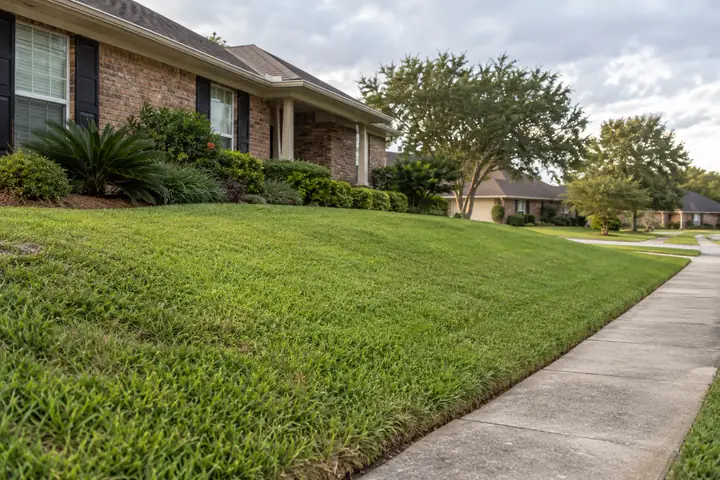
Sloped Lawn Mowing: A Tidy Yard Starts with a Safe Plan
A rise beside the driveway or a bank behind the house deserves its own mowing discussion. Show Happy the grade, the access and what sits below it.
Take a closer look ↗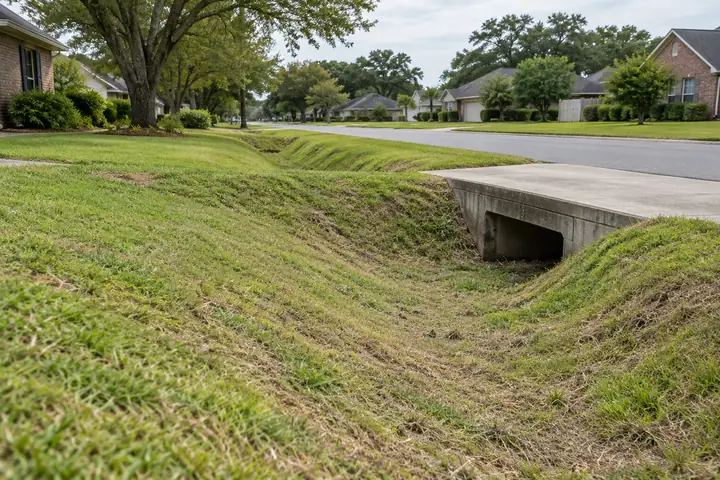
Roadside Ditch Grass: Define the Edge Before the Cut
The roadside strip can make a tidy yard feel unfinished. Give Happy the full picture of the bank, the culvert and the boundaries before planning maintenance.
Take a closer look ↗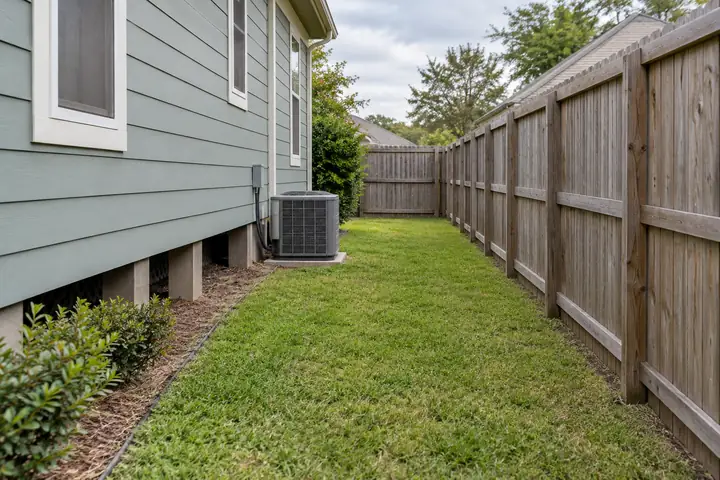
Narrow Side Yard Mowing: Small Space, Clear Plan
That skinny strip beside the house matters too. Show Happy the passage, fixtures and gate so the little space gets a sensible maintenance plan.
Take a closer look ↗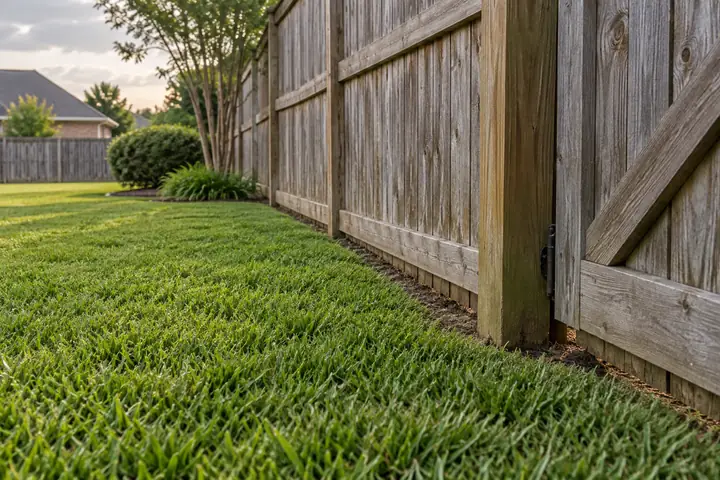
Fence-Line Trimming: Neat Grass, Sensible Clearance
A tidy fence line finishes the yard, but wood, wire, gates and hidden fixtures deserve a little attention before the trimming starts.
Take a closer look ↗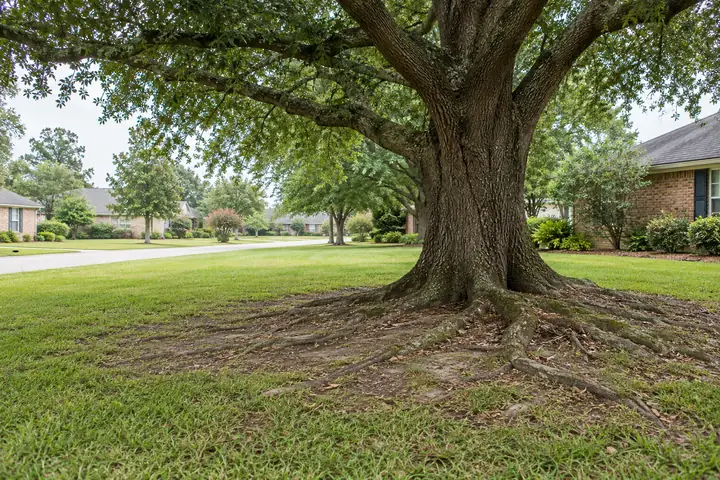
Mowing Around Tree Roots: Give the Tree and Grass Some Room
Exposed roots change the lawn beneath a tree. Start with a clear view of the ground and a maintenance boundary that does not ask equipment to ignore it.
Take a closer look ↗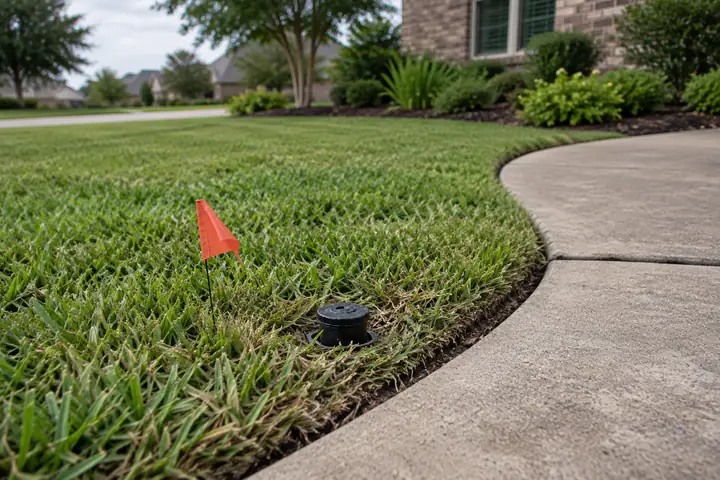
Mowing Around Sprinklers: Make the Hidden Details Visible
Low heads, valve covers and damp spots belong in the lawn-care conversation. A few clear references can make the first visit easier to plan.
Take a closer look ↗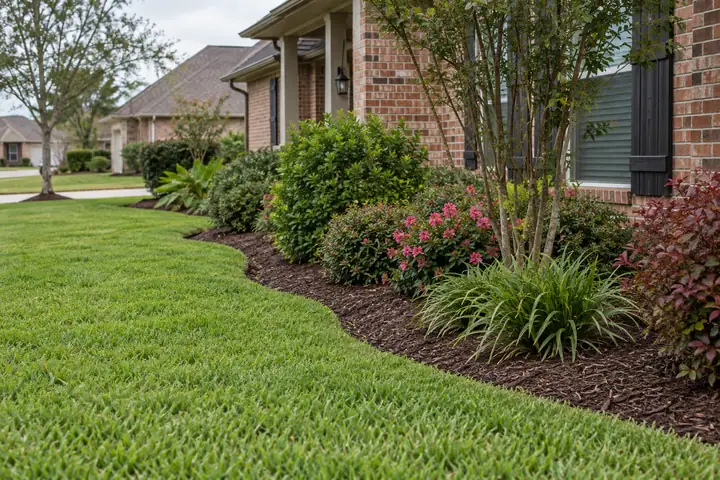
Lawn and Garden Bed Edges: Get the Boundary Looking Happy
The line between grass and planting can make the whole yard feel tidier. First, define what stays, what gets trimmed and what kind of edge you actually mean.
Take a closer look ↗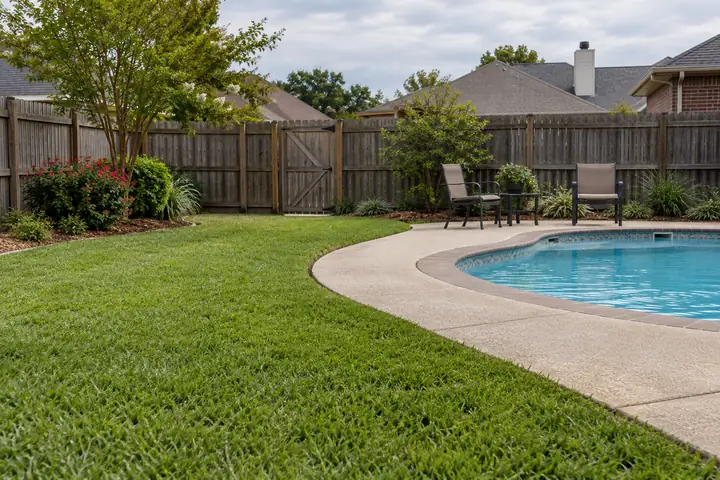
Poolside Lawn Care: Keep the Grass Plan Clear
Grass beside a pool needs more than a tidy cut. Gates, deck space, fixtures and the way the backyard is used all belong in the first conversation.
Take a closer look ↗
Lawn Care for an Unoccupied Property: Keep the Yard Accounted For
An empty house still has growing grass. Clear authority, current photos and a practical scope can make the maintenance conversation much easier from a distance.
Take a closer look ↗
Rental Property Lawn Care: One Yard, One Clear Agreement
Owners, occupants and managers can all see the same grass differently. A shared maintenance scope helps keep the yard from becoming another source of confusion.
Take a closer look ↗
Small Business Lawn Maintenance: Make the Frontage Fit the Workday
A neat strip of grass can help a small office or shop feel cared for. Define the frontage, access and customer activity before planning the maintenance.
Take a closer look ↗
Lawn Care Quote Checklist: Tell Happy What You Want Back
More weekend, less grass worry. A useful quote starts with the yard you have, the finish you want and a few details that make the plan clear.
Take a closer look ↗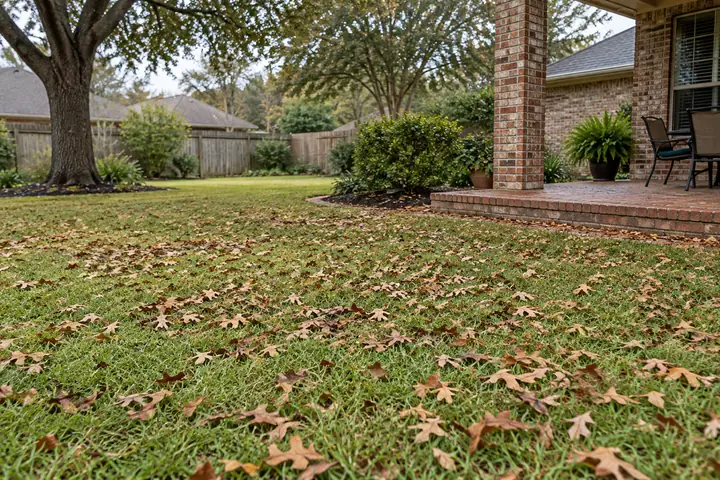
Leaf-Covered Grass: Decide What the Lawn Needs Before the Cut
A few scattered leaves and a hidden lawn are different starting points. Show Happy the coverage, the grass underneath and the cleanup you actually want.
Take a closer look ↗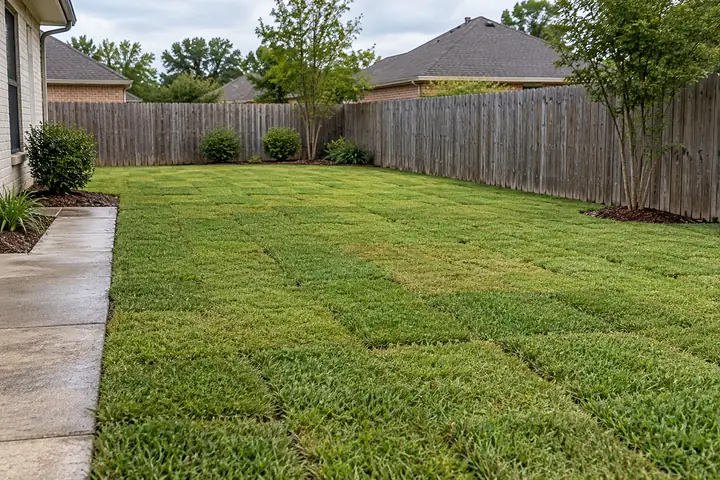
New Sod and the First Mow: Keep the Care Plan Connected
Fresh grass is a good reason to smile. Before the first cut, connect the installer’s instructions, the grass type and the actual condition of the new lawn.
Take a closer look ↗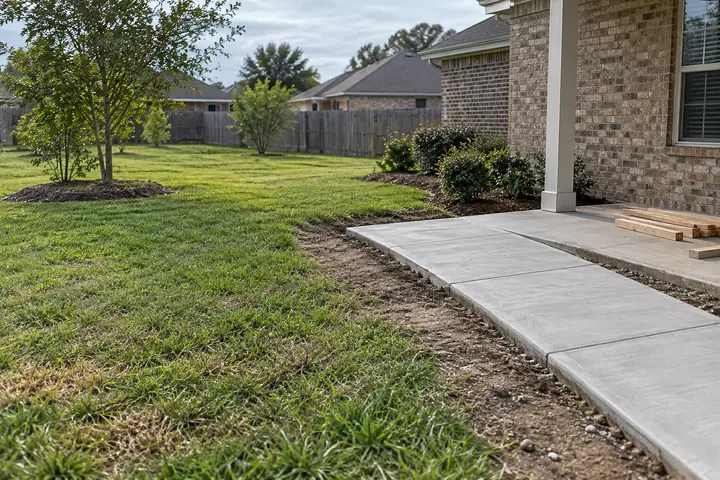
Lawn Care After a Yard Project: Clear the Handoff Before the Cut
A new walkway or repaired fence can leave the surrounding grass in a different condition. Show Happy what changed before restarting the usual routine.
Take a closer look ↗
Changing lawn service? Start the next chapter on the right foot.
Keep the useful yard knowledge, clear up the loose ends and tell Happy what you want from the next lawn visit. A friendly handoff makes a fresh start easier.
Take a closer look ↗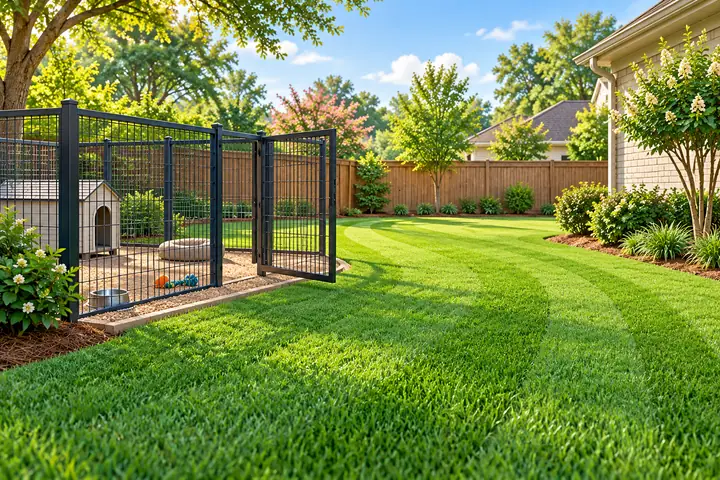
Dog Runs, Kennels and Lawn Access
A fenced dog run can share a yard with a healthy, serviceable lawn when the gate, loose items, waste check and reachable grass are clearly planned before mowing begins.
Take a closer look ↗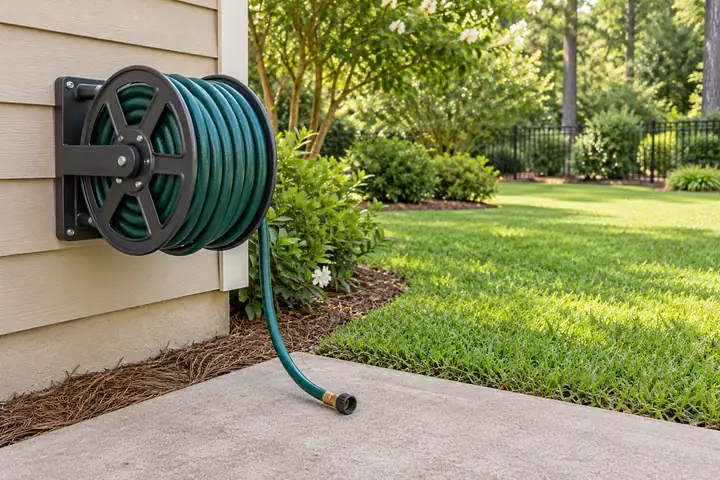
Garden Hoses and Mowing Day
A hose that is easy to step over can still interrupt a lawn visit. Plan its storage, fittings and watering schedule before the mower arrives.
Take a closer look ↗
Lawn care around outdoor AC equipment: keep the work in its lane
A tidy side yard should still leave the cooling equipment easy to reach. Separate the grass request from equipment care and give Happy a clear view of the space.
Take a closer look ↗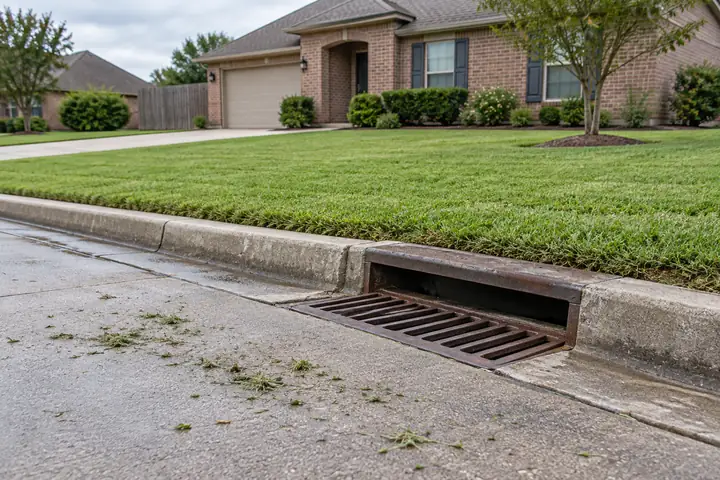
Lawn care near a storm drain: a tidy finish with the water route in mind
The edge of the lawn does not stop being important where the gutter begins. Identify the grass, hard surfaces and visible inlet before discussing the finish with Happy.
Take a closer look ↗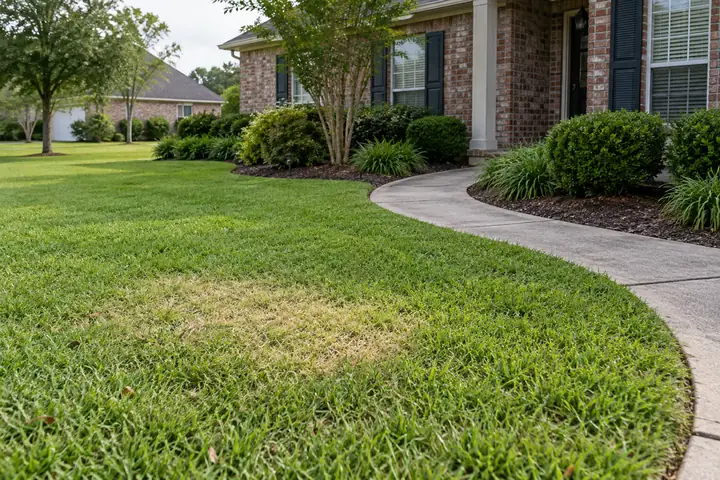
Lawn Scalping: A Short Cut Is Not Always a Happy Cut
Pale patches after mowing deserve a closer look. Separate an over-short cut from other lawn changes, then make the next maintenance decision fit the grass and ground.
Take a closer look ↗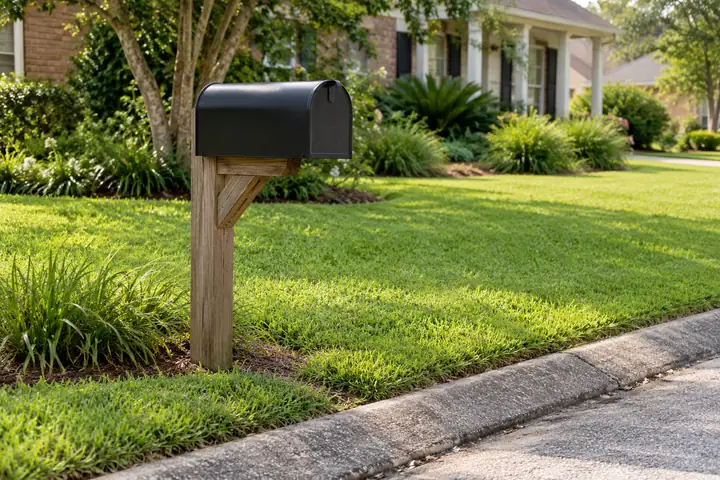
Mowing Around Mailbox Posts
A neat front lawn starts with a clear plan for the little roadside details, including the grass around your mailbox.
Take a closer look ↗
Mowing Around Sheds and Ramps
Turn the storage-building corner into a named lawn zone with a visible ramp, usable door swing and a route that does not depend on moving whatever was left outside.
Take a closer look ↗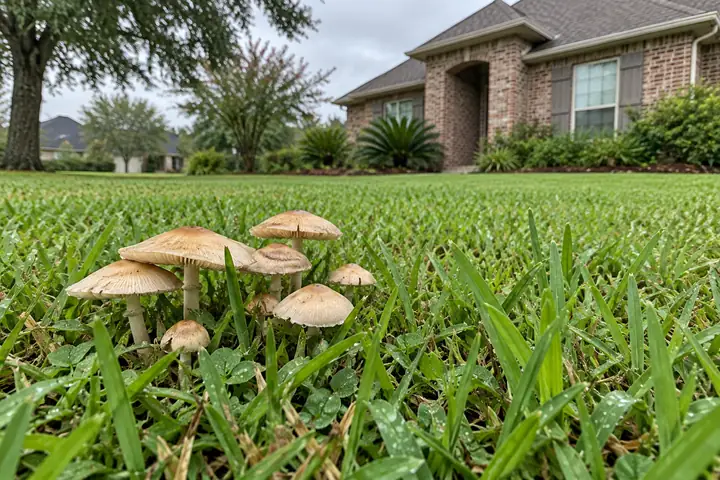
Mushrooms in the lawn before mowing: look beyond the little caps
A few mushrooms can raise a lot of questions in a yard that otherwise looks ordinary. Separate what is visible, what the grass is doing and what you want included in the lawn visit.
Take a closer look ↗
Outdoor Faucets Beside the Lawn
Keep hose bibs, shutoff access and the grass around them workable without turning a small wall fixture into a mowing-day surprise.
Take a closer look ↗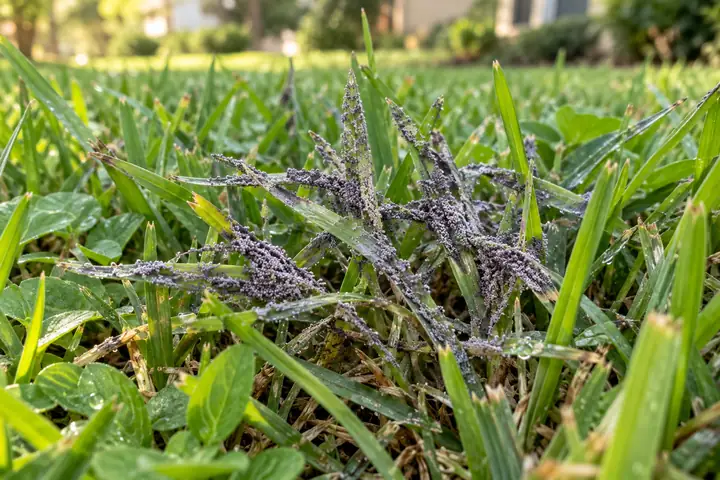
Slime Mold on the Lawn Before Mowing
A dusty gray patch can look alarming. Check what is on the blades, how the ground feels and whether an ordinary mowing visit makes sense.
Take a closer look ↗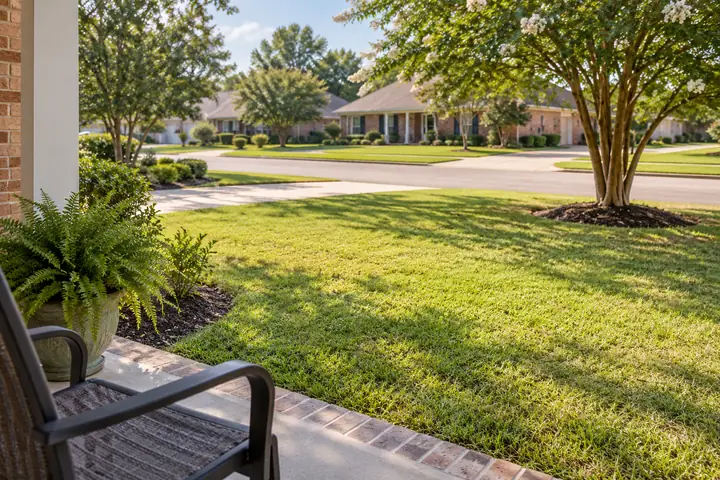
Away from home? Keep the lawn plan easy to follow.
Travel, work and family can take you out of town. A clear property contact, useful photos and an agreed maintenance scope can help keep your Westbank yard from becoming a guessing game.
Take a closer look ↗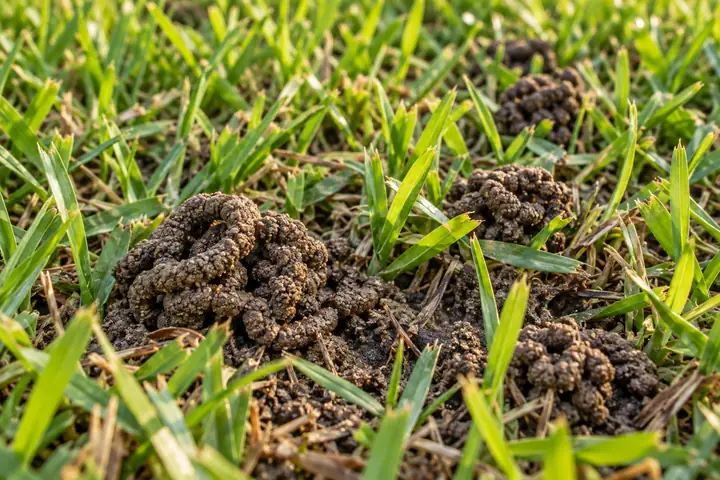
Earthworm Castings and Lawn Mowing
Small crumbly soil piles call for a surface check and a sensible cutting plan, especially when the lawn is damp.
Take a closer look ↗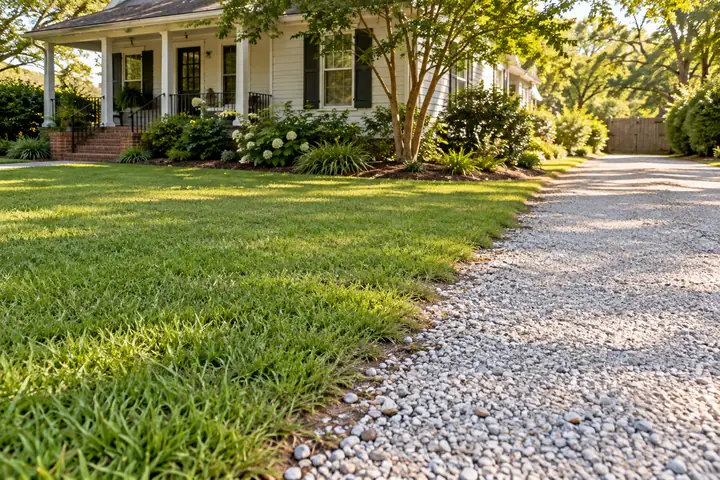
Grass beside a gravel driveway: make the border part of the lawn plan
A loose-stone edge needs a different conversation from a clean concrete line. Show the real boundary, scattered material and access before asking Happy to review the grass beside it.
Take a closer look ↗
Lawn Care Beside Brick Walks
Weathered brick has plenty of character. A good lawn plan follows its real edges, joints and changing levels.
Take a closer look ↗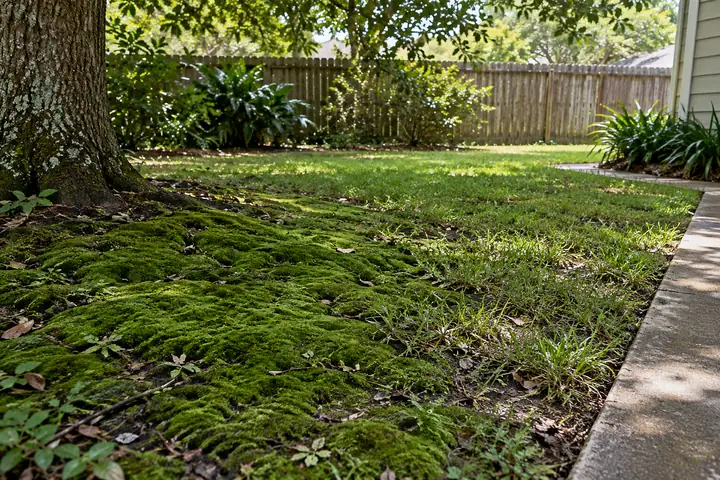
Moss in the lawn: keep the grass plan connected to the growing conditions
A soft green patch can look tidy from the porch and very different up close. Identify the grass, the moss-like area and the result you want before assuming a shorter cut will change the whole corner.
Take a closer look ↗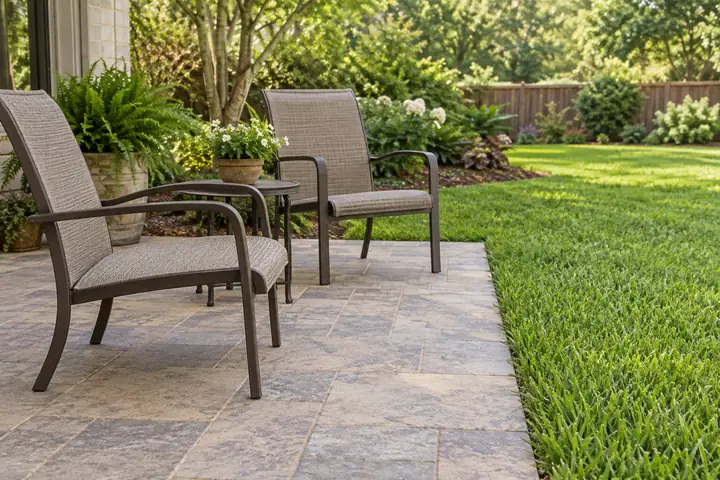
Outdoor Furniture and Lawn-Mowing Access
Chairs, tables and movable stands change the usable lawn area. Decide what moves, what stays and what the quoted visit can reach.
Take a closer look ↗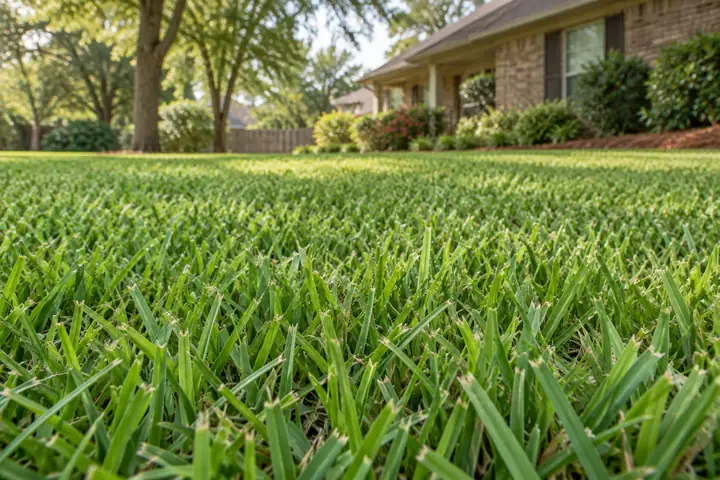
Ragged Grass Tips: Look Closely at the Finish
A freshly cut lawn should not need a mystery investigation from the porch. Useful photos and a few clear observations can help explain a rough-looking leaf surface.
Take a closer look ↗
Satellite Dishes, Exterior Cables and Lawn Routes
A wall-mounted dish or low exterior cable can be easy to overlook until the side yard narrows; mapping the hardware and the grass route keeps lawn work separate from communications equipment.
Take a closer look ↗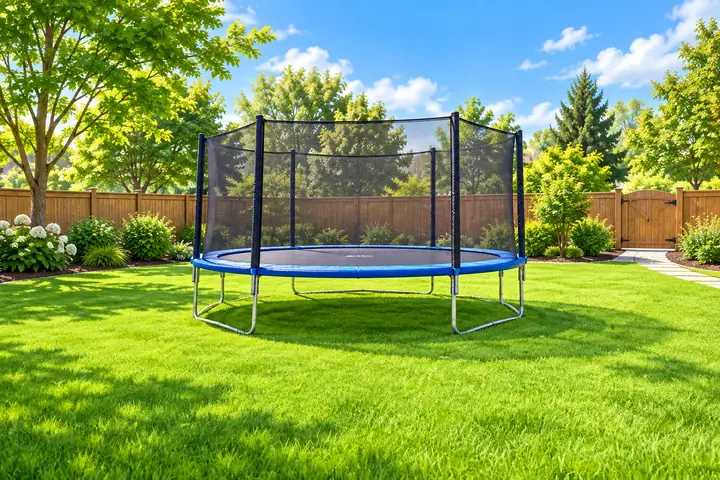
Trampolines and Lawn Access
Plan the grass around the full recreational footprint, not just the visible mat, so legs, anchors, toys and the enclosure do not become mowing-day surprises.
Take a closer look ↗
Trash and Recycling Carts on Mowing Day
Plan cart placement, collection timing and a clear grass edge so curbside containers do not turn one visit into a guessing game.
Take a closer look ↗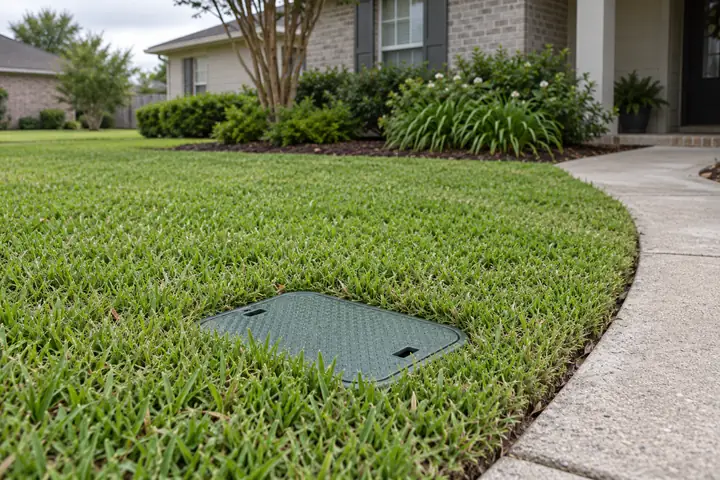
Utility covers in the lawn: make the hidden details part of the plan
A small lid can disappear in a lot of grass. Show Happy the covers and access points you know about before mowing, without opening or altering unfamiliar equipment.
Take a closer look ↗
Corner-lot lawn care: two street views, one clear maintenance plan
A corner yard can have more edges, separate strips and approaches than the address suggests. Walk through the layout with Happy before treating the whole property as one simple front lawn.
Take a closer look ↗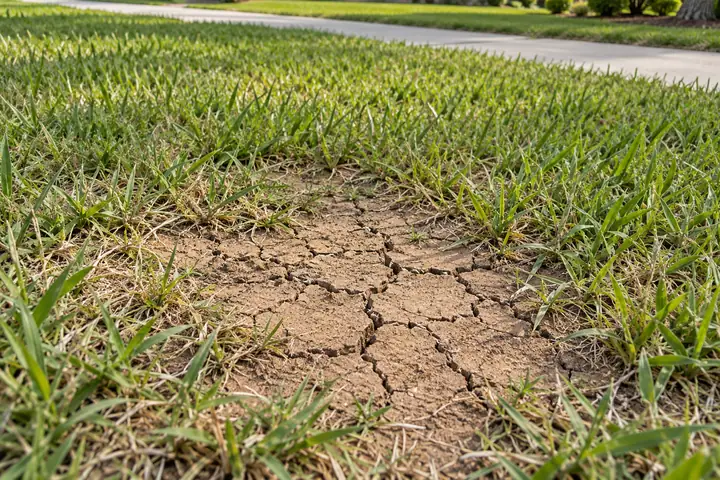
Cracked Lawn Soil and the Next Mowing Visit
Visible soil cracks are a reason to inspect the surface and the grass separately before choosing a cutting route.
Take a closer look ↗
Getting the house photographed? Let the lawn frame it nicely.
A clear walk, an understood service scope and a realistic timing plan can help your Westbank yard feel ready for its turn in front of the camera.
Take a closer look ↗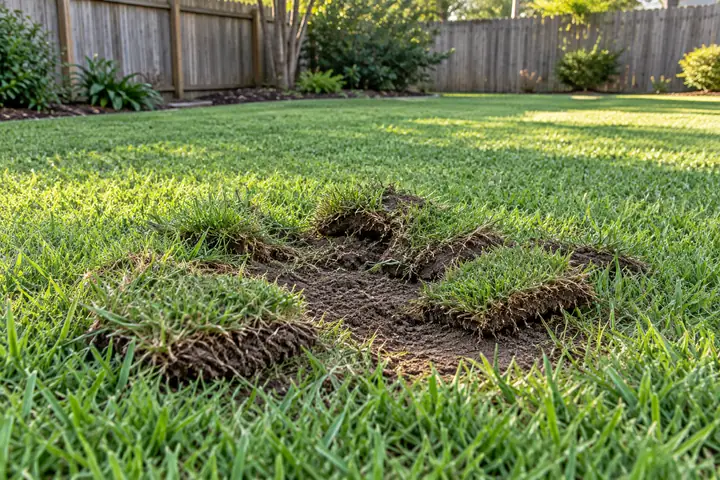
Holes and disturbed turf before mowing: show the change before the cut
A lawn can look different overnight without revealing exactly what happened. Describe the disturbed area, keep the access question clear and separate routine mowing from wildlife or ground repair work.
Take a closer look ↗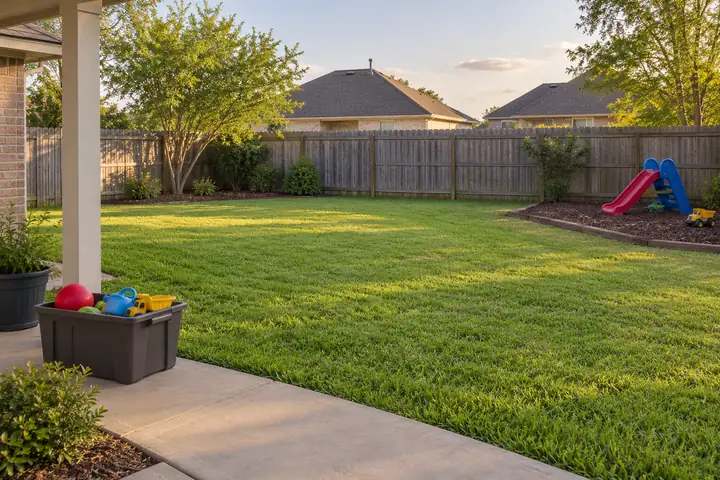
Mowing around a backyard play area: give the visit a clear starting point
Toys, play structures and ordinary grass can share one happy yard. A few specific decisions keep the lawn request separate from moving equipment or caring for the play space.
Take a closer look ↗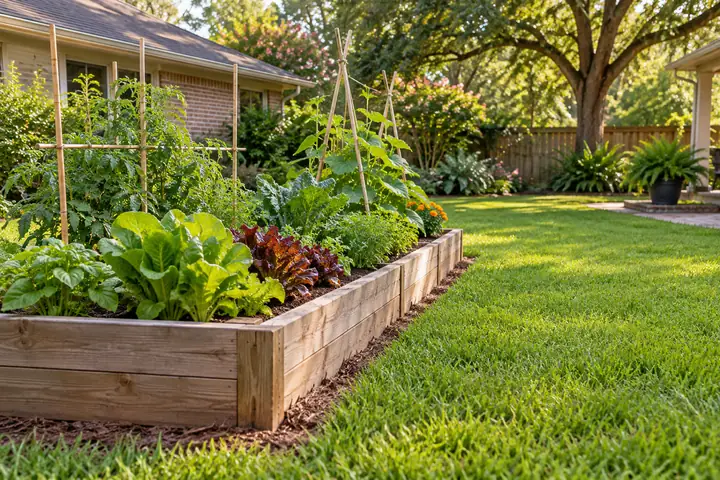
Mowing Around Raised Vegetable Beds
Keep the lawn looking happy while giving the vegetables, supports and watering setup a clearly understood space.
Take a closer look ↗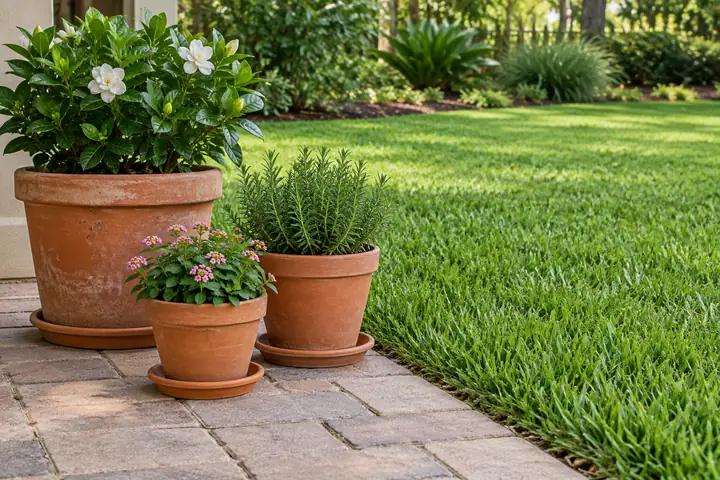
Planters Beside the Lawn: Mowing and Access
Pots bring personality to a yard. Their weight, saucers, supports and watering patterns also deserve a place in the lawn-maintenance plan.
Take a closer look ↗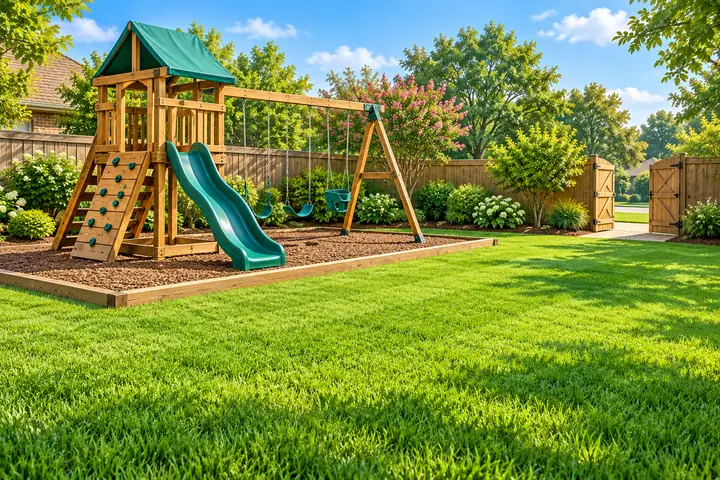
Playsets, Swing Sets and Lawn Boundaries
A backyard playset works best with lawn care when its footprint, anchors, loose toys and surrounding route are treated as a defined family space rather than an obstacle to move on service day.
Take a closer look ↗
Portable Basketball Goals and Lawn Edges
Give a rolling hoop one agreed paved position so the base, wheels, net and driveway grass edge stay out of each other’s way on mowing day.
Take a closer look ↗
Temporary Storage Containers and Lawn Access
Keep a remodeling pod, portable container or short-term dumpster from quietly changing the mowing route, gate plan and service boundary.
Take a closer look ↗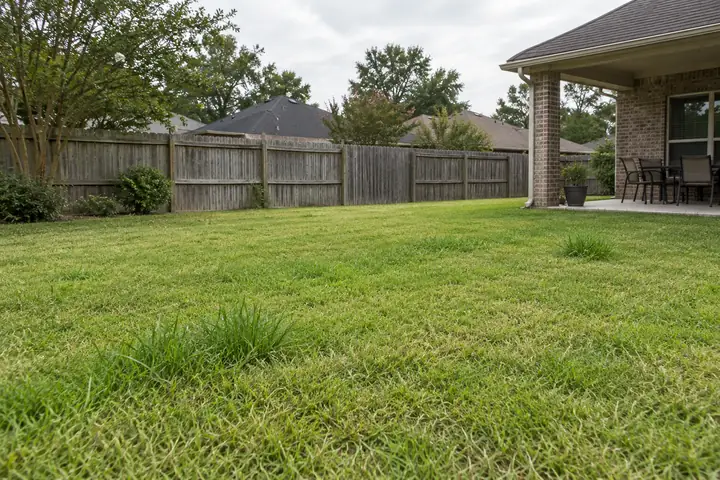
Uneven Lawn Cuts: Find the Pattern Before Changing the Plan
Tall tufts, pale high spots and a wavy finish can look like one problem from a distance. A few specific observations make the next conversation much clearer.
Take a closer look ↗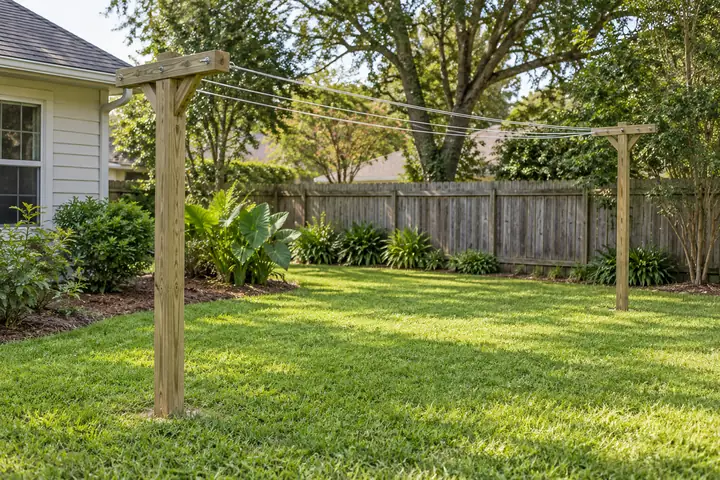
Clotheslines and Backyard Lawn Care
An empty drying line can still affect access. Show the overhead lines, posts and ground fittings before planning the grass cut beneath them.
Take a closer look ↗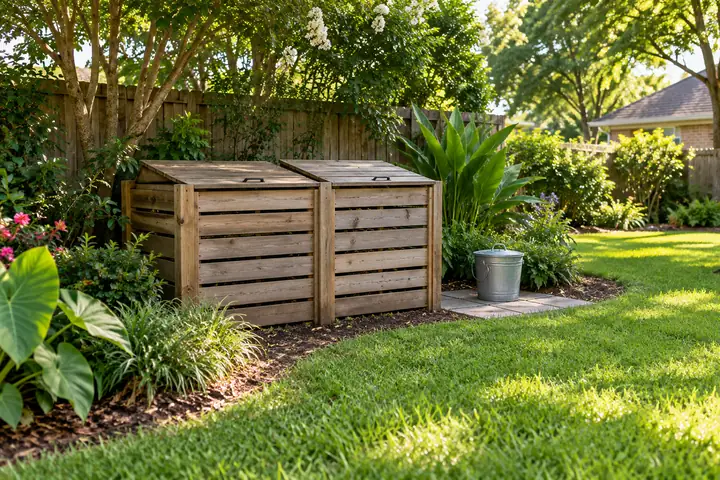
Compost Bins and Lawn Access
A useful backyard working corner can coexist with a tidy lawn when the bin, materials and access each have an understood place.
Take a closer look ↗
Fence Repairs and Temporary Lawn Boundaries
Keep an open panel, stacked boards and contractor traffic from blurring the mowing line or leaving a backyard access decision to chance.
Take a closer look ↗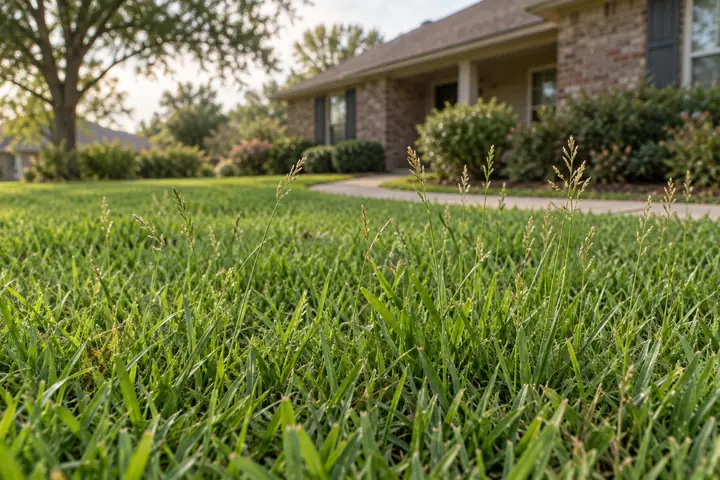
Lawn Seedheads: Tall Stems Do Not Tell the Whole Story
Little stems above the grass can make a tidy lawn look shaggy fast. Identify what is growing before changing the whole mowing plan.
Take a closer look ↗
New house, new lawn? Get to know the yard before the first cut.
Unpack the useful lawn information along with the boxes. A simple first look can help you ask for the right maintenance without inheriting a mystery routine.
Take a closer look ↗
Pool Equipment Pads and Lawn Routes
Pool pumps and filters are specialist equipment, while the surrounding grass is a lawn-access question; a dry route, visible pad and strict no-contact boundary keep those responsibilities separate.
Take a closer look ↗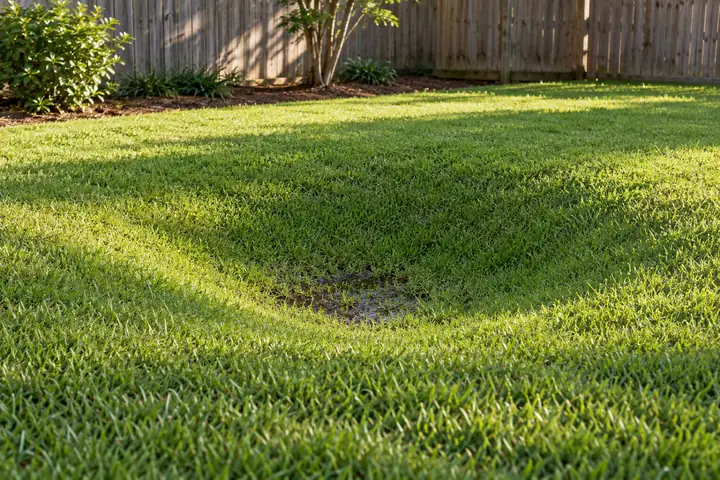
Shallow Lawn Depressions and Mowing Access
A grassy low spot needs a route and finish plan that respects the shape of the ground without disguising a new change.
Take a closer look ↗
Standby Generators Beside the Lawn
Keep the grass boundary clear without treating a standby generator, its pad or connected utilities as ordinary yard obstacles that can be touched or shifted.
Take a closer look ↗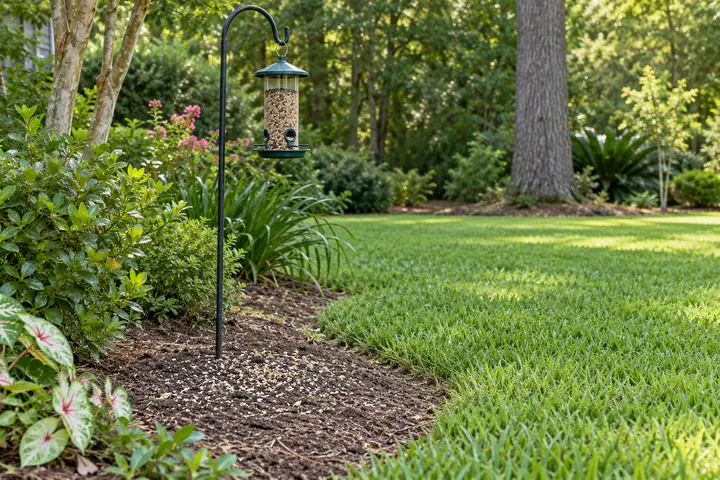
Bird Feeders and the Lawn Beneath Them
A feeding station brings several small maintenance questions together: a pole or hanger, fallen material, nearby plants and the grass that remains reachable.
Take a closer look ↗
French Drains, Surface Inlets and Lawn Mowing
Make visible drainage parts easy to find, keep routine clippings out and separate lawn maintenance from drainage diagnosis or repair.
Take a closer look ↗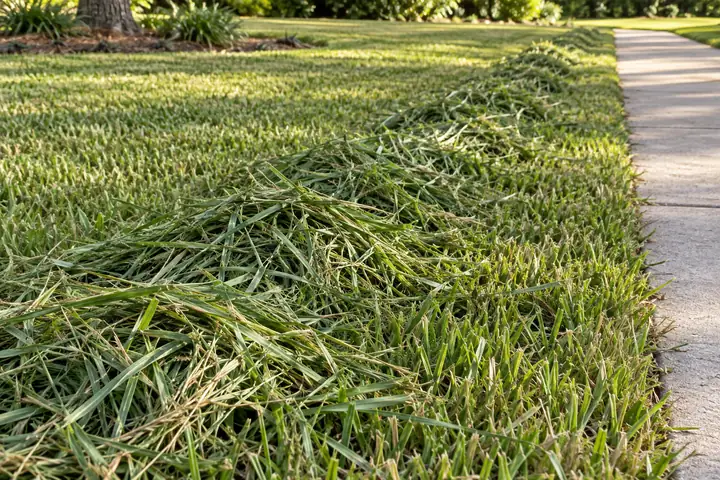
Grass Clipping Clumps and Windrows After Mowing
A loose sprinkling and a heavy row of cut grass need different finish decisions. Here is how to describe the difference and plan the next cut.
Take a closer look ↗
Ground-Mounted Solar Panels and Lawn Boundaries
A small ground-mounted solar array needs a stable electrical-equipment zone and a separate lawn route; naming the posts, gravel edge, conduit and reachable turf prevents lawn care from drifting into solar service.
Take a closer look ↗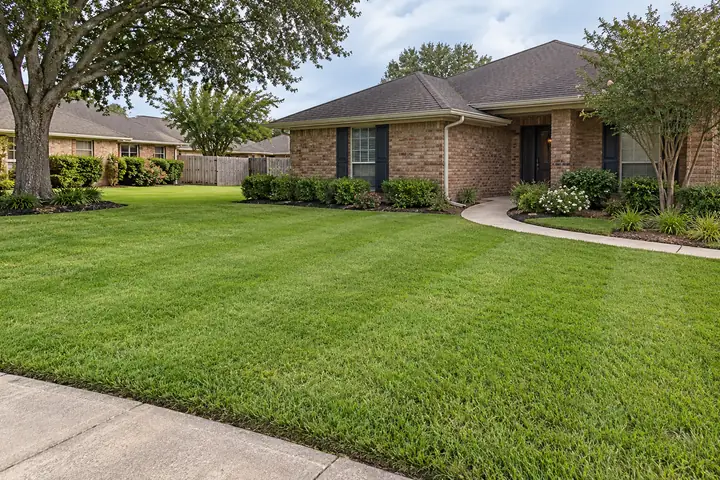
Mowing Direction and Lawn Stripes: A Little Perspective Helps
Light and dark lines can be an appearance effect rather than an uneven cut. Look at the pattern, the ground and the actual grass before asking for a change.
Take a closer look ↗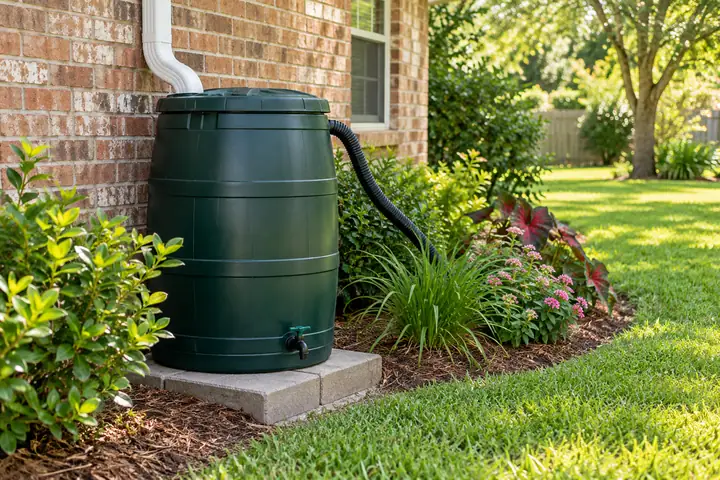
Rain Barrels and Mowing Access
Show the whole rainwater setup, from its base to the end of the overflow route, before arranging the grass work around it.
Take a closer look ↗
Shared yard, clear plan: keep the lawn conversation friendly.
When more than one person uses or manages a lawn, a clear work area and one coordinated request can make maintenance simpler for everyone involved.
Take a closer look ↗
Utility Meters and Lawn Care
Map the grass beneath gas and electric equipment without touching pipes, conduits, shutoffs, seals or the clear route a utility worker may need.
Take a closer look ↗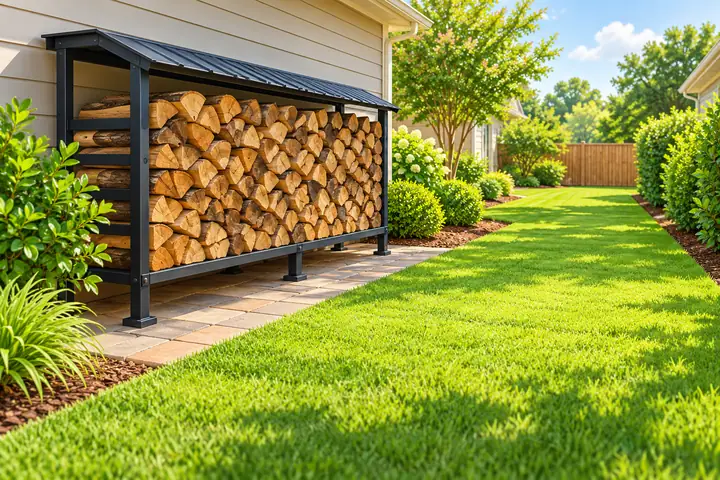
Firewood Racks and Lawn Access
A covered firewood rack can stay useful without narrowing lawn service when the stack, rack feet, loose bark and surrounding route are treated as one owner-managed storage zone.
Take a closer look ↗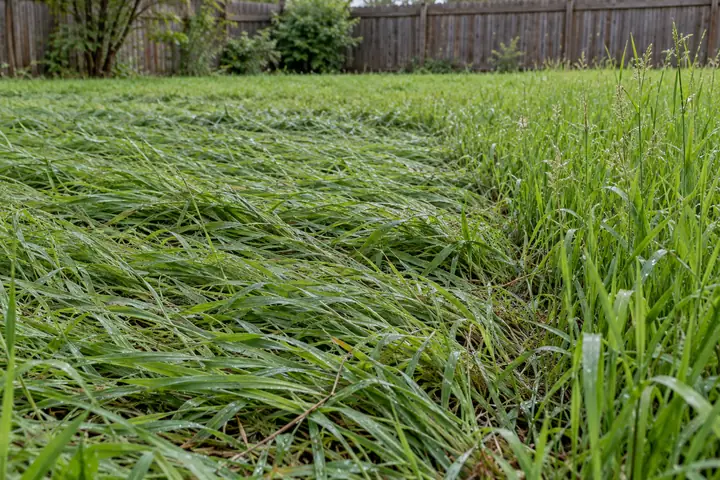
Flattened Tall Grass Before a Mowing Visit
Bent grass can hide both its true length and the ground beneath it. Plan the first pass around what is actually standing, leaning and concealed.
Take a closer look ↗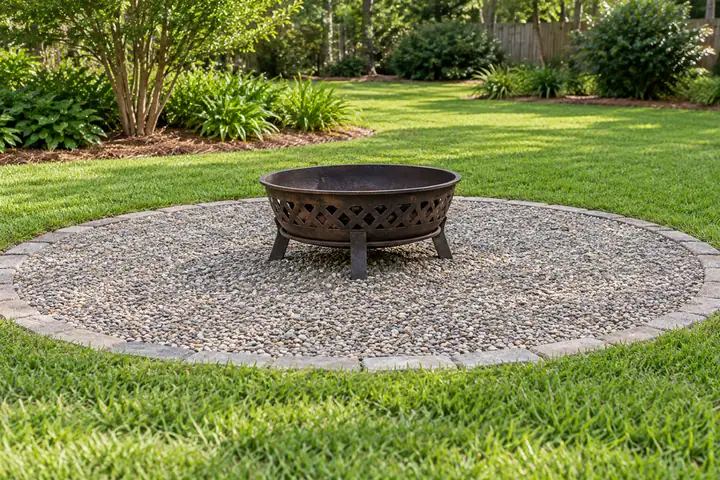
Lawn Care Around a Fire-Pit Border
The lawn edge around an outdoor fire feature needs a clear maintenance boundary, a cold inactive setup and an honest description of nearby material.
Take a closer look ↗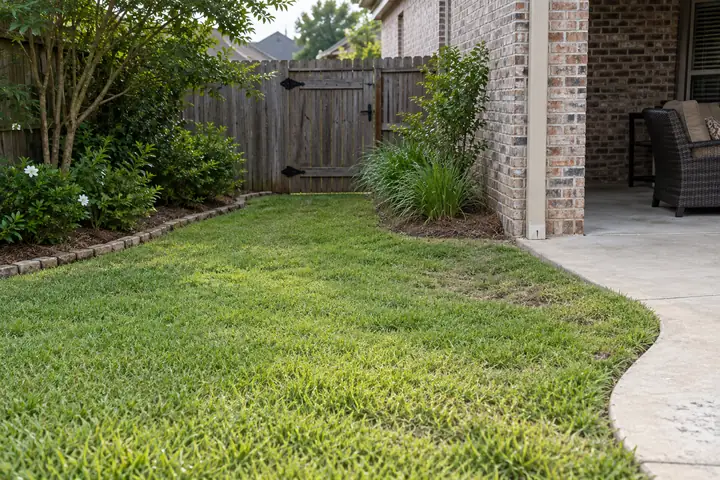
Mower Turning Marks: Review the Corner, Not Just the Lawn
A scuffed patch beside the patio can have a different story from the open grass. Show Happy the mark, the space around it and what changed.
Take a closer look ↗
Outdoor Kitchens, Grill Pads and Lawn Edges
Keep cooking equipment, fuel, furniture and hot surfaces on their own hard-surface plan while the adjacent grass receives a clearly separated lawn finish.
Take a closer look ↗
Retaining Walls Beside the Lawn
Define the grass edge, steps and no-turn areas around a raised wall without turning lawn maintenance into masonry or drainage work.
Take a closer look ↗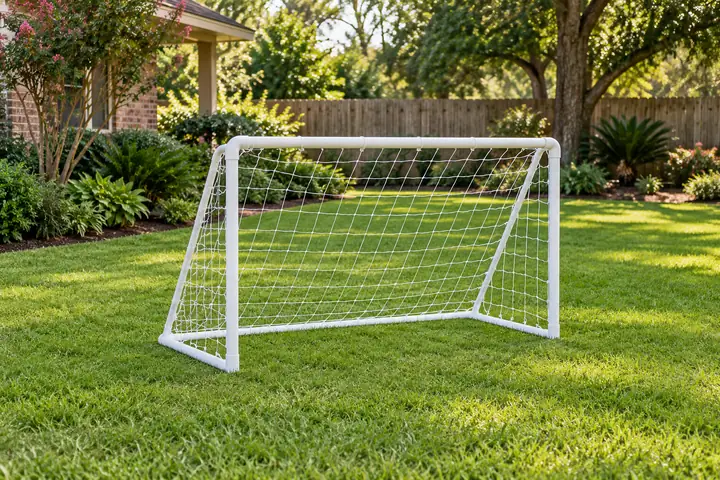
Sports Nets and Mowing Day
Keep the practice space ready for play and the lawn visit ready for a clear start by accounting for the whole equipment setup.
Take a closer look ↗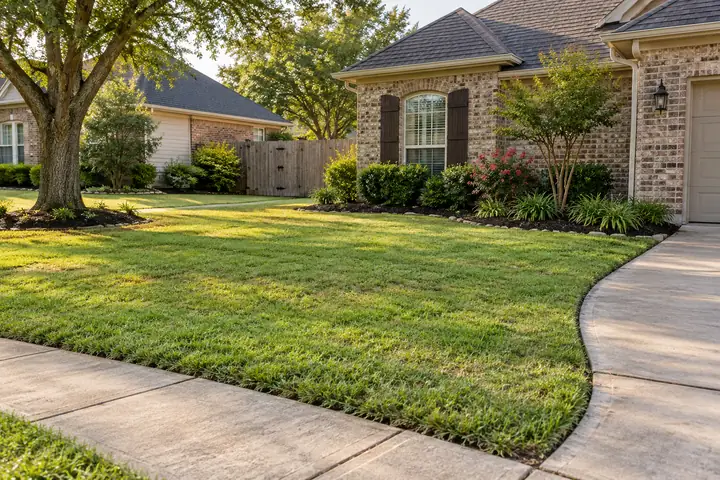
What do you want included? A plain-language lawn service checklist.
Good lawn questions do not need fancy words. Name the areas, describe the finish and ask Happy to confirm the work so the estimate and the visit refer to the same yard.
Take a closer look ↗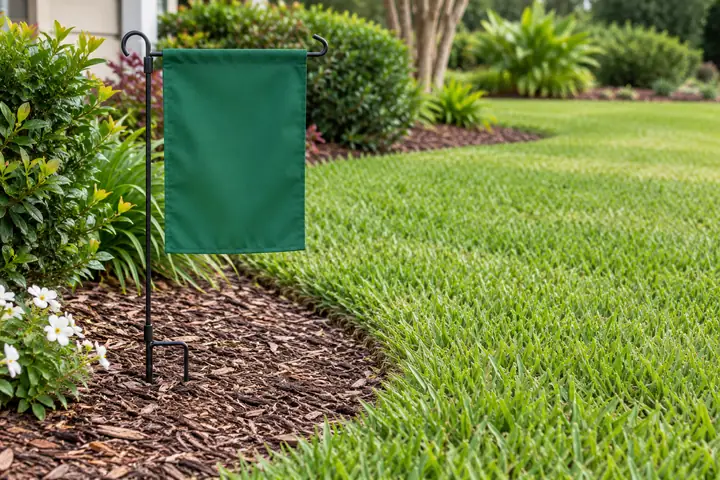
Decorative Yard Flags and Mowing Preparation
A small flag can hide a narrow metal foot in the grass. Identify the decoration, distinguish official markers and clear the complete assembly before mowing.
Take a closer look ↗
Lawn Care Beside Residential Accessibility Ramps
Keep ramps, landings and approach routes clear while defining a respectful lawn boundary that never treats access as movable clutter.
Take a closer look ↗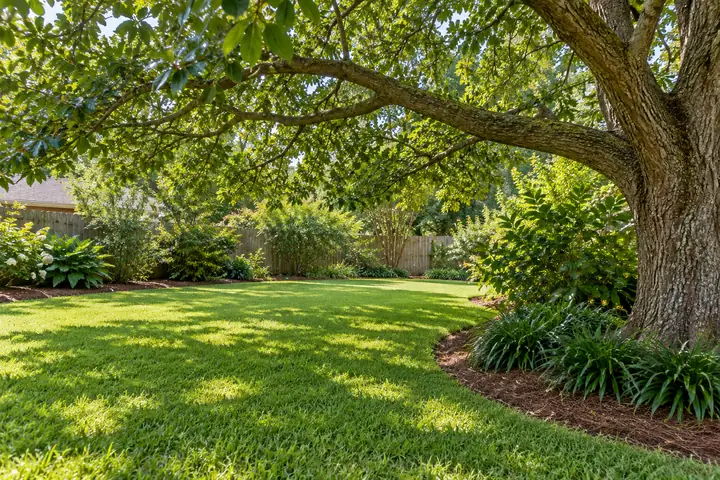
Low Branches and Lawn Access
The grass may be open at ground level while the route above it has changed. Bring both views into the lawn conversation.
Take a closer look ↗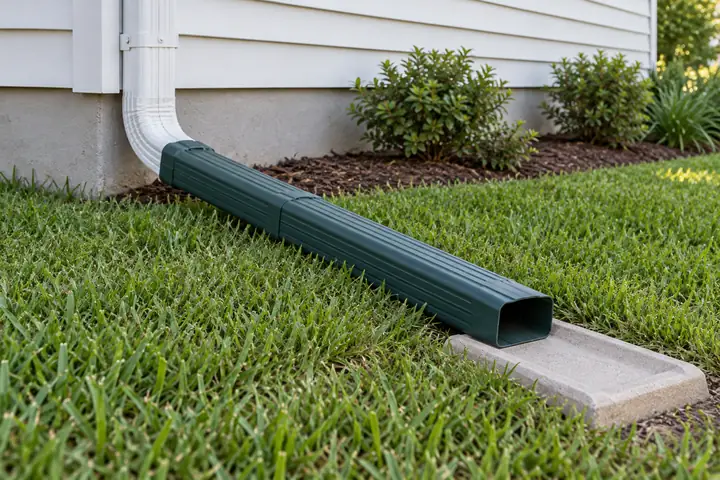
Mowing Around Downspout Extensions
Roof-water hardware belongs in the access plan. Show where an extension runs, what stays in place and which grass remains reachable.
Take a closer look ↗
Pergolas, Gazebos and Lawn Care
Break an outdoor structure into posts, interior surface, furniture and approach zones so the grass plan stays practical without turning lawn service into structural care.
Take a closer look ↗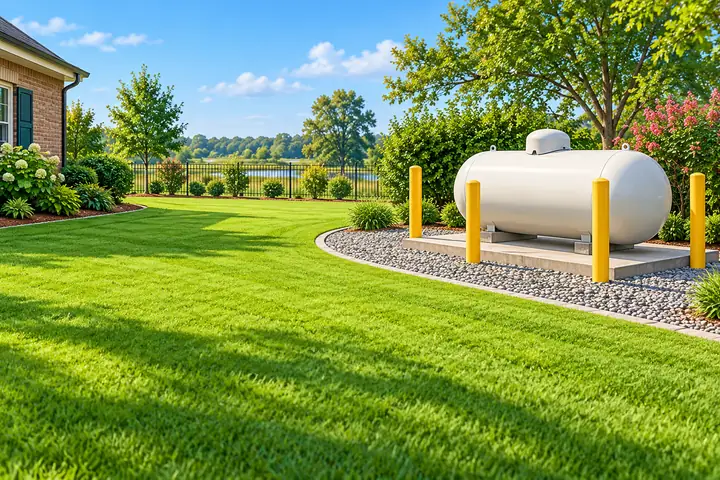
Propane Tanks Beside the Lawn
A stationary propane tank requires a generous no-contact equipment zone, unobstructed supplier access and a separate lawn route; Happy Grass cares only for suitable reachable turf outside that boundary.
Take a closer look ↗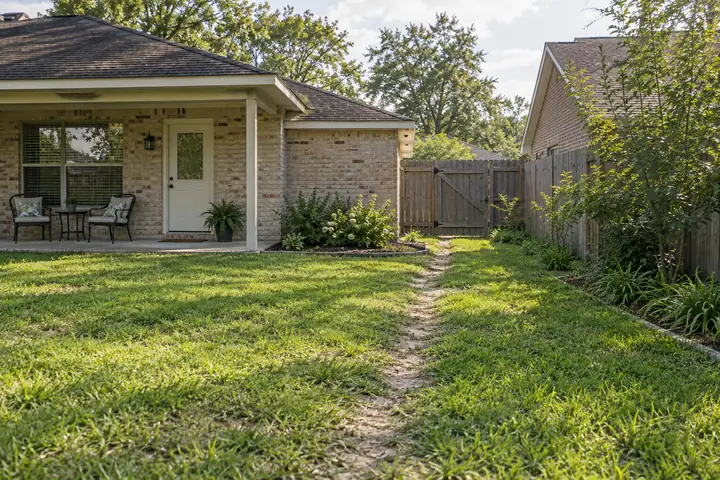
Worn Lawn Footpaths: Make Room for the Way You Use the Yard
The shortest route to the gate can become the thinnest strip of grass. Look at the traffic pattern before asking mowing to solve a wear problem.
Take a closer look ↗
Boats, Utility Trailers and Lawn Access
Give every parked trailer one paved position with its tongue, wheels, tie-downs and gate route visible so reachable grass can be maintained without moving a vehicle.
Take a closer look ↗
Dormant Lawn Mowing: Let the Grass Tell You What Is Growing
A quieter lawn can still need a tidy plan. Separate resting turf, growing weeds and loose material before deciding what the next visit should cover.
Take a closer look ↗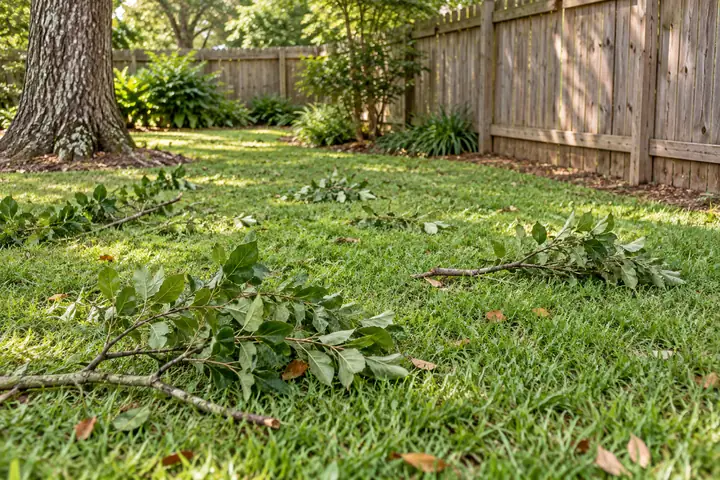
Fallen Twigs and Branches Before Lawn Mowing
Visible woody debris changes the preparation for a cut. Separate small loose yard material from larger or uncertain tree concerns before the lawn visit.
Take a closer look ↗
Mowing Around Decks and Exterior Stairs
Define the posts, under-deck pockets, stair landing and grass boundary so a raised deck stays a clear feature instead of a collection of surprises.
Take a closer look ↗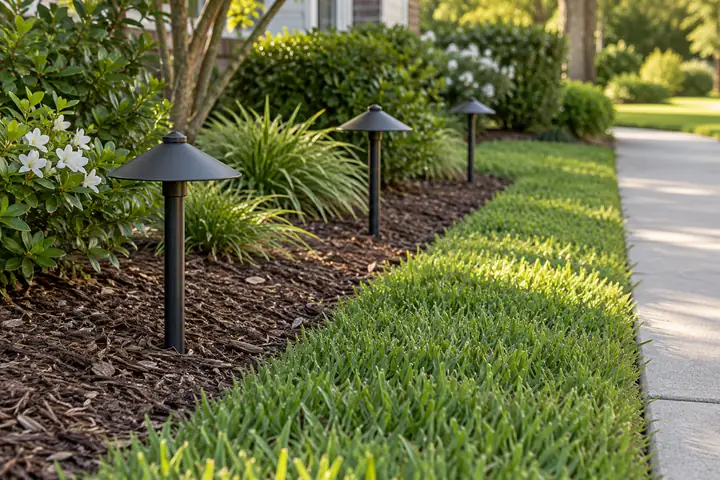
Mowing Near Landscape Lights
Small fixtures can disappear in a growing lawn. Make their locations and the maintenance boundary clear before equipment enters the yard.
Take a closer look ↗
Outdoor Showers, Drain Pads and Lawn Edges
An outdoor shower can sit beside a tidy lawn when the fixture, drain pad, hoses and wet-ground pattern are treated as a plumbing zone with a separate dry mowing route.
Take a closer look ↗
Stepping Stones and Lawn Mowing
A grass path with individual stones needs a lawn plan that follows the actual surfaces, levels and places people walk.
Take a closer look ↗
Chicken Coops and Lawn Access
A chicken coop can sit comfortably beside a maintained yard when the birds, gate, wire, feed, droppings and reachable grass are treated as separate responsibilities before mowing begins.
Take a closer look ↗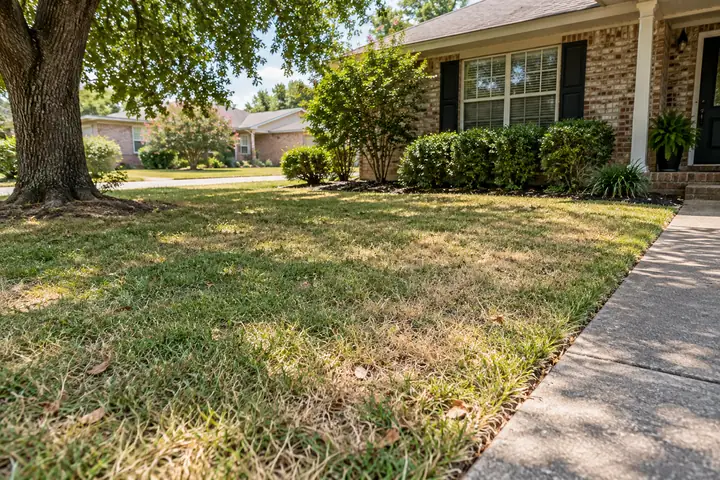
Mowing a Drought-Stressed Lawn: A Better Plan Than Cutting on Autopilot
Dry-looking grass needs a thoughtful review. Show Happy what changed, where growth remains active and what care guidance is already in place.
Take a closer look ↗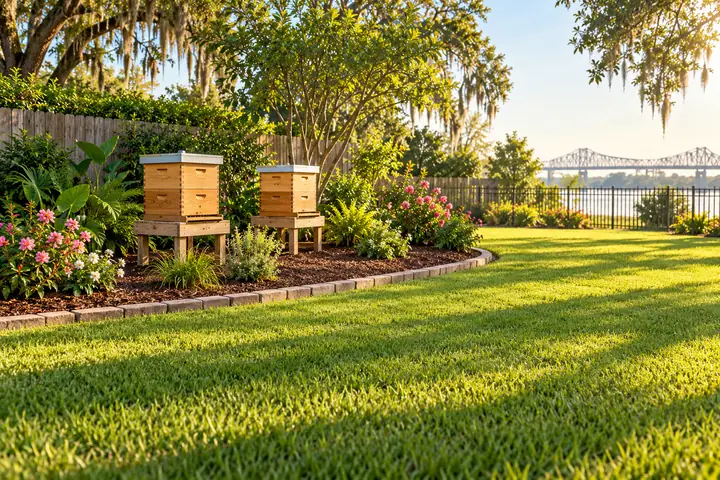
Beehives Beside the Lawn
Backyard hives need a beekeeper-led safety boundary that keeps entrances, flight paths and equipment vibration separate from ordinary mowing and trimming.
Take a closer look ↗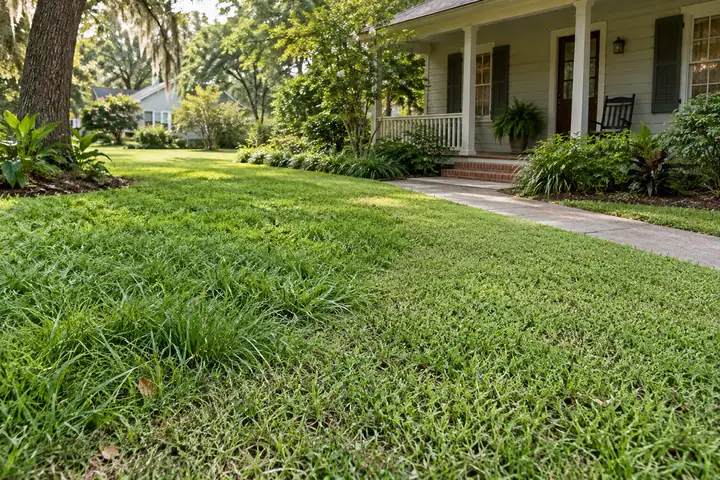
Mixed Grass Textures: One Yard Can Need More Than One Description
Broad leaves beside fine grass can make the same cut look different. Identify the sections before expecting the entire lawn to behave alike.
Take a closer look ↗
Greenhouses and Lawn Routes
A backyard greenhouse needs a deliberate grass route around its base, doors, vents, water lines and fragile panels so routine lawn care never becomes greenhouse handling.
Take a closer look ↗
Backyard Ponds, Water Features and Lawn Edges
A pond or fountain can share a yard with a tidy lawn when the waterline, stone edge, power, hoses and wet-ground buffer are visible before equipment approaches.
Take a closer look ↗
Flagpoles and Lawn Boundaries
A residential flagpole needs more planning than a narrow circle of grass: the base, cleat, halyard, lights, anchors and recent digging all affect a repeatable lawn route.
Take a closer look ↗
Hot Tubs, Spa Pads and Lawn Edges
A covered hot tub can sit beside a healthy yard when the safety cover, pad, steps, electrical equipment, drainage and grass boundary remain clear before lawn work.
Take a closer look ↗
Driveway Culverts and Lawn Edges
A driveway culvert joins pavement, ditch flow and sloped grass in one narrow place, so the mowable shoulder must be separated from the pipe opening, water and erosion.
Take a closer look ↗
Event Tents, Inflatables and Lawn Access
Backyard tents and inflatables can change a lawn overnight, so mowing works best when anchoring, cords, delivery routes and turf recovery are coordinated as separate jobs.
Take a closer look ↗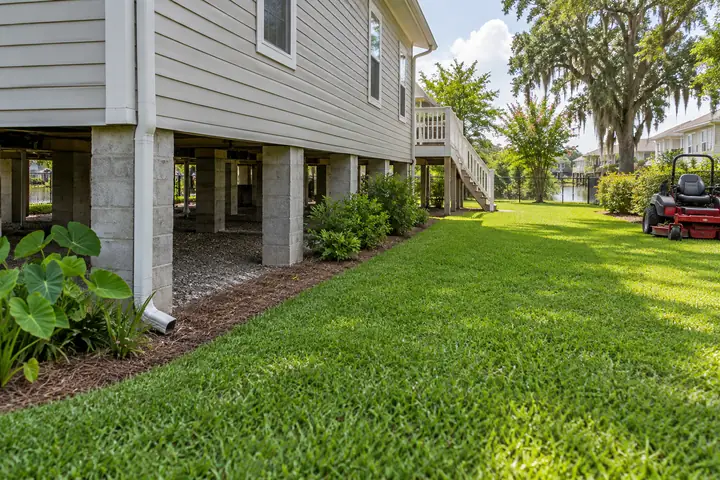
Raised Homes, Piers and Lawn Access
Raised houses make sense in our Gulf Coast landscape, but their piers, stairs, shaded edges and utility runs turn an ordinary lawn visit into a route-planning job. Here is how to make that route clear without asking a lawn crew to judge the structure.
Take a closer look ↗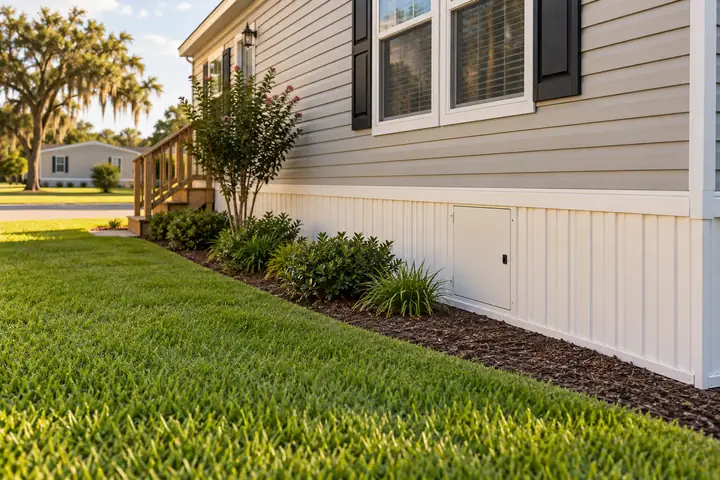
Mobile Home Skirting and Lawn Edges
Manufactured-home skirting is a building enclosure, not a bumper for mowing equipment. A clear edge, visible vents and a workable access panel help routine lawn service stay neat without turning a cosmetic cut into a repair problem.
Take a closer look ↗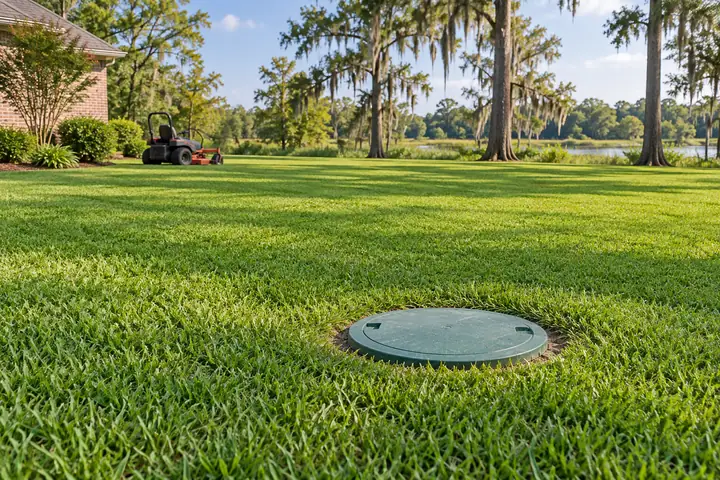
Septic Tank Lids, Drainfields and Lawn Access
A septic area can look like ordinary turf even when vehicle weight, soft soil or a hidden component makes it a poor equipment route. Visible lids, honest boundaries and professional septic care keep a mowing visit from becoming an expensive guess.
Take a closer look ↗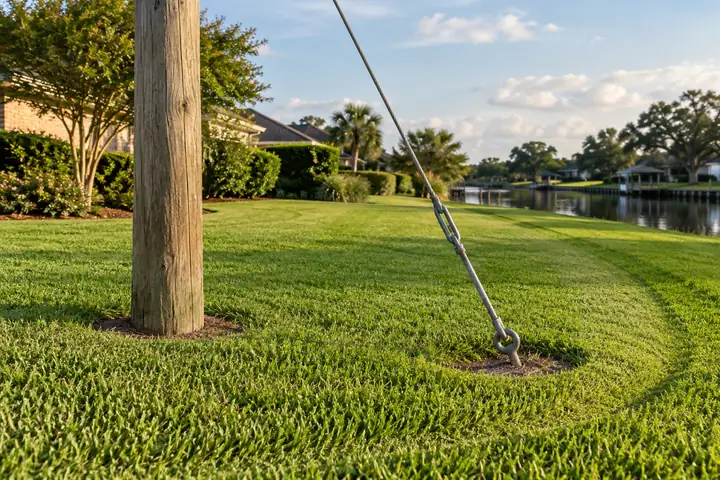
Utility Poles, Guy Wires and Lawn Routes
Poles and guy-wire anchors are fixed utility equipment, not ordinary landscape posts. A visible buffer and an open route help lawn service proceed without contact, while every repair or electrical question stays with the utility owner.
Take a closer look ↗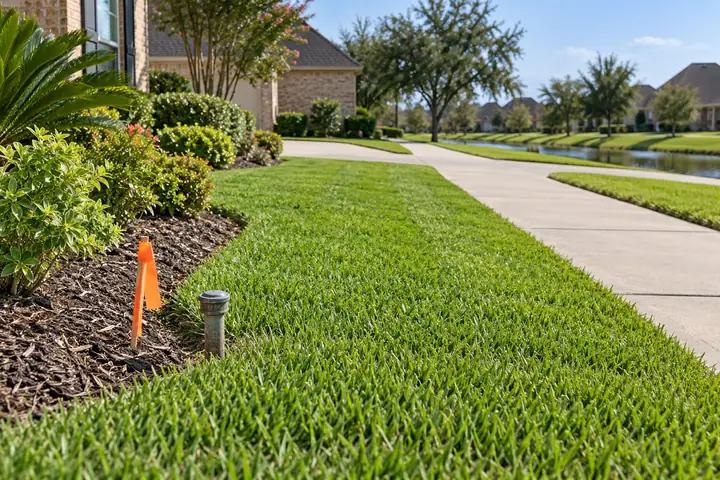
Survey Stakes, Property Markers and Lawn Visits
An orange stake, iron pin or flagged lath may be important even when it looks temporary. Lawn service should preserve visible markers and follow the owner’s stated work area without pretending to interpret a legal boundary.
Take a closer look ↗
Shared Driveways and Lawn Boundaries
A shared driveway can be the only practical route to two lawns, a turning space for residents and the visible edge between different maintenance plans. Clear permission and a clean stopping point matter as much as the mower pattern.
Take a closer look ↗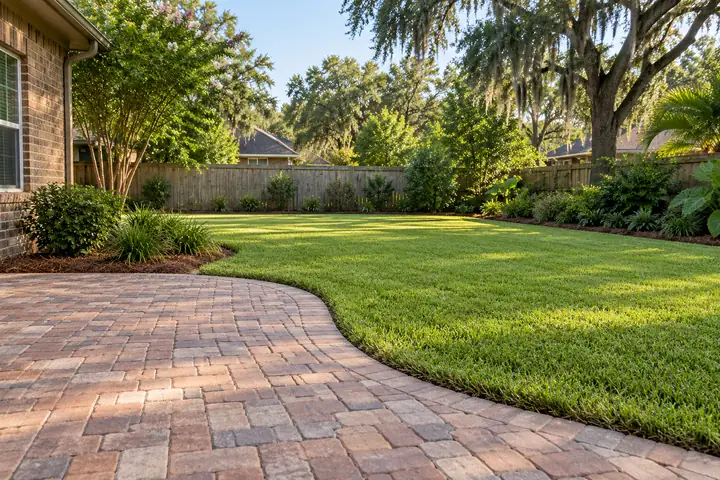
Paver Patios and Lawn Edges
A paver patio meets the lawn along dozens of small joints and edge units rather than one poured slab. A stable border, controlled trimming and thoughtful cleanup keep that transition neat without turning lawn service into masonry repair.
Take a closer look ↗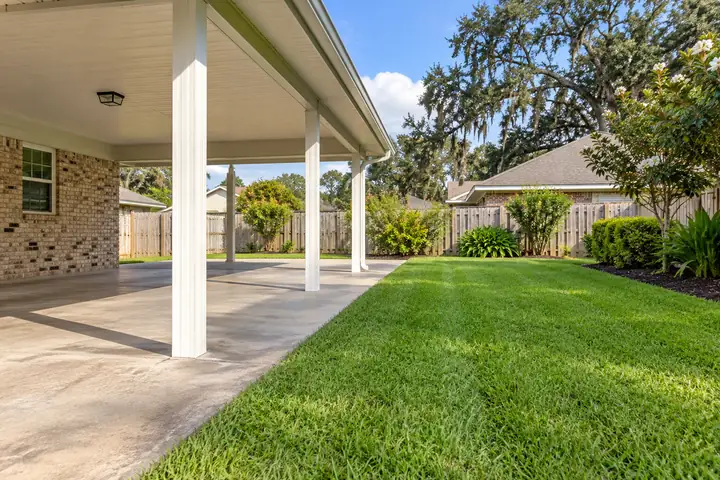
Carports and Lawn Access
An open carport looks like easy access until posts, parked vehicles, slab corners, stored items and utility lines narrow the route. Preparing the space before mowing keeps lawn equipment in the lawn and away from the structure.
Take a closer look ↗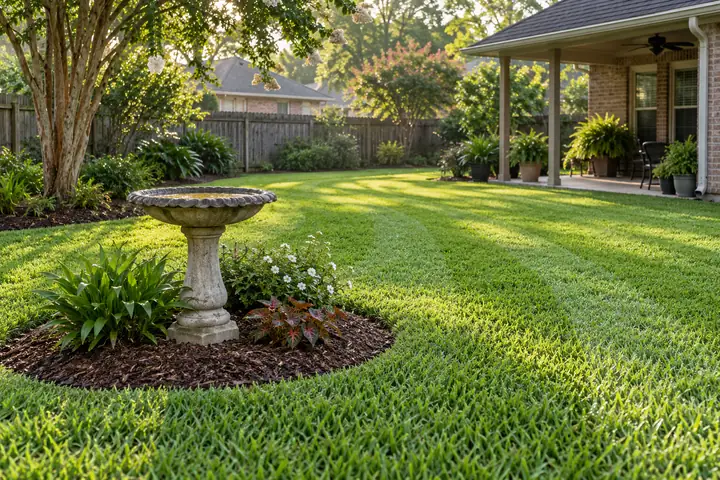
Bird Baths and Lawn Edges: Keep the Water Feature in the Plan
A bird bath can be a cheerful little landmark, but its basin, pedestal and damp footing deserve a clear place in the mowing plan.
Take a closer look ↗
Garden Statues, Ornaments and Lawn Boundaries
Your yard can show plenty of personality without making routine mowing a scavenger hunt for fragile pieces.
Take a closer look ↗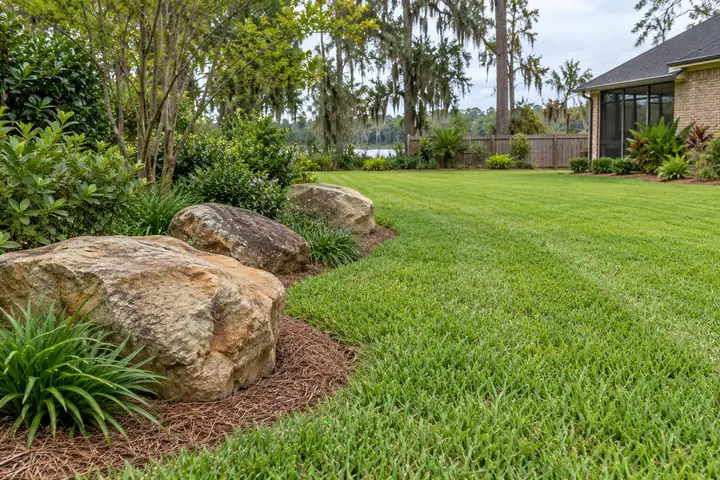
Landscape Boulders, Rock Accents and Lawn Edges
Large rocks can make a yard feel grounded, but the grass line around them needs more thought than “mow until the stone stops you.”
Take a closer look ↗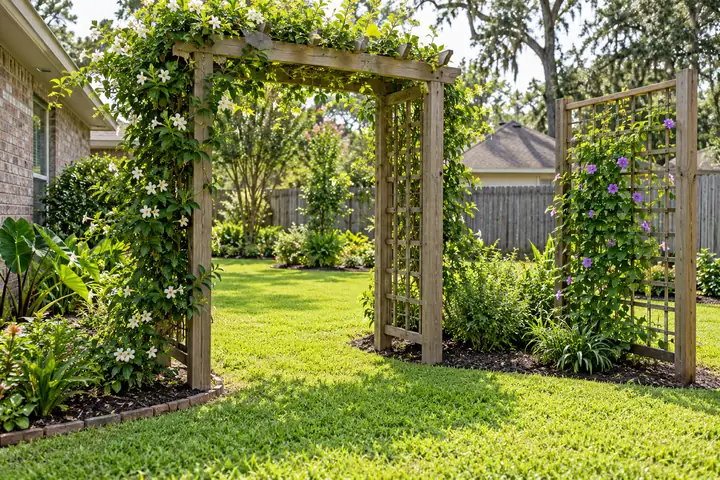
Garden Arbors, Trellises and Lawn Access
An arbor can frame a beautiful garden entrance, but the route through and around it has to work at mower height too.
Take a closer look ↗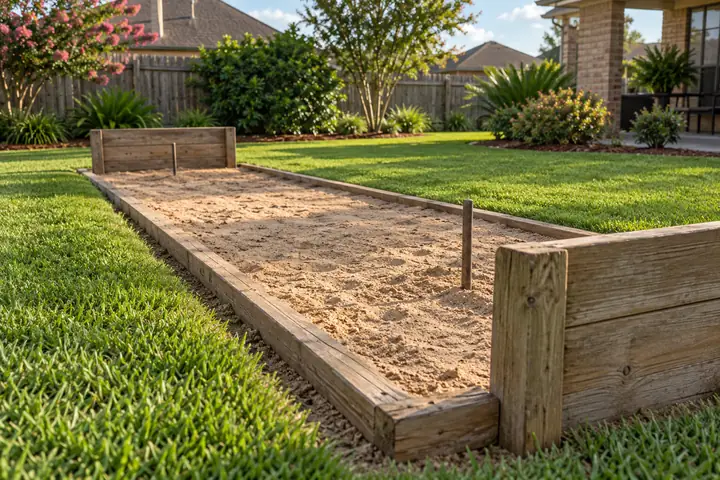
Horseshoe Pits and Lawn Edges
A backyard game area can stay ready for the next pitch while the surrounding grass gets a safe, intentional finish.
Take a closer look ↗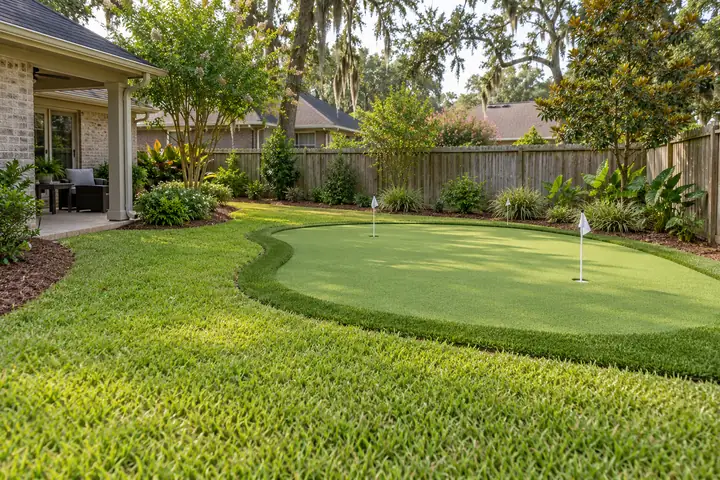
Backyard Putting Greens and Lawn Boundaries
A specialty putting surface needs a clearly defined handoff where everyday lawn care stops.
Take a closer look ↗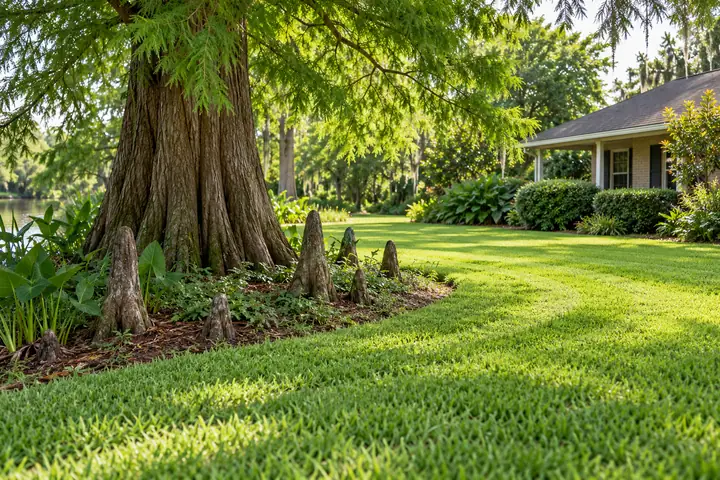
Cypress Knees and Lawn Mowing
Bald cypress belongs in the Louisiana landscape, and its knees need to be treated as fixed tree features rather than lawn bumps.
Take a closer look ↗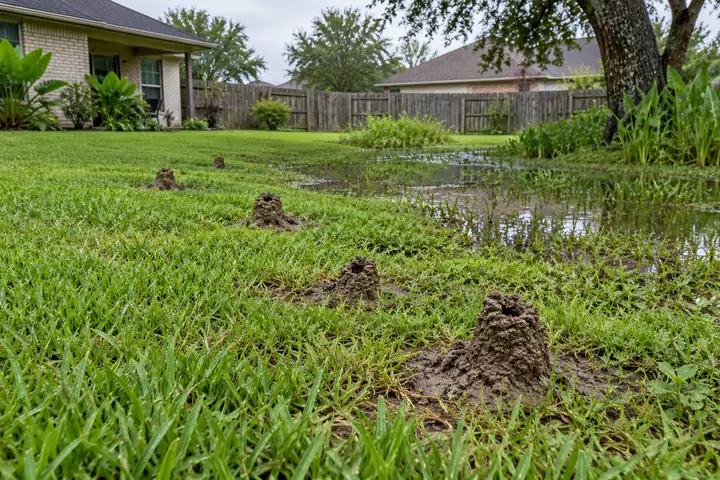
Crawfish Chimneys Before Lawn Mowing
Those little mud towers are a Louisiana clue about what is happening at ground level, and they deserve a clear mowing-day update.
Take a closer look ↗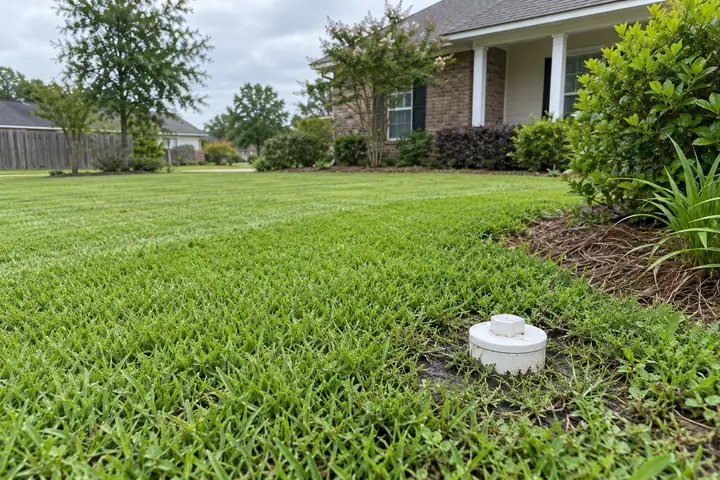
Sewer Cleanouts and Lawn Mowing
A small cap in the grass is part of the plumbing system, so the best mowing plan keeps it visible, stable and completely out of the equipment path.
Take a closer look ↗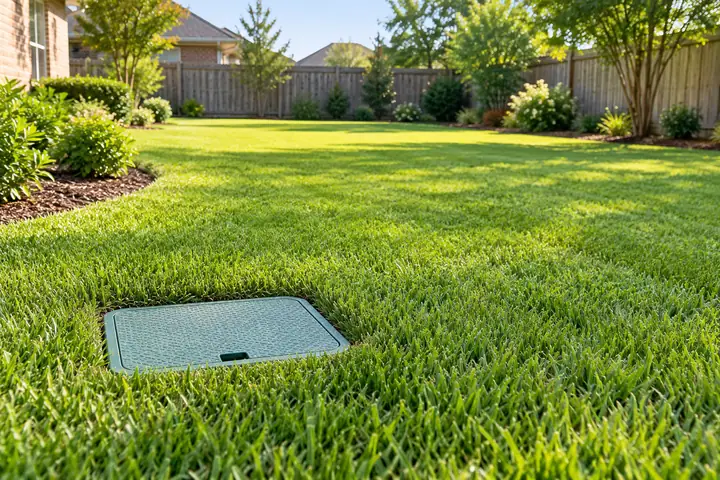
Irrigation Valve Boxes and Lawn Access
A valve-box lid can sit quietly in the turf for years, but a settled edge, cracked cover or wet zone deserves a clear place in the mowing plan.
Take a closer look ↗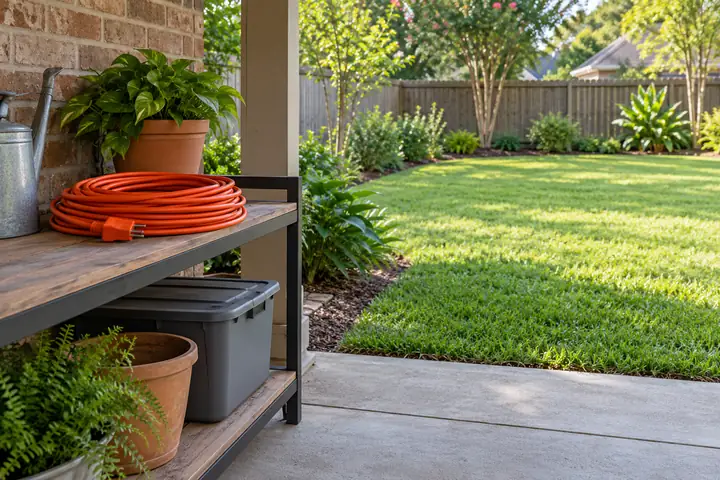
Outdoor Extension Cords Before Lawn Service
An extension cord belongs in the electrical plan, not under grass or mower wheels, so clear and store it before every routine lawn visit.
Take a closer look ↗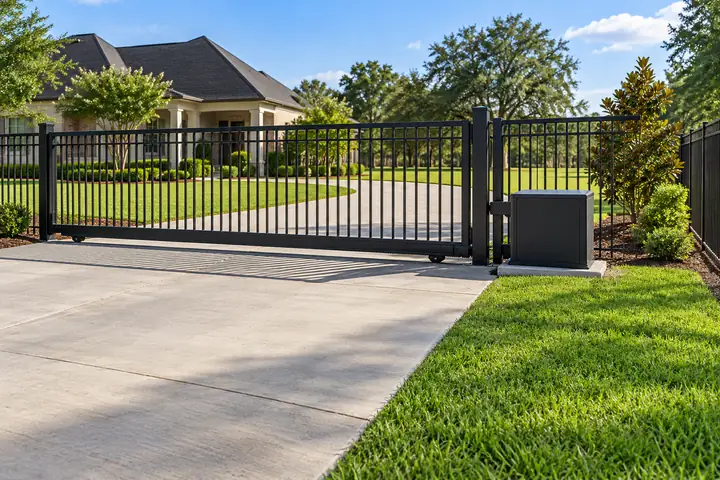
Driveway Gates, Operators and Lawn Access
A moving gate needs its own clear travel zone, so the lawn boundary and service entry should never depend on squeezing through the operator's path.
Take a closer look ↗
Bulkheads, Canal Edges and Lawn Boundaries
Waterside grass needs a conservative stopping point because the lawn can look firm while the bank, bulkhead or edge tells a different story.
Take a closer look ↗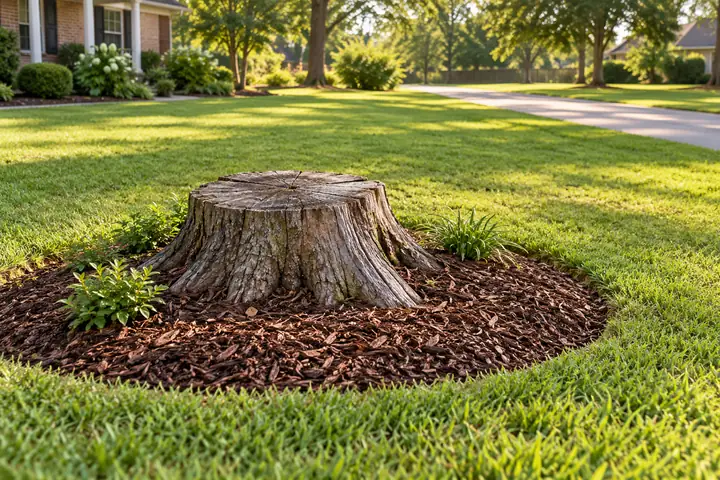
Tree Stumps and Lawn Mowing
An old stump can be low enough to hide and hard enough to damage equipment, so give it a visible boundary instead of treating it like ordinary grass.
Take a closer look ↗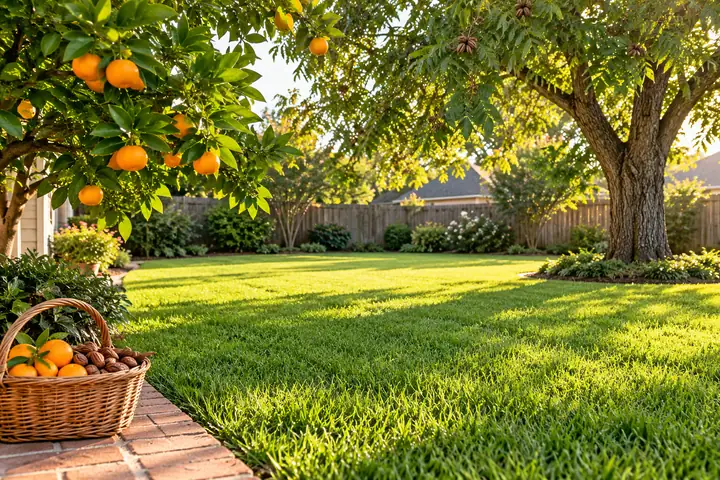
Fallen Fruit, Nuts and Seed Pods Before Mowing
Fruit trees and shade trees can turn an open lawn into a scatter of hard, slippery or hidden objects, so clear the drop before the mower arrives.
Take a closer look ↗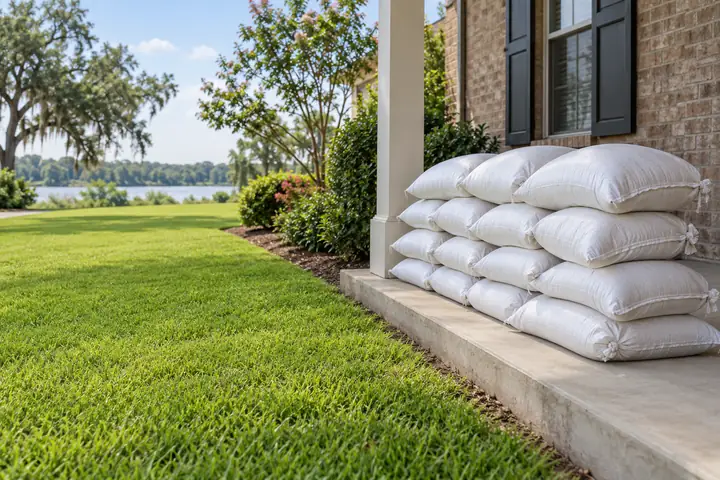
Sandbags, Flood Barriers and Lawn Access
Storm preparation can temporarily take over porches, gates and grass routes, so update the lawn plan before bags and barriers become obstacles.
Take a closer look ↗
Drainage Swales and Lawn Mowing
A shallow grassy channel can be part lawn and part water route, so a happy mowing plan begins by reading its shape, footing and recent rain instead of treating every green strip alike.
Take a closer look ↗
HVAC Condensate Drain Outlets and Lawn Access
A small pipe near the house may release more water than its size suggests, so the lawn plan should keep the outlet visible, the landing area readable and mechanical questions with the right professional.
Take a closer look ↗
Rain Chains, Splash Basins and Lawn Edges
A rain chain can be a beautiful roof-water feature, but the lawn beneath it needs a boundary that stays visible through wind, heavy rain and ordinary mowing days.
Take a closer look ↗
Erosion-Control Wattles, Blankets and Lawn Access
Temporary straw rolls and protective blankets are working parts of a soil-stabilization plan, not bumps for a mower to cross, so the best lawn scope keeps them plainly outside the route.
Take a closer look ↗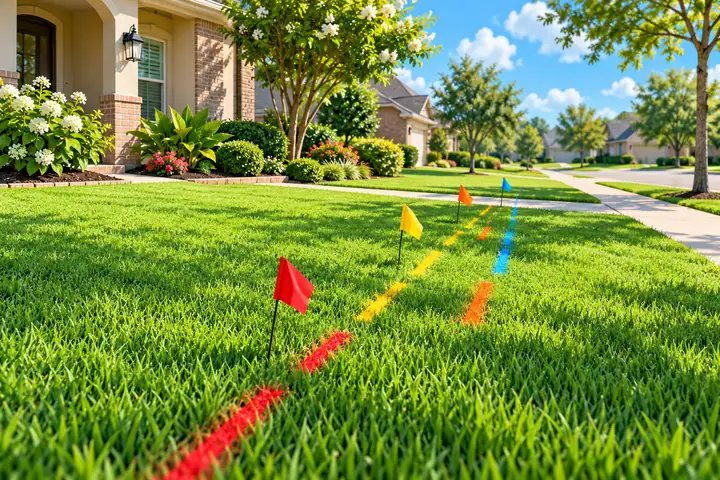
Utility-Locate Flags, Marking Paint and Lawn Visits
Colored flags and paint across the grass may be temporary, but while a locate request or digging project is active they are safety information—not lawn clutter to remove.
Take a closer look ↗
Dog Tie-Out Cables, Ground Anchors and Mowing Day
A thin pet cable can vanish in green grass, so a safe lawn visit starts with the dog secured elsewhere, movable tether equipment stored off the turf and every fixed anchor plainly identified.
Take a closer look ↗
Exposed Landscape Fabric, Edging Pins and Lawn Borders
When black fabric, plastic edging or a metal staple appears at the grass line, the right response is to make it visible and repair the border—not ask a mower to hide the problem.
Take a closer look ↗
Fire Hydrants and Residential Lawn Edges
A hydrant beside the yard is emergency infrastructure first and a lawn feature second, so mowing should preserve visibility, access and the responsible authority’s requirements.
Take a closer look ↗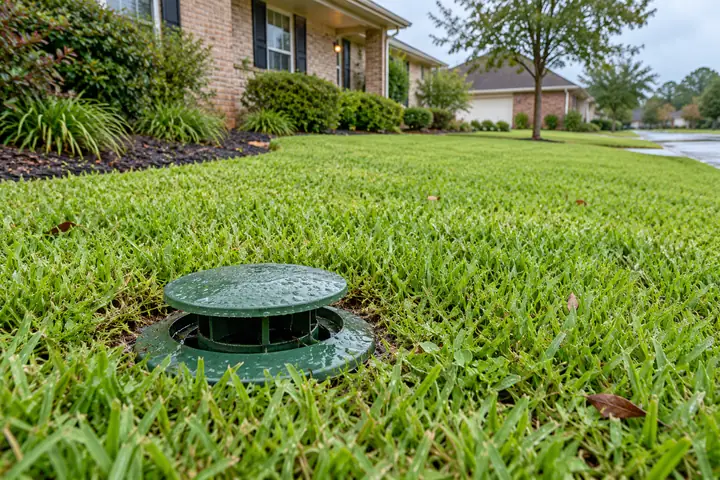
Pop-Up Drainage Emitters and Lawn Mowing
A pop-up emitter can look like a harmless green circle until rain lifts its lid or grass hides its rim. A thoughtful mowing plan protects the small outlet without pretending routine lawn care can diagnose the underground drain behind it.
Take a closer look ↗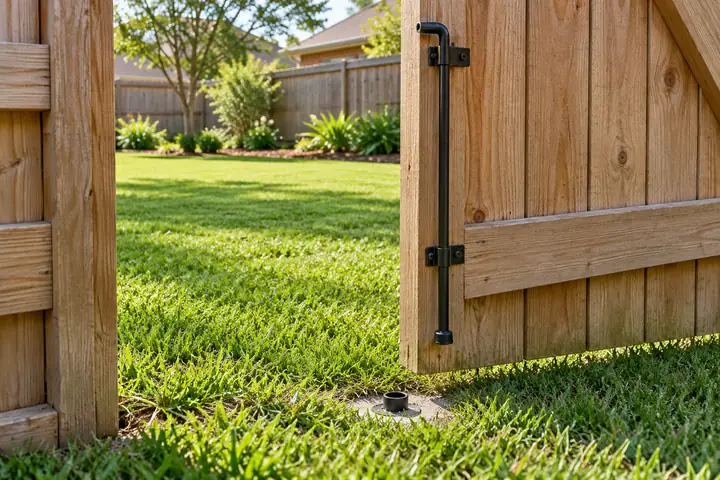
Fence Gate Drop Rods, Cane Bolts and Lawn Access
A drop rod can hold a wide gate steady, but the same hardware can disappear into grass or hang in the mower route. Service-day preparation should secure the gate and make the rod, receiver and threshold easy to read.
Take a closer look ↗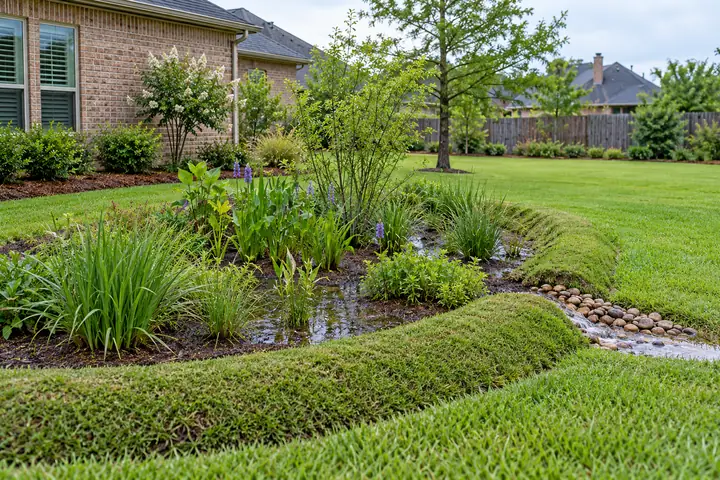
Rain Garden Berms and Lawn Edges
A rain garden is a planted basin, not a wet patch to mow flat. The lawn route belongs around its berm, overflow and planted center so the feature can keep slowing runoff while the surrounding grass stays neat.
Take a closer look ↗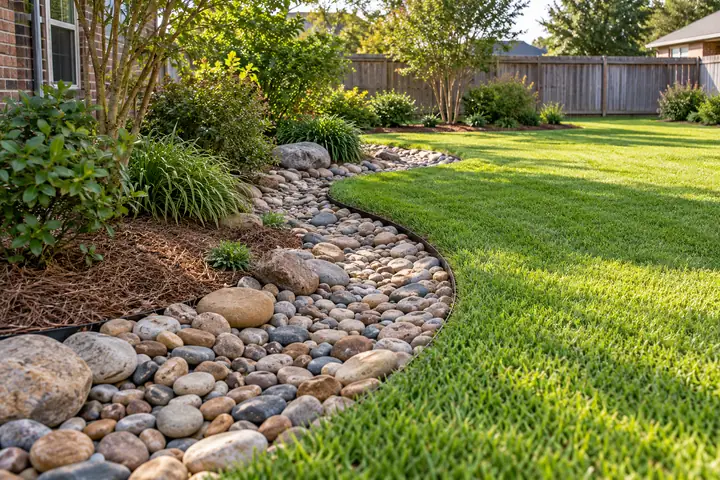
Dry Creek Beds and Lawn Borders
A dry creek bed is a stone-lined landscape channel, not a gravel shortcut for lawn equipment. Defining its edges and crossings keeps loose rock out of the mower while preserving the feature’s intended path.
Take a closer look ↗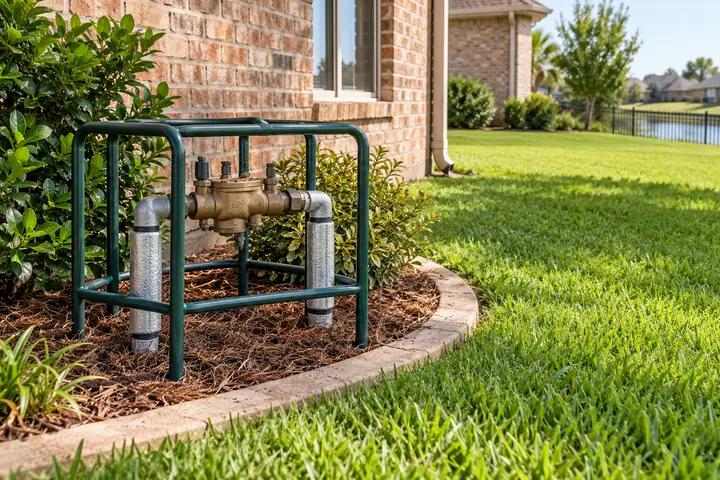
Irrigation Backflow Preventers and Lawn Access
An irrigation backflow preventer is plumbing safety equipment, not a post to trim against. Clear access, stable footing and a visible lawn boundary keep routine yard work from interfering with a device that belongs to a licensed irrigation or plumbing professional.
Take a closer look ↗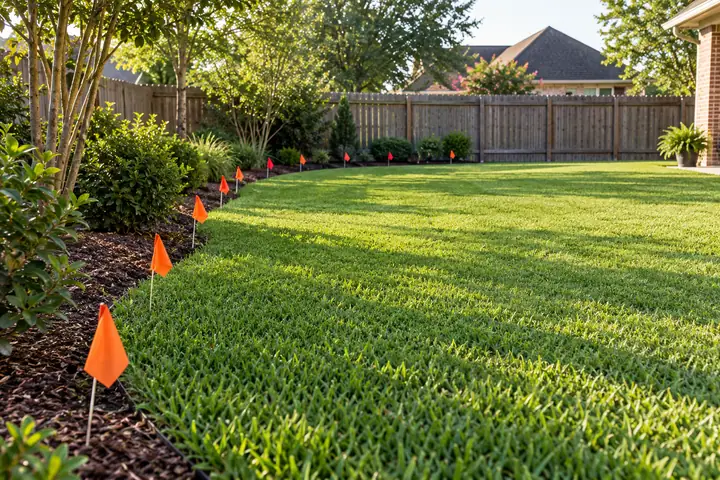
Underground Pet-Fence Boundary Flags and Lawn Visits
Keep training flags visible, pet containment dependable and mowing routes predictable while an underground boundary is being introduced or refreshed.
Take a closer look ↗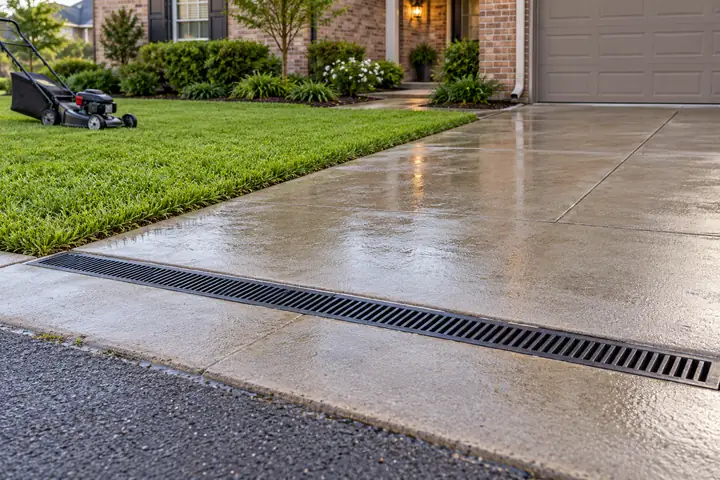
Driveway Trench Drains and Lawn Edges
Maintain a clean, visible turf boundary around linear driveway drains without sending clippings into the channel or equipment over an uncertain grate.
Take a closer look ↗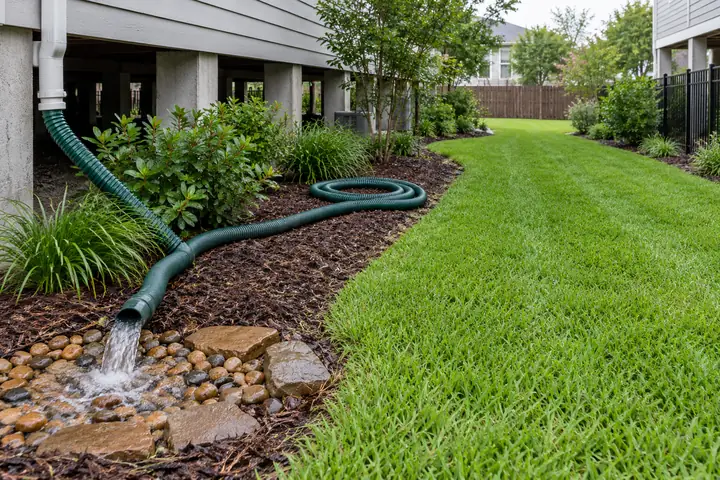
Sump-Pump Discharge Hoses and Lawn Access
Protect a temporary or permanent discharge route from mower contact while keeping the surrounding Westbank turf serviceable and clear.
Take a closer look ↗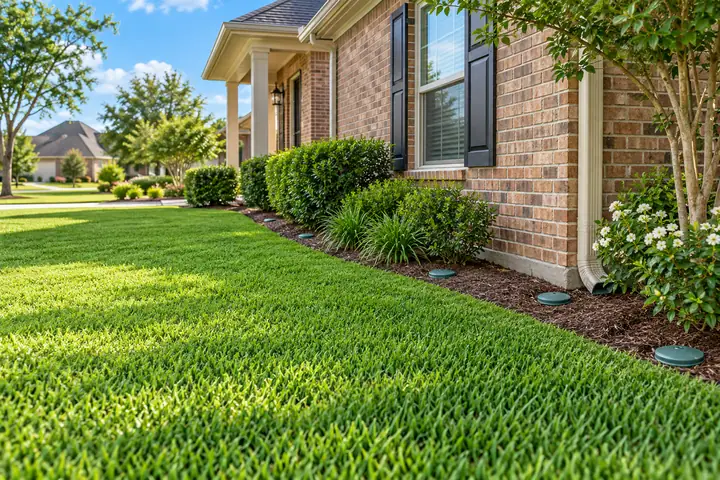
Termite Bait Stations and Lawn Mowing
Those little round caps along the house are easy to mistake for spare irrigation covers. If they belong to a termite monitoring or bait system, however, their location and condition matter to the pest professional who services them. A clear lawn plan protects the stations without turning mowing into pest control.
Take a closer look ↗
Robotic Mower Boundary Wires, Charging Docks and Lawn Visits
A robotic mower may handle daily touch-ups while Happy handles a scheduled cut, edging or cleanup. The two systems can share a yard only when the robot, dock, power lead and boundary arrangement are treated as active equipment rather than lawn ornaments.
Take a closer look ↗
Roofing Nails, Debris and the Next Lawn Visit
A finished roof does not always mean the yard is ready for a mower. Nails, wire, shingle fragments, flashing scraps and packaging can travel far from the work zone. The first lawn visit should begin with a documented handoff, not a hopeful pass through the grass.
Take a closer look ↗
Exterior Painting, Ladders, Drop Cloths and Lawn Access
Fresh paint and a clean lawn can complement each other, but active painting creates changing ground rules. Ladders, tarps, cords, wet surfaces and open containers need a separate work zone before mowing or trimming starts.
Take a closer look ↗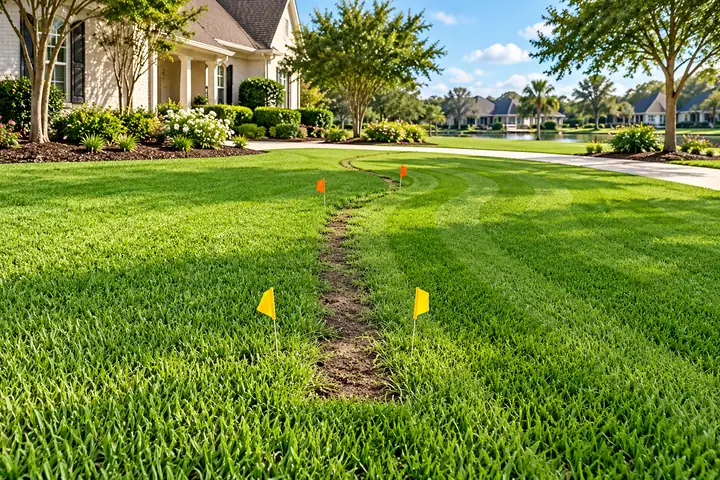
Backfilled Utility Trenches and First Lawn Mowing
A closed trench can still behave like a construction area. Loose fill settles, rain softens the line and utility markings may remain active. The first mowing should follow a documented recovery route instead of treating the new strip like established turf.
Take a closer look ↗
Crawlspace Access Doors, Foundation Vents and Lawn Routes
Raised and vented foundations put important building openings close to the lawn edge. A tidy perimeter should keep those doors and vents visible without blowing debris inside, blocking access or pretending lawn care includes crawlspace inspection.
Take a closer look ↗
Pool Deck Channel Drains and Lawn Edges
A narrow grate between pool deck and grass does quiet work during rain and splash. It also creates a hard, segmented edge where wheels, clippings and bare feet meet. A good lawn plan keeps the grate visible without treating Happy Grass as a pool or drain contractor.
Take a closer look ↗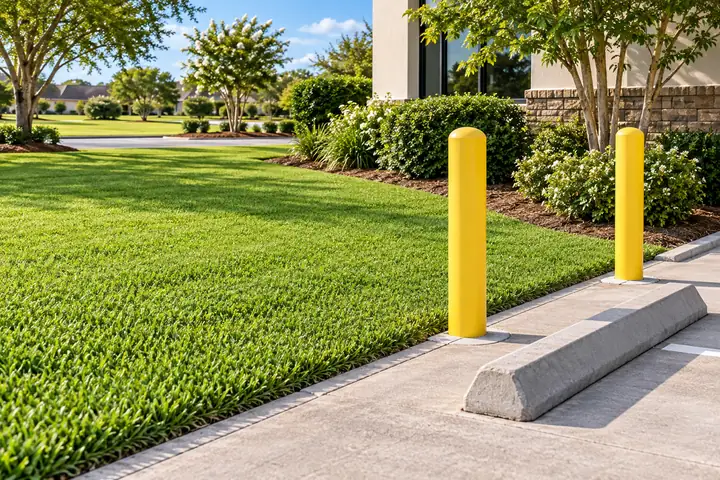
Bollards, Wheel Stops and Lawn Edges
Parking barriers look simple until grass grows behind them and vehicles arrive from both directions. Fixed bollards, concrete wheel stops and curb ends need a lawn route that protects people, equipment, painted surfaces and the business's active parking pattern.
Take a closer look ↗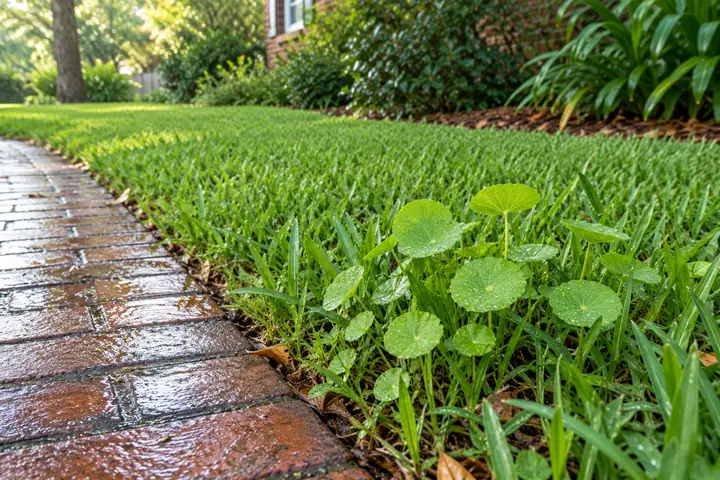
Dollarweed in a Damp Lawn: Read the Patch Before Changing the Plan
Use leaf attachment, water timing and patch boundaries to understand a dollarweed-like area without guessing at a drainage problem.
Take a closer look ↗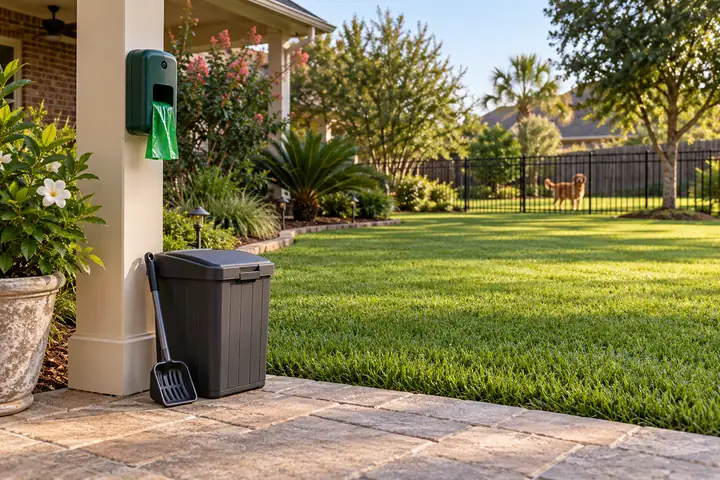
Pet Waste Before Lawn Service
A tidy dog yard starts before the mower arrives. Picking up pet waste gives the crew a clear surface, keeps equipment from spreading it and leaves your family with a more usable lawn after the visit. A short, reliable preparation routine works better than trying to hide the problem with a lower cut.
Take a closer look ↗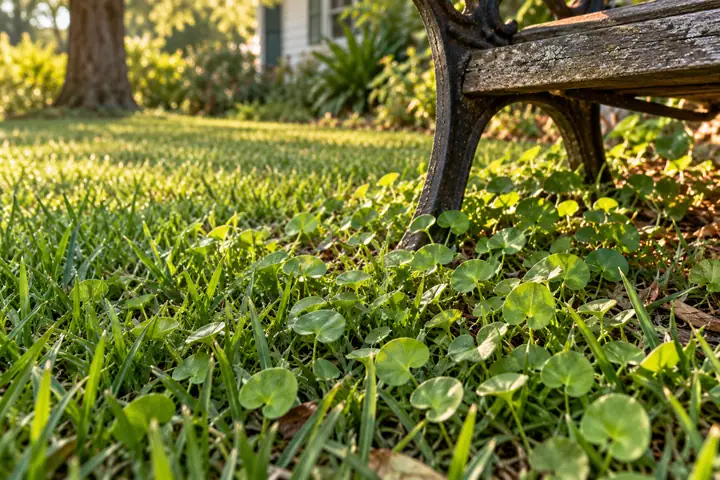
Dichondra in a Mixed Lawn: Follow the Low-Growing Layer
Understand kidney-shaped leaves, creeping stems and the difference between intentional ground cover and an unwanted lawn patch.
Take a closer look ↗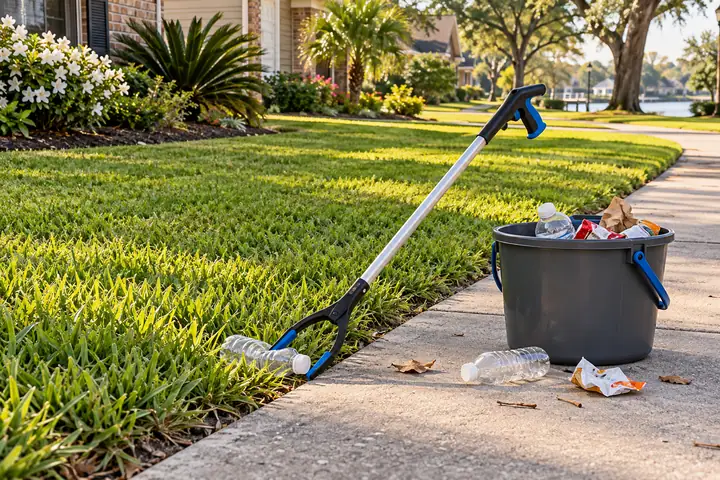
Litter, Broken Glass and the Lawn Before Mowing
A bottle near the curb is easy to spot. The smaller pieces left behind after it breaks are not. Before mowing, separate ordinary litter pickup from a hazardous debris problem and give the crew a surface that can be worked without turning hidden objects into projectiles.
Take a closer look ↗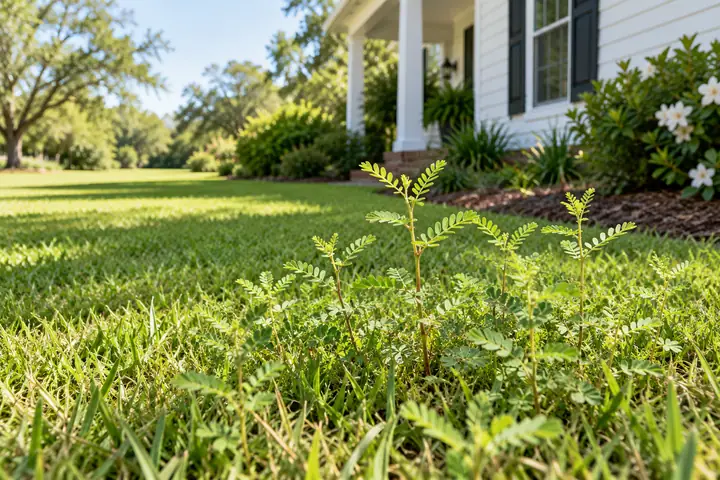
Chamberbitter Before Mowing: Check the Underside of the Branch
Read the small-leaved upright plant, hidden fruit and lawn-to-bed pattern before treating it as ordinary grass growth.
Take a closer look ↗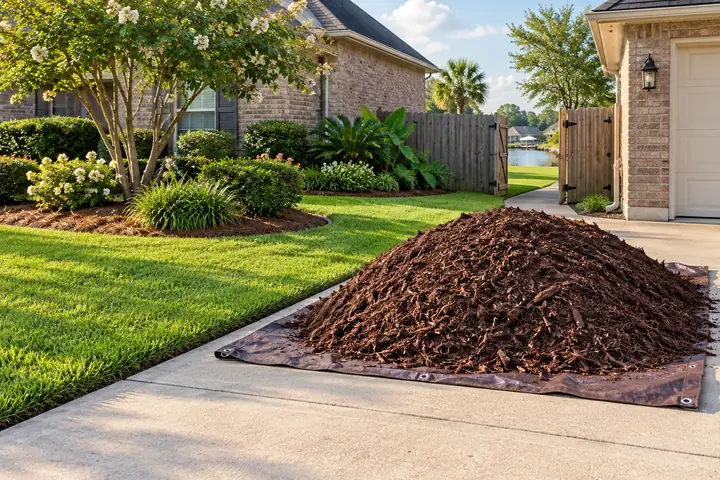
Mulch Deliveries and Lawn-Mowing Access
A fresh mulch delivery can make the beds look ready for a new season while temporarily closing the lawn's best entrance. Choose the drop spot, wheelbarrow path and cleanup handoff before the truck arrives so the grass can stay part of a workable property plan.
Take a closer look ↗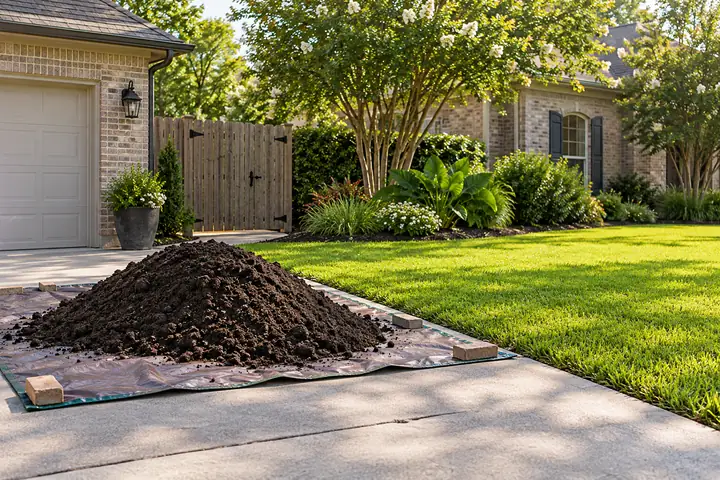
Topsoil Piles, Yard Deliveries and Lawn Access
A load of soil can be the start of a useful landscape project, but it changes the mowing route immediately. Pile placement, spill cleanup and the final grade need a clear owner before ordinary lawn service resumes around the work.
Take a closer look ↗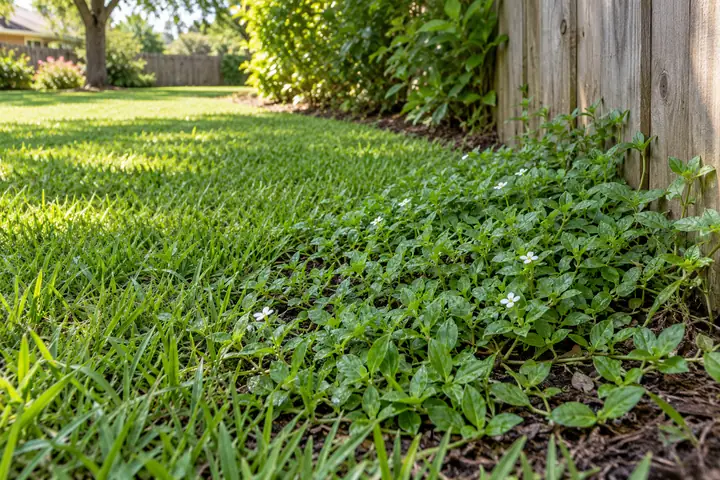
Virginia Buttonweed and Mowing: Manage the Mat as a Separate Problem
Understand paired leaves, four-petaled flowers, low growth and plant fragments before judging a lawn visit by its freshly cut appearance.
Take a closer look ↗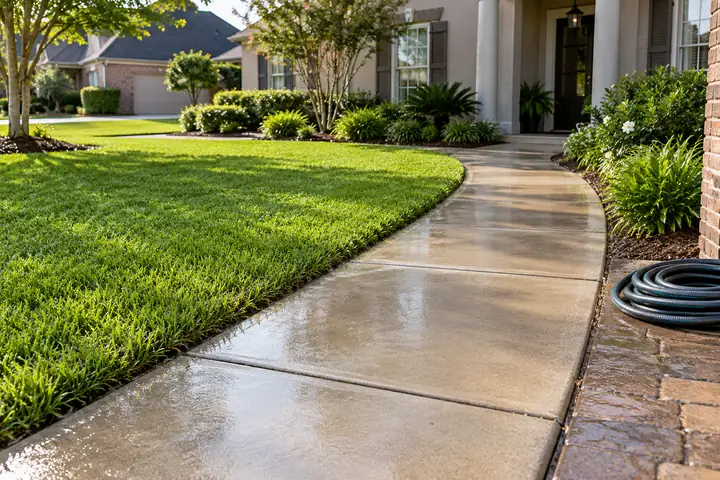
Lawn Service After Pressure Washing
Clean concrete and freshly cut grass look good together, but the order matters. A washing visit can leave wet turf, hoses, moved furniture and residues beside the lawn. Give Happy a clear handoff so the next cut complements the cleaning instead of tracking mud or clippings across it.
Take a closer look ↗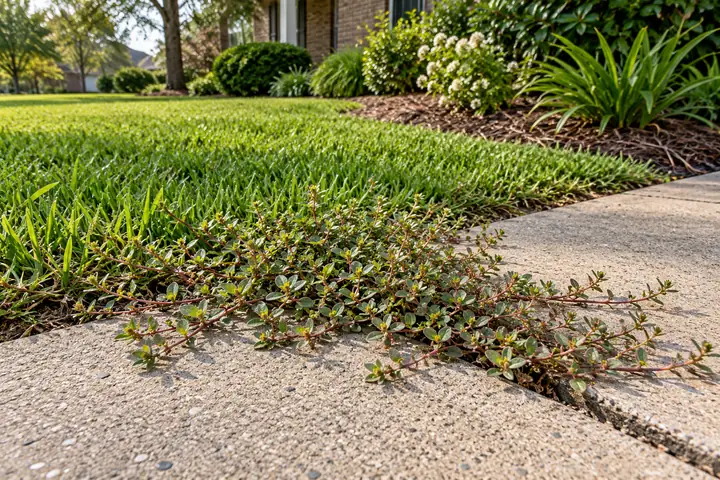
Spotted Spurge at Lawn Edges: Read the Mat and the Surface
Separate a low branching weed from the grass edge, pavement joint and planting bed it occupies.
Take a closer look ↗
Concrete Work, Washout Residue and the Next Lawn Cut
A new patio or walkway changes more than the hardscape. Forms, stakes, aggregate, washout and soft backfill can remain beside the grass after the pour. The first lawn visit needs a contractor handoff that makes the completed surface and the unfinished perimeter easy to tell apart.
Take a closer look ↗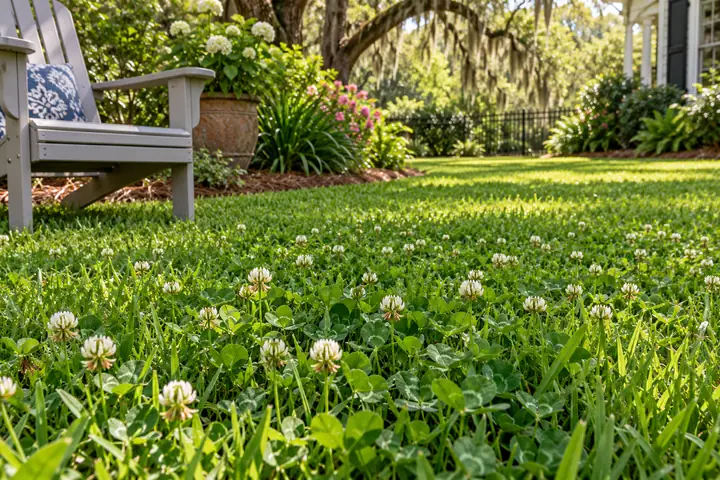
White Clover in the Lawn: Choose the Patch You Want to Keep
Make a clear decision about flowers, walking routes and grass continuity before requesting clover removal or a different mowing finish.
Take a closer look ↗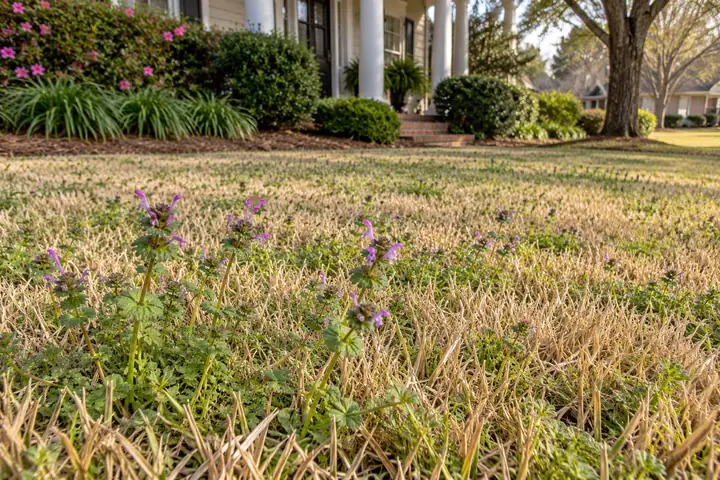
Henbit in a Cool-Season Lawn: Read the Purple Flowers and the Grass Below
Distinguish flowering winter annuals from warm-season turf growth before changing the mowing request.
Take a closer look ↗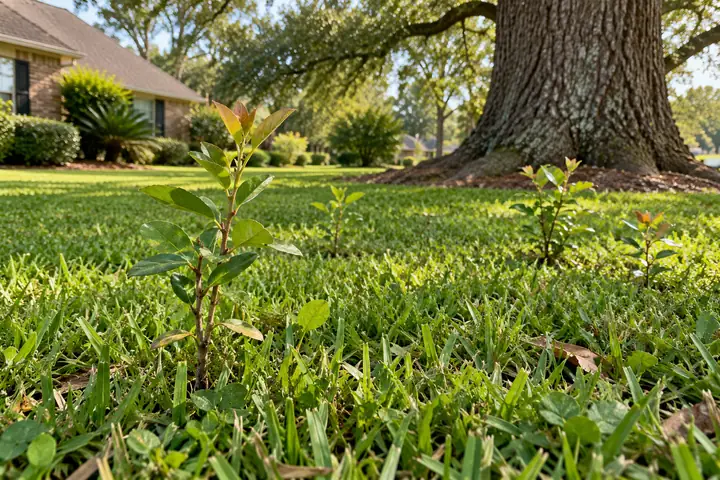
Woody Seedlings in the Lawn Before Mowing
One small green stem can be a volunteer tree, an intentional planting or a shoot connected to an established root. Before it disappears under a mower, decide what should stay and which plants need a separate removal conversation. A little identification protects both the grass and the owner's plans.
Take a closer look ↗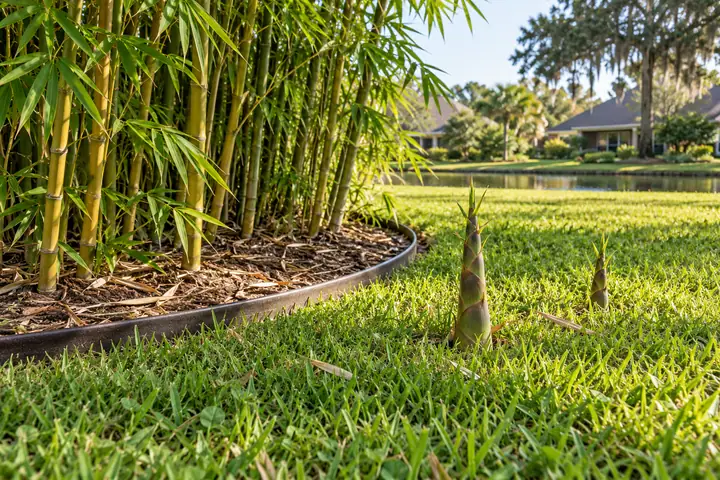
Bamboo Shoots at the Lawn Boundary
Bamboo can make a handsome screen while sending a surprisingly stiff shoot into the next mowing lane. Treat the visible growth as a boundary change that deserves identification and a plan. Routine grass cutting should not become an improvised bamboo-removal project.
Take a closer look ↗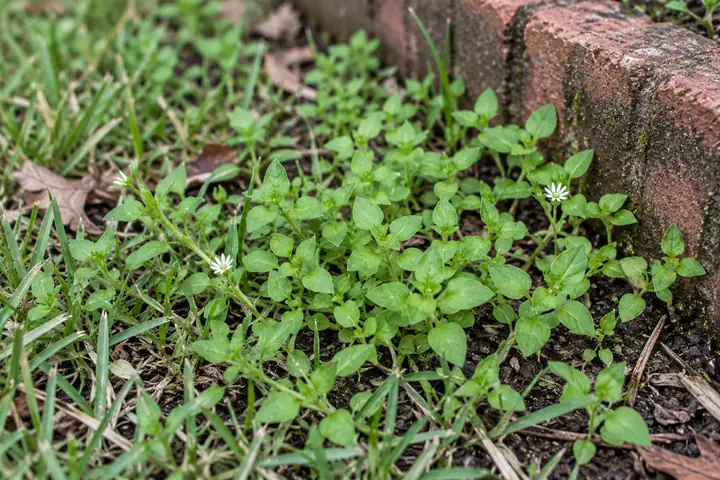
Common Chickweed Mats: Look Beneath the Tiny White Flowers
Read paired leaves, deeply divided petals and a low branching carpet before confusing it with grass growth or another chickweed.
Take a closer look ↗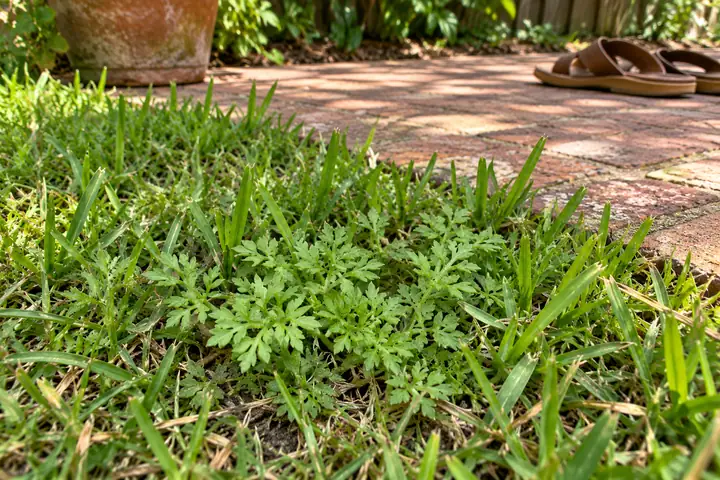
Lawn Burweed and Barefoot Yard Use: Separate the Plant from the Burs
Recognize low finely divided foliage early, and understand why dead plants do not prove an area is free of sharp burs.
Take a closer look ↗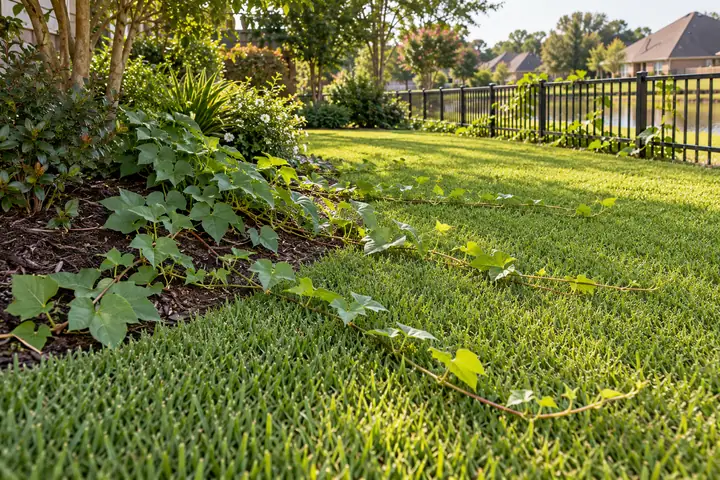
Vine Runners Crossing the Lawn Edge
A vine can look decorative on a trellis and become a different problem when its runners reach the mowing lane. Before trimming, decide which growth is intentional, where the boundary belongs and whether the plant needs identification beyond an ordinary lawn visit.
Take a closer look ↗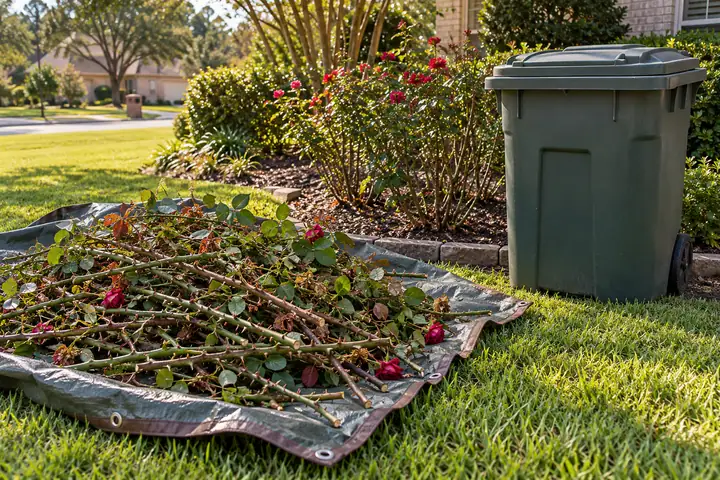
Thorny Prunings Before Lawn Mowing
Rose canes and other prickly cuttings can hide in grass long after the pruning pile is moved. Before the next lawn visit, finish the collection and inspect the route used to carry it. A tidy shrub does not yet mean the surrounding lawn is clear.
Take a closer look ↗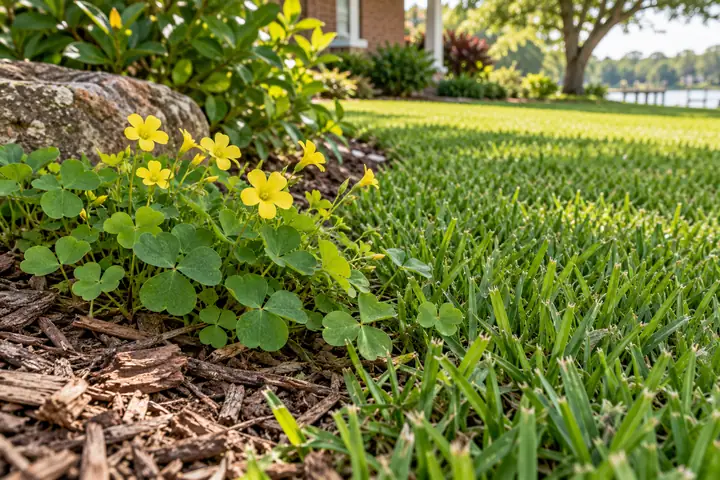
Yellow Woodsorrel Beside a Lawn: Read the Hearts, Flowers and Capsules
Distinguish three heart-shaped leaflets from clover and review the lawn-to-bed boundary before choosing work.
Take a closer look ↗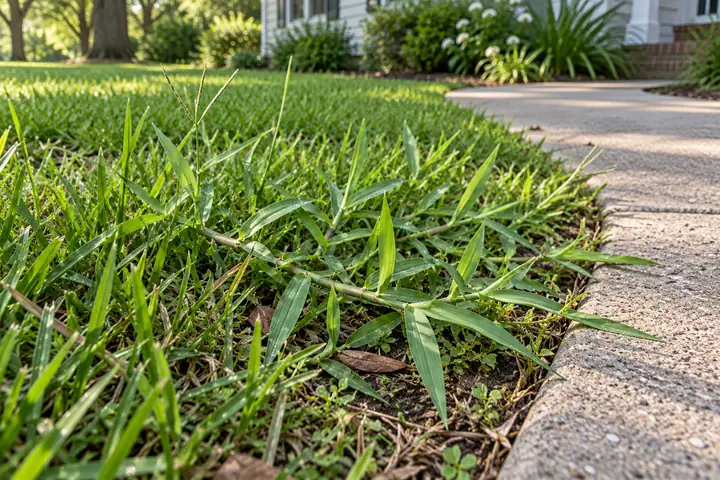
Crabgrass Patches Before Mowing: Read the Spread, Not Just the Height
Compare jointed spreading stems, the intended turf and the open ground beneath a crabgrass-like patch.
Take a closer look ↗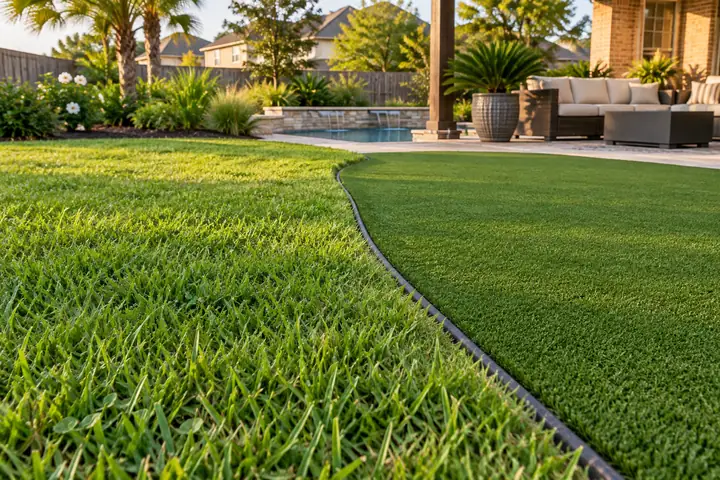
Where Artificial Turf Meets Natural Grass
A yard can have living grass on one side and a synthetic play or seating surface on the other. The seam needs a deliberate lawn-care boundary. Mowing, edging and blowing should protect the installed surface while giving the real grass an appropriate cut.
Take a closer look ↗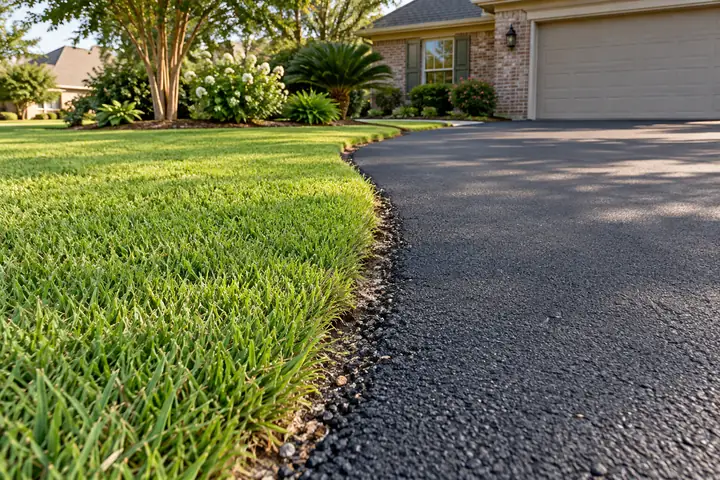
Asphalt Driveway Borders and Lawn Care
An asphalt driveway rarely has the perfectly square lawn edge of a new concrete walk. Crumbling shoulders, loose aggregate and fresh coatings need a careful finish. The lawn can look tidy without asking an edger or mower tire to reshape the paving.
Take a closer look ↗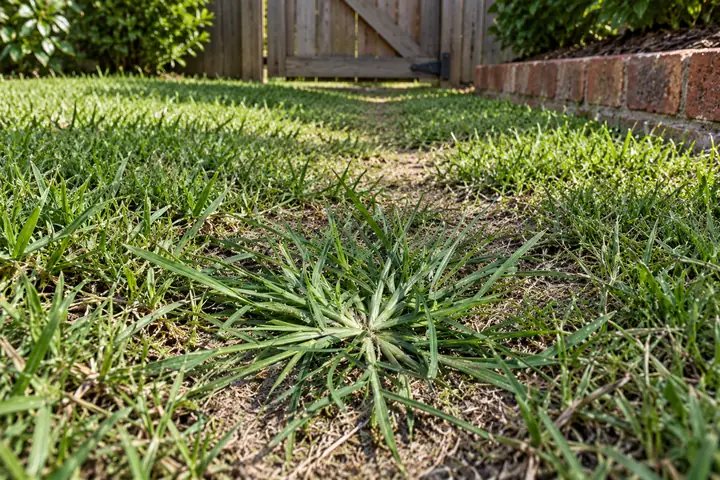
Goosegrass Near a Gate Route: Read the Pale Rosette and the Wear Pattern
Distinguish a flattened grassy plant from ordinary turf and inspect repeated traffic without diagnosing soil from a weed alone.
Take a closer look ↗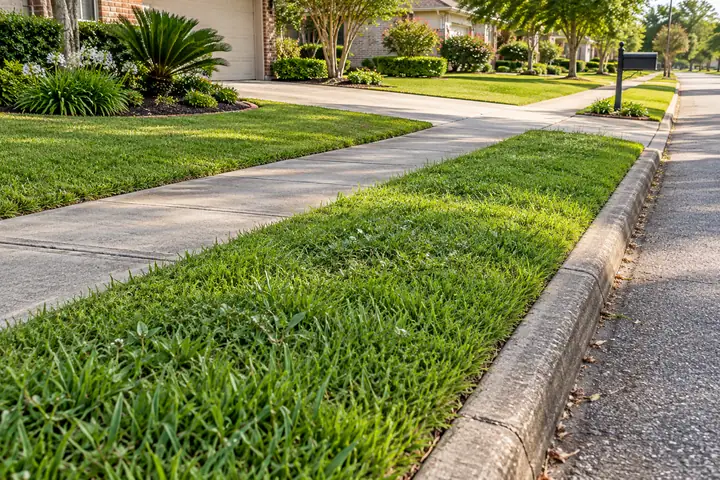
Curbside Grass Strips Between Sidewalk and Street
That narrow ribbon of grass beside the curb has two audiences: people walking past and vehicles moving beside it. It also has two edges, frequent driveway breaks and plenty of hidden details. A clear service boundary makes the strip easier to maintain without treating the street as extra working room.
Take a closer look ↗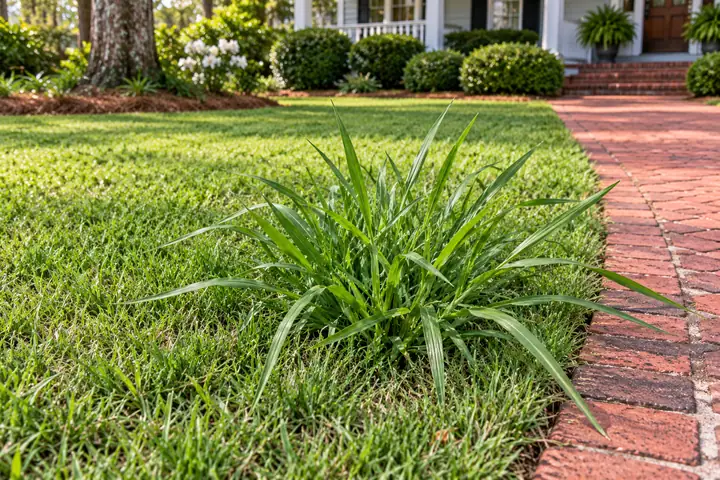
Dallisgrass Clumps in a Lawn: Separate Coarse Growth from Uneven Ground
Read the persistent bunch, attached seed head and desired turf around it before asking for another lower cut.
Take a closer look ↗
EV Charging Equipment Beside the Lawn
A charging cable can reach from a driveway to a vehicle while quietly crossing the next mower pass. Before lawn service, place the charging setup in its intended safe state and keep every cable, pedestal and connection outside the grass route.
Take a closer look ↗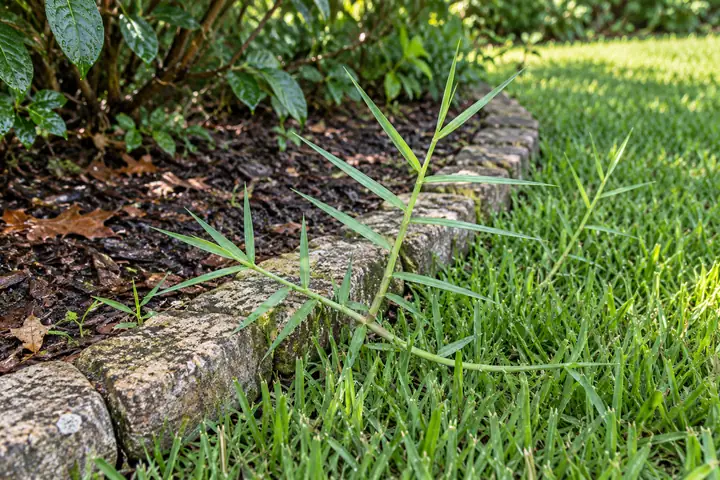
Torpedograss at Lawn Borders: Think Beyond the Visible Shoot
Read stiff grassy growth, persistent border crossings and soil-movement history without assuming trimming contains underground stems.
Take a closer look ↗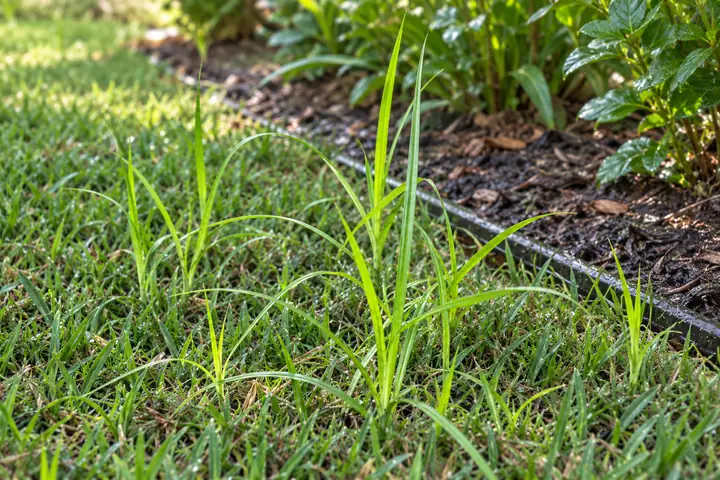
Nutsedge-Like Growth Between Lawn Visits: Understand the Upright Shoots
Compare sedge features, regrowth timing and underground persistence before treating bright new tips as missed grass.
Take a closer look ↗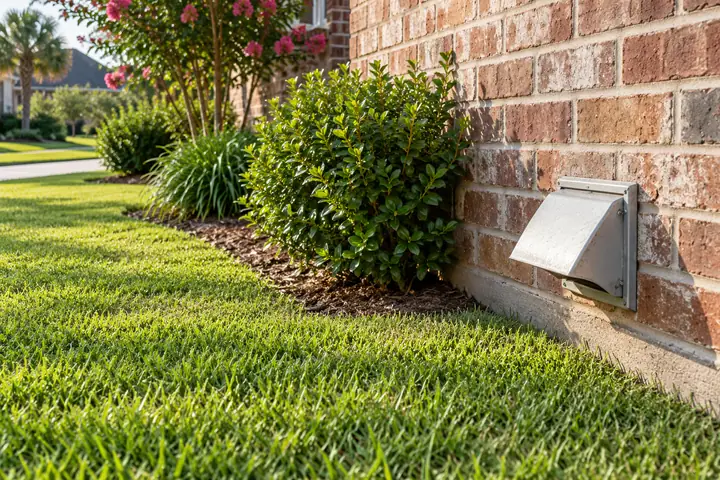
Outdoor Dryer Exhaust Outlets and Lawn Edges
A low dryer hood can sit just above the grass where clippings and mulch collect. Keep that small opening visible during lawn care while leaving duct cleaning, appliance testing and repairs to the people qualified to perform them.
Take a closer look ↗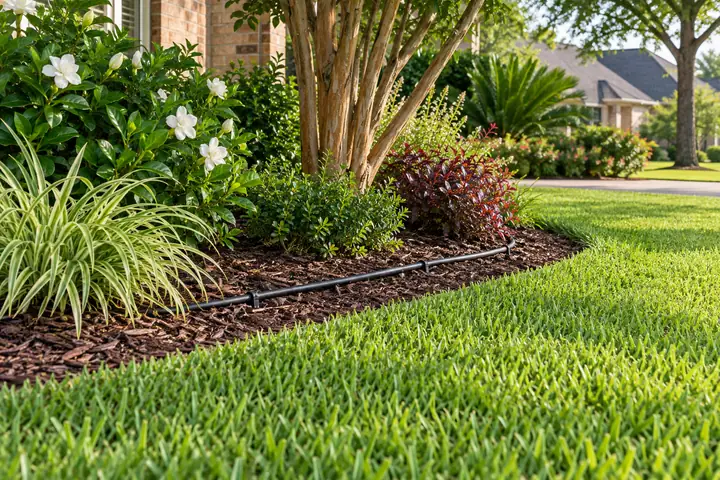
Drip Irrigation Tubing at the Lawn Border
A black irrigation tube can disappear against mulch until a runner pulls it across the grass edge. Before mowing or edging, identify the tubing route, its connectors and the person responsible for securing it. A little visibility can prevent a small lawn finish from becoming a water-system repair.
Take a closer look ↗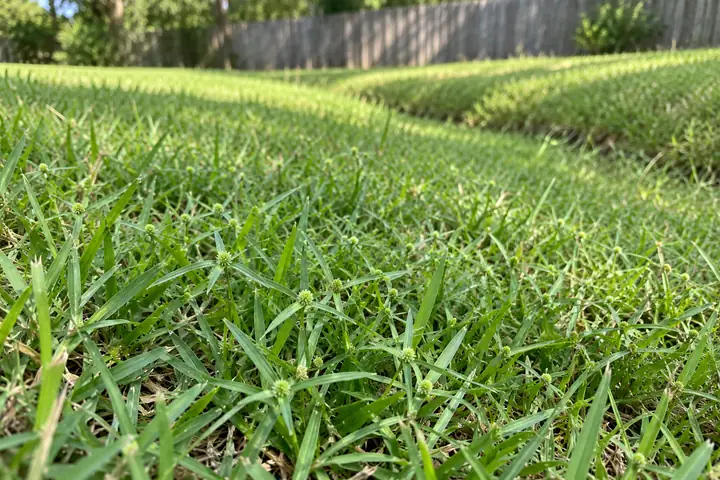
Green Kyllinga-Like Mats: Read the Fine Texture and Round Heads
Understand a low sedge mat, its spreading edge and the difference between shortened growth and management of rhizomes.
Take a closer look ↗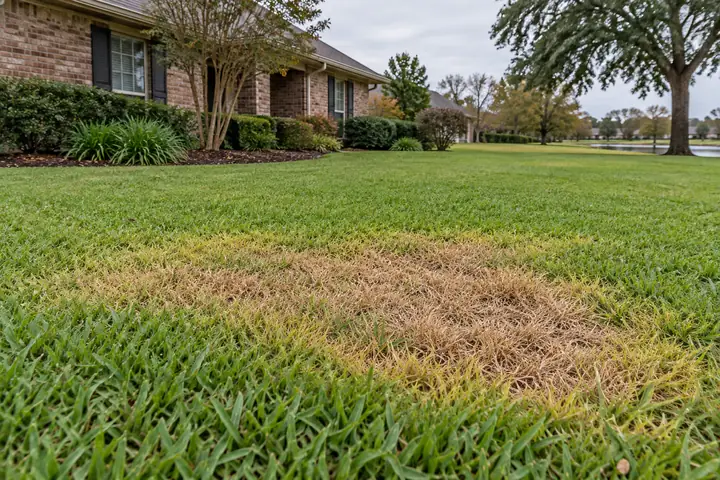
Large Patch in Warm-Season Lawns: Understand the Ring Before Choosing Work
Learn why discolored patches, injured leaf sheaths and slow seasonal recovery need a diagnosis separate from an ordinary mowing request.
Take a closer look ↗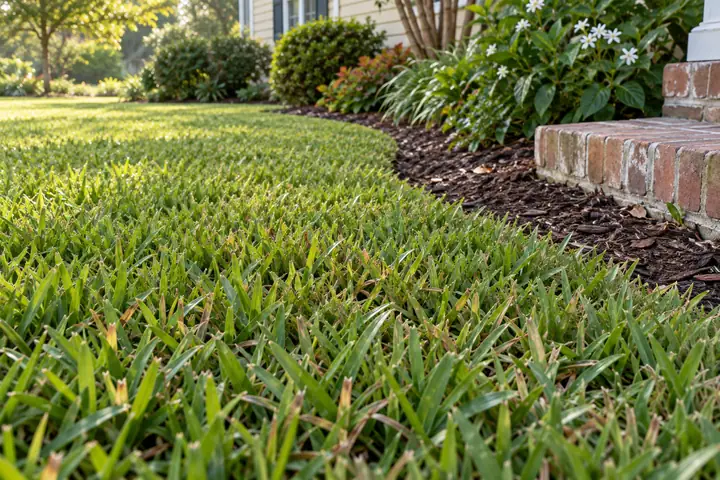
Gray Leaf Spot in St. Augustinegrass: Read the Leaf Before Naming the Brown Lawn
Small blade lesions, summer thinning and a broad brown cast call for a closer look. Learn which observations help distinguish a leaf problem from a patch diagnosis.
Take a closer look ↗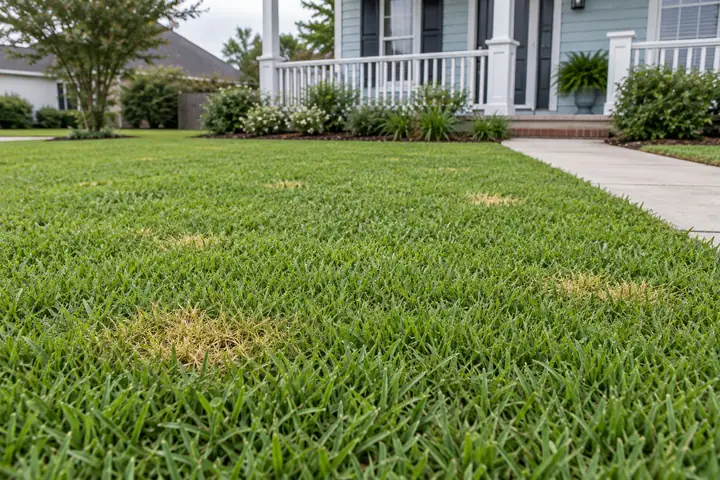
Dollar Spot in a Home Lawn: Small Pale Patches Need a Closer Comparison
Coin-sized marks can merge, disappear into taller grass or resemble other injury. Compare affected leaves, patch distribution and dew observations before choosing a response.
Take a closer look ↗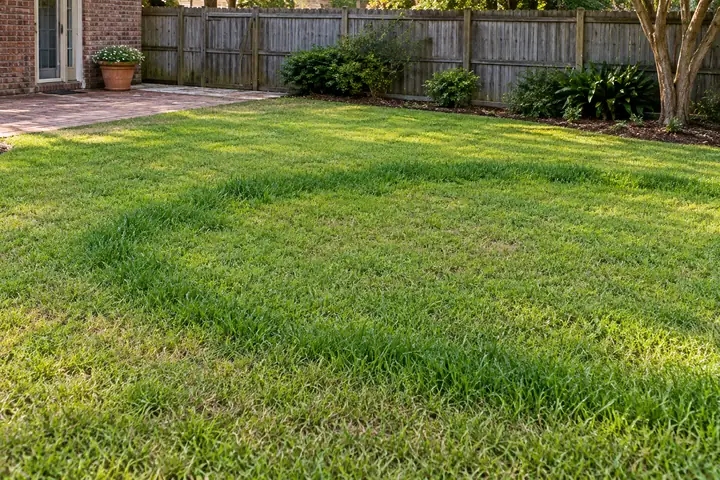
Fairy Rings in a Lawn: Separate the Green Arc, Dry Band and Mushrooms
A curved growth pattern can involve different processes beneath the grass. Understand the symptom types before treating every ring as a dead patch or every mushroom as lawn disease.
Take a closer look ↗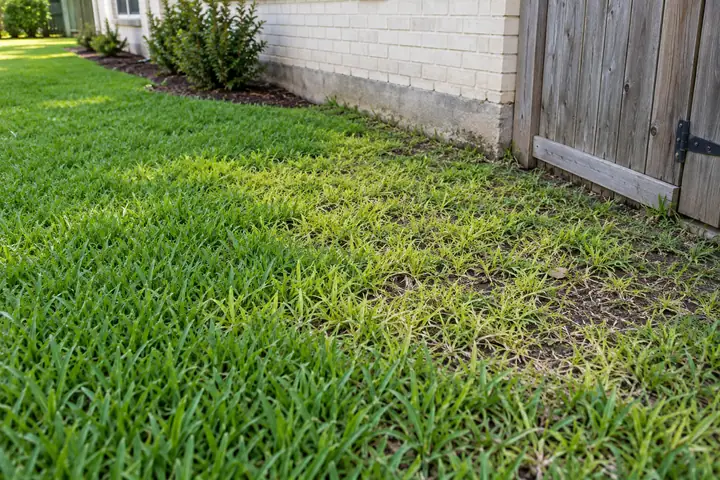
Take-All Root Rot: Why a Yellow Lawn Can Need a Below-Ground Answer
Yellowing and thinning can be the visible result of a root problem. Learn why the plant parts, stress history and diagnostic question matter more than a brown-patch label.
Take a closer look ↗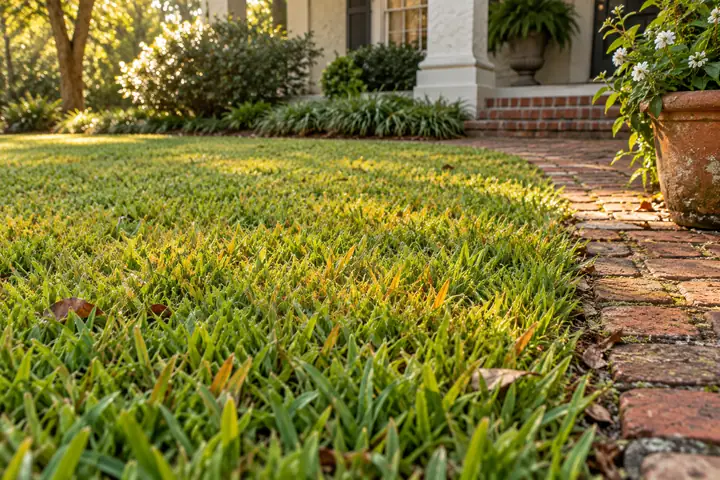
Orange Powder on Grass: Understanding Turf Rust Before the Next Cut
Rust-colored residue can draw attention before the lawn itself looks different. Look for the relationship between leaf pustules, slow growth and the material that transfers from the canopy.
Take a closer look ↗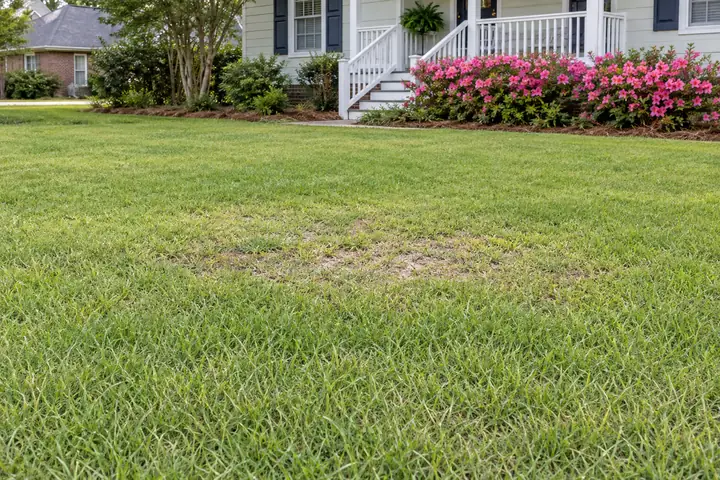
Centipedegrass Decline: A Lawn Problem with More Than One Possible Contributor
Failure to green up, later thinning and a history of chasing dark color call for a species-specific review. Understand why decline is a condition to investigate rather than one automatic treatment.
Take a closer look ↗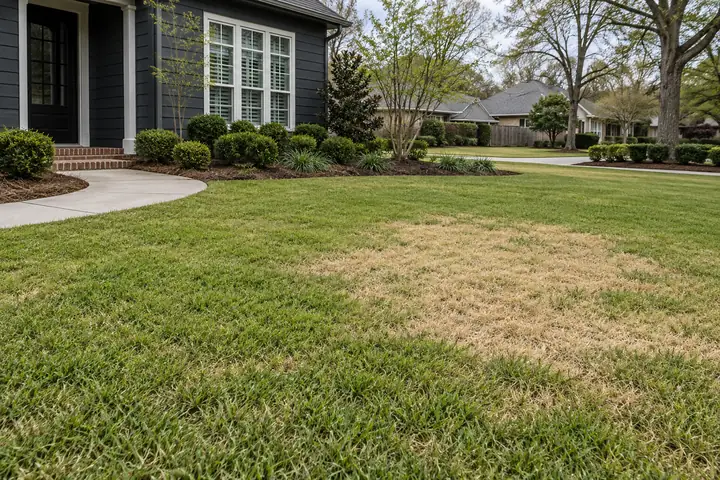
Bermudagrass Spring Dead Spot: When the Surrounding Lawn Greens Up First
A pale area exposed during spring green-up can reflect an earlier problem below the canopy. Separate the seasonal pattern, surviving grass and assessment before planning the next cut.
Take a closer look ↗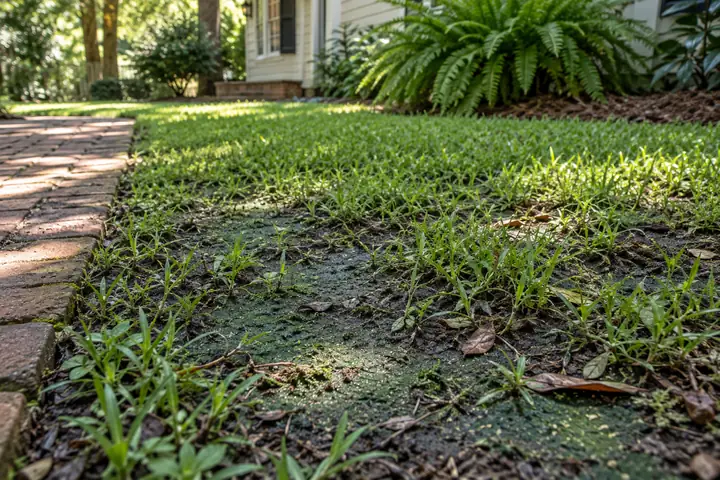
Green Film and Dark Soil Crust in a Thin Lawn
When a wet green film dries into a dark crust, the surface beneath the grass deserves attention. Separate that layer from leaf disease, moss and ordinary exposed soil.
Take a closer look ↗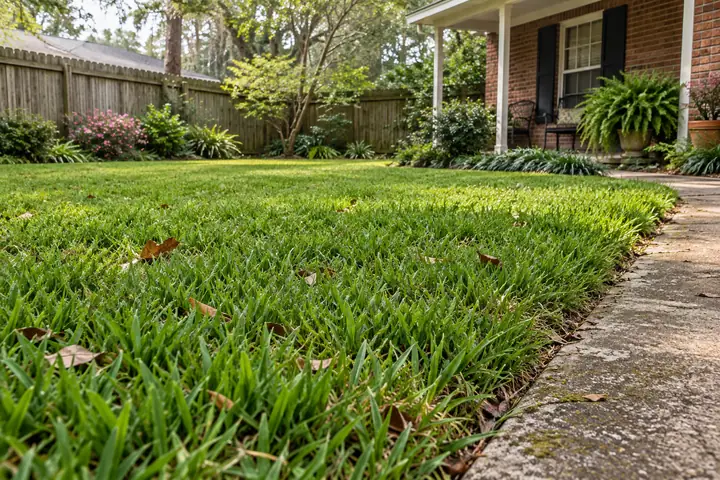
Thatch Beneath the Lawn: Read the Layer Before Blaming the Clippings
A springy lawn surface can hide a layer of interwoven plant material. Learn how that layer differs from loose clippings, soft soil and the ordinary living canopy.
Take a closer look ↗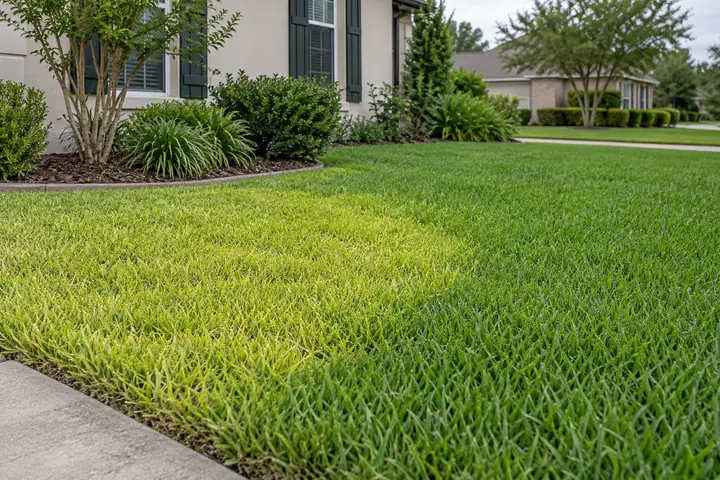
Yellow New Leaves in the Lawn: Understanding the Iron Question
The age of the yellow leaves can be more informative than the lawn's overall shade. Separate iron availability, nitrogen assumptions and cosmetic greening before choosing a response.
Take a closer look ↗
Salt Exposure and Lawn Decline: Separate the Water Source from the Soil Question
A known salt exposure can affect turf differently from ordinary rain or a dry spell. Understand why exposure history, water quality and soil conditions belong in the same assessment.
Take a closer look ↗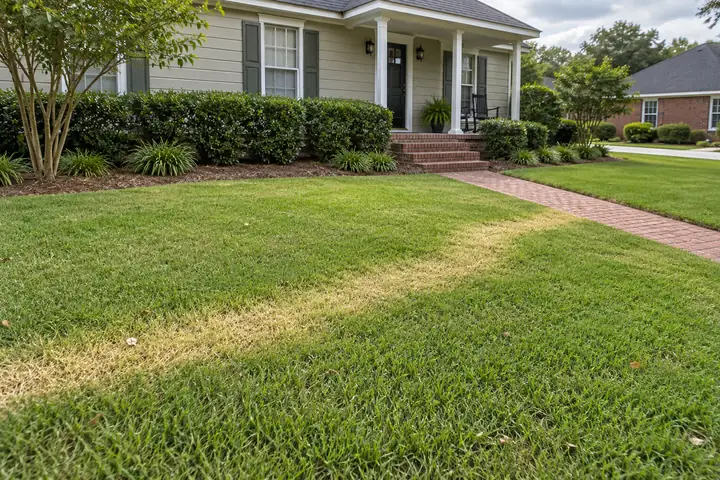
Suspected Herbicide Injury in a Lawn: Preserve the Pattern Before Naming the Cause
Streaks, speckling or unusual growth after a product application deserve a careful review. Connect the turf identity, actual product and timing without assuming that every later brown patch proves chemical injury.
Take a closer look ↗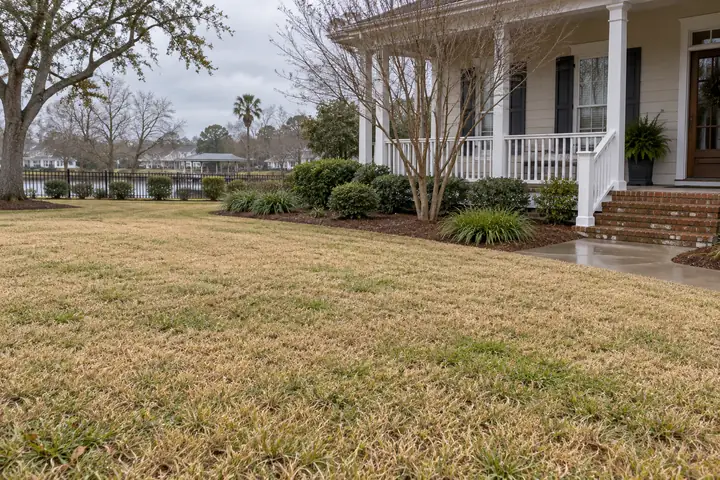
Winter Injury or Dormancy? Read the Lawn Beyond the Brown Leaves
Cold-weather color does not show the full condition of a warm-season grass plant. Separate seasonal slowdown, visible frost effects and survival questions before planning spring repair.
Take a closer look ↗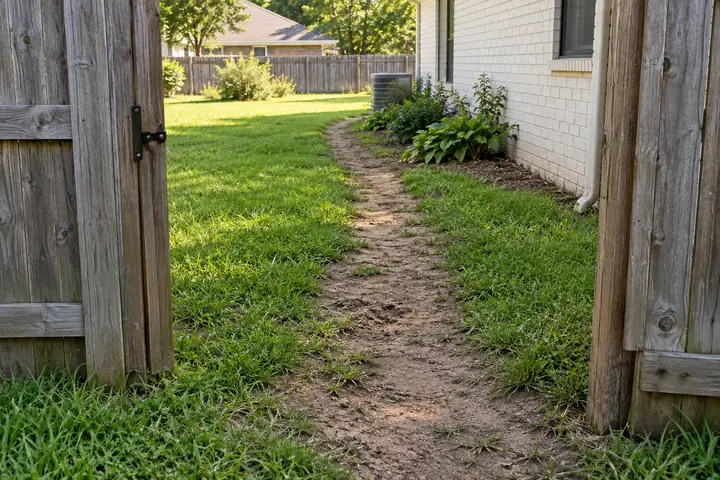
Soil Compaction in a Lawn: Hard Ground Is a Question, Not a Complete Test
Thin turf and slow water entry can point below the surface. Understand pore space, moisture conditions and traffic history before treating every firm patch as the same soil problem.
Take a closer look ↗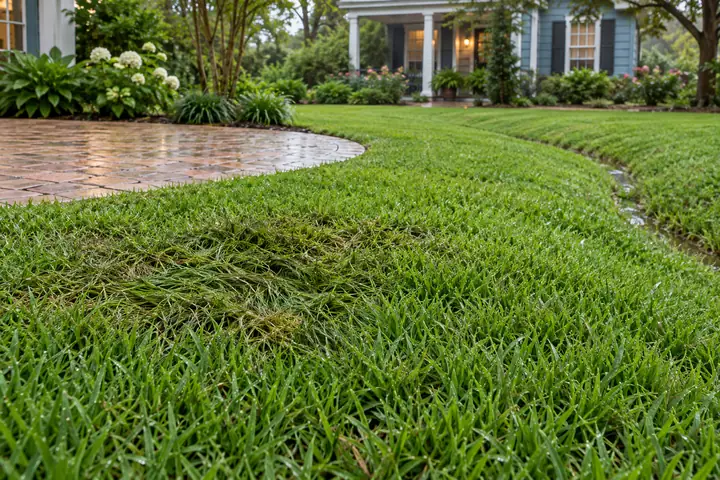
Rapidly Matting Lawn Patches: The Pythium Blight Question
Greasy-looking, collapsing foliage during prolonged wet conditions deserves a prompt, grass-specific assessment. Understand the clues and their limits before treating a fast change as an ordinary brown patch.
Take a closer look ↗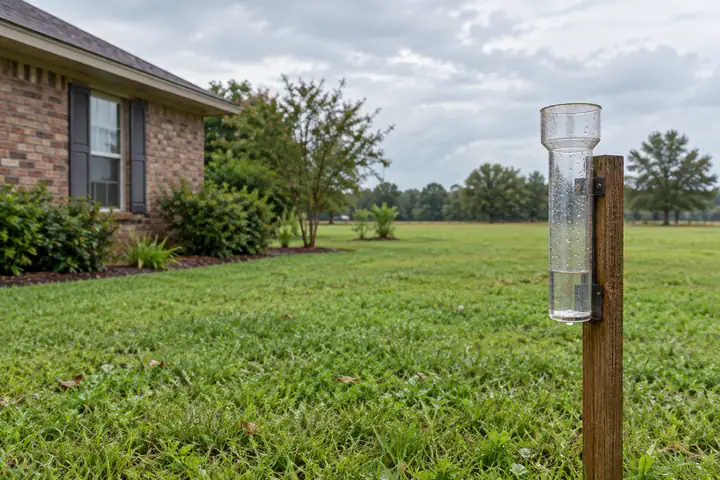
Rain Gauges for a Lawn: Give the Next Watering Decision a Real Starting Point
A small rainfall record can explain more than a weather-app icon. Learn what to measure, where to place the gauge and how to keep the result useful for your own yard.
Take a closer look ↗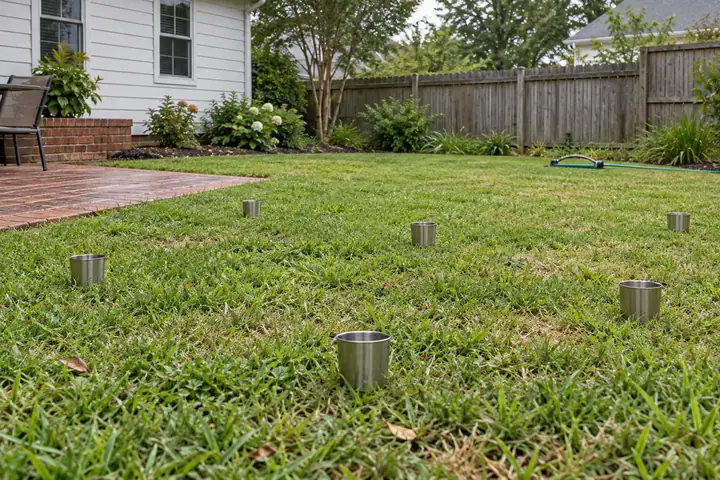
Sprinkler Catch Cups: Compare Where Water Lands Before Extending the Run
An even-looking spray can leave uneven results. Learn how a careful catch-cup comparison can separate distribution questions from a simple request for more watering time.
Take a closer look ↗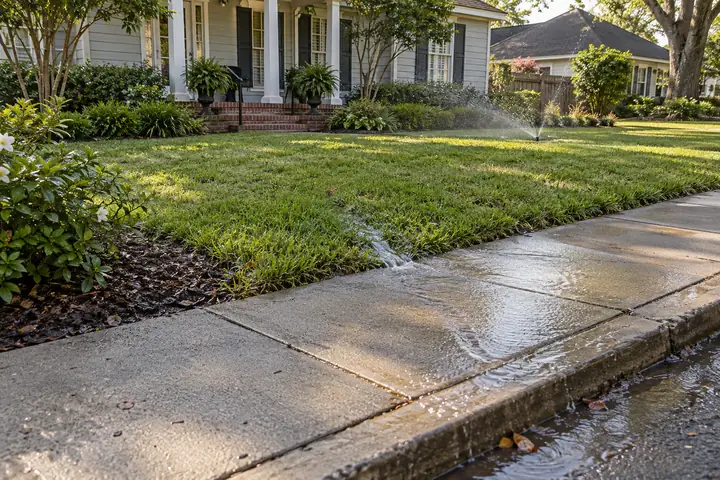
Sprinkler Runoff onto the Walk: Follow the Water Before Adding More Minutes
Water traveling across pavement can reveal a mismatch between application and the site. Separate overspray, surface flow and drainage questions before changing the watering program.
Take a closer look ↗
Morning or Evening Lawn Watering: Think About the Hours the Leaves Stay Wet
The clock matters, but it cannot replace a watering decision. Understand how timing, existing dew and the household's actual irrigation setup fit together.
Take a closer look ↗
Irrigation Rain Sensors: Understand the Pause Before Bypassing the Device
A rain sensor can interrupt scheduled watering without rewriting the whole lawn plan. Learn what to identify, what to record and when an equipment question needs its own assessment.
Take a closer look ↗
Seasonal Irrigation Controller Reviews: Read the Whole Program Before Changing the Percentage
A seasonal setting can adjust a saved program without checking whether that program fits the yard. Review zones, repeated starts, weather inputs and responsibility before making changes.
Take a closer look ↗
Lawn Soil Sampling: Make the Sample Represent the Question You Are Asking
A laboratory result begins with the soil you send. Learn how to define sampling areas, preserve useful background and avoid turning one convenient scoop into a claim about the whole yard.
Take a closer look ↗
Reading Lawn Soil pH: Understand the Result Before Choosing an Amendment
A pH number describes one soil property. Connect it with the sample area, turfgrass and laboratory interpretation before deciding what the lawn needs.
Take a closer look ↗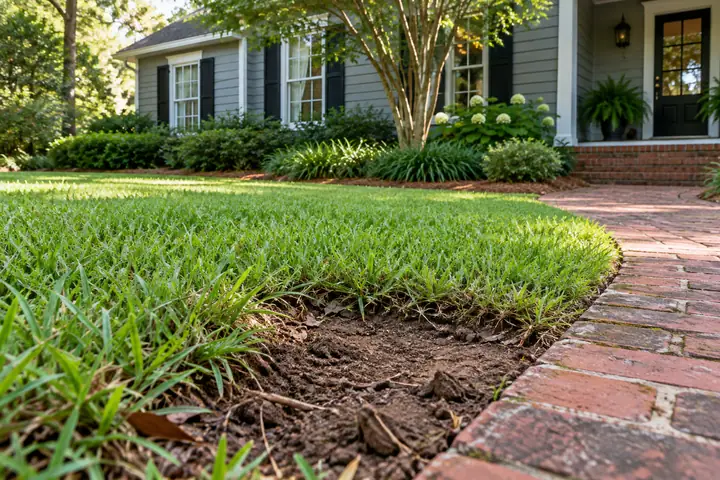
Lawn Soil Texture: Separate Sand, Silt and Clay from the Way the Surface Feels
Hard, sticky and gritty describe observations. Learn how soil texture relates to those impressions, where it differs from compaction and why a single handful cannot describe every layer below the lawn.
Take a closer look ↗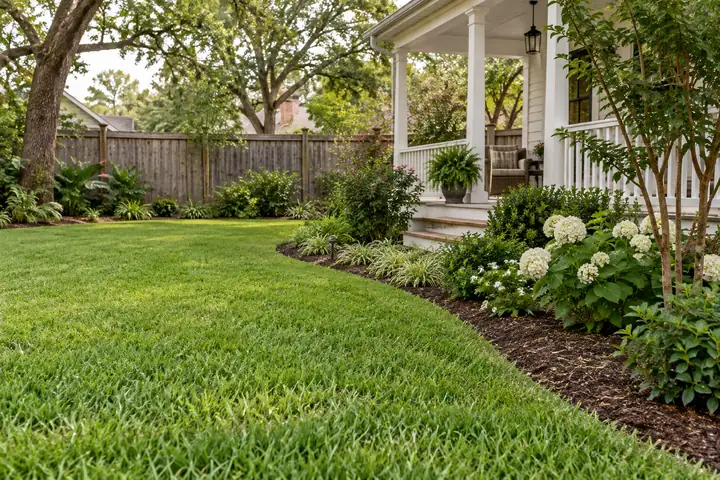
Organic Matter on a Lawn Soil Report: Read the Percentage without Promising a Miracle
Organic matter is useful soil information, but it is not a stand-alone score for the lawn. Connect the result with the sample, the laboratory method and the question you want answered.
Take a closer look ↗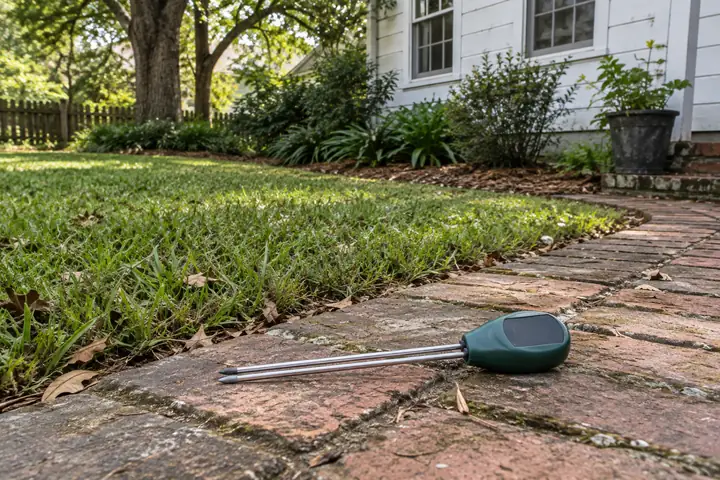
Lawn Moisture Readings: Understand the Location behind the Number
A soil-moisture reading describes a particular observation. Learn how depth, position, device instructions and recent watering affect the question it can help answer.
Take a closer look ↗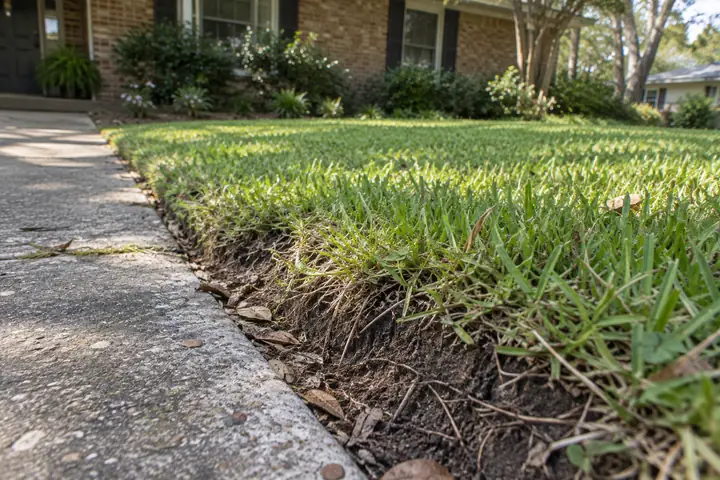
The Lawn Root Zone: Look below the Green Surface without Guessing from One Plug
Grass blades show only part of the plant's growing space. Understand what a root-zone observation can reveal, which limits matter and how to avoid turning a small inspection into unnecessary disturbance.
Take a closer look ↗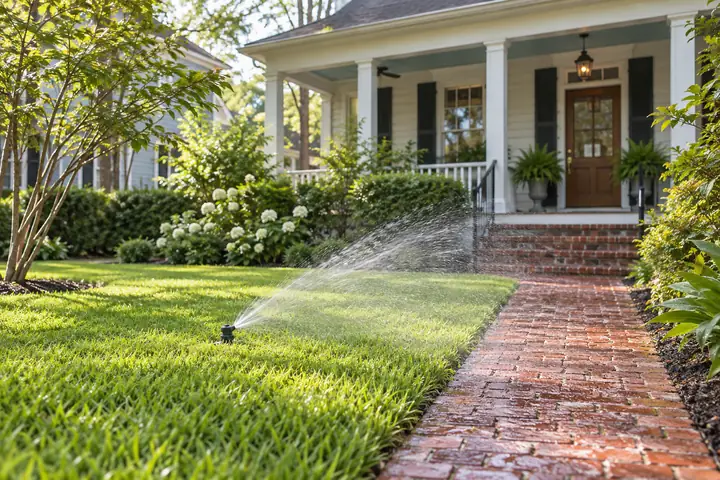
Wind, Sprinkler Mist and the Missed Lawn Edge: Observe the Spray before Increasing Watering
A moving spray pattern can leave a different footprint from the one the sprinkler was intended to cover. Learn what wind and mist observations can tell you, and what still needs an irrigation assessment.
Take a closer look ↗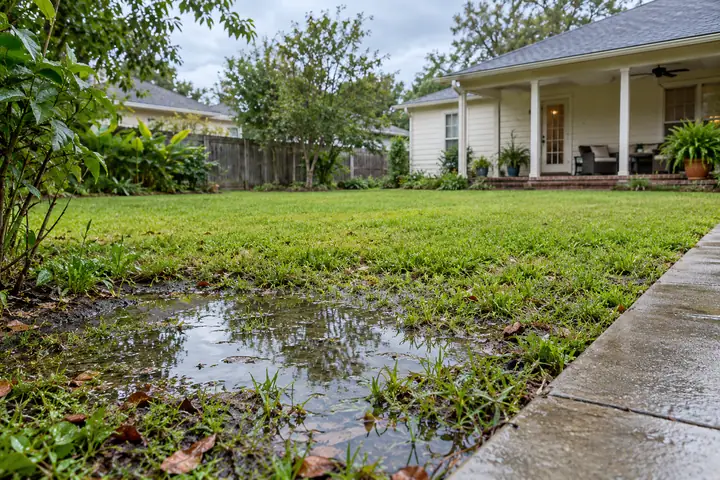
Too Much Lawn Water? Investigate the Supply before Calling Every Yellow Patch Overwatered
Persistent wetness deserves attention, but a label is not a complete explanation. Separate irrigation, rainfall, drainage and plant symptoms before choosing the next response.
Take a closer look ↗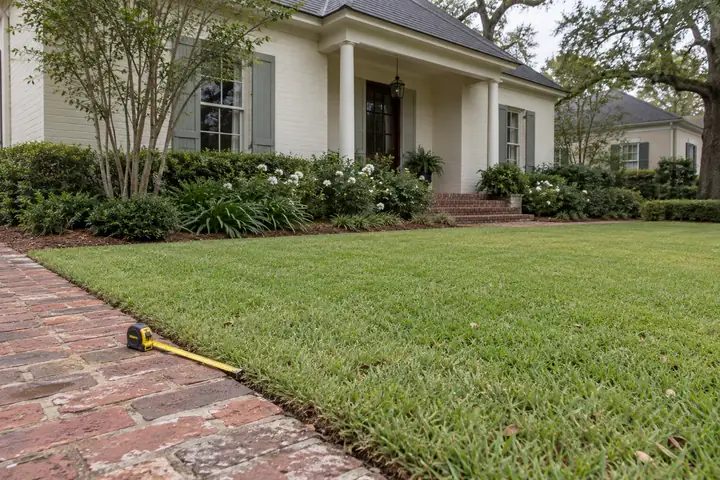
Measuring Lawn Area: Count the Grass Footprint, Not the Whole Property
Useful square footage starts with a clear boundary. Break the lawn into simple shapes, subtract excluded surfaces and keep the estimate separate from access, edging and a final service quote.
Take a closer look ↗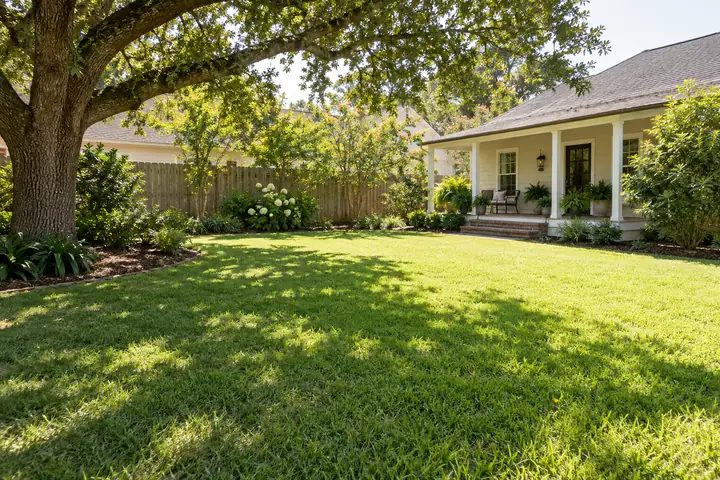
Watering Sunny and Shaded Lawn Areas: Follow the Different Conditions within One Yard
A shared sprinkler zone can cover grass with very different exposure. Learn how to describe those differences without assuming shade always means wet soil or that extra water can replace missing light.
Take a closer look ↗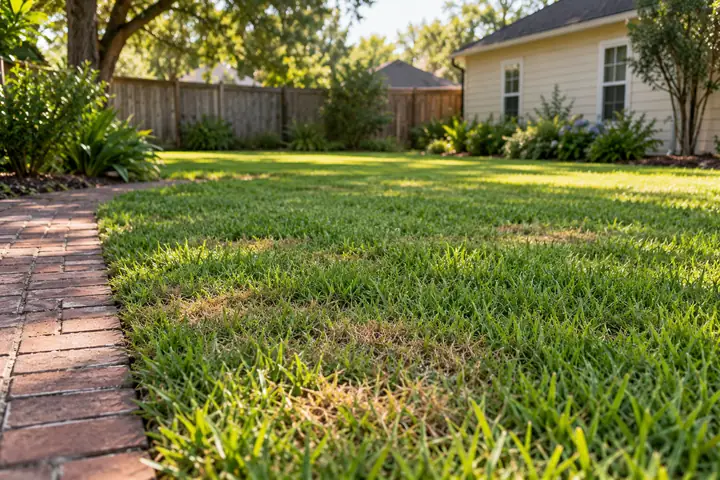
Chinch-Bug Concerns Before a Lawn Visit
A brown patch is a reason to look more closely, not a reason to guess at a treatment. Here is how to keep an insect question and a mowing request useful and separate.
Take a closer look ↗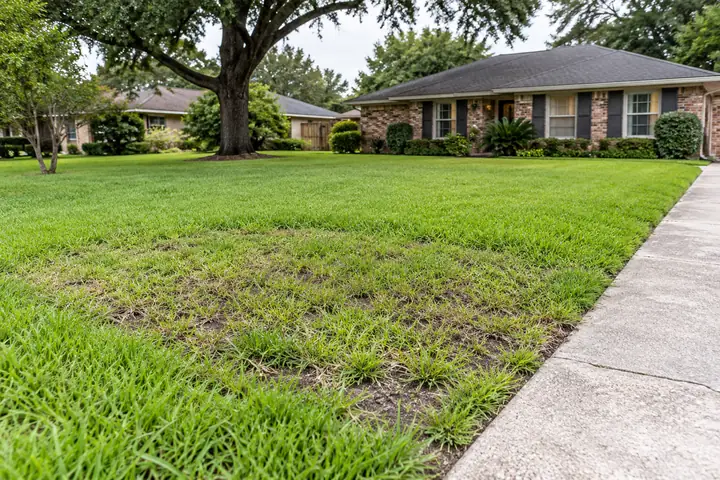
Fall-Armyworm Concerns When Grass Changes Quickly
When a lawn seems shorter before the mower arrives, preserve the useful details. Separate a possible feeding problem from the mowing schedule and ask the right source for identification.
Take a closer look ↗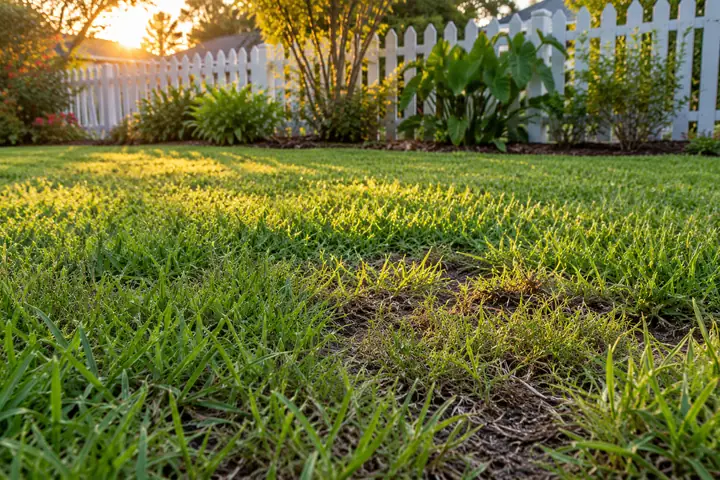
Sod-Webworm Questions When a Lawn Looks Unevenly Eaten
A moth above the lawn and a shortened patch below it are different observations. Keep the evidence connected without letting one stand in for the other.
Take a closer look ↗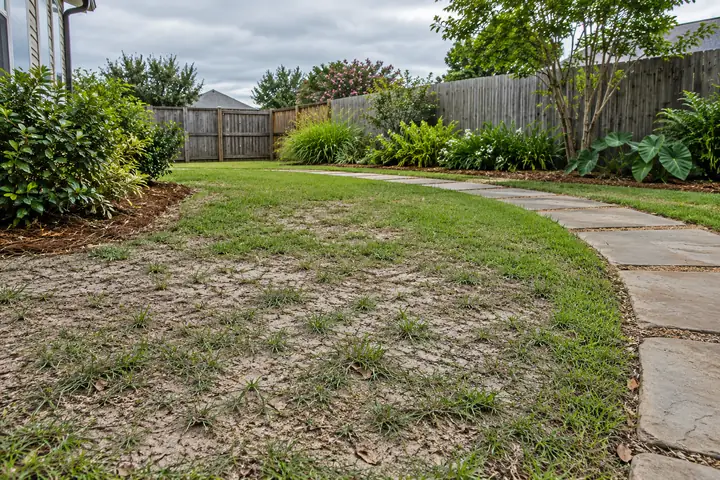
Mole-Cricket Concerns and Disturbed Lawn Ground
Raised soil, loose turf and thinning grass raise different questions from an ordinary untidy cut. Describe the ground carefully before deciding what the next lawn visit should involve.
Take a closer look ↗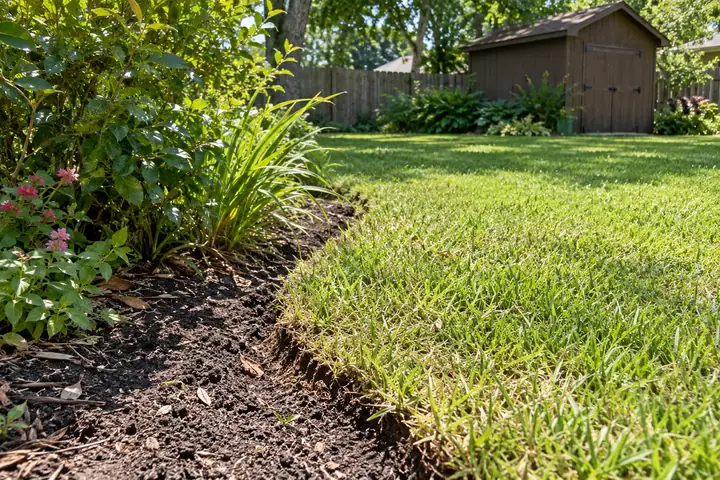
White-Grub Concerns and a Lawn That Feels Loosely Rooted
Thin grass and disturbed turf can raise a root-zone question. Keep the surface observation, any sampling and the next mowing decision in their proper places.
Take a closer look ↗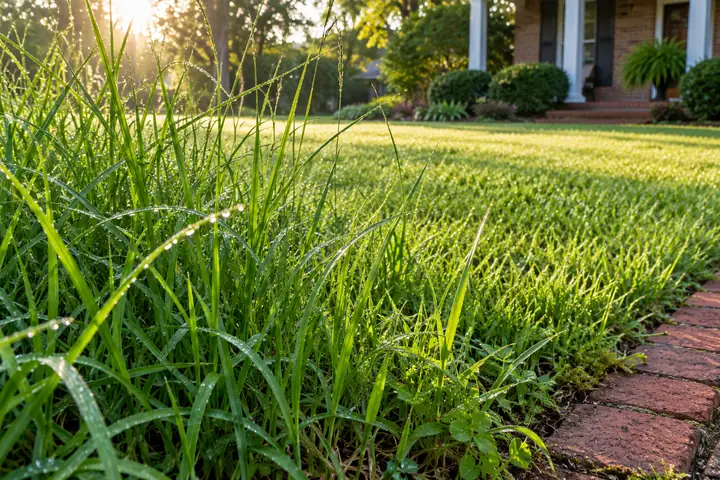
Spittlebugs in the Lawn: Separate the Foam from the Grass Condition
Foam low in the grass can raise a useful question. Record where it appears, what the leaves look like and what remains uncertain before changing your maintenance plan.
Take a closer look ↗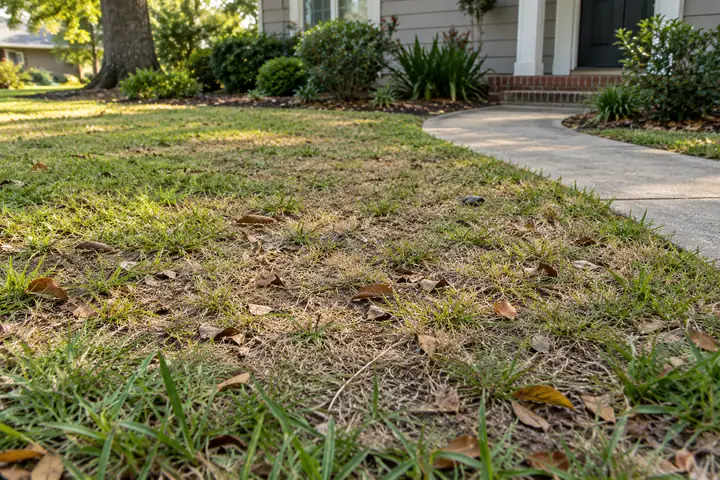
Billbug Questions in a Brown Lawn: Understand the Stem Clue
A small brown patch and a loose stem are observations, not a complete diagnosis. Keep the grass structure, insect evidence and maintenance request connected without confusing them.
Take a closer look ↗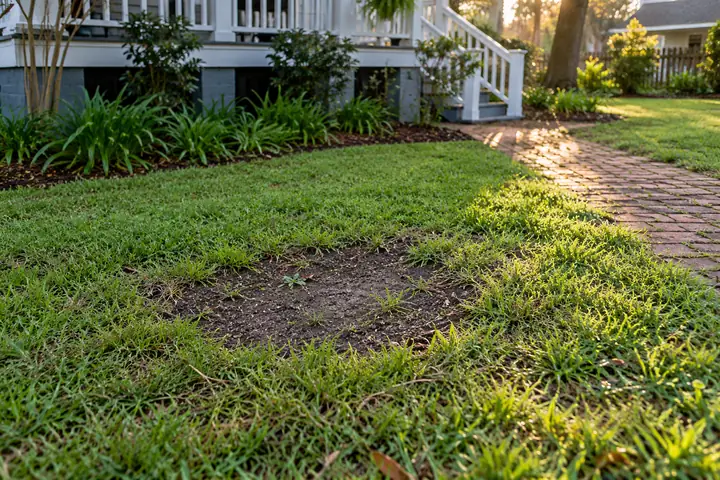
Black Cutworm Questions: Record the Cut Grass, Not Just the Bare Circle
A small bare spot can have a long story. Describe the leaves, stems, location and time of observation before connecting a caterpillar sighting to the lawn change.
Take a closer look ↗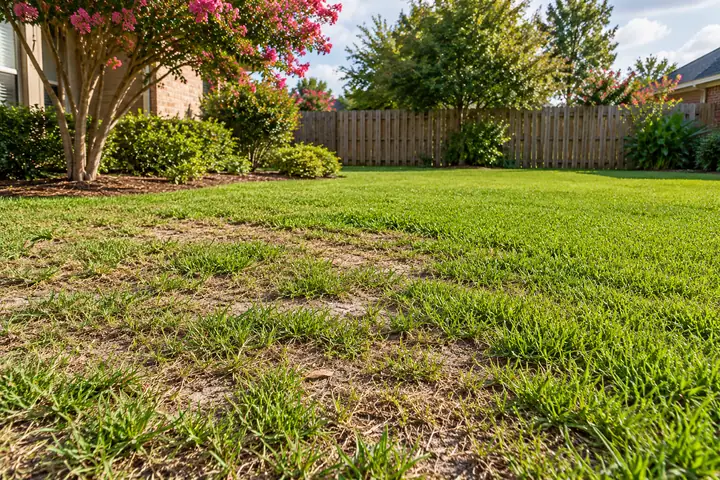
Ground Pearl Concerns: Investigate Persistent Lawn Thinning Before Replacing Grass
When the same area stays thin, a fresh piece of grass may not answer the underlying question. Preserve the history and ask for suitable identification before committing to a repair.
Take a closer look ↗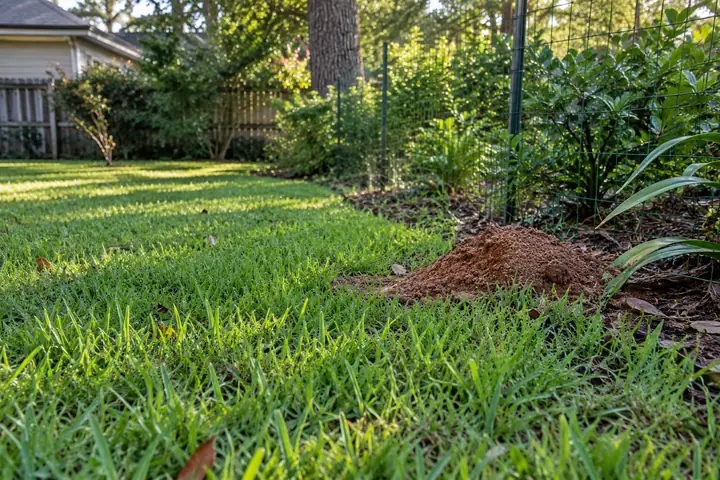
An Ant Mound in the Lawn: Separate the Insect Concern from the Mowing Route
A mound near the gate changes the conversation before it changes the grass. Identify the location, keep disturbance out of the plan and clarify who handles the pest question.
Take a closer look ↗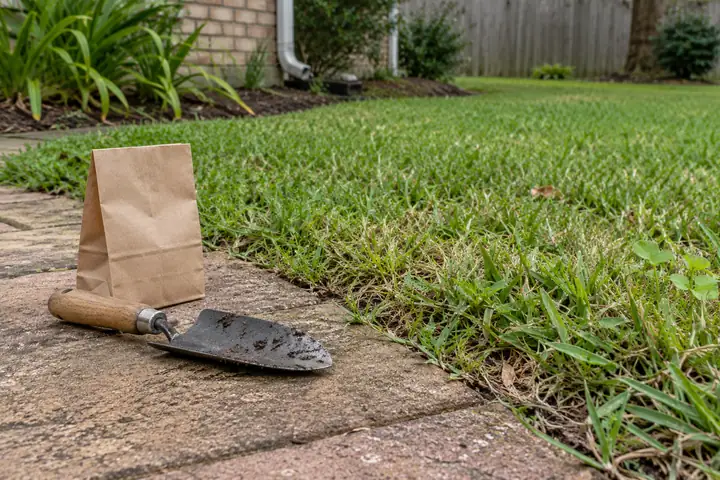
Lawn Nematode Testing: Match the Sample to the Question
A routine soil report and a nematode analysis answer different questions. Start with the receiving laboratory's instructions and a clear map of the lawn area you want evaluated.
Take a closer look ↗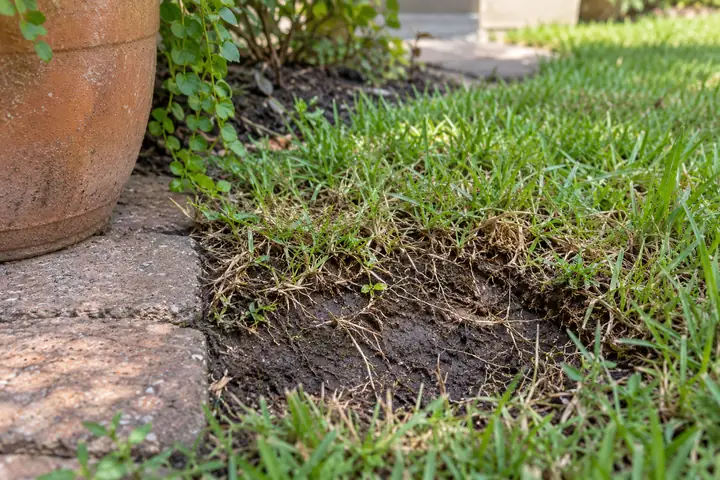
Preparing a Turf Diagnostic Sample: Keep the Grass, Roots and History Connected
A plant diagnostic submission is different from a quick look at the root zone. Ask the receiving service what it needs before cutting material out of the lawn.
Take a closer look ↗
Photographing a Lawn Insect for Identification: Keep the Creature and Context Together
A quote photograph shows the size and access of a lawn. An identification photograph needs different detail. Build a small, labeled evidence set before asking what an insect might be.
Take a closer look ↗
An Evening Lawn Observation: Record What You Can See Without Turning It into a Test
An insect sighting after sunset can add context, but a dark yard does not need an improvised inspection. Choose a visible viewpoint and preserve the difference between observation and inference.
Take a closer look ↗
Biting-Insect Concerns and Lawn Service: Ask the Right Provider the Right Question
A tidy lawn request does not include an insect-treatment program. Separate the concern about yard use from the work you want Happy Grass to review.
Take a closer look ↗
After a Lawn Diagnostic Reply: Turn the Finding into Clear Follow-Up Questions
A report can identify something, suggest a possibility or request more evidence. Preserve the wording before translating it into a maintenance instruction.
Take a closer look ↗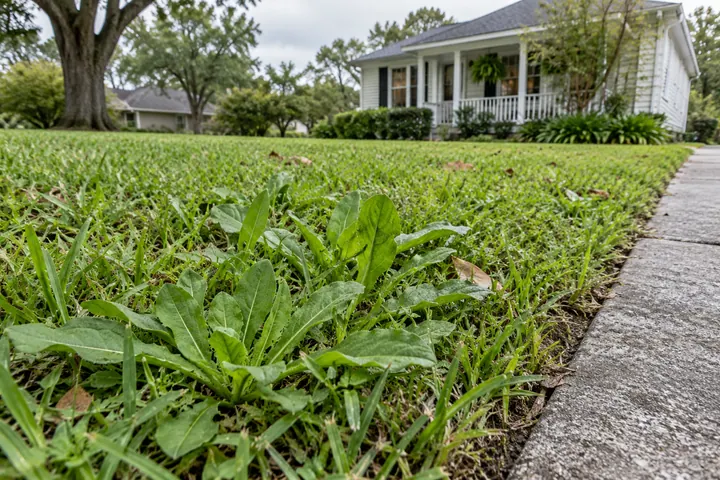
Broadleaf Plantain in a Lawn: Read the Low Leaves Before Changing the Cut
A flat rosette can remain noticeable after the tall grass is gone. Separate the plant's low-growing structure from the height and finish you want for the surrounding lawn.
Take a closer look ↗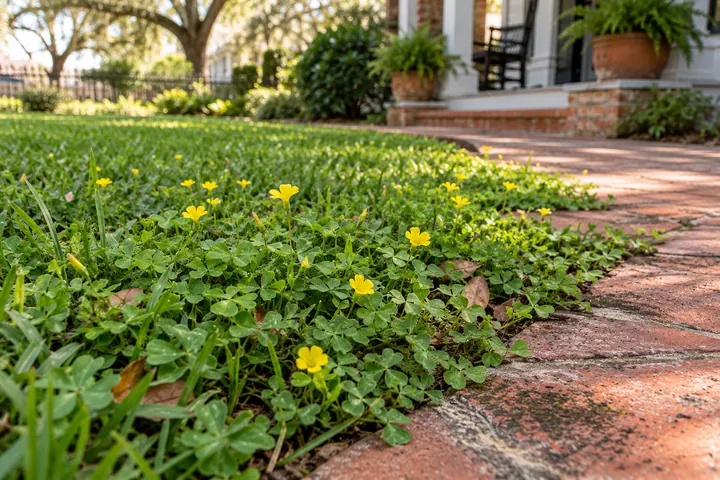
Black Medic in a Lawn: Follow the Yellow Flowers and the Leaflet Stems
A small yellow flower does not identify the whole patch. Connect the flower, three-part leaf and spreading plant before deciding what you want changed in the lawn.
Take a closer look ↗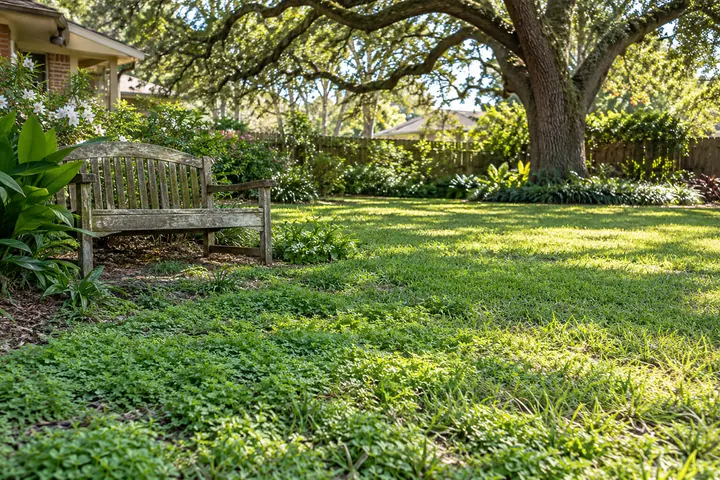
Common Lespedeza in a Lawn: Understand the Low Mat and Maturing Stems
A fine green layer may stay below the cutting height while the grass changes around it. Describe the mat's structure and boundary before asking for a different mowing result.
Take a closer look ↗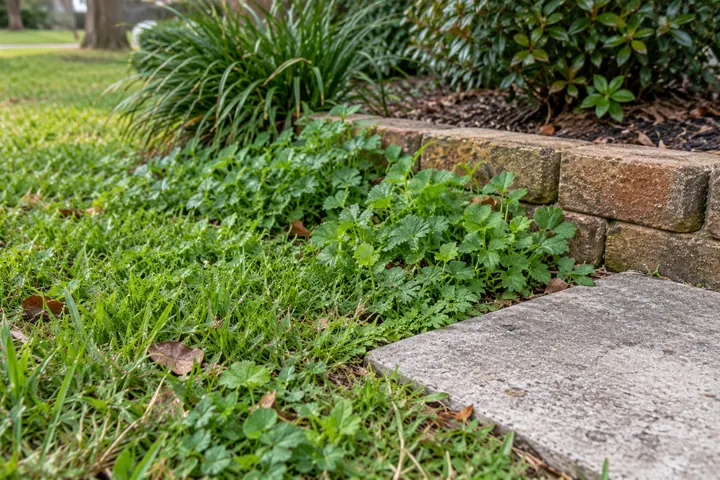
Carolina Geranium in a Lawn: Follow the Lobed Leaves as the Plant Changes Shape
A low leafy plant can become a more upright presence as the season progresses. Keep the leaf pattern, branching and flower observations together before changing the lawn plan.
Take a closer look ↗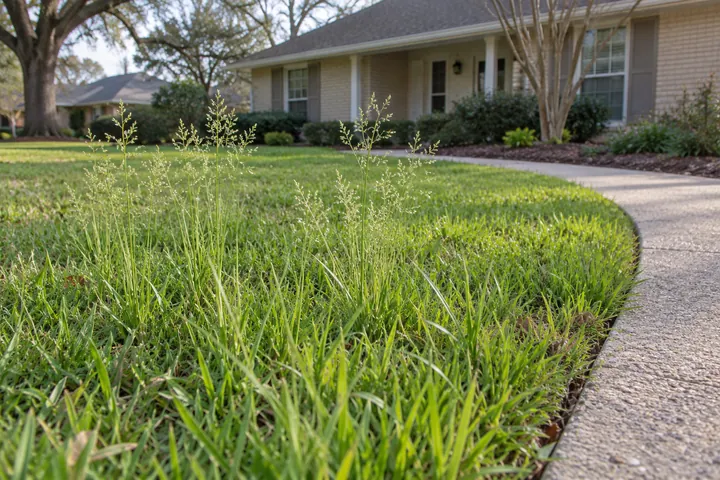
Annual Bluegrass in a Warm-Season Lawn: Separate Seed Heads from Cutting Height
A pale grassy clump with small seed heads can stand out during cooler weather. Identify the grass question before treating every visible stalk as proof that the lawn needs a lower cut.
Take a closer look ↗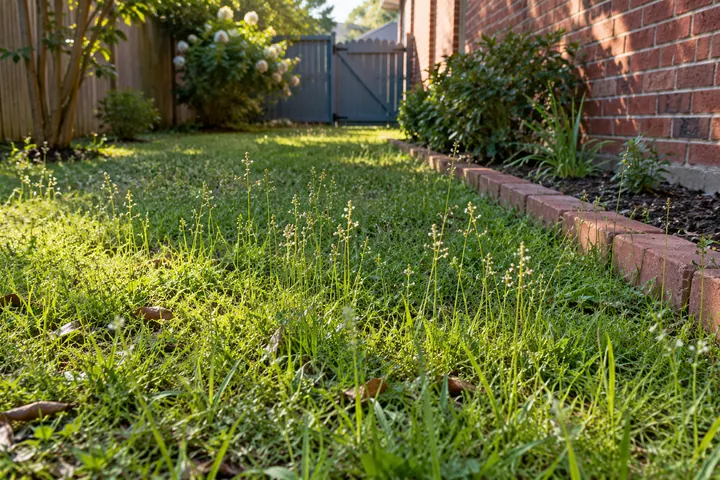
Buckhorn plantain: follow the narrow leaf back to its base
A ribbed narrow leaf can disappear into a lawn photograph. A stalk can look like a separate plant. Connect the two before turning a buckhorn plantain question into a mowing request.
Take a closer look ↗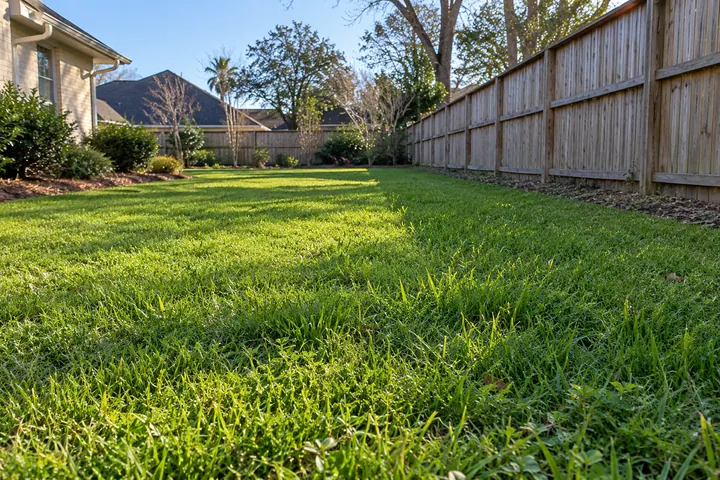
Annual ryegrass in a mixed lawn: sort out the history before the next cut
A temporary grass and an unwanted grass can be the same species in different plans. Establish what was intended before asking for a uniform finish across a mixed lawn.
Take a closer look ↗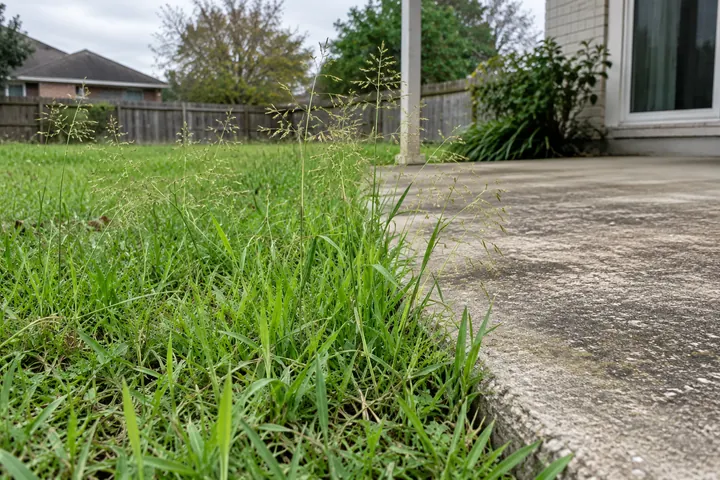
Rescuegrass questions: keep the branching head and its source together
A loose grass head is interesting evidence, but it is not a map of the lawn. Build a connected record before giving a tufted grass a name or asking for work across the whole yard.
Take a closer look ↗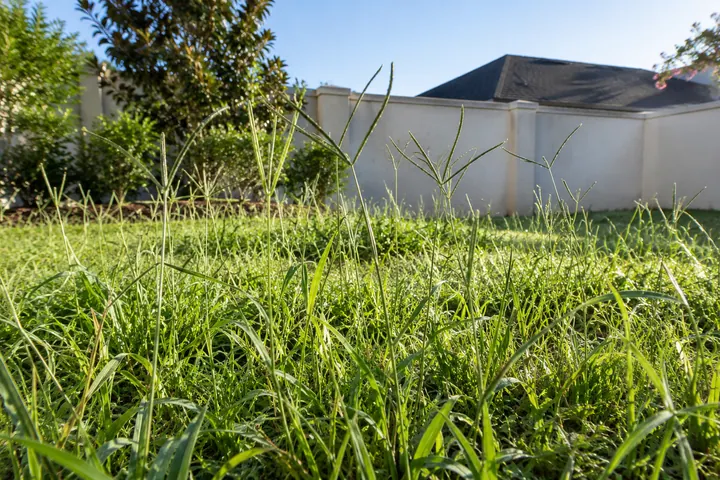
Bahiagrass and the repeated V-shaped head: describe what keeps standing out
Coarse clumps and conspicuous stalks can be two separate lawn concerns. A useful bahiagrass inquiry explains which one affects the finish and where that difference matters.
Take a closer look ↗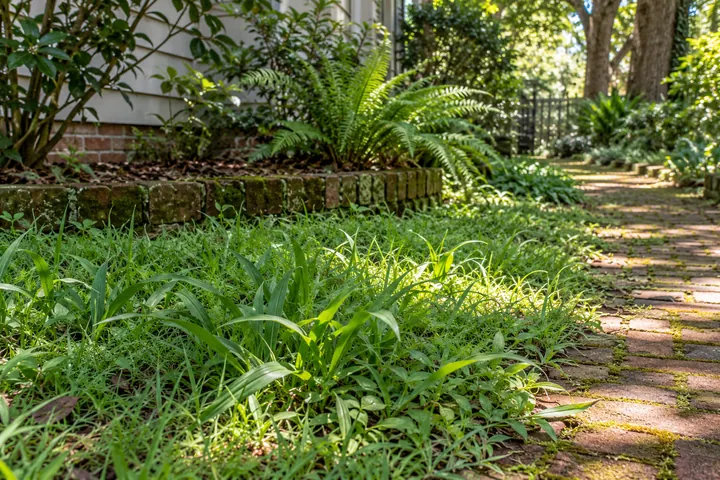
Carpetgrass in an existing lawn: decide what is supposed to stay
An unfamiliar grass is not automatically an unwanted grass. When carpetgrass is being considered, establish the intended lawn, the evidence for the name and the appearance you want maintained.
Take a closer look ↗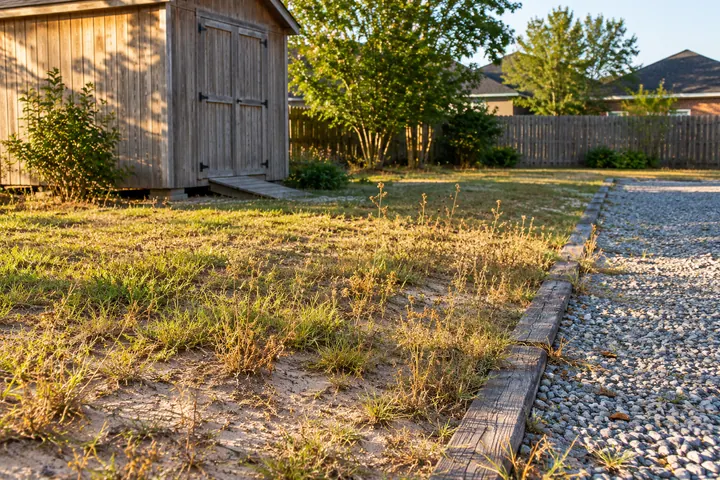
Sandbur concerns near a lawn route: locate the burs before naming the whole yard
A spiny object beside a path calls for a clear location record. Keep attached burs, loose findings and the routine lawn task distinct while the plant is being reviewed.
Take a closer look ↗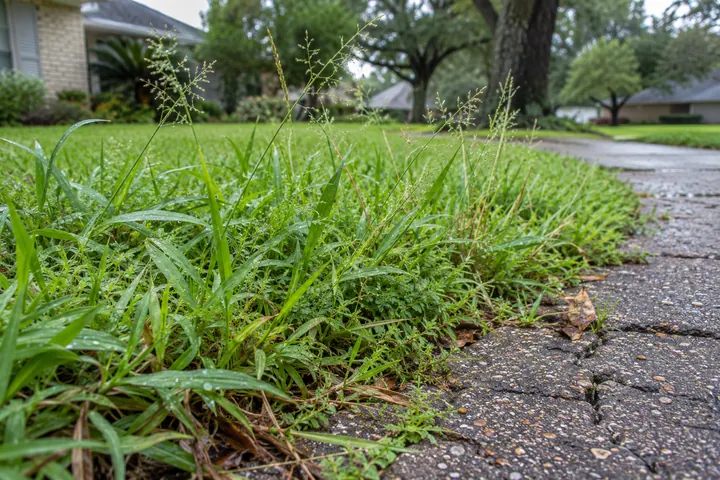
Crowfootgrass or another fingered head? Compare the whole structure
A bird-foot outline is a starting clue, not a finished identification. Keep the branch arrangement, attached leaves and lower stems available before deciding what the lawn question really is.
Take a closer look ↗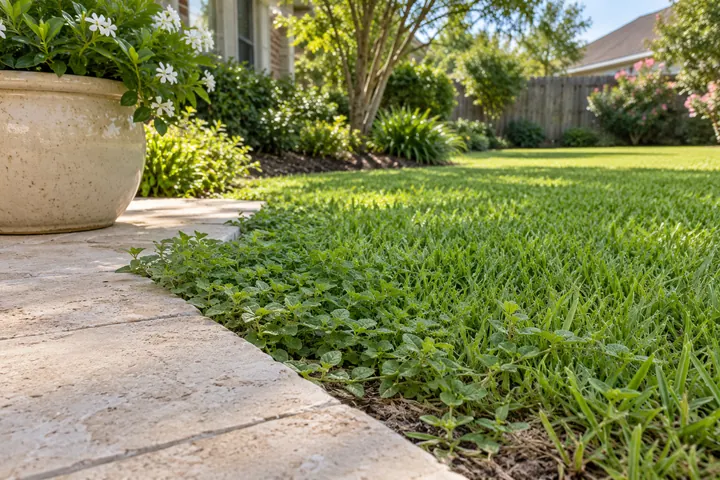
Carpetweed on open ground: separate the plant mat from the missing lawn
A low mat can draw attention away from the surface underneath it. Document the ground and the connected leaf groups before deciding what an ordinary lawn visit can accomplish.
Take a closer look ↗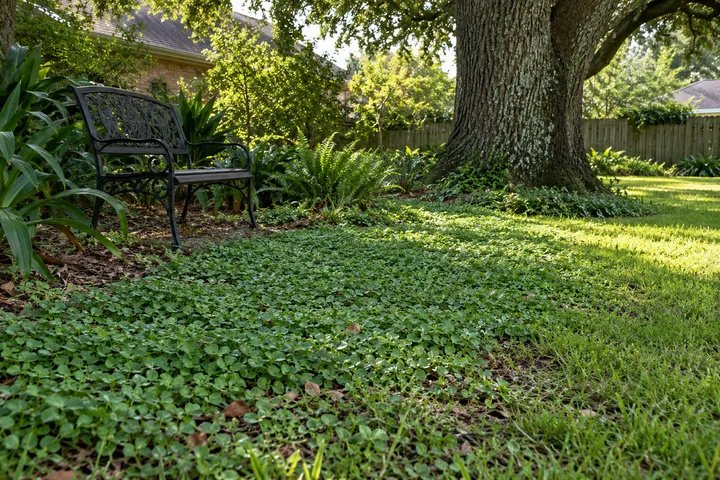
Horseherb by the lawn: settle what to keep before asking for a cleaner edge
Tiny yellow flowers can belong to a plant someone wants preserved. Separate plant identification, household preference and the maintenance boundary before treating a low green layer as unwanted growth.
Take a closer look ↗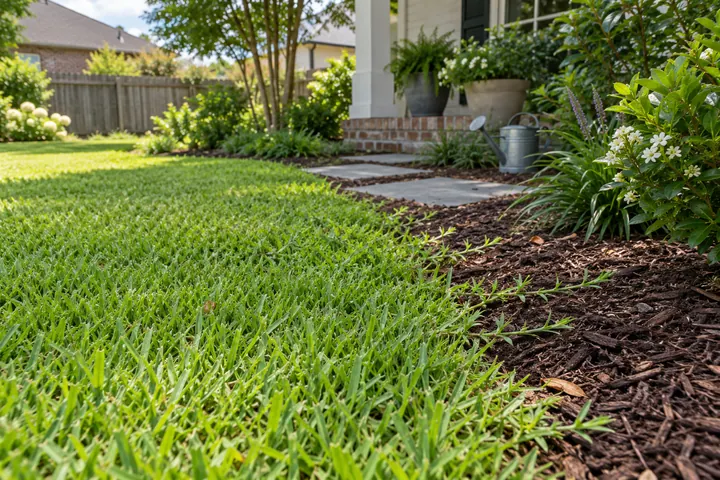
Common bermudagrass at a lawn border: separate a clean line from a plant boundary
A crisp-looking edge and a permanent limit to grass growth are different outcomes. Identify the intended surfaces and the visible runners before asking what border maintenance should include.
Take a closer look ↗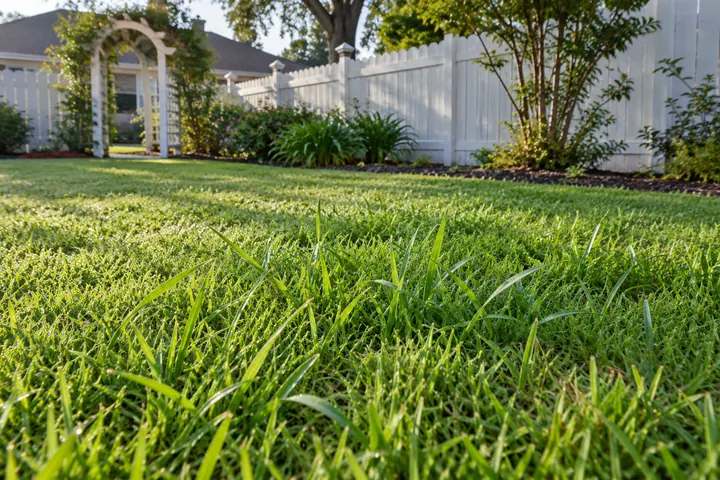
Field paspalum questions: know when a close comparison needs an expert
Several clumping grasses can look alike in a lawn overview. Keep the head, leaf base and sample location connected when the distinction depends on details a phone picture may not resolve.
Take a closer look ↗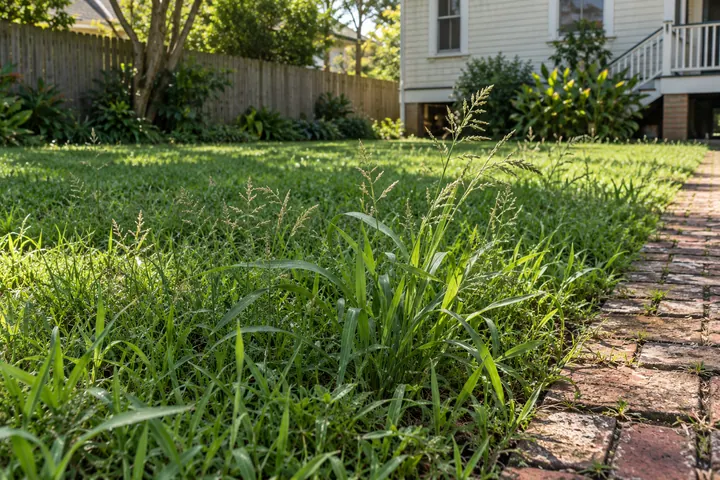
Barnyardgrass questions: an absent leaf feature needs a clear view
A coarse grassy clump can look familiar from across the yard. Barnyardgrass identification asks for a closer look at the place where a leaf meets its stem, including what is genuinely absent there.
Take a closer look ↗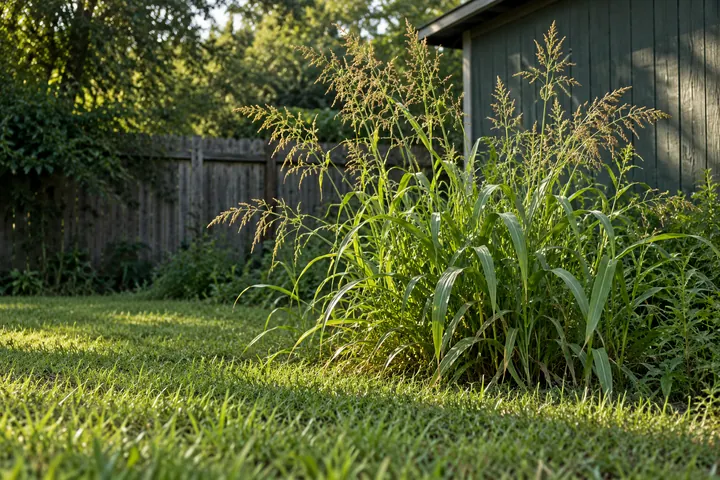
Johnsongrass at a lawn edge: tall growth can change the job
A large grass patch is more than a taller version of the surrounding lawn. Show the actual stand, its boundary and the route before assuming an ordinary mowing request covers it.
Take a closer look ↗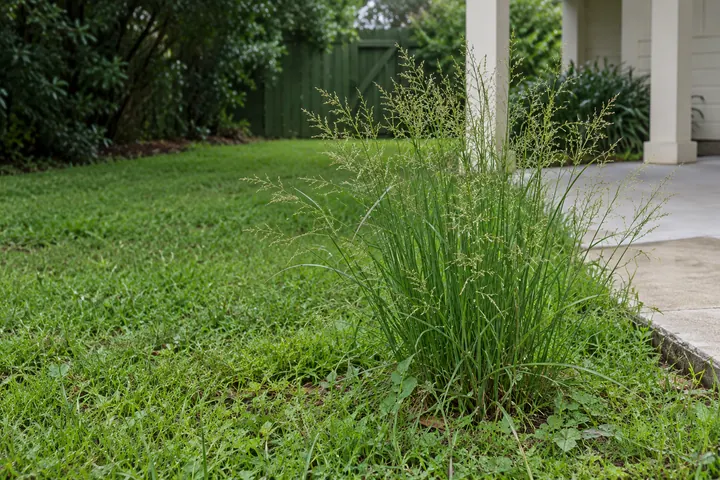
Vaseygrass comparisons: look beyond the white line in a large grass leaf
A pale midrib can make several large grasses seem alike. Keep the head branches and stem details available before turning a vaseygrass possibility into a lawn-wide name.
Take a closer look ↗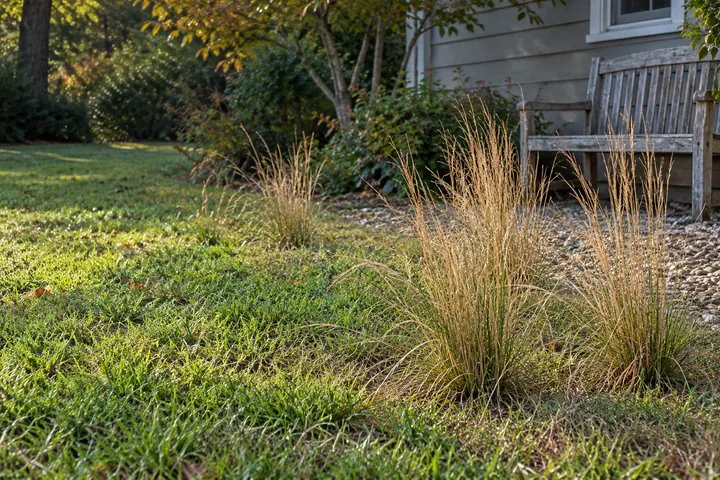
Broomsedge in a lawn corner: brown tufts are not a soil test
Standing straw-colored grass can make a corner look neglected. Before changing the lawn routine, separate the plant's seasonal appearance, the intended boundary and any question about the soil.
Take a closer look ↗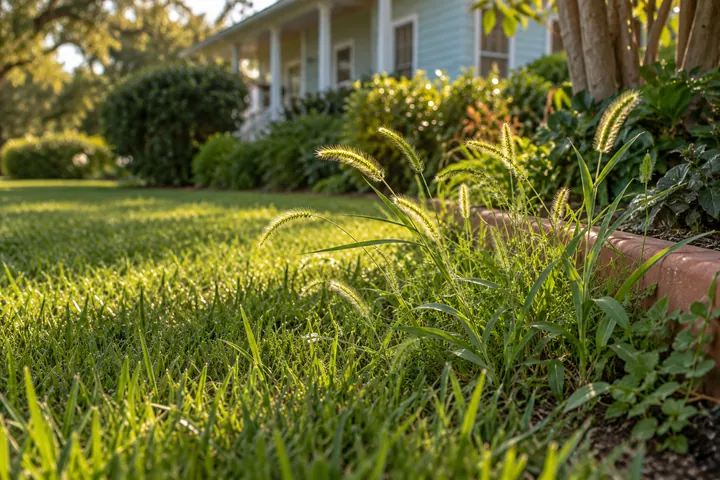
Yellow foxtail questions: a bristled head needs its leaf-base evidence
The name foxtail describes a memorable shape, but it is used for more than one grass. Keep the bristled head, attached leaf and collar region together before choosing a species name.
Take a closer look ↗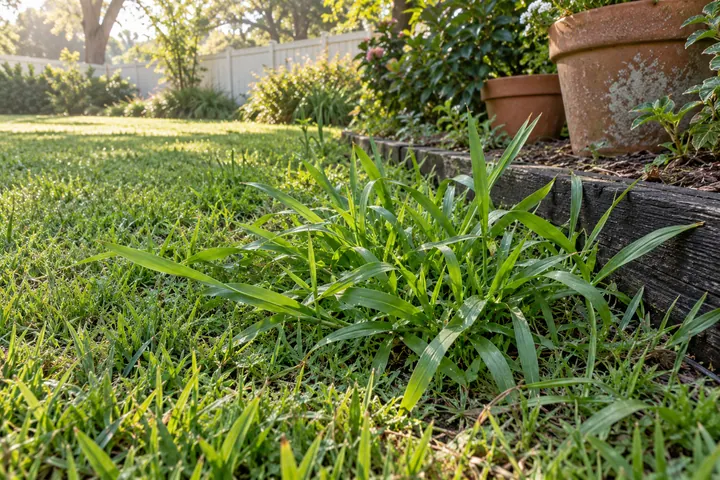
Broadleaf signalgrass: a broad blade is still a grass blade
The name can sound like two weed categories at once. Follow the leaf, bent lower stem and attached flowering branches before deciding what the broad-leaved patch represents.
Take a closer look ↗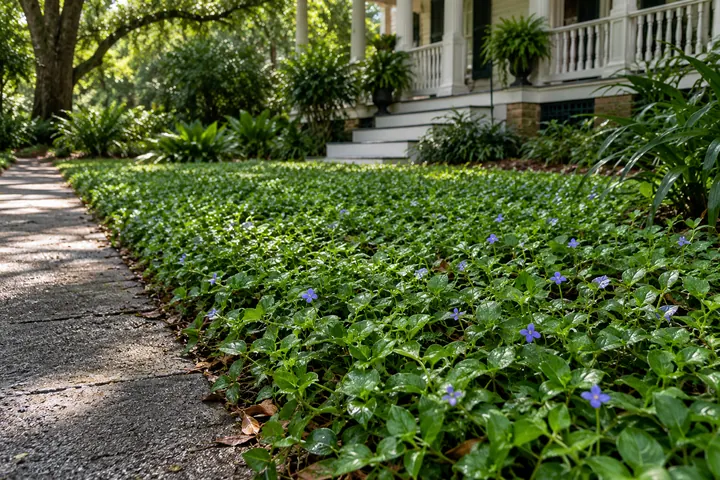
Doveweed in a grass-like mat: read the creeping layer before chasing height
A glossy low layer can blend into the lawn until small purple flowers draw attention to it. The useful question is how that layer relates to the grass and the requested finish, not just how tall it looks.
Take a closer look ↗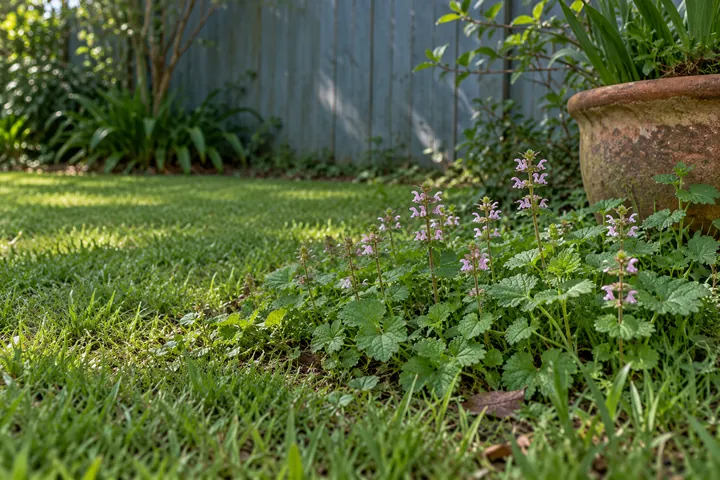
Florida betony questions: keep the leafy patch and the segmented tuber record connected
An unfamiliar white segmented structure can attract more attention than the leaves above it. Preserve where it came from before giving it a name or treating a routine cut as a complete answer.
Take a closer look ↗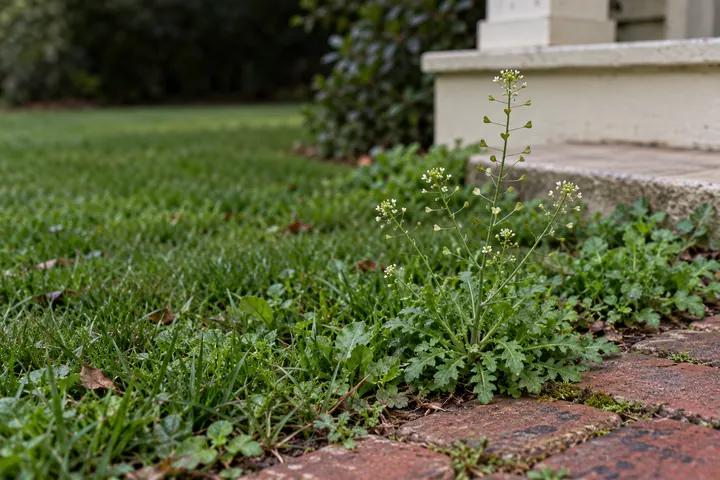
Shepherd's purse questions: read the little pods below the flowers
A spray of white flowers may be easy to miss above a lawn rosette. The developing pods can make a shepherd's purse inquiry more useful, provided the photographs show which parts belong together.
Take a closer look ↗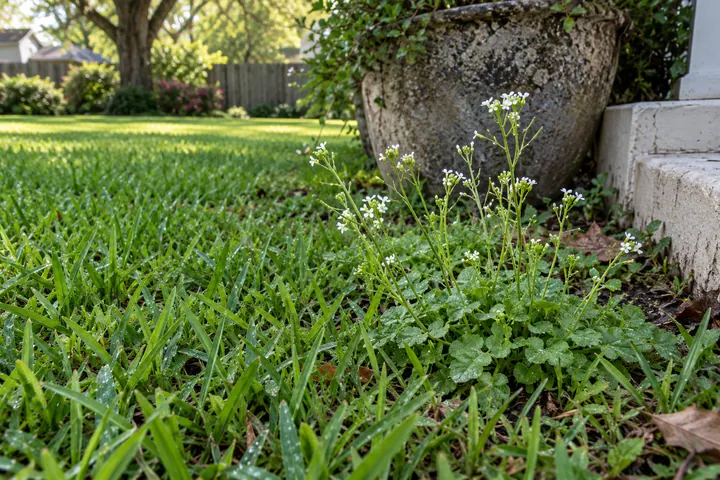
Hairy bittercress questions: rosettes, tiny flowers and slender pods
A little plant beside a pot can change from a low leafy circle to a spray of narrow upright structures. Keep those stages and their location clear when asking about hairy bittercress.
Take a closer look ↗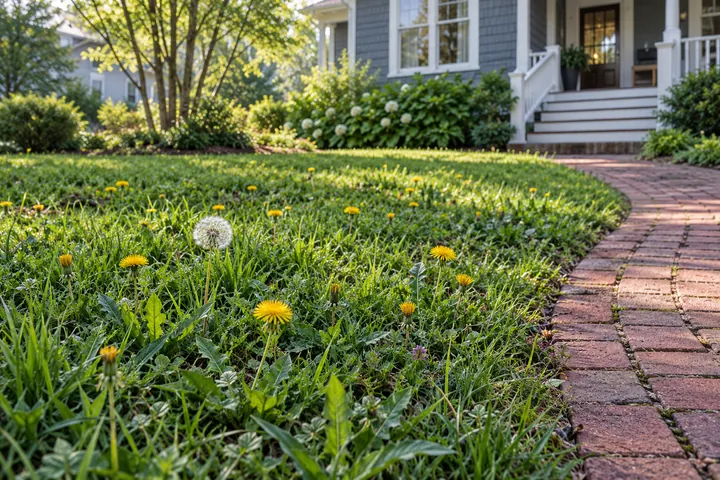
Dandelion questions: follow the flower stalk back to its rosette
A yellow lawn flower can invite a quick name. A dandelion comparison becomes much more useful when the record shows the stalk, its flower head and the lower leaves as one connected example.
Take a closer look ↗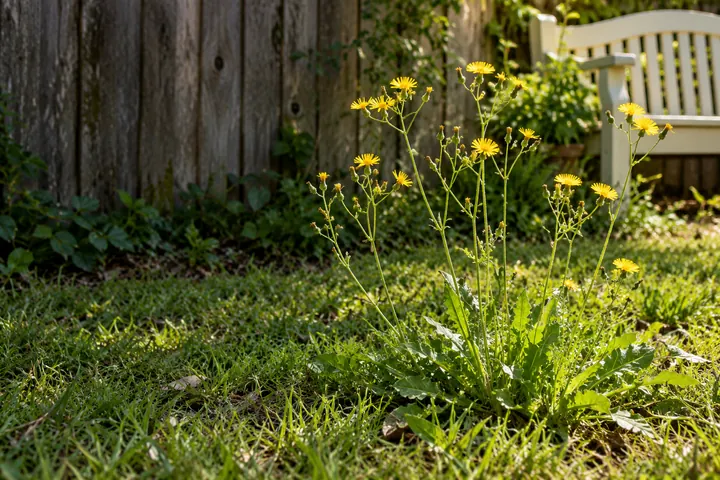
Asiatic hawksbeard questions: small yellow heads on a branching frame
Not every yellow lawn flower stands alone on a simple stalk. An Asiatic hawksbeard inquiry benefits from a photograph that preserves the plant's branching frame and connects it to the lower leaves.
Take a closer look ↗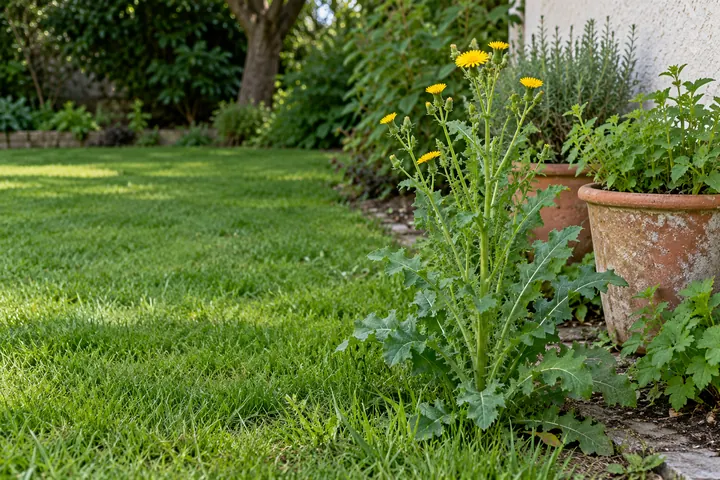
Annual sowthistle questions: clasping leaves and grouped yellow heads
A tall leafy plant beside a wall can carry yellow heads without being a dandelion. An annual sowthistle comparison asks how the upper leaves attach and how the flowering top is arranged.
Take a closer look ↗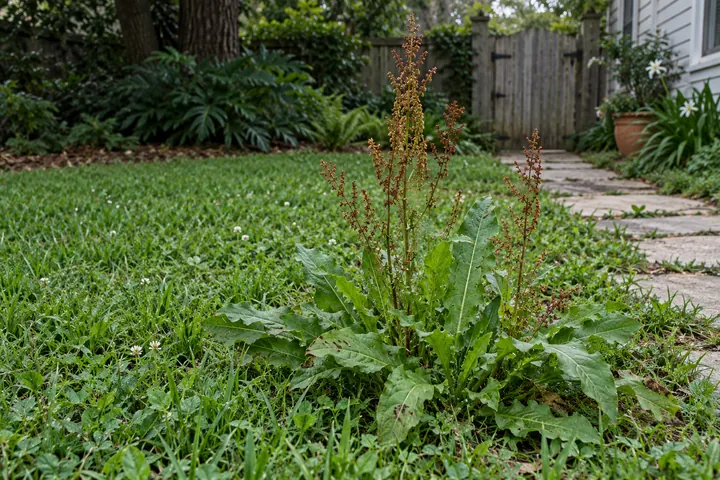
Curly dock questions: wavy leaves and the rusty standing stem
A wavy-leaved rosette and a rusty upright stem may be photographed as separate lawn concerns. A curly dock comparison asks whether those structures belong together and which details are actually readable.
Take a closer look ↗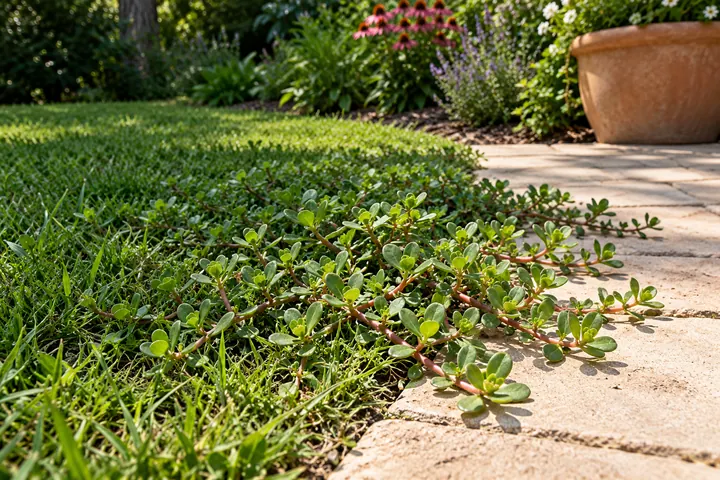
Purslane questions: fleshy leaves at the paver edge
A low plant can spread along paving without looking like the taller lawn growth around it. A common purslane comparison starts with attached fleshy leaves, branching stems and the exact boundary where they are growing.
Take a closer look ↗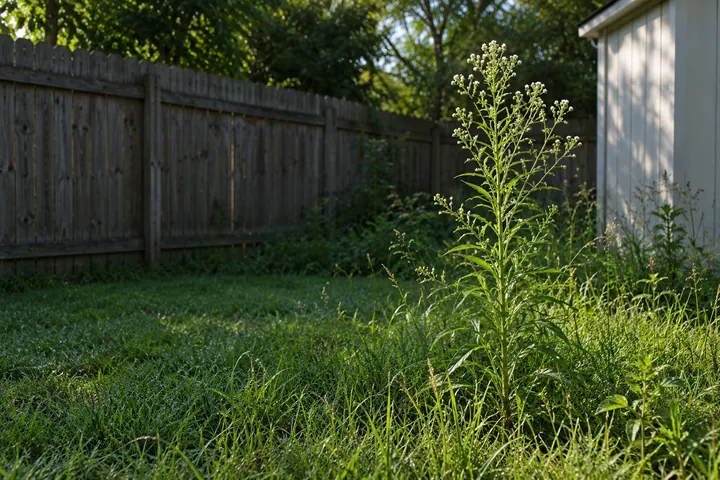
Horseweed questions: follow the upright stem above the rosette
A narrow leafy stem can become conspicuous after a low rosette was easy to overlook. A horseweed inquiry benefits from keeping those stages, the upper branches and the actual observation dates separate.
Take a closer look ↗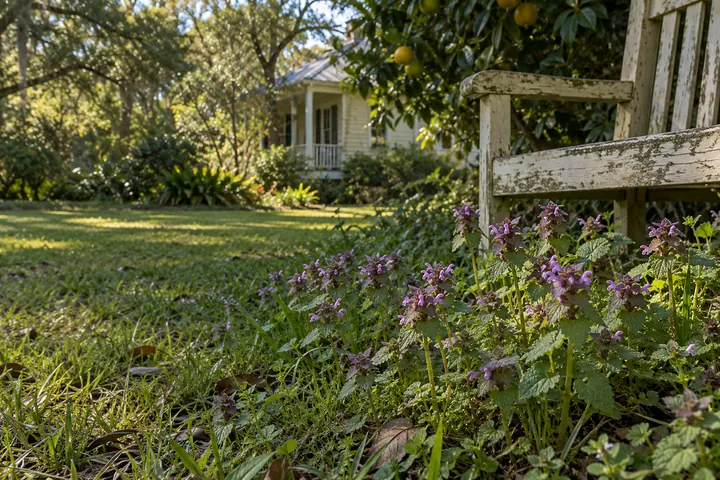
Purple deadnettle or henbit? Start where the upper leaf joins
Purple flowers can make two lawn plants look alike from the porch. A more useful comparison follows an upper leaf back to the stem, then checks the lower leaves on that same example.
Take a closer look ↗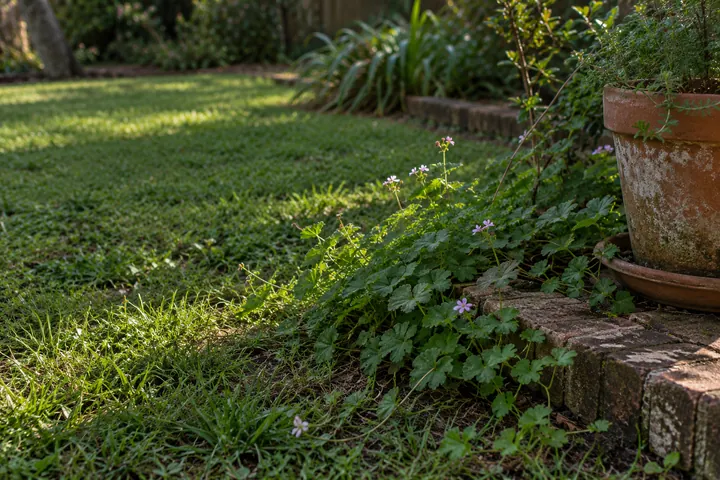
Common mallow and cheeseweed: read the fruit before trusting the name
Rounded leaves can make a mallow look familiar. The name cheeseweed is less precise than it sounds, so a useful lawn inquiry keeps the flower, its base and the developing fruit connected to one example.
Take a closer look ↗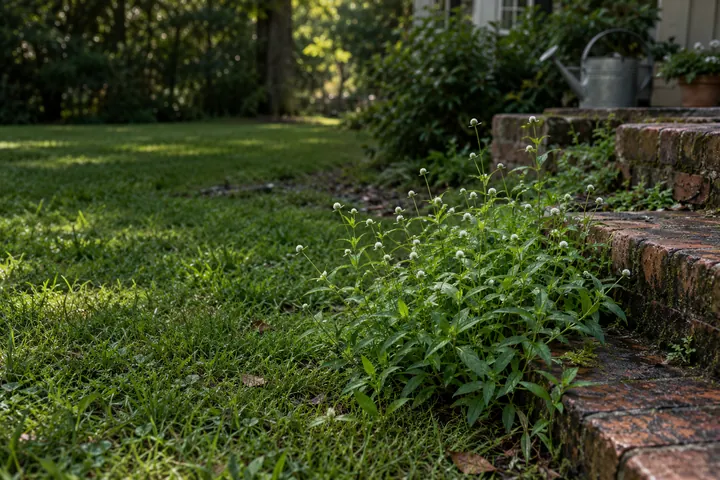
Eclipta questions: connect the paired leaves and white flower head
A little white head beside a damp-looking step can belong to more than one kind of plant. An eclipta inquiry asks how the narrow leaves attach and which stalk carries the head you photographed.
Take a closer look ↗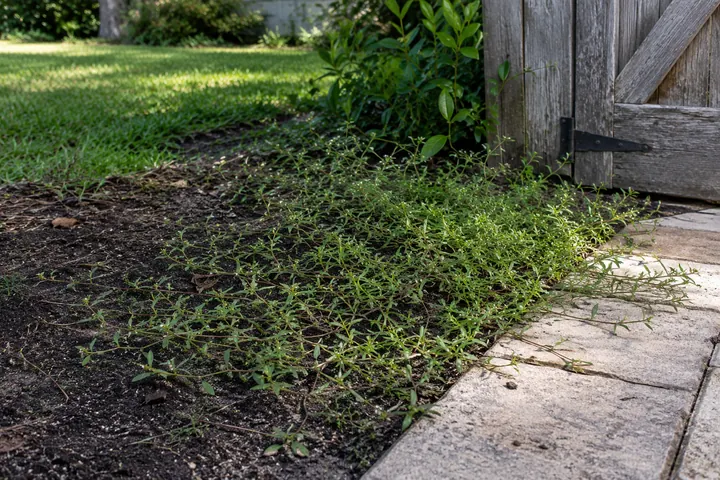
Prostrate knotweed questions: follow the wiry stems across the gap
A thin green mat near a gate can look like short grass from a distance. A prostrate knotweed inquiry follows the branching stems, their small leaves and the open ground beneath them without turning the plant into a soil test.
Take a closer look ↗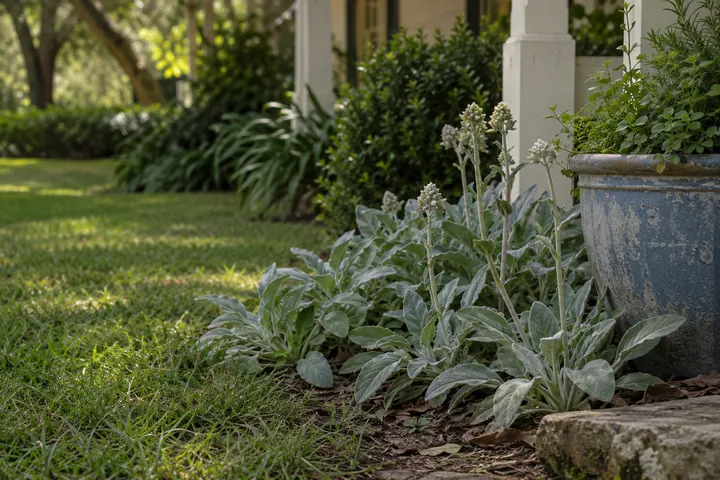
Cudweed questions: record which leaf surface looks woolly
A silvery rosette can stand out against a green lawn. A useful cudweed inquiry keeps the upper and lower leaf surfaces clear and leaves room for a group-level answer when a species cannot yet be distinguished.
Take a closer look ↗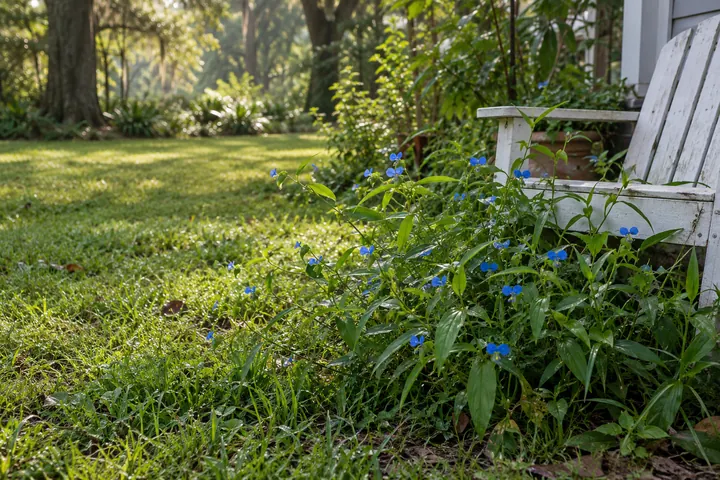
Spreading dayflower questions: look at the little boat beneath the blue flower
Blue petals are easy to notice above a green lawn border. The smaller structure holding the flower can make a dayflower comparison more useful, especially when common names have been used loosely.
Take a closer look ↗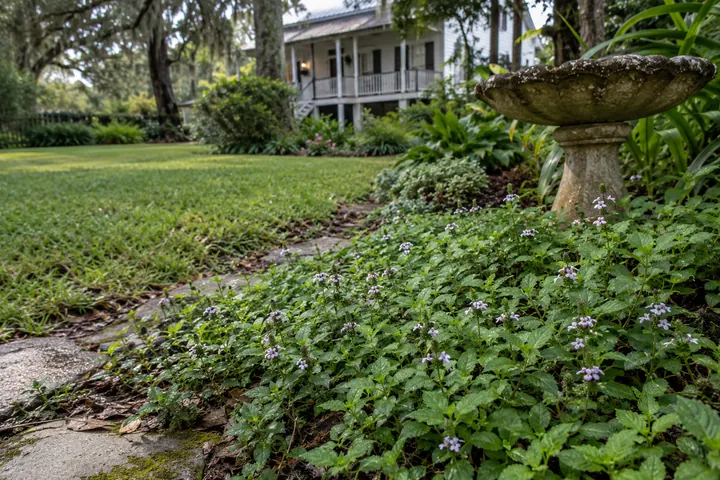
Frogfruit beside the lawn: decide what belongs in the flowering border
A low flowering mat may be an unwanted lawn guest or a groundcover someone intends to keep. A frogfruit conversation works better when identification, the chosen boundary and the routine lawn finish each have a clear place.
Take a closer look ↗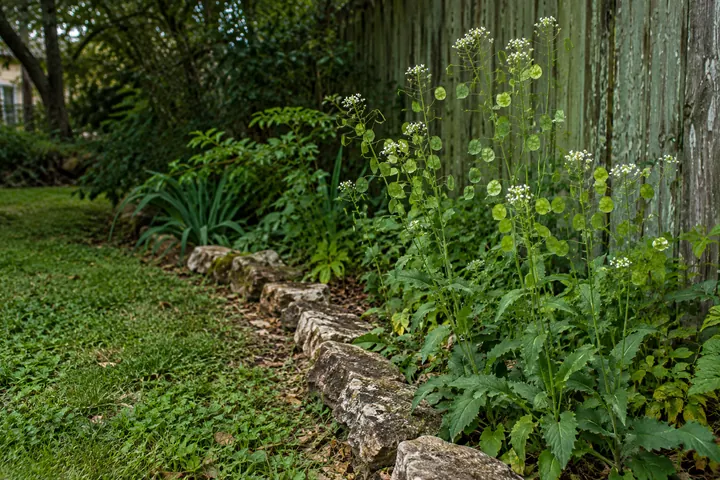
Virginia pepperweed questions: follow the white flowers down to the flat fruit
A fine white flowering stem can become a row of little green disks. A Virginia pepperweed inquiry preserves that sequence and the branching pattern instead of letting a familiar nickname do all the identifying.
Take a closer look ↗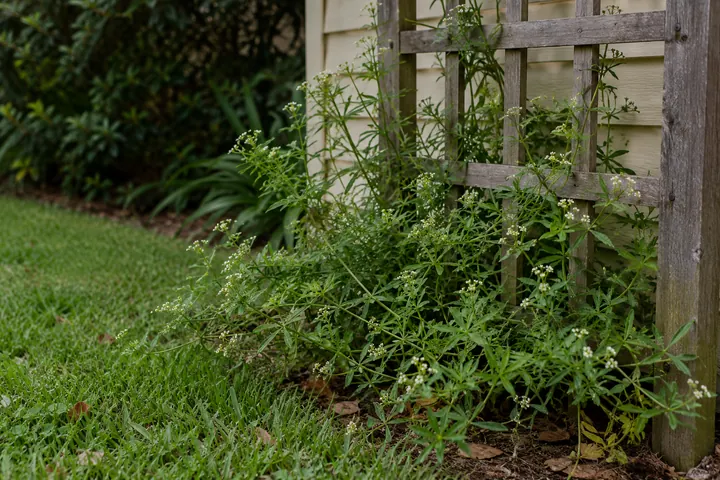
Catchweed bedstraw questions: untangle the evidence before naming the mat
A loose tangle of narrow leaves can drape over other plants and make its origin hard to follow. A catchweed bedstraw inquiry keeps leaf whorls, supporting stems and attached fruit separate from loose material found nearby.
Take a closer look ↗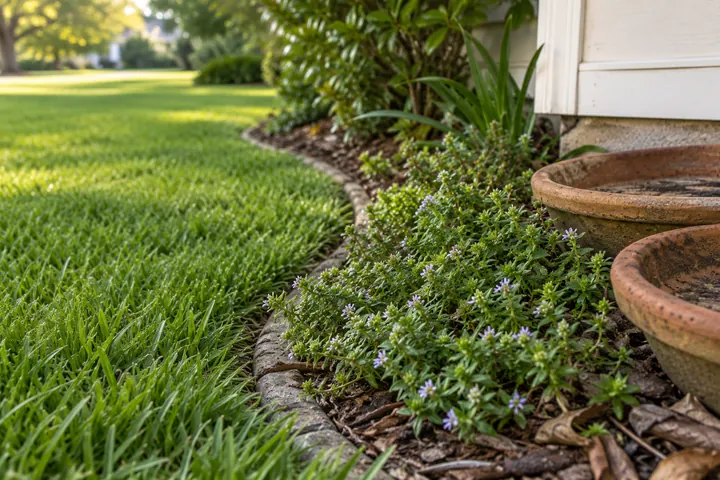
Field madder questions: one leaf whorl, one stem and the terminal flowers
A low mat with tiny pointed leaves can be difficult to describe from a standing lawn view. A field madder inquiry becomes clearer when one node is separated from the next and the flowering end stays attached to its stem.
Take a closer look ↗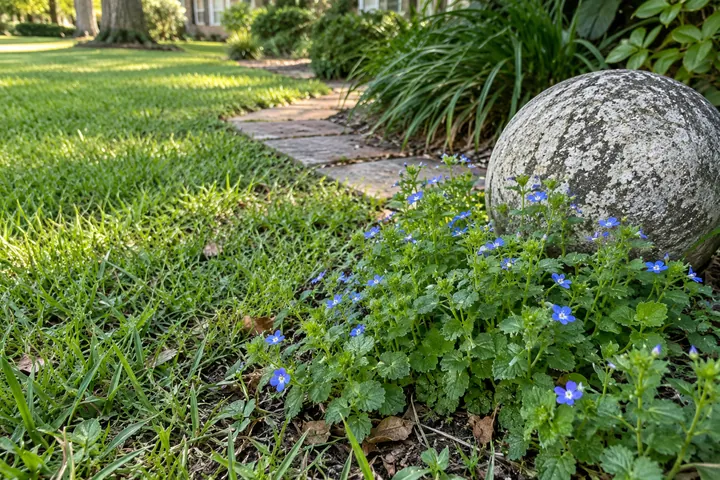
Corn speedwell questions: compare the lower leaves with the flowering tip
A tiny blue flower can be the least difficult part to spot and the hardest part to photograph clearly. A corn speedwell inquiry follows one stem from its lower leaves toward the tip, preserving what changes along the way.
Take a closer look ↗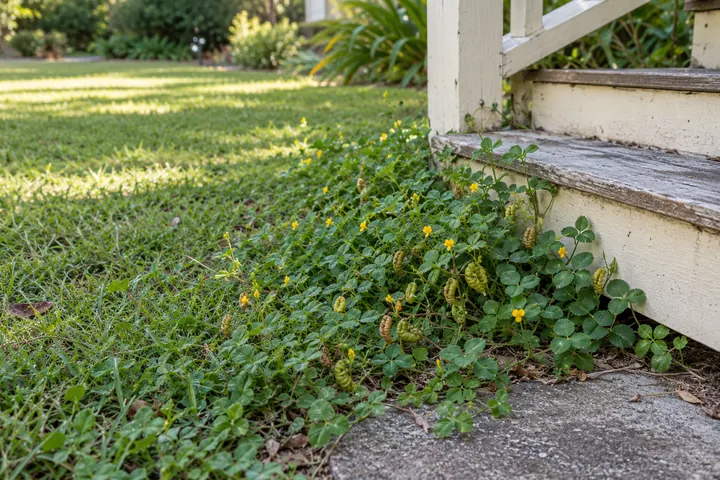
Burr medic questions: connect the coiled pod to the three-part leaf
Three leaflets can suggest a familiar clover-like plant, while a loose burr can suggest a very different lawn concern. A burr medic inquiry keeps those observations separate until an attached pod links the evidence.
Take a closer look ↗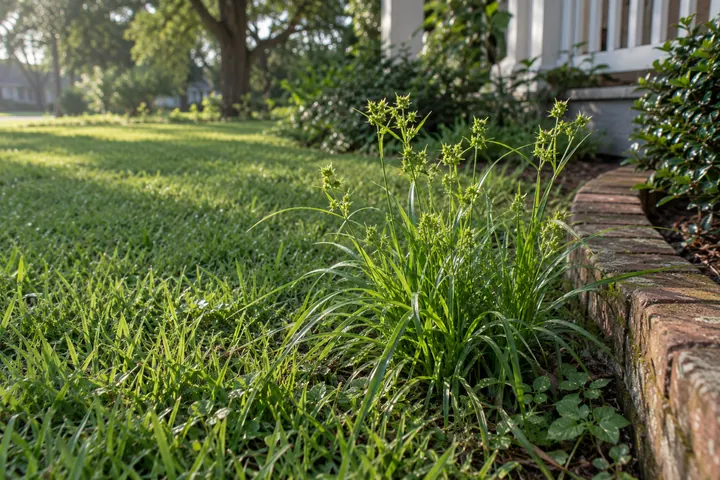
Annual sedge questions: read the flattened green head before using a broad label
A glossy grass-like clump can stand above a lawn without being the same plant as every nearby upright shoot. An annual sedge comparison asks about the head's flattened outline and keeps unseen underground features out of the surface photograph.
Take a closer look ↗Start with the question that changes your next step
If the yard is growing too fast between visits, compare mowing intervals. If it looks unfinished after cutting, review the distinct roles of edging, trimming and blowing.
If a quote is difficult to compare, list the actual areas and tasks included. A useful guide should help you make that next conversation clearer.
Regional grass guidance can help explain general maintenance principles, but it cannot identify every lawn issue from a short description. Grass species, current stress, shade, moisture and the condition of the ground all matter.
We link to primary educational sources where those principles are discussed rather than treating a generic tip as a diagnosis.
Keep the service boundaries clear
We don’t offer fertilization, aeration, overseeding or pest control. Reading about a lawn topic does not mean that Happy Grass offers every treatment connected to it. Ask about the actual service and explain the problem you are trying to solve.
For work on your property, request a quote with current photos and access details. For coverage, see the Westbank service-area page. For the full maintenance combination, explore the services.
Use the question you have today as your starting point
You do not need to become a lawn specialist to ask for a useful quote. Start with the decision in front of you: what should be included, how often the grass needs attention, how the backyard can be reached or what a tidy finish should mean. The pages in this section help you organize those questions before you contact Happy.
Some questions need the property details more than a general rule. A narrow gate, a grass strip beside a driveway and a shaded corner can all change the maintenance conversation. Use the information here to describe your lawn clearly, then ask about the work rather than assuming that advice for an open yard applies to every space.
When the main question is the mowing interval
The weekly-versus-biweekly guide is a useful starting point when the grass seems to get ahead of the calendar. Notice how the lawn looks between cuts, which areas grow differently and whether the current routine feels comfortable before the next visit. Those observations help explain why you are asking about a change.
Keep a temporary interruption separate from the normal routine. If several cuts were missed, the first visit back may need its own assessment before an ongoing interval can be discussed. The guide helps organize that conversation without pretending that a schedule name tells the whole story about the yard.
When you are comparing mowing and finishing work
The lawn-mowing, edging, weed-eating and blowing pages explain different parts of a visit. Open grass, suitable hard edges, accessible tight spaces and paved finishing areas are related, but they are not identical jobs. Name the combination you want instead of relying on the general phrase lawn service.
This makes price comparisons more useful too. A quote for cutting the front alone is different from one that includes front and back, edging, trimming and blowing. Read the service descriptions alongside your area list so you can ask what is included in the work you are actually considering.
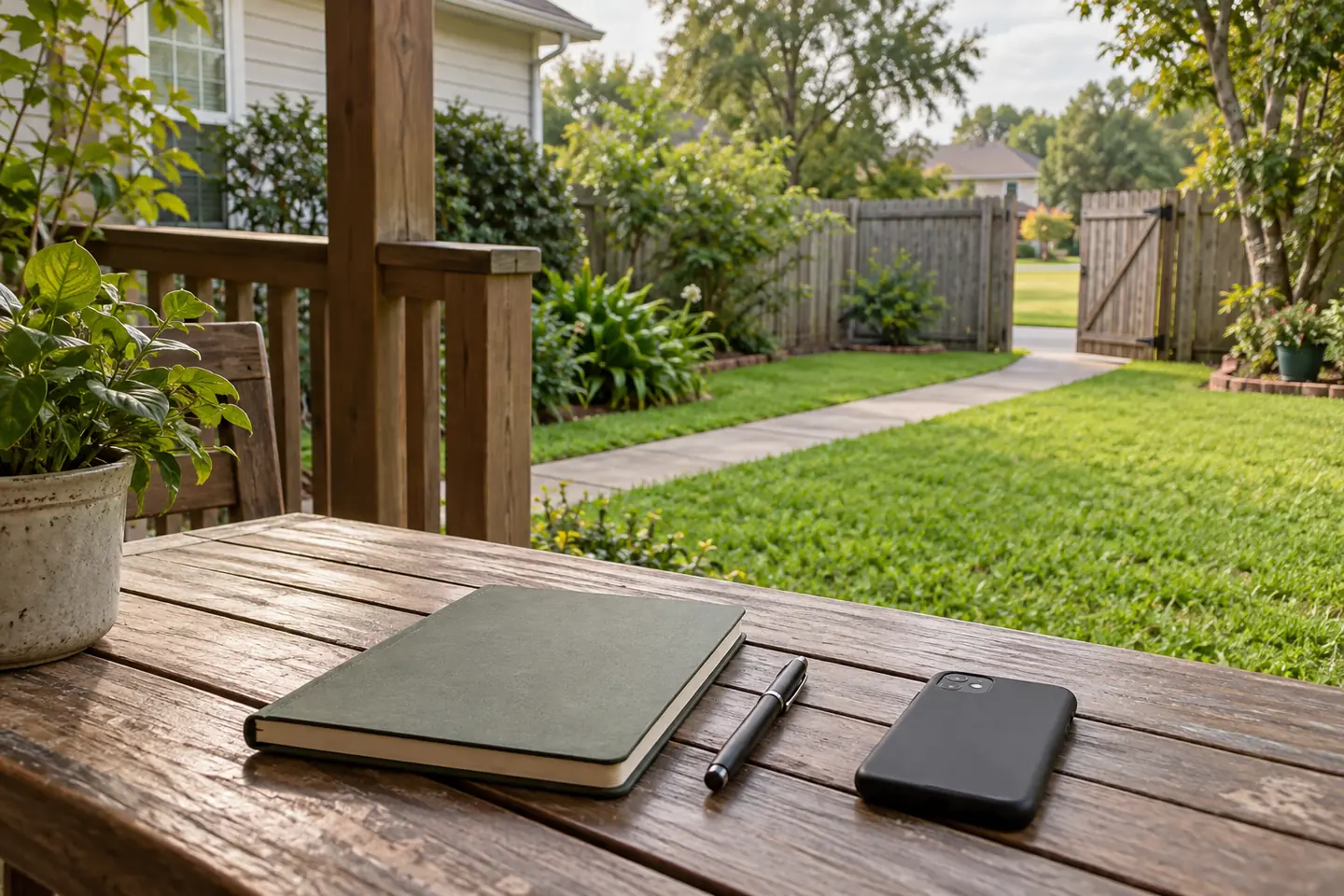
When the difficult part is getting into the backyard
Start by photographing the gate open and the approach on each side. Show a tight turn, step, low obstruction or narrow passage that affects access. A large open backyard does not establish that equipment can reach it through the available entrance. The route into the work matters as well as the grass itself.
The Marrero area page uses backyard planning as a practical example, while the other area pages explore different property arrangements. These are useful ways to organize a question, not assumptions that all homes in one city are alike. Use whichever example helps you explain your own access and preparation needs.
When the lawn is made of several separate sections
Give the pieces simple names: front lawn, side strip, backyard and grass beside the shed. Take a wide photograph of each and explain how they connect. A quick sketch can help when driveways, planted areas or fences divide the grass into separate spaces.
The Belle Chasse area page discusses this kind of planning in more detail. The same approach can help at any listed service address. The aim is to make sure the included areas and access routes are understood before a visit is expected, rather than treating one mailing address as proof of one uniform mowing task.
When a small yard still has lots of details
Do not downplay a request just because the grass area is compact. Short driveway strips, fence corners and planted boundaries can involve several tasks in a small space. Explain which details bother you most and show the surrounding materials so the right discussion can happen.
The Westwego and Gretna area pages offer examples focused on compact sections and frontage details. Read those alongside the edging and trimming service pages if the open grass is only part of your concern. A tidy result begins with a clear idea of what should be maintained and what should be left alone.
When shade or a tree changes the picture
Show the sunny and shaded sections together, then add close views of exposed roots, mulch or planted areas. Describe thin grass or changing growth as an observation rather than a diagnosis. A lawn-maintenance request should not become a promise to make grass grow in every location.
The Algiers area page explains how to frame that conversation while protecting the distinction between lawn work and tree care. If a separate plant-health concern needs specialist advice, keep it separate from the mowing scope. Happy Grass does not offer fertilization, aeration, overseeding or pest control.
When you want to ask for a quote but are not sure what to send
The quote page walks through the details that make a request useful. Include the address, the areas you want included, current photographs and your preferred contact method. Mention clipping collection, leaves or other extra requests separately so they are not silently folded into an ordinary mowing description.
An everyday sentence works: the backyard is tall, the gate is on the left and you want the driveway edges tidied. You do not need polished wording or a complete diagnosis. The useful next step is a clear conversation in which the included work, price and available timing can be reviewed directly with Happy.
Turn the information into one clear next action
Choose the page that answers your immediate question, make a short note of what applies to the property and take the photographs that explain the remaining details. There is no need to read every page before making contact. Use the guides to reduce guessing, not to make a simple request feel like homework.
If something changes after the first message, send an update. A new gate, a rain-softened route or a partly cut lawn can matter more than the earlier description. Keep the final arrangement clear: which areas, which tasks and what timing has actually been confirmed. Then let’s get a little less lawn on your mind.
Match an unusual lawn patch with the decision you need
An unfamiliar patch does not always lead to a mowing question first. Use the condition guides to separate three things: what you can see, what remains uncertain and the work you want reviewed. That distinction keeps a photo of an unusual surface from being treated as a complete diagnosis or an instruction to use a particular product.
- Mushrooms before mowing: show the visible caps and surrounding grass, while keeping identification separate from the grass-cutting scope.
- Moss-like areas: compare the surface with the adjacent turf and describe the shade or ground observations you actually know.
- Holes or disturbed turf: show the changed area and access route without assuming the cause or asking equipment to cross an uncertain opening.
Then make one clear next request. You might ask for ordinary maintenance on an accessible section while another area remains excluded for a separate assessment. Keep any professional advice with the property notes and explain only the instruction that affects the proposed lawn visit. The guide helps organize that handoff; it does not add treatment, wildlife control or ground-repair services.
Insect observations, identification and diagnostic handoffs
- Chinch-Bug Concerns Before a Lawn Visit
- Fall-Armyworm Concerns When Grass Changes Quickly
- Sod-Webworm Questions When a Lawn Looks Unevenly Eaten
- Mole-Cricket Concerns and Disturbed Lawn Ground
- White-Grub Concerns and a Lawn That Feels Loosely Rooted
- Spittlebugs in the Lawn: Separate the Foam from the Grass Condition
- Billbug Questions in a Brown Lawn: Understand the Stem Clue
- Black Cutworm Questions: Record the Cut Grass, Not Just the Bare Circle
- Ground Pearl Concerns: Investigate Persistent Lawn Thinning Before Replacing Grass
- An Ant Mound in the Lawn: Separate the Insect Concern from the Mowing Route
- Lawn Nematode Testing: Match the Sample to the Question
- Preparing a Turf Diagnostic Sample: Keep the Grass, Roots and History Connected
- Photographing a Lawn Insect for Identification: Keep the Creature and Context Together
- An Evening Lawn Observation: Record What You Can See Without Turning It into a Test
- Biting-Insect Concerns and Lawn Service: Ask the Right Provider the Right Question
- After a Lawn Diagnostic Reply: Turn the Finding into Clear Follow-Up Questions
Connected plant evidence and practical lawn boundaries
- Broadleaf Plantain in a Lawn: Read the Low Leaves Before Changing the Cut
- Black Medic in a Lawn: Follow the Yellow Flowers and the Leaflet Stems
- Common Lespedeza in a Lawn: Understand the Low Mat and Maturing Stems
- Carolina Geranium in a Lawn: Follow the Lobed Leaves as the Plant Changes Shape
- Annual Bluegrass in a Warm-Season Lawn: Separate Seed Heads from Cutting Height
- Buckhorn plantain: follow the narrow leaf back to its base
- Annual ryegrass in a mixed lawn: sort out the history before the next cut
- Rescuegrass questions: keep the branching head and its source together
- Bahiagrass and the repeated V-shaped head: describe what keeps standing out
- Carpetgrass in an existing lawn: decide what is supposed to stay
- Sandbur concerns near a lawn route: locate the burs before naming the whole yard
- Crowfootgrass or another fingered head? Compare the whole structure
- Carpetweed on open ground: separate the plant mat from the missing lawn
- Horseherb by the lawn: settle what to keep before asking for a cleaner edge
- Common bermudagrass at a lawn border: separate a clean line from a plant boundary
- Field paspalum questions: know when a close comparison needs an expert
Read attached plant parts and clarify routine lawn work
- Barnyardgrass questions: an absent leaf feature needs a clear view
- Johnsongrass at a lawn edge: tall growth can change the job
- Vaseygrass comparisons: look beyond the white line in a large grass leaf
- Broomsedge in a lawn corner: brown tufts are not a soil test
- Yellow foxtail questions: a bristled head needs its leaf-base evidence
- Broadleaf signalgrass: a broad blade is still a grass blade
- Doveweed in a grass-like mat: read the creeping layer before chasing height
- Florida betony questions: keep the leafy patch and the segmented tuber record connected
- Shepherd's purse questions: read the little pods below the flowers
- Hairy bittercress questions: rosettes, tiny flowers and slender pods
- Dandelion questions: follow the flower stalk back to its rosette
- Asiatic hawksbeard questions: small yellow heads on a branching frame
- Annual sowthistle questions: clasping leaves and grouped yellow heads
- Curly dock questions: wavy leaves and the rusty standing stem
- Purslane questions: fleshy leaves at the paver edge
- Horseweed questions: follow the upright stem above the rosette
Plant comparisons and clear lawn-work boundaries
- Purple deadnettle or henbit? Start where the upper leaf joins
- Common mallow and cheeseweed: read the fruit before trusting the name
- Eclipta questions: connect the paired leaves and white flower head
- Prostrate knotweed questions: follow the wiry stems across the gap
- Cudweed questions: record which leaf surface looks woolly
- Spreading dayflower questions: look at the little boat beneath the blue flower
- Frogfruit beside the lawn: decide what belongs in the flowering border
- Virginia pepperweed questions: follow the white flowers down to the flat fruit
- Catchweed bedstraw questions: untangle the evidence before naming the mat
- Field madder questions: one leaf whorl, one stem and the terminal flowers
- Corn speedwell questions: compare the lower leaves with the flowering tip
- Burr medic questions: connect the coiled pod to the three-part leaf
- Annual sedge questions: read the flattened green head before using a broad label
Turn two useful guides into one property decision
Sometimes your question belongs in two guides. A shaded corner may also contain exposed roots; a narrow gate may lead to a poolside strip. Read each guide for the different decision it helps you make. The shade discussion can help describe the growing area, while the root discussion helps explain a fixed feature. Neither observation cancels the other or turns the two subjects into one diagnosis.
Write down what you actually learned about your property before opening a third article. You might now know which corner needs a closer view and which access question remains unanswered. That is a useful stopping point. Gather the missing information, then bring the combined picture into the service conversation. Reading more pages is helpful when it resolves a specific uncertainty; it is less helpful when it replaces looking at the lawn you are trying to describe.