
Begin with the condition in front of you
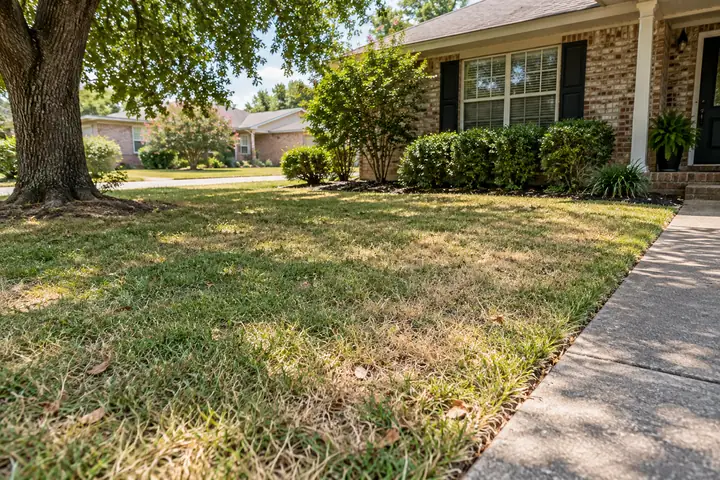
A dry spell can make one lawn slow down while a shaded or irrigated section behaves differently. Do not let a photograph of the greenest corner stand for the whole property. Show the main grass, the areas that look stressed and any part still growing noticeably.
Explain when the change began and when the lawn was last cut. You do not need to decide the cause before asking about maintenance. A clear observation gives Happy something useful to review. The next conversation should fit the current yard rather than repeat an earlier routine automatically because the same address appears on the schedule.
Drought stress changes mowing decisions
LSU AgCenter’s Louisiana drought guidance advises against mowing stressed grass. That is a reason to review a dry-looking lawn before expecting the usual work, not a reason to assume every tan patch has the same cause. The actual turf, site and wider care plan still matter.
If the cause is uncertain, seek appropriate extension or turf-professional advice. A mowing quote should not become a promise to diagnose water stress or restore color. The practical maintenance question is which work, if any, can appropriately be considered now and what needs to wait or receive separate attention.
Color alone does not settle the question
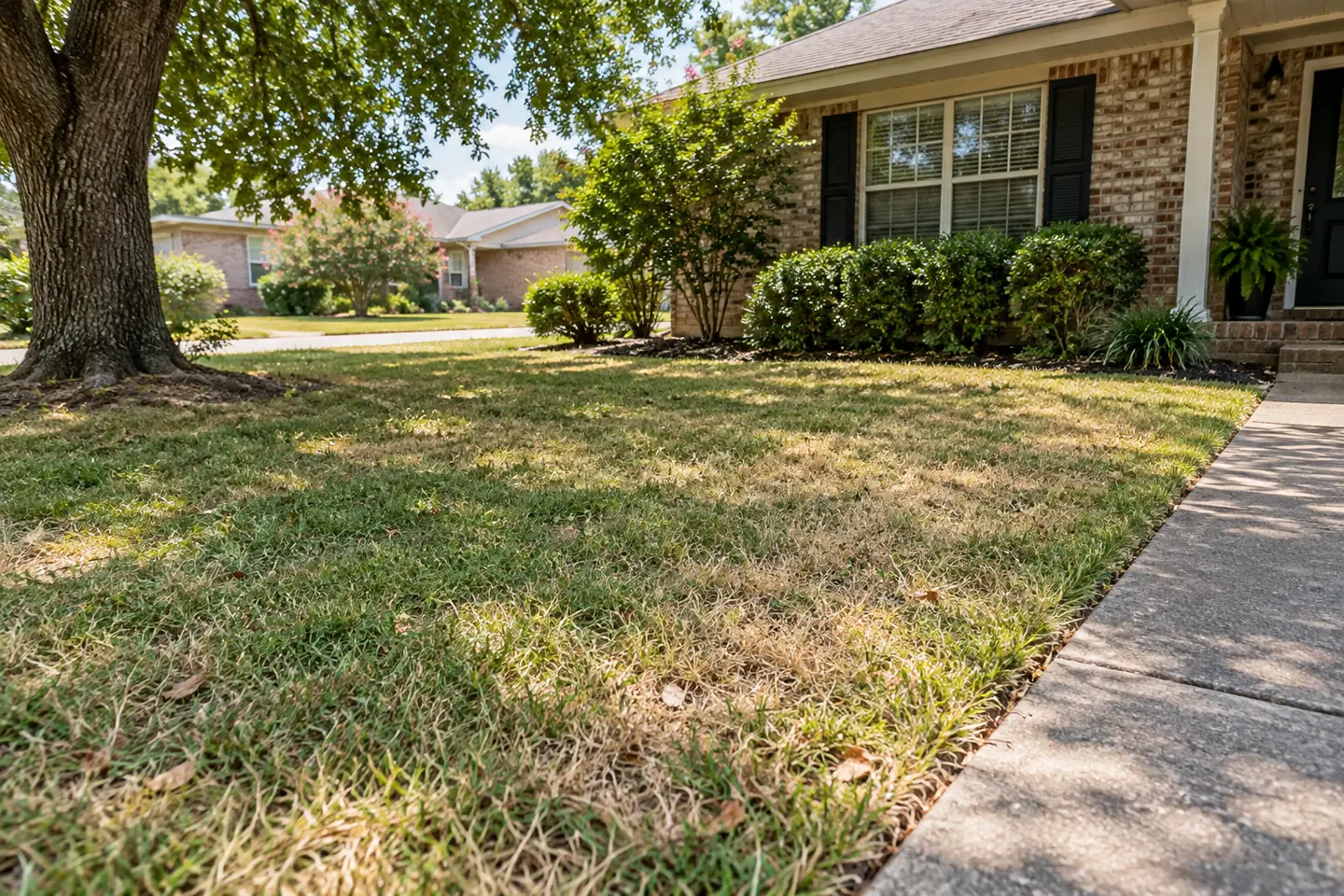
LSU describes drought-induced dormancy as a possible response to prolonged dry conditions. It also explains that a lawn’s condition and stress history matter. Do not turn that general background into a guarantee that every browned area will recover or a fixed date on which it will green up.
Describe the pattern honestly. Is the change fairly broad, concentrated beside paving or limited to one patch? A wide image and closer reference can help explain it. If the condition is worsening or its cause remains unclear, arrange suitable assessment instead of treating the mowing conversation as the only investigation the property needs.
Keep the different yard sections separate
A sunny front strip, shaded backyard and repaired area may have different conditions. Label current photos so the location is clear. Mention verified grass types if known, and identify any section following an installer’s instructions. The whole property should not be forced into one description merely because the same person maintains it.
This can also clarify a limited request. Perhaps you are asking whether an accessible, actively growing section can be considered while another remains excluded. Availability, suitability, price and timing need direct agreement. Do not assume a partial visit or later return is automatically included in the ordinary arrangement.
Share relevant irrigation information
Tell Happy if irrigation has run recently and whether a system problem is known. A dry-looking main lawn can coexist with a wet patch near a leaking component. Those observations affect the work area in different ways. The maintenance plan should not overlook soft access simply because drought is the larger concern.
Follow appropriate property-specific care advice rather than changing watering solely to force an appointment. This guide does not prescribe a universal irrigation amount or override local requirements. Irrigation inspection and repair are separate from routine lawn maintenance. Clear information about the existing care arrangement helps keep the mowing request connected to the actual site.
Avoid a short-cut catch-up plan
If the lawn has had a gap in maintenance, a dry appearance does not make an unusually low cut a sensible default. The intended height should suit the verified grass and current conditions. A lower setting cannot solve an irrigation fault, establish a diagnosis or replace missing turf.
Ask for a review before prescribing the work. If an earlier photo shows the maintained appearance you like, label it as a reference and pair it with today’s condition. The practical objective is an appropriate next step, not an immediate promise to make a stressed lawn match an unrelated picture or its best appearance from another season.
Keep traffic off the sensitive-plan assumptions
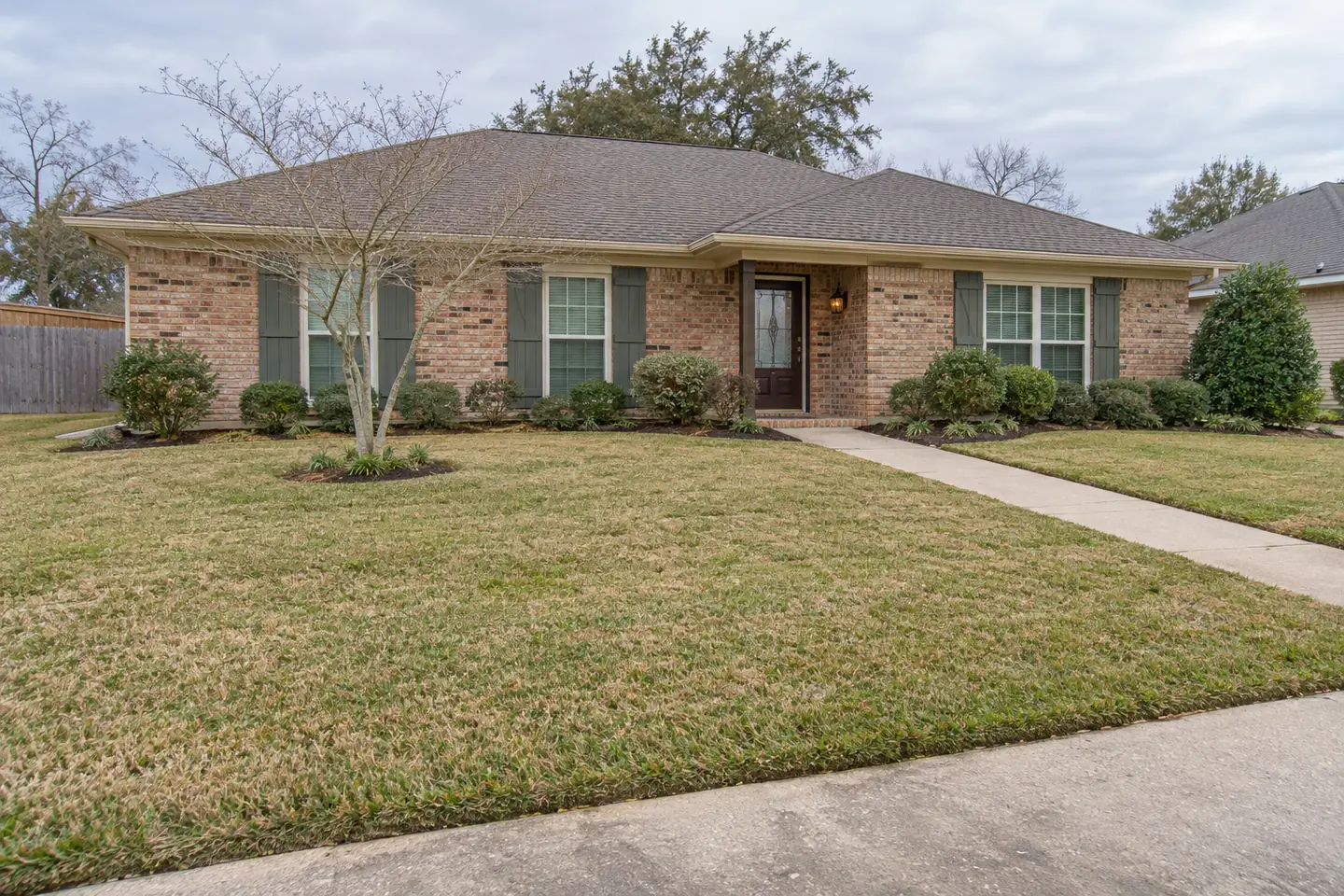
Describe regular footpaths, pet routes and equipment access through affected areas. LSU’s drought-dormancy guidance cautions about heavy traffic on dormant turf. That general point makes the route relevant, but it does not prove that every patch must receive identical restrictions.
Show the actual access and any care instructions already supplied. If the only route crosses an area that should remain undisturbed, a delay or another arrangement may need consideration. Do not remove protective barriers or reroute traffic over a different vulnerable section just to make maintenance easier. The plan should fit the property’s real limitations.
Separate other work from the mowing request
A dry-looking yard can prompt a long list of possible treatments. Avoid adding products or services based only on color. Identify the concern and use appropriate advice for the actual cause. Routine mowing should not quietly expand into a complete turf-restoration program.
Happy Grass does not offer fertilization, aeration, overseeding or pest control. Mowing, edging, weed-eating and blowing can be discussed within an agreed scope, with weed-control requests reviewed separately for suitability. If another provider is treating or repairing the lawn, share relevant timing and instructions privately so the maintenance conversation can respect that work.
Use photos without disturbing the patch
Take current wide views from accessible ground and add representative detail where safe. Include the path, fence or bed that locates the concern. Avoid pulling turf, digging or repeatedly walking across sensitive ground merely to produce a quote photo. If a specialist requests a sample, follow the specific instructions supplied.
- Label the date and location.
- State the last known cut.
- Mention recent irrigation or system trouble.
- Show established and repaired areas separately.
- Explain any current traffic restriction.
A short accurate record is enough to begin. It should support a review rather than create another intervention in a lawn whose condition is still uncertain.
Confirm changes to an existing arrangement
If the property was already on a routine, explain what has changed and ask what the next visit should cover. A recurring interval does not remove the need to consider current growth and conditions. A limited scope or delay should be agreed directly rather than inferred from a weather description.
When someone else occupies the property, keep the confirmed plan with the person managing access. Avoid promising a replacement day before it is actually available. Clear communication helps a seasonal or weather-related adjustment remain a practical service decision instead of several people assuming different versions of what will happen next.
Resume the conversation when growth changes
After conditions improve, provide a current update rather than relying only on the dry-spell photographs. Explain which sections have resumed visible growth and whether another provider has supplied new instructions. The next cut should consider the lawn as it is then, not automatically return to an old setting or date.
Keep expectations realistic. One maintenance visit should not be assumed to restore every thin patch or erase the effects of the earlier condition. A useful routine can be discussed once the actual growth and access are understood. The purpose is a manageable plan with clear boundaries, not a guaranteed recovery outcome.
Ask Happy about the sensible next step
Send the city, address, current photos, last cut if known and any relevant care guidance. Explain the areas you want reviewed and the parts that should remain undisturbed. Happy can consider the maintenance request while any diagnosis or repair question receives its own appropriate attention.
Call 504-339-3571 or use the quote form for Harvey, Marrero, Gretna, Algiers, Belle Chasse or Westwego. A little lawn love sometimes means reconsidering the usual cut. Start with the condition, connect the care information and work toward a next step that fits your yard.
Keep the observation separate from a weather forecast
An expected shower does not establish the lawn’s condition after it arrives. When updating the mowing discussion, describe what actually changed rather than promising that a forecast will make the grass ready. A little rain and a meaningful change in growth are not interchangeable facts.
The same applies to irrigation work. A scheduled repair is useful information, but it does not prove the system has been fixed or the ground has become suitable. Share the actual completion and current view when available. That lets the next maintenance decision rest on observed conditions and relevant care advice instead of a hopeful date.
Keep the current request separate from the recovery wish
A homeowner may want a dry-looking lawn to become uniformly green and also need to decide what maintenance to discuss this week. Write those as separate questions. Describe the visible grass, recent cutting history and any known interruption to the normal routine. Then state the immediate decision you need help with, such as whether a proposed visit still fits the current condition.
Do not make a prediction about recovery part of the cutting instruction. A broad photograph can show a patch's position without establishing its cause, root condition or future appearance. If you later receive specific guidance from an appropriate source, keep that guidance with the area it concerns. Until then, an honest maintenance request can acknowledge the larger concern while staying clear about the decision that can actually be reviewed now.