
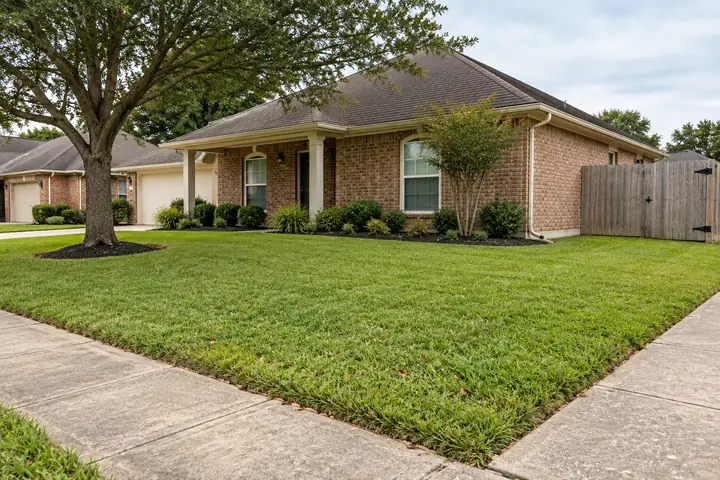
Begin with the result that would make you happy
Maybe you want to stop spending Saturday behind a mower. Maybe the front edge always looks shaggy, or a busy month has left the yard ahead of you. Start there. A plain explanation of the problem helps Happy understand what you want from lawn care before the conversation gets into schedules and property details.
You do not need a perfect description. “I want the front and backyard kept tidy, including the sidewalk edge” is a good beginning. Explain whether you are asking about a first cut, a regular routine or a specific finishing concern. The quote should answer your actual need rather than rely on a vague request to do everything outside.
Give the right address and city
Include the service address, city and the name of the person arranging the work. Happy Grass serves Harvey and the Westbank, including Marrero, Gretna, Algiers, Belle Chasse and Westwego. Availability and the particular property still need review. A city name alone cannot establish the route, access or actual work area.
If your mailing address differs from the lawn location, make that distinction clear. For a corner property or building with several entrances, explain which approach leads to the grass. Avoid sharing unnecessary private documents. The useful information is the location to be considered and a contact who can answer practical questions about it.
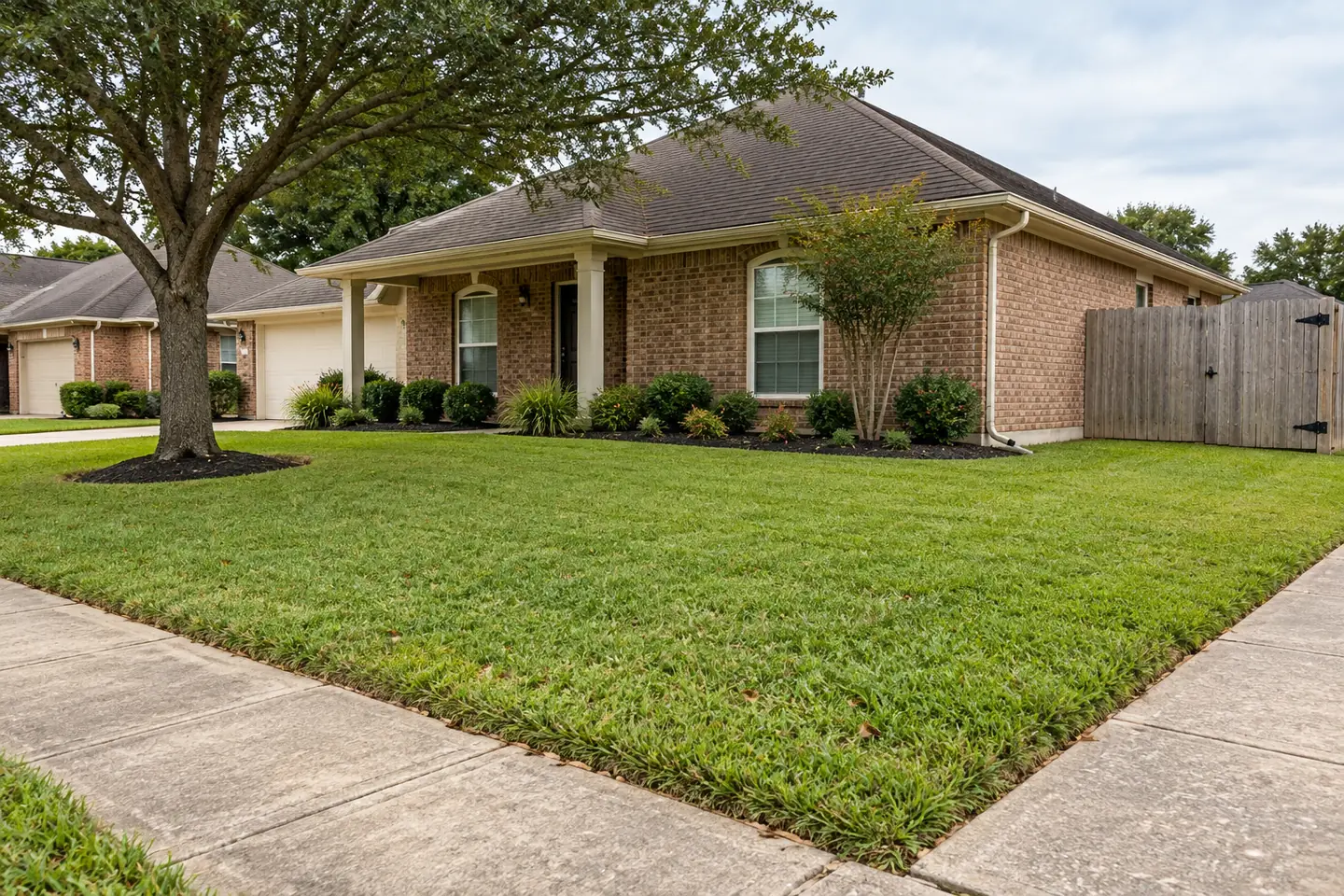
Show the yard in a few useful views
Wide photos can explain more than a long paragraph. Show the front, backyard and any side strip included in the request. Add the gate and route into the work area. A closer image can show unusual growth or a fixture, but pair it with a wider reference so the location is recognizable.
Use current images and label older references. An old maintained-yard picture can explain the finish you like, while today’s image shows the starting work. Take photos safely from accessible ground. If a section cannot be seen, say so. A useful quote should be based on honest visibility limits rather than treating hidden areas as already reviewed.
Say when the grass was last cut
The first visit can differ from an ongoing routine. A recently maintained yard and one with a long gap may have different growth, material handling and hidden obstacles. Tell Happy the last known cut and whether conditions have changed since then. An approximate period is useful when an exact date is unavailable.
If you do not know, use current photos instead of guessing. Explain whether someone else has been cutting only part of the property. A neat front and tall backyard can need a different starting assessment from a consistently maintained whole yard. The quote conversation should reflect that difference before any recurring plan is discussed.
Name the grass areas you want included
Walk through the property in words: front lawn, left side strip, fenced backyard and the grass beside the driveway. Include any separate island or outside fence face you are authorized to arrange. A simple list prevents a small overlooked section from becoming a surprise after the main lawn is done.
- Identify the main open grass areas.
- Show narrow passages and side strips.
- Mention separate fenced sections.
- Distinguish ordinary lawn from a bank or ditch.
- State any area that should remain untouched.
If a boundary or responsibility is uncertain, clarify it before adding that area to the request. A quote is not a legal property-line determination.
Separate the cutting from the finishing
Mowing, edging, weed-eating and blowing describe related tasks, but they are not identical. Explain what looks unfinished in your yard. A sidewalk edge, fence base and grass around a low fixture may need different attention. Show those locations and ask whether they are included in the proposed scope.
Happy Grass also discusses weed-control work for the actual site. Fertilization, aeration, overseeding and pest control are not offered services. Major clearing, tree work, structural repairs and landscape installation should not be assumed to come with grass cutting. Clear task descriptions make the quote more useful than a broad promise that could mean several different things.
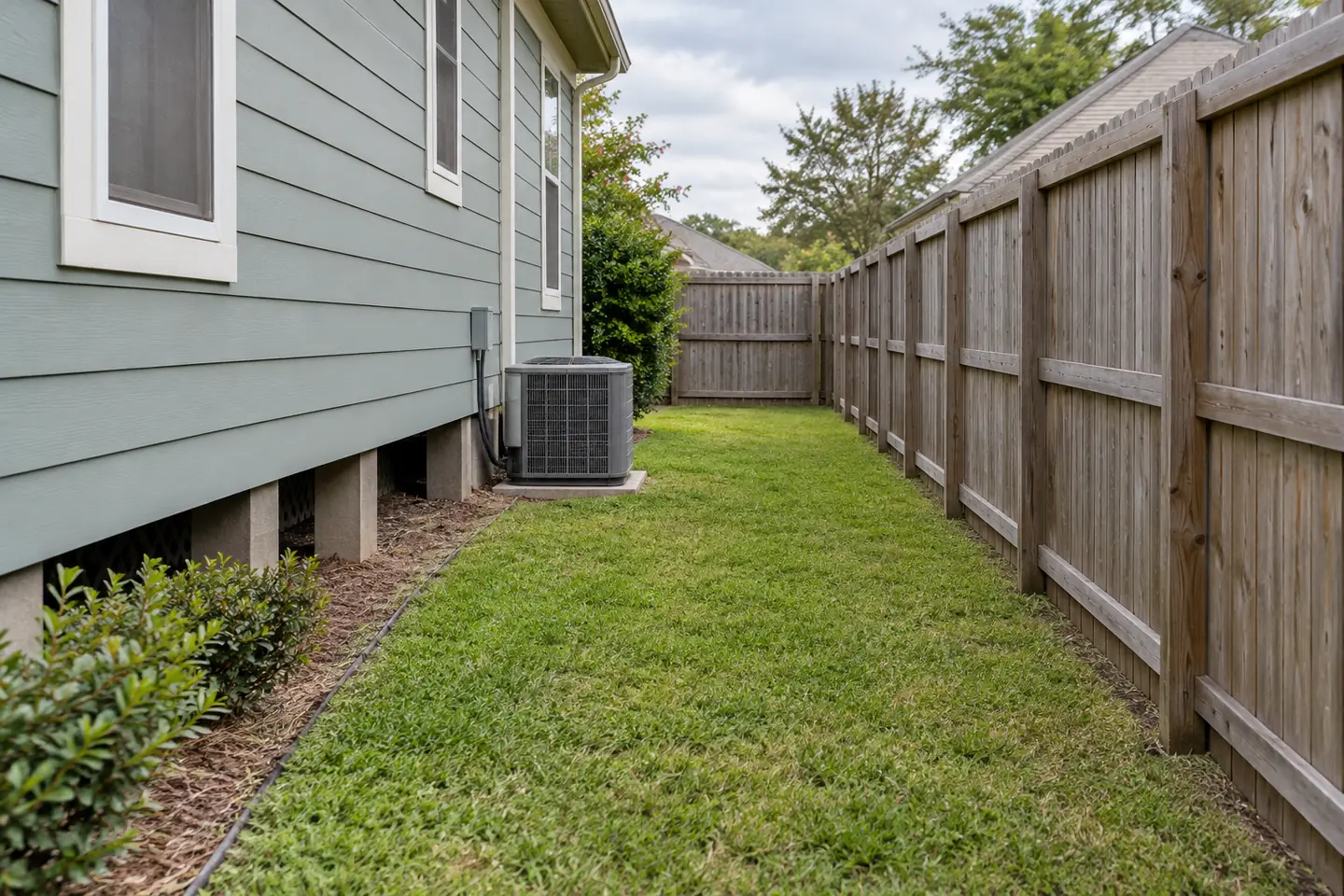
Explain the route through the gate
If safe, measure the clear gate opening and show the space immediately beyond it. The entrance width is only part of the access question. Turns, steps, thresholds and storage can affect the route. Mention whether the side passage is the only way to the backyard and whether it stays soft after rain.
Share sensitive access details privately through the agreed arrangement. Explain who will make the gate available and how pets will be kept out of the work area. A clear route helps the visit begin smoothly. Structural gate changes or moving heavy materials are not automatic parts of a mowing price, so identify those needs separately.
Point out the features worth protecting
Low irrigation heads, exposed roots, delicate borders and loose fence sections are useful quote information. Take a wide photo and a closer reference where safe. Mention known holes, pipes and utility covers that grass may conceal. You do not need to investigate an unsafe area or disturb equipment to supply the details.
The goal is a realistic maintenance plan around the property as it stands. A repair need should be identified separately rather than hidden inside the request for a tidy lawn. If another contractor will change the area, update Happy afterward with the actual condition. A future promise of clear access is different from a route that is usable today.
Choose a routine based on growth
Weekly and every-other-week mowing are starting options to discuss, not proof that the same interval suits every season and yard. Describe how quickly your grass has been growing and the appearance you want between cuts. The grass type, current condition and practical access can influence the conversation.
A regular schedule should also account for weather and unsuitable ground. Ask how changes are communicated and confirm actual timing directly. Do not assume an exact day is reserved merely because you selected a frequency in the form. A useful routine is one that fits the property and has clear expectations for both the ordinary visit and a changed condition.
Compare quotes by their actual scope
A lower number is hard to evaluate if one quote covers only mowing while another includes agreed finishing tasks. Compare the same areas, starting condition and frequency. Ask what cleanup is included, whether a first cut differs from recurring maintenance and which sections are excluded. Those details make the price understandable.
Bagging and hauling should be explicit if requested. Moving belongings, clearing building debris and repairing landscape features should also be discussed separately. There is no reliable universal price for every yard from a photograph or city name alone. Confirm the actual amount and terms for your property directly rather than relying on an invented online average.
Make the next step easy to confirm
Once you have a proposed scope, review the areas, preparation responsibilities, contact details and timing. Ask about anything unclear before assuming it is included. If you are arranging work for someone else’s property, establish your authority and the access contact. One person should be able to approve changes and communicate the confirmed plan.
Keep a copy of the useful property references. If the gate, occupancy or lawn condition changes, send an update. After service, a current photo and a specific location are the most helpful way to discuss a concern. Clear information at the start makes the result easier to review and the next visit easier to plan.
Ready for a little less lawn worry?
You can begin with five things: address, city, current yard photos, last known cut and the result you want. Add access details and any known obstacles. That is enough to start a practical conversation without turning your evening into paperwork. Happy can review the property and the requested work from there.
Call 504-339-3571 and ask for Happy, or use the quote form when it is convenient. Let’s kick some grass and work out what fits your yard. A little lawn love, a clear scope and a straightforward next step can help you spend less time wondering what the lawn needs and more time enjoying the place.
Test the quote against one complete example
Before comparing totals, choose one ordinary part of your yard and trace how each quote describes it. Imagine a side strip with grass, a concrete edge and a gate at the end. Does the description include that strip? Does it distinguish cutting the grass from finishing the paved edge? Does it say who prepares the route? These questions reveal differences that a single price cannot explain.
Then repeat the exercise for a part of the property with a different condition, such as the open front lawn. You are checking the meaning of the scope rather than trying to calculate a price from photographs. If one quote leaves an area unclear, ask about that gap before treating the offers as equivalent.
Keep any revised description with the version it changes. A later conversation about adding the side strip should not be silently attached to an earlier total. Once the included work is settled, compare the confirmed arrangements using the same area list. This gives your eventual decision a consistent basis and makes future changes easier to explain without reopening every detail of the original request.