
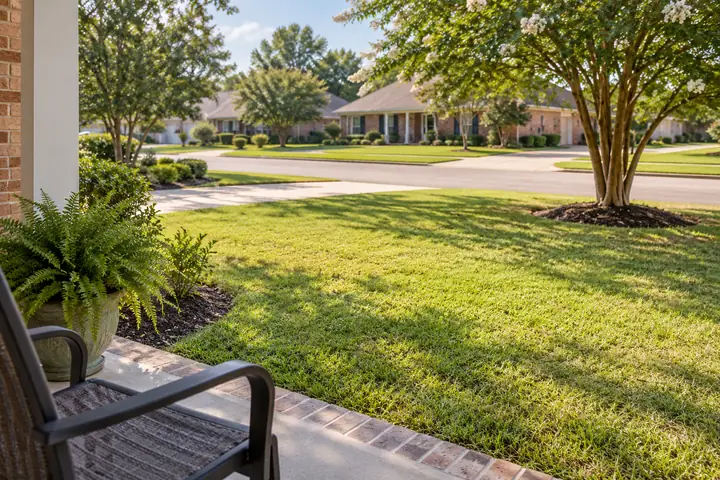
Start with the property, not your travel calendar
When you are arranging lawn care from somewhere else, the most useful information is still about the yard. Give Happy the service address, current condition and the work you want considered. You can mention when you will be away without sharing a detailed itinerary or making the conversation about every day of your trip.
The point is to build a plan that another person can understand. Which areas are included? How will access be arranged? Who can answer a question if something changes? Those details matter whether you are gone for a long weekend or managing the property from another city. A little preparation can make the lawn feel like one less open tab in your mind while you are busy elsewhere.
Get current pictures before you leave
Take broad views of the front, side and backyard while you can safely see them. Add useful details of the gate, obstacles and any area you want excluded. Save the date with the pictures so nobody has to guess whether the lawn still looks that way. A clear ordinary photo is better than a filtered view that hides the actual grass height.
If you are already away, ask an authorized property contact whether they can provide current photos safely. Do not describe old pictures as a present inspection. If no current view is available, tell Happy that limitation. An honest starting point can help identify what still needs review. Pretending the yard is unchanged makes a distant maintenance arrangement harder, especially when access or growth may have changed since you last saw it.
- Show each lawn section included in the request.
- Photograph the route through the gate as well as the opening.
- Mark older photos clearly in your message.
- Identify anything you cannot currently verify.
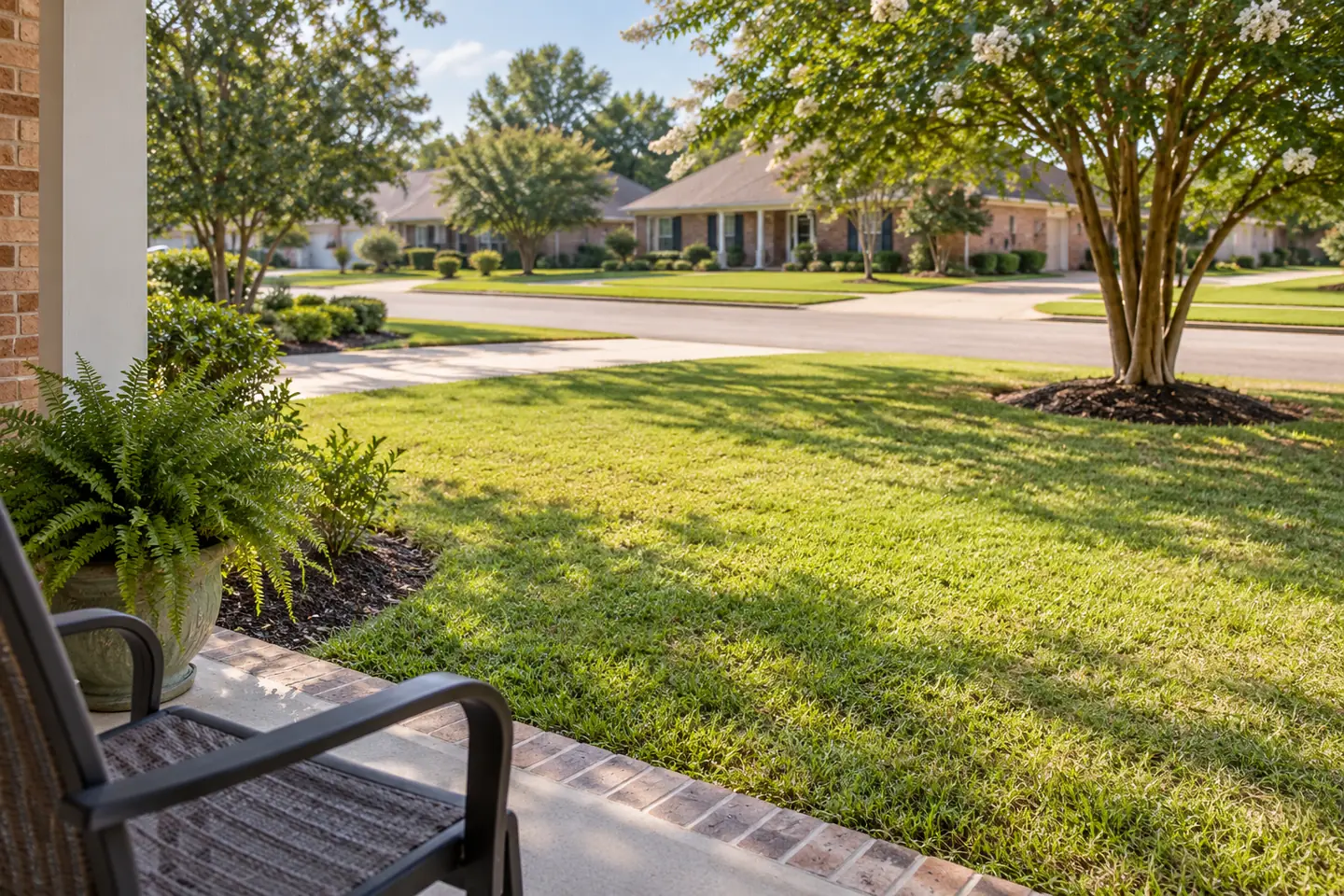
Give one person responsibility for access
Choose who will handle the gate and confirm that the person knows about the proposed visit. A nearby relative, tenant or property contact may be able to help, but do not assume they have agreed just because they have helped before. Their responsibility should be specific enough to act on: opening the gate, checking a cleared route or reporting a change.
Keep private access information in the agreed direct communication channel. The public website does not need your travel dates or a visible gate code. If the arrangement depends on somebody being present, say so before expecting unattended access. A clear plan should also explain who can respond if the normal route is blocked. That is more useful than leaving several possible contacts and hoping one of them happens to be available.
Define what the lawn visit includes
Tell Happy whether you want mowing, edging, weed-eating and blowing considered, and show the relevant areas. Explain any section that should be left alone. If you are seeking a recurring arrangement, ask how the proposed work and current growth fit that request. Being away does not turn a basic lawn visit into a general property-management service.
Tasks such as moving large furniture, checking the house, accepting deliveries or arranging repairs should not be assumed. Happy Grass does not offer fertilization, aeration, overseeding or pest control. A weed-control concern needs separate discussion. You can keep the request friendly and simple while still being clear. The goal is for everybody to understand the actual lawn work, without relying on a broad phrase such as keeping an eye on everything until you return.
Explain who can approve a change
An absent owner may be easy to reach some days and unavailable on others. Decide who is authorized to discuss a change in the requested work before that question arises. If the local contact can only provide access, make that distinction. Opening a gate does not automatically mean the person can approve a different service scope.
Use a current contact method and say how you prefer routine questions to be handled. Do not promise an instant response if you know you will be unavailable. At the same time, avoid expecting work beyond the agreement because you missed a message. Clear authority and communication help keep a small lawn question from becoming a chain of conflicting instructions passed between several people who each know only part of the plan.
Make pets and personal items part of the arrangement
If someone will be at the property with pets while you are gone, confirm the plan for the actual service visit. A travel schedule can change the normal household routine. The person caring for the animals needs to know when access is being discussed and what must be secured before the agreed work.
Arrange for loose toys, hoses and other movable items to be cleared from the work area by the responsible person. Do not assume the yard will remain empty simply because it was clear when you left. Deliveries, a neighbor helping out or a project at the property can change the scene. Ask your local contact to report relevant changes rather than sending only a reassuring message that everything looks fine from the front door.
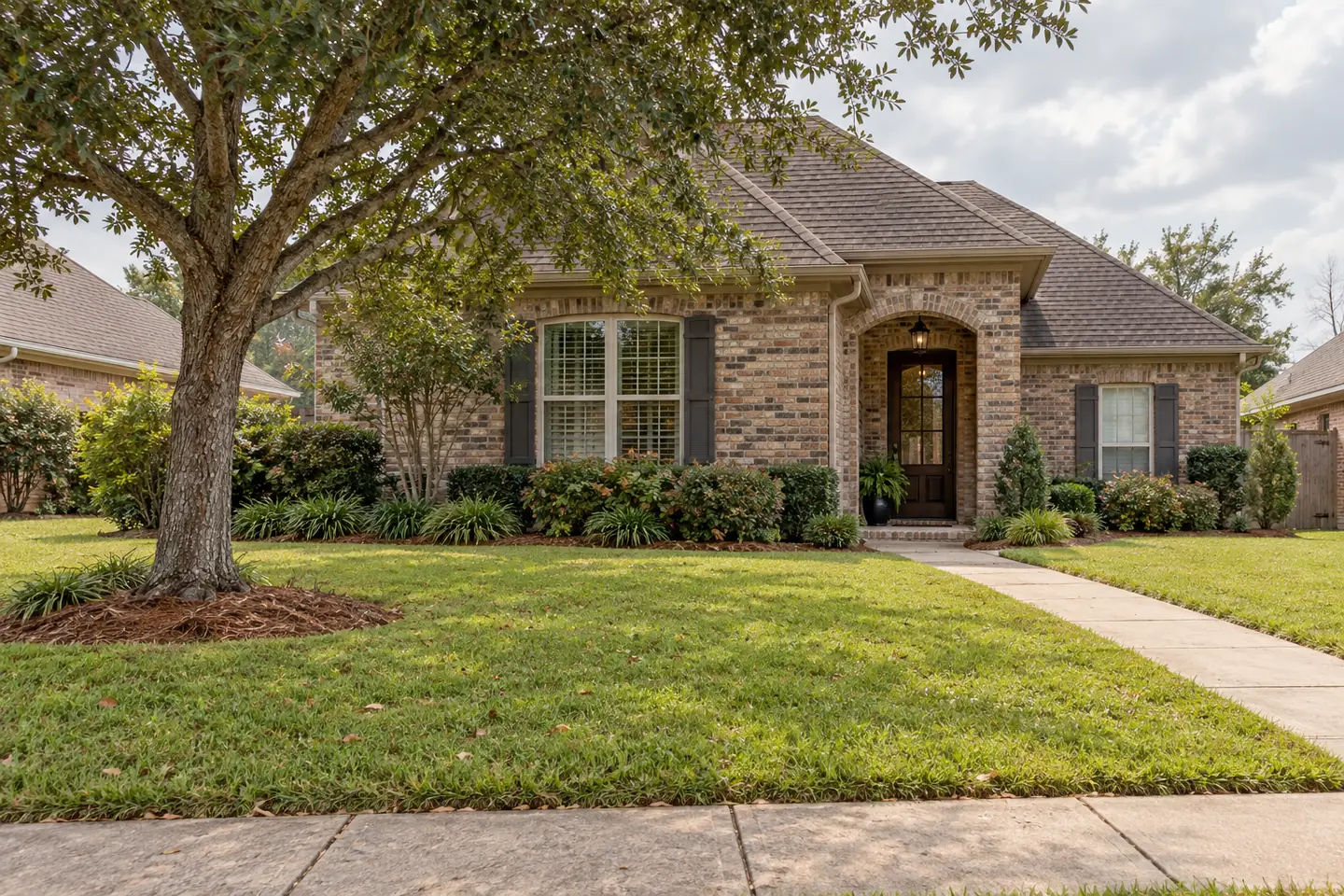
Keep weather and ground conditions visible
You may be looking at sunshine where you are staying while the Westbank property has had rain. Do not use your own weather as a guide to the lawn’s readiness. If someone at the property observes standing water, a soft route or a new obstruction, have that detail passed along while the visit is being reviewed.
No photograph or general waiting period can certify every section of a lawn for equipment access. Describe what is known and ask how it affects the requested work. If a section must remain excluded, make sure the instruction is clear to the people coordinating the visit. A sensible arrangement can adapt to current conditions without pretending that the original photos settle every question for the rest of your time away.
- Ask the local contact to report changed access or visible water.
- Keep an excluded area clearly described.
- Distinguish a current observation from an old assumption.
- Confirm changes rather than relying on an unanswered message.
Agree on useful updates without inventing a reporting package
If you want photographs or a particular kind of update, ask whether that can be included and how it would work. Do not assume every lawn visit automatically provides a detailed inspection report, a live video tour or confirmation of unrelated house conditions. Explain what information would actually help you make a lawn decision from a distance.
A simple property note can be useful on your side of the arrangement. Keep the agreed work, access contact and relevant messages together. That gives you a clear reference if you need to discuss a particular area later. Avoid using a single distant photo as proof of everything that happened across the yard. Ask a specific question about the visible section and allow for any access limitation that was part of the agreement.
Plan the handoff when you come home
Before returning, check whether another visit is arranged and whether your access plan needs to change. Tell the local contact when their role ends. If you plan to resume doing some work yourself, explain that before overlapping tasks are scheduled. The return home should not leave two different people following two different lawn routines.
When you see the property again, compare it with the agreed scope and discuss any question by location. A current photo can help show what you want reviewed. You do not need to turn the first afternoon home into an inspection marathon. A clear conversation about the actual areas and work is enough to establish the next useful step.
Leave with a lawn plan, not a pile of assumptions
Being away can be easier when the yard has one clear set of instructions. Current pictures, an authorized access contact and a defined maintenance scope do much of the useful work before the mower ever arrives. You can keep private travel details private and still make a practical service request.
Call or text Happy Grass at 504-339-3571 and Ask for Happy. The quote form can also collect your property details and current yard photos. Explain that you will be away, name the person handling access and describe the lawn work you want considered. No mow worries should feel like a simpler plan, with the right people knowing the right details and the next visit based on the actual yard.
Give the local helper a defined role
If someone helps with the property while you are away, explain which decisions that person can make. Opening a gate is different from approving an added grass area or changing a recurring arrangement. A helper should not have to infer authority from being the only person physically nearby. Keep the decision role and the access role understandable before relying on the handoff.
Use a property description that can be followed without travel details. Name the relevant gate, included lawn sections and preparation expected from the household. Keep private access credentials out of ordinary yard photographs and broad service notes. The useful lawn record explains the route and responsibility without becoming a collection of sensitive household information.
For an unexpected change, decide how the observation will reach the person responsible for the next decision. A moved object or newly occupied passage may require clarification even when the original arrangement was clear. This helps a helper report the actual condition without feeling obliged to improvise a new service scope in your absence.