
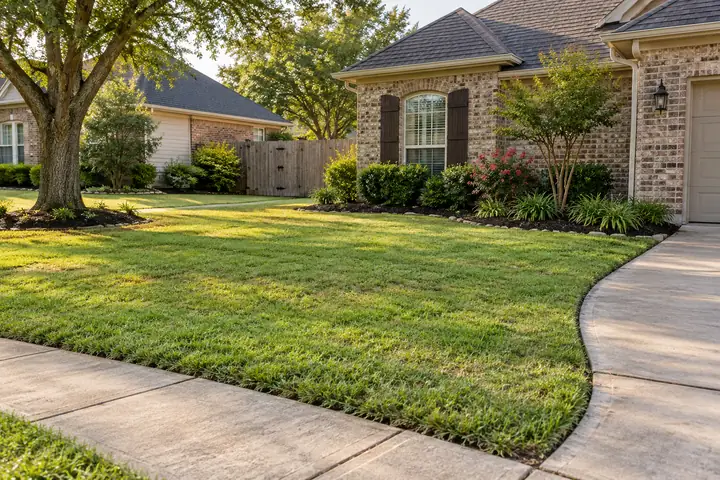
Start with the result you can describe
You might say the grass is getting ahead of you, the front walk looks shaggy or the backyard has become one more weekend task. That is a perfectly good way to begin. The next useful step is to connect that concern to an actual area and a requested task. A service conversation gets clearer when “make it look nice” becomes a description of the parts you want maintained.
You do not have to arrive with a technical specification. Happy can discuss the lawn work, but current property details help the conversation start in the right place. Say whether you want a new estimate, an initial catch-up visit reviewed or a recurring arrangement considered. Those requests can connect, yet they should not be assumed to have identical work, timing or conditions before the property is reviewed.
Put the included areas on the first line
List the front lawn, backyard and any side strips you want considered. Mention a separate patch across a path or beside a driveway if it is part of your authorized work area. Add current broad photographs so the shape and access make sense. Do not assume a section is included simply because it can be seen from the main lawn.
Name exclusions too. A newly changed section, a planted area or a patch managed by someone else should be clear before the visit. If responsibility for a boundary is uncertain, clarify it with the appropriate person rather than asking a crew to decide. The maintenance scope should describe an area that can actually be authorized. A few ordinary landmarks can communicate it once those underlying questions are settled.
- Identify every included lawn section.
- Show connecting routes and separate patches.
- State any exclusion plainly.
- Clarify uncertain responsibility before requesting work.
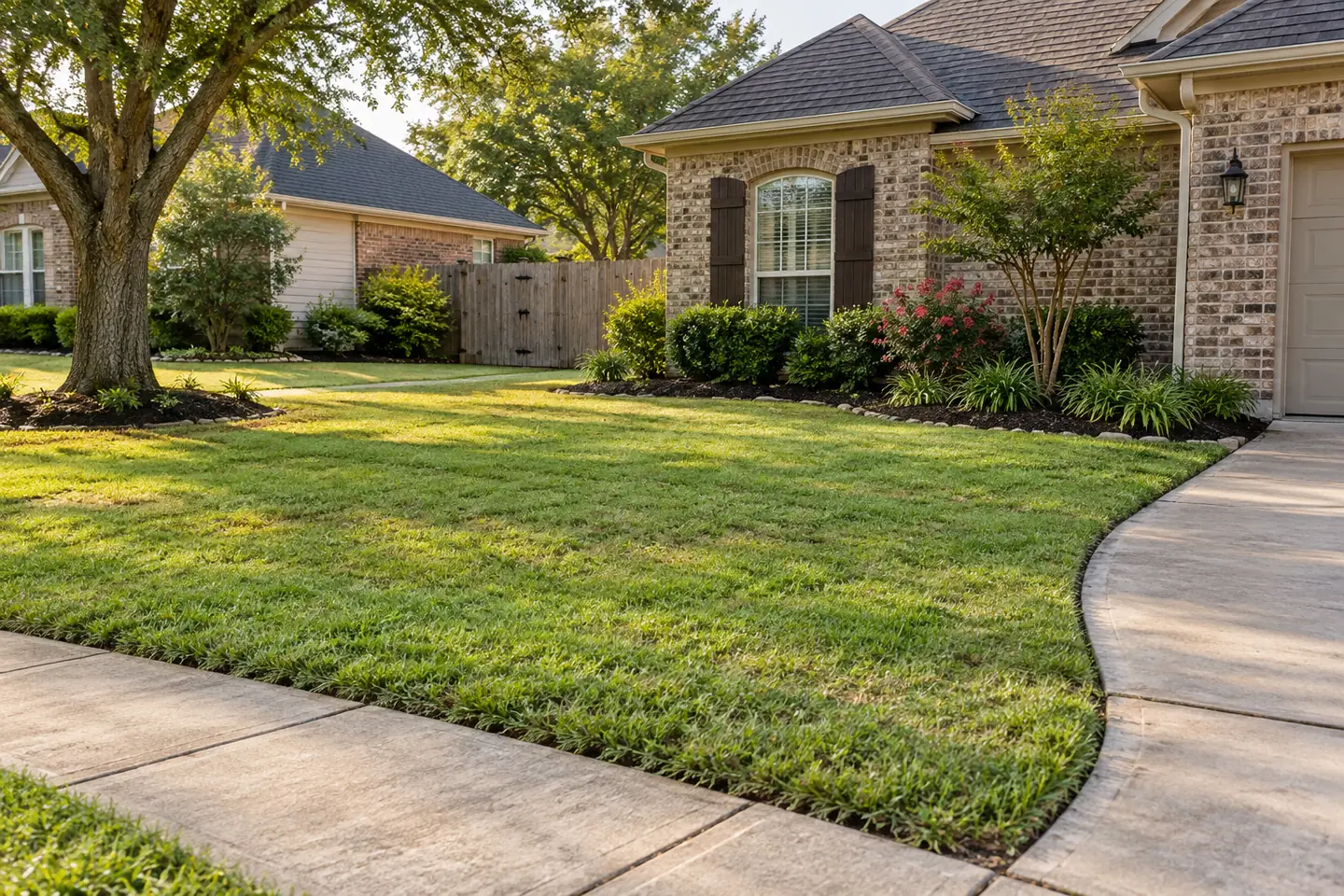
Ask about mowing as its own task
For mowing, describe the present height and how long it has been since the last known cut. If you do not know, use current photographs and say that the date is uncertain. Explain the appearance you want reviewed without turning it automatically into an extra-low cutting instruction. Grass type and actual conditions still matter to the appropriate approach.
If the lawn is unusually tall or has mixed growth, show that honestly. A photo taken just after an older cut may describe your preferred finish but not the work needed now. Ask what the first visit would involve and how an ongoing arrangement would be discussed afterward. This checklist does not set a universal mowing height, guarantee a particular interval or replace an individual review of the yard.
Name the edges you want considered
The driveway edge, front walk and porch approach can each be a separate part of the request. Show the existing grass-to-concrete boundaries and any awkward spot close to them. Mention a low irrigation feature, an uneven slab or something fixed near the line. A close photo can help after the broad property view establishes where the detail belongs.
Maintaining an existing edge is a different question from changing a bed shape or creating a new boundary through turf. If that is what you want, describe it separately and ask whether the work fits the offered scope. Ordinary edging should not silently become soil removal, hard-surface repair or landscaping redesign. Clear words now make the finished line easier to discuss later.
Show the trimming areas and their limits
If grass beside a fence, gate or fixed feature concerns you, identify the location and the result you want reviewed. Narrow or obstructed places may raise different questions from open lawn. Include a photo that shows the approach as well as the growth. A picture of one fence board cannot explain how the area can be reached.
Tell Happy about features you know are present, especially low wires, irrigation pieces or uncertain objects near the grass. Do not move or repair unfamiliar infrastructure just to prepare for a quote. Explain the concern and keep any uncertainty visible. The service request needs to establish the appropriate work around the actual property, rather than assuming every reachable-looking corner can be handled in exactly the same way.
Be specific about the finishing cleanup
When discussing blowing, identify the hard surfaces you want considered. A front walk, driveway and patio may all be used differently and may not all fall within the same agreed request. Say what loose material is present and whether you are asking about an ordinary lawn finish or a separate accumulation that needs review.
A pile containing branches, household litter or construction material is not the same as loose grass clippings on concrete. Describe its contents and size before expecting removal. Ask about handling and disposal rather than assuming an unlimited cleanup service. Happy Grass lawn maintenance should be discussed in terms that match the actual work. A neat finish begins with understanding what is being cleared and which surfaces are included.
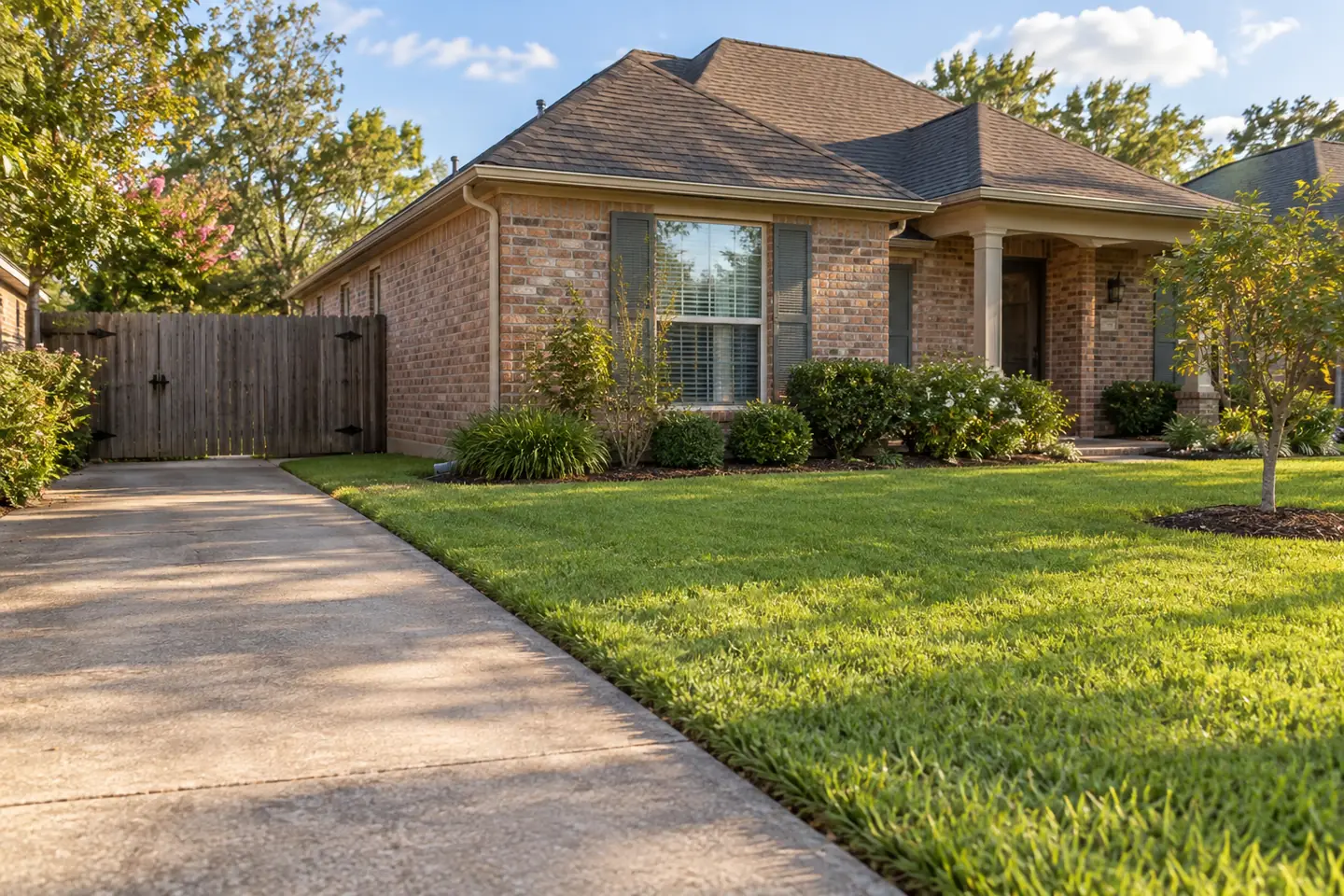
Put extra requests in their own short list
If you have another question, include it plainly instead of folding it into a general request for everything. A plant identification concern, a damaged irrigation feature or a request to move furniture can each need a different answer. Separating the questions helps prevent one familiar service word from carrying a long list of tasks that nobody has agreed to do.
Happy Grass offers mowing, edging, weed-eating and blowing, with weed-control questions reviewed separately. Fertilization, aeration, overseeding and pest control are outside the offered scope. This checklist does not expand those services or promise that every extra request is available. It helps you ask the right question early so the work that is offered can be discussed clearly and the other concern can be directed appropriately.
- List any extra task separately from ordinary maintenance.
- Describe the actual condition or object involved.
- Ask whether the requested work is within scope.
- Keep treatment and repair assumptions out of the basic request.
Make access and preparation part of the scope conversation
Tell Happy how the agreed area can be reached and who will provide access. Show the gate opening and the route beyond it. Mention a narrow passage, fixed step or temporary obstruction before a visit is arranged. A simple plan should identify who will clear movable items and how pets will be secured on the actual service day.
If the property is managed by someone else, explain your role and who can confirm work. A helpful neighbor taking pictures may not be authorized to approve a change. Clear responsibilities make the estimate easier to discuss and keep the visit from depending on assumptions about who will be home. Keep private access details in the agreed direct channel, and update the relevant people if the arrangement changes.
Check that the estimate and the visit describe the same thing
Before relying on an arrangement, ask about any point you do not understand. Confirm the areas, requested tasks and relevant limitations. A desired date is not automatically a booking, and an initial estimate conversation should not be treated as a promise that all work is settled. Keep the current agreement together with the useful property photos.
When reviewing the finish, use that same scope as the reference. If a particular edge or corner concerns you, show the exact location in a current photograph. If you want a different task next time, ask about it as a change. A service plan stays useful when its meaning is clear before, during and after the visit, rather than growing a new unspoken expectation each time the yard is viewed.
A clear request makes room for a happier routine
You can make a useful lawn request with ordinary words: this area, this concern, this access and this result. Good pictures support the conversation, and a few specific questions help settle the details. You do not need to make lawn care complicated to make the expectations clear. A practical plan can leave the yard easier to enjoy and the next visit easier to understand.
Call or text Happy Grass at 504-339-3571 and Ask for Happy. You can also use the quote form with current property photos and a short description of the work. Tell Happy what you would like included and what needs a separate look. Let’s kick some grass with a plan that fits the actual lawn, one clear conversation at a time.
Read the verbs against the property map
A task list and an area list work best when you connect them. Suppose your map includes a front lawn, a side strip and a back grass section. Read each proposed task against those locations. A phrase such as “edge the pavement” still leaves a question if the driveway and back patio have different boundaries or preparation needs. Locate the task instead of relying on the general verb alone.
Next, test the description against one change. If a new planter occupies part of the side strip, does the agreed work remain understandable? You may only need a current photograph, or the included area may need review. Keep those possibilities separate instead of automatically treating every household change as an added service.
Save the clarified wording with the current area description. This creates a practical reference for reviewing the result later: you can identify which task applied to which section and what condition was known when it was agreed. A useful checklist closes ambiguities rather than merely collecting more boxes to tick.