
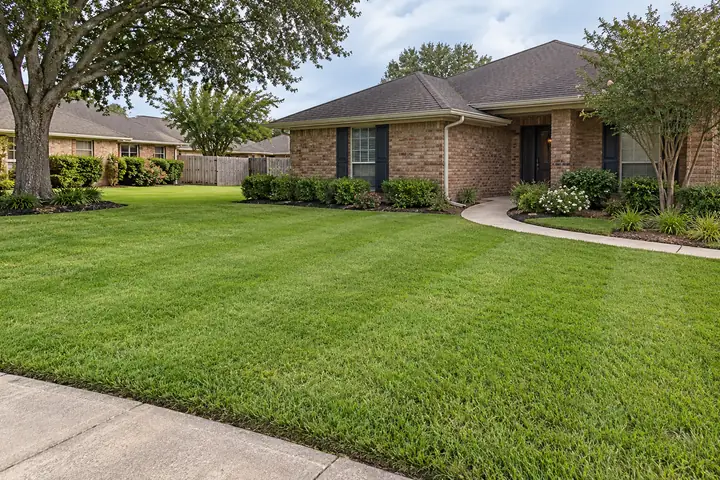
Look from more than one side
A lawn can look striped from the front door and much less striped from the street. Before deciding that alternating bands are different heights, compare the view from two safe positions. Note whether the apparent light and dark pattern changes with your viewpoint. A photograph from each position can make the concern easier to explain.
This is about understanding the finish, not asking you to conduct a complicated lawn experiment. A wide view with the driveway or walkway in frame is often enough. Tell Happy whether you are concerned about the appearance of lines, visibly taller grass or actual marks in the ground. Those are different maintenance questions.
Striping and height are separate observations
The way grass lies and reflects light can produce visible bands without an equivalent difference in cutting height. University of Minnesota turf research explains that reflected light, leaf surface and the viewer’s position produce the observed pattern. A light band therefore should not automatically be treated as a missed pass.
If a section seems genuinely taller, describe that separately and use the uneven-cut guide for the relevant comparison. A close leaf view may help show the difference. Avoid treating color alone as a measurement. The useful distinction is between a directional appearance, a longer strip and a damaged or compressed area. Each deserves a clear description before an adjustment is proposed.
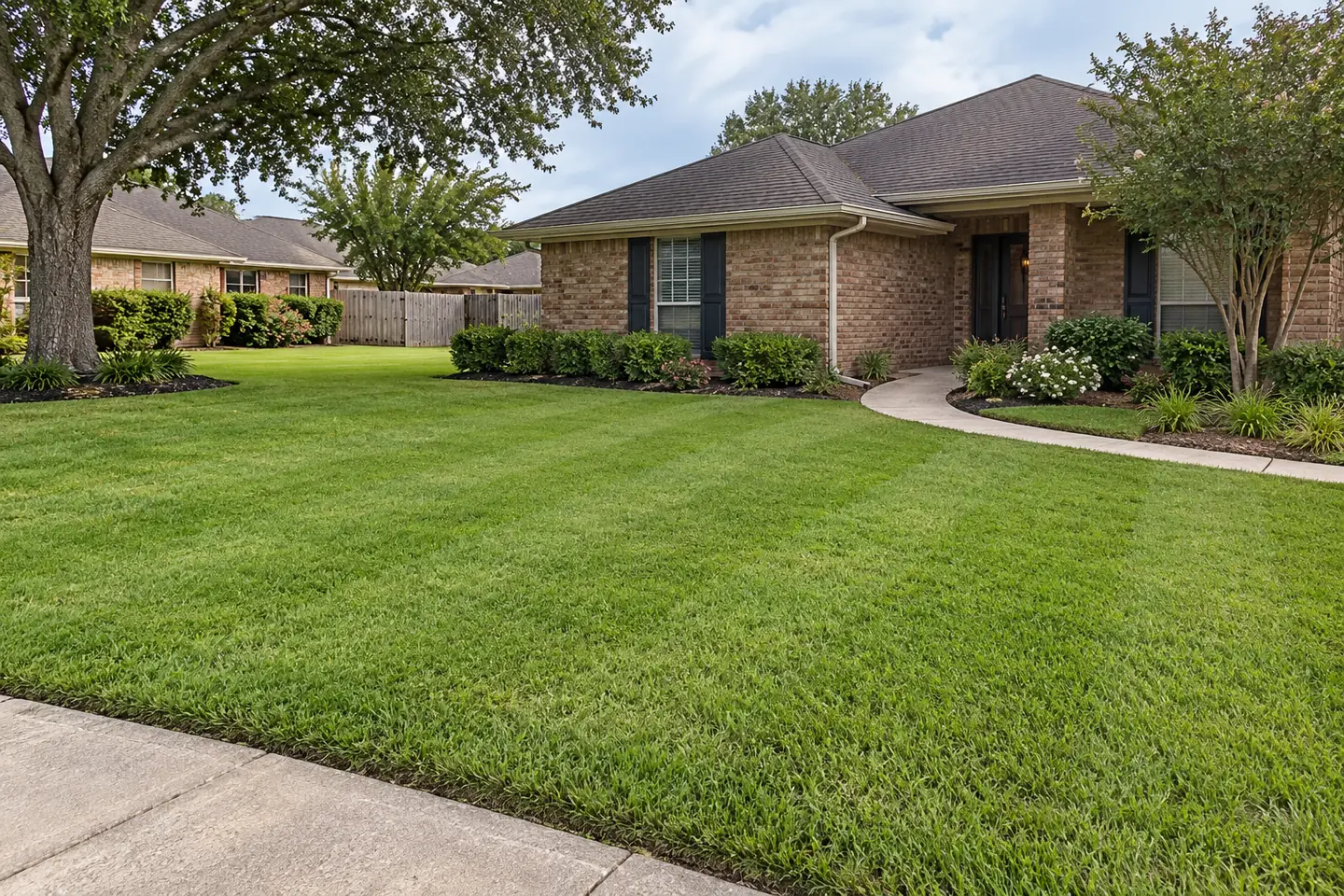
Changing direction can have a practical purpose
University of Minnesota Extension recommends alternating mowing patterns and explains the benefit of avoiding repeated work along the same lines. Its page concerns Minnesota turf, so its grass-height advice should not simply be copied to a Louisiana lawn. The general pattern principle still provides useful background.
For your property, the actual route must fit the grass, equipment and access. A fence, narrow passage or slope may limit options. Ask about the practical finish rather than demanding a precise decorative pattern on every section. A suitable maintenance plan puts the property conditions ahead of trying to reproduce a photograph of an unrelated sports field.
Know the difference between stripes and ruts
A light-and-dark appearance is different from an impression in soft ground or a scraped turning area. Explain whether you can see an actual depression, displaced soil or exposed turf. If so, show it from safe ground with a wider view of the location.
Do not run a mower or vehicle through the area to test it. The marks guide can help organize that concern. A decorative-looking line should not be used to dismiss a genuine ground change, and an ordinary reflection pattern should not automatically be labeled damage. The conversation becomes much more useful when the observation itself is clearly identified.
Let the yard shape inform the request
A wide open rectangle offers different route options from a narrow side strip or a lawn divided by beds. Show the actual layout, including gate access and turning space. If the only route crosses a sensitive or wet section, that may matter more than the pattern visible from the porch.
- Identify the open main lawn.
- Show narrow connections between sections.
- Point out roots, fixtures and delicate edges.
- Mention sloping or persistently damp ground.
- Explain any agreed areas that remain excluded.
The same machine route cannot be assumed suitable everywhere. A tidy result may reasonably differ between the broad front lawn and the tight strip beside the house.
Keep a decorative goal realistic
You may like the look of clear stripes, but their visibility depends on the actual lawn and viewing conditions. Routine mowing should not be assumed to include specialized striping equipment or an exact ornamental design. Ask what kind of finish can be considered for your property.
A reference picture can explain your taste, provided it is treated as an appearance reference rather than proof of what the site can deliver. Be clear whether the priority is a consistent cut, tidy edges or a decorative pattern. That helps keep the quote focused on an actual service and avoids evaluating ordinary maintenance against an unagreed specialty result.
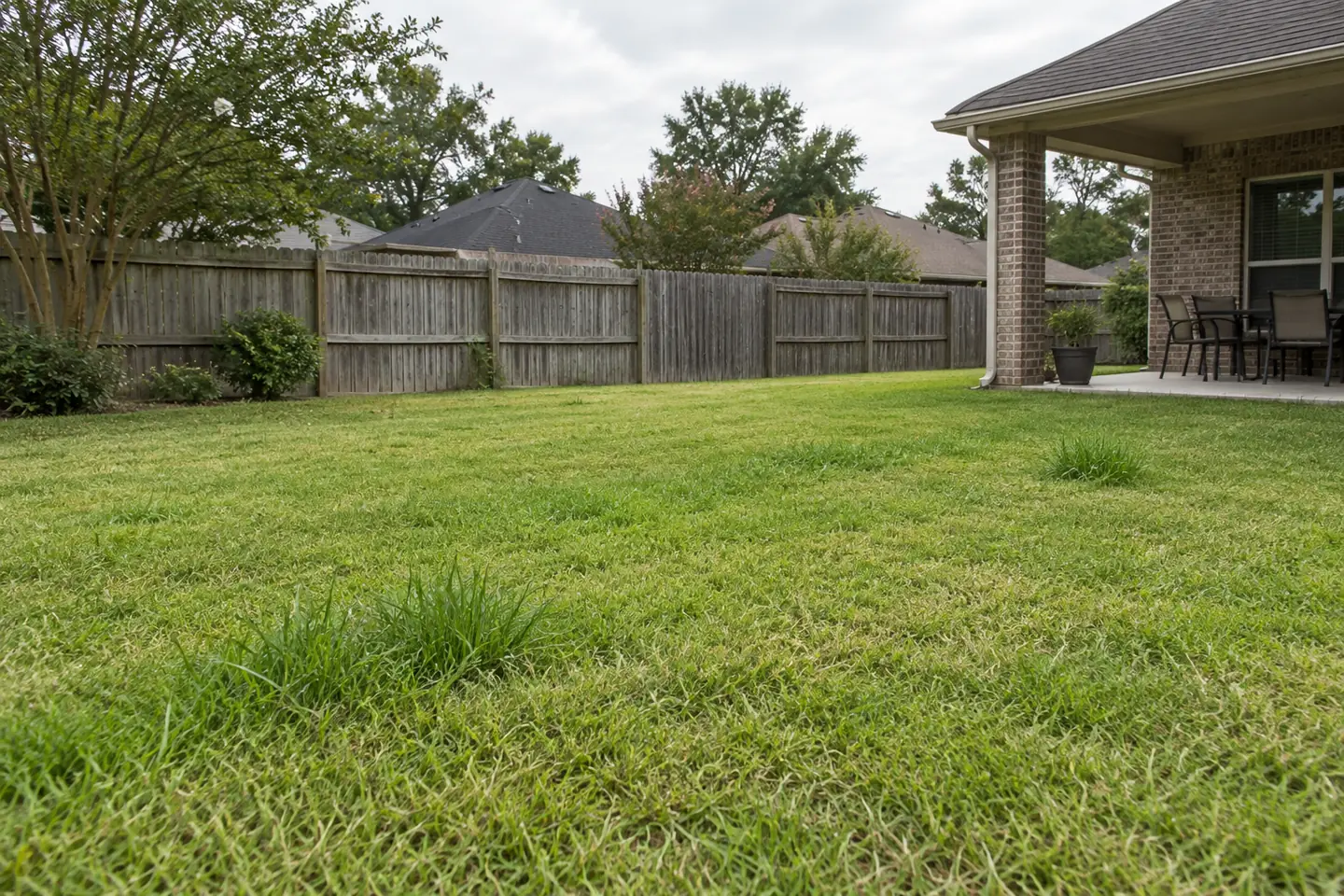
Do not lower the lawn to erase a color band
If the difference is mainly directional appearance, another shorter cut may not address the concern. The appropriate height still needs to fit the verified grass and conditions. A lower setting should not become an automatic correction for every light or dark line.
Describe what you see and allow the work method to be reviewed. If there is also a pale high spot or longer tuft, include that information rather than bundling it into “the stripes.” A clear separation helps Happy consider the real issue. It also prevents the entire lawn from being changed because of one visual effect that looks stronger from a particular window.
Use current photos with fixed references
Take wide pictures in ordinary light and avoid heavy filters. Include a recognizable edge so the views can be connected to the same area. State when they were taken and how recently the lawn was cut. An image immediately after service and one several days later describe different moments.
If the pattern changes with the viewpoint, mention that rather than trying to make one photo tell the whole story. You do not need to photograph every pass. A few representative views can be more useful than a large collection of close-ups with no location or timing information.
Keep obstacles and access changes current
A new bed, parked trailer or storage box can change the route on a familiar lawn. Tell Happy before the next visit. A method that previously allowed a different direction may no longer be practical when the available turning area has changed.
Also identify recent turf repairs or new sod. Those areas may follow another care plan and should not automatically be included in a pattern request. A maintenance conversation should use the property as it exists now. Keeping the notes current is a simple way to connect the appearance you want with the space that is actually available.
Review the agreed scope when discussing the finish
A useful message might say, “The front looks strongly striped from the porch, but the grass seems even. Is that the direction effect?” Another concern might say, “There is a longer strip beside the fence, separate from the light bands.” Both are clearer than a general statement that the lawn was cut unevenly.
Keep the reply with your service information. If a practical change is agreed, confirm its scope rather than assuming a permanent pattern promise. Routine maintenance should have understandable expectations about the cut and finishing work. Specific feedback helps improve the plan without turning a normal lawn visit into an undefined decorative service.
Think beyond the middle of the lawn
Even with an attractive pattern, the edges and hard surfaces affect the finished impression. Ask which sidewalk edging, accessible trimming and blowing are included. A nice view across the main grass does not automatically define the work along every fence or planted border.
Bagging, hauling and other additional tasks should be explicit if requested. If the lawn has become overdue, the starting condition may need a separate review before a recurring routine is agreed. Connecting the cutting with the finish gives the whole yard a clearer plan, rather than focusing all the attention on the direction of a few visible lines.
Ask Happy about the look you want
Send the address, city, current wide views and a short description of the pattern. Explain whether the concern is appearance, true height differences or marks in the ground. Happy can review the actual property and the maintenance request from there.
Call 504-339-3571 or use the quote form for Harvey or the surrounding Westbank communities. Happy Grass serves Marrero, Gretna, Algiers, Belle Chasse and Westwego too. A little perspective can take the mystery out of lawn stripes and bring the discussion back to a tidy yard you understand.
Separate a viewing effect from an uneven result
When a banded appearance concerns you, take ordinary views from two opposite positions and identify where you stood. Keep the photographs unfiltered so the comparison does not add another color change. State whether the concern is the direction of the visible bands, a height difference you can observe, or a mark in the ground. Those descriptions lead to different follow-up questions.
If you cannot tell which applies, say so and preserve the wider context. Do not request a lower cut solely to make one photograph look more uniform. Review the finish against the agreed maintenance work and any decorative preference that was actually discussed. This gives Happy a clear appearance question without turning an uncertain visual effect into an assumed ground problem or a promise of a particular stripe pattern.