
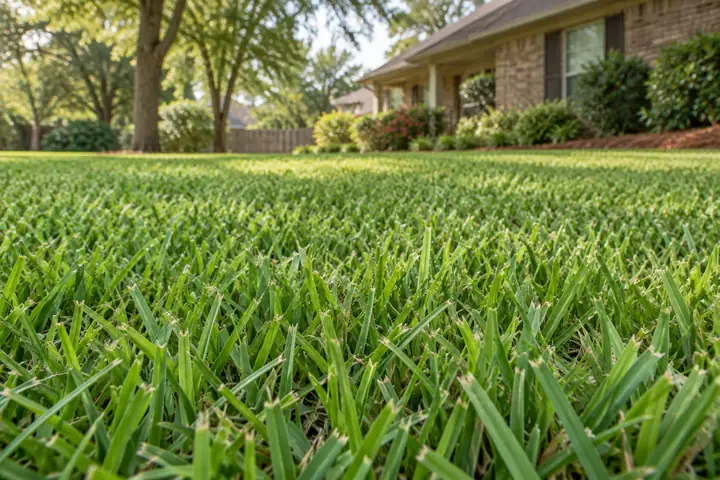
Separate the overall lawn from the leaf detail
From across the driveway, pale grass tips can make the whole yard look dull. Up close, the concern may be concentrated at the ends of individual leaves. Start by showing both scales. A wide photo explains where the appearance occurs, while a closer image can show what you mean by ragged or frayed.
Tell Happy when the lawn was cut and when the change became noticeable. Avoid calling every pale surface a disease or equipment failure before it has been reviewed. An observation such as “the leaf ends look torn in this section” provides a more useful beginning than a diagnosis based on one distant picture.
Why the cut surface matters
Clemson Extension explains that a sharp mower blade cuts grass cleanly, while a dull blade can tear the leaves. That is useful background for understanding why leaf detail matters. It is not proof that every pale tip on a particular lawn has the same cause.
The practical question is whether the observed finish calls for a review of the mowing process and the grass condition. Several details can be relevant, including the starting growth and site. Share what you actually know. A good service conversation leaves room to assess the concern rather than turning a general maintenance principle into a verdict from a photograph.
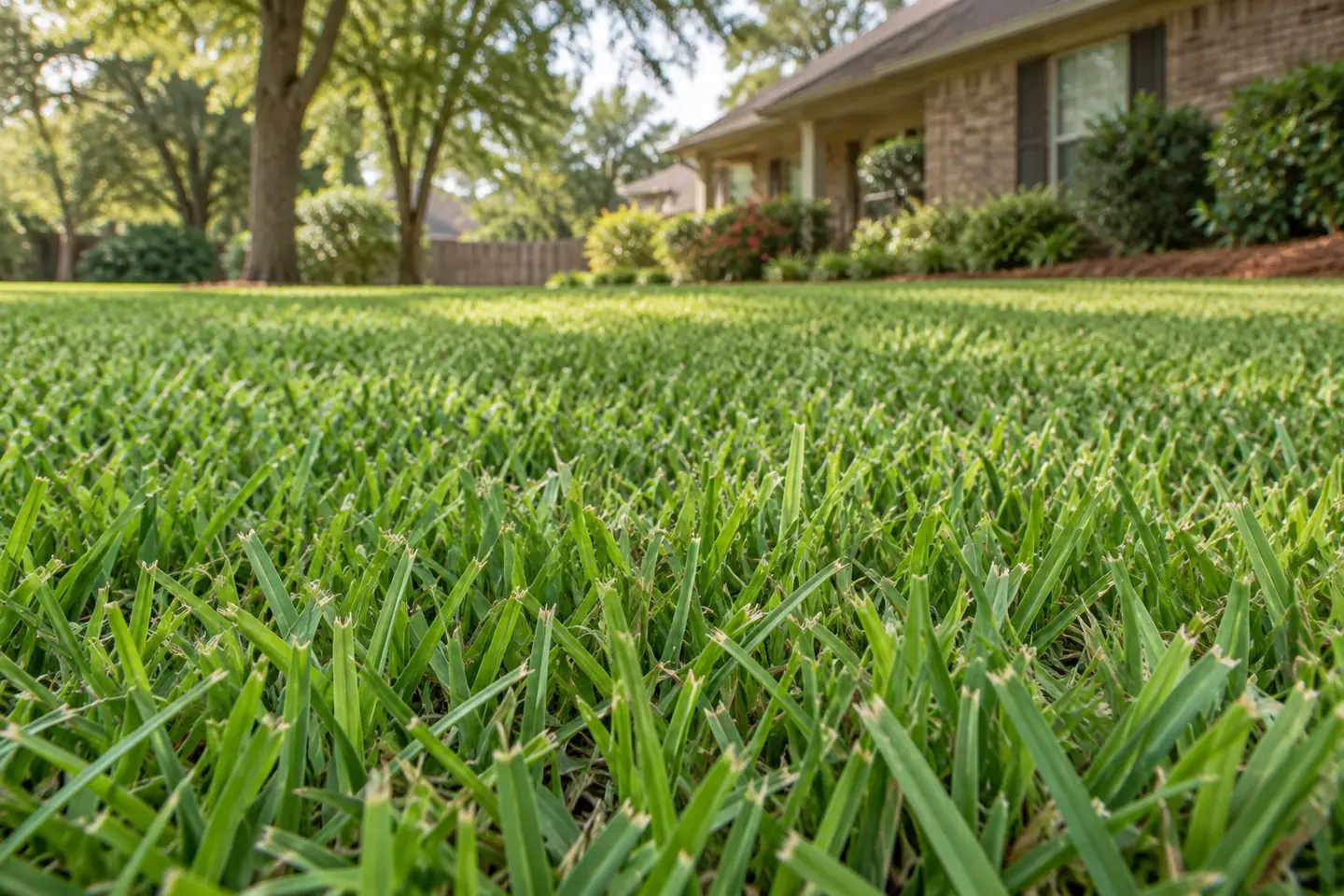
Take a close photo without making a new problem
Use natural light and let the phone focus on a representative patch. Include a wider reference showing where you are standing. You do not need to uproot the grass or collect a handful merely to ask about the appearance. If an extension specialist later needs a sample, follow that person’s instructions.
Keep the image reasonably true to the scene. Heavy filters, sharpening and color adjustments can make the tips look different from what is visible in the yard. A normal current photograph is more useful for the discussion. Label the date and whether the picture was taken immediately after mowing or several days later.
Compare similar sections of the same yard
If the front looks different from the back, photograph each separately. Explain whether they have the same grass and were cut at the same time. A shaded strip, a different turf patch or a section maintained by someone else should not automatically stand for the whole property.
You can also identify a small representative area for repeat views. The goal is a useful comparison, not daily surveillance of every blade. Keep fixed features in the wider picture so the location remains clear. This makes it easier to discuss whether a change is consistent across the lawn or concentrated in one place.
Describe the starting growth
Longer or denser growth can change the work involved in a visit. Tell Happy if mowing had been missed or only part of the property was maintained. The condition before the cut is relevant context when reviewing the finish afterward.
If you have an older photo, label it and pair it with the current view. Do not substitute a tidy listing picture for the actual starting lawn. A fair assessment should use the information available and acknowledge what is uncertain. The first-cut-after-a-gap guide can help organize that conversation when the yard has moved outside its normal routine.
Keep equipment questions with the responsible person
If you maintain your own mower, use its manual and a suitable service professional for inspection, blade work and repairs. This page is not a procedure for reaching under a deck or working on cutting components. You do not need to inspect someone else’s equipment to raise a concern about your lawn.
For a service visit, explain the observed result and request a review. A practical response can consider the work and the property without asking the customer to diagnose machinery. Keeping the discussion tied to the finish is usually more productive than guessing a mechanical fault from a pale patch in the grass.
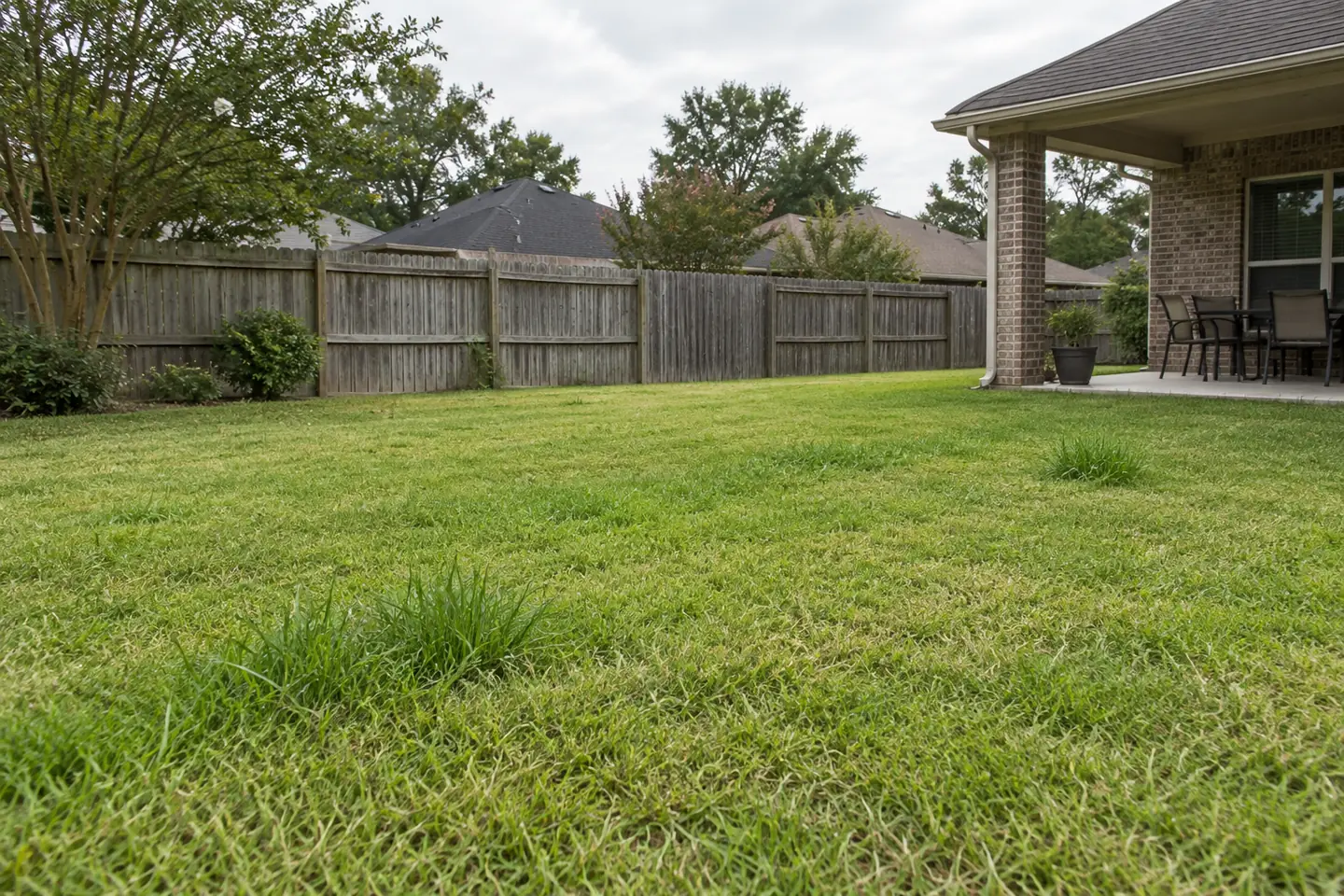
Distinguish tips from whole-leaf discoloration
Frayed ends and a broader color change are different observations. Explain whether the issue appears only at cut tips, throughout leaves or in separate patches. That description can help determine whether the question belongs mainly with the mowing review or needs another type of turf assessment.
- Show the leaf detail you are describing.
- Include the location within the lawn.
- Record when the grass was last cut.
- Mention a recent mowing gap or other work.
- Describe spreading changes separately.
These notes do not establish a diagnosis. They give Happy and, where needed, an appropriate extension or turf professional clearer information to work with.
Avoid an automatic second cut
A rough appearance does not mean another lower pass is necessarily the right response. Cutting again changes the remaining leaf surface and may not address the concern you are trying to explain. Ask for the situation to be reviewed before prescribing a correction.
The appropriate height should fit the verified grass and conditions. If the concern involves a raised patch or uneven ground as well as torn-looking tips, show that context. There may be more than one issue to discuss. A clear record allows the next maintenance decision to be considered on its merits instead of rushing into a second pass simply because the lawn looks untidy.
Keep products out of a guessed diagnosis
A pale finish should not automatically trigger fertilizer, pesticide or another treatment. The cause needs appropriate consideration first. If another provider recently treated or repaired the lawn, share the relevant information and instructions privately so it can be considered alongside maintenance.
Happy Grass does not offer fertilization, aeration, overseeding or pest control. The routine service discussion covers mowing, edging, weed-eating and blowing within an agreed scope. A request to review the cut should not quietly become a promise to treat or cure every turf condition. Keeping those boundaries clear helps you ask the right person the right question.
Discuss the result promptly and specifically
A useful message might say, “The lawn was cut yesterday. This front section has pale frayed tips, while the back looks different. Here are wide and close photos.” Add the property address and any context about the previous growth.
That gives a concrete concern to review. Keep a response and any agreed adjustment with the existing service notes. If the appearance changes before the discussion, send a short update rather than relying on the earlier picture alone. Specific feedback is easier to act on than a broad statement that everything looks wrong, particularly when the concern is limited to one kind of leaf detail.
Judge progress with a consistent reference
When a follow-up is appropriate, photograph the same section under reasonably similar light. Note whether it is before or after the next cut. A brighter afternoon or different camera angle can change how the leaf ends look, so a repeatable view makes the comparison more meaningful.
Do not promise yourself a particular recovery date from an online photo. Different causes and grass conditions can produce different outcomes. If a broader problem continues, arrange suitable advice rather than repeatedly changing the mowing plan without understanding the concern. The record should support a practical next step, not become an endless sequence of guesses.
Ask Happy about the finish
Send current photos, city, address and the last known cut. Explain what you see at the tips and whether the appearance affects the whole yard. No technical vocabulary is needed; ordinary words and a clear picture can start the conversation.
Call 504-339-3571 or use the quote form for a Harvey or Westbank property. Happy Grass serves Marrero, Gretna, Algiers, Belle Chasse and Westwego too. A little attention to the actual finish can help get the lawn conversation back onto something useful, understandable and easier to feel happy about.
Read the cut ends before blaming the whole lawn
A brown haze across a freshly cut lawn and brown color down the length of individual leaves are different observations. For a useful comparison, choose a small accessible patch near a path and photograph several leaf ends without tearing them off. Keep the surrounding canopy in another picture. Mississippi State Extension explains that a dull blade can leave split, ragged tips that turn brown. That supports checking the cut ends; it does not prove that every brown lawn has a blade problem.
Tell Happy whether the rough ends appear throughout the maintained area or mainly in one dense section. Include the timing: visible immediately after cutting, noticed the following day, or present before the visit. Avoid confusing loose cut fragments lying on top with damage to standing leaves. If the same location is photographed later, leave its condition unaltered until you have recorded it. That gives the follow-up conversation a consistent starting point rather than a comparison between a brushed patch and an untouched one.
- Look for the shape of the ends on standing leaves.
- Show whether the pattern is widespread or localized.
- Keep new color changes separate from old thin patches.
- Ask for review of the cut quality without requesting an automatically lower setting.