
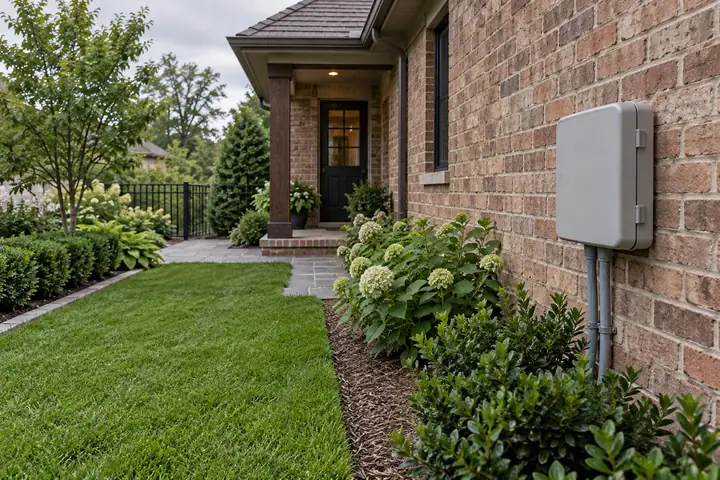
A controller can faithfully repeat an outdated plan
An automatic system does not know that a patch became shaded after a tree grew, a sprinkler was moved or a lawn area became a patio unless its design or controls account for the change. A seasonal review begins by comparing the saved watering plan with the property as it is now. The purpose is not to choose a new percentage by looking at the calendar. It is to find out what the system is scheduled to do and whether the reasons for that schedule still apply. Keep the existing settings documented before an authorized person changes them. That preserves a starting point for the discussion and makes it easier to understand the effect of a later revision.
Identify the controller's method of making decisions
EPA WaterSense distinguishes weather-based controllers from soil-moisture-based equipment. A conventional clock program, a weather-adjusted program and a soil-sensor-controlled program do not use the same information. Some systems combine several inputs or allow manual exceptions. Identify the installed model and read its current instructions instead of assuming that an app connection makes the system responsive to actual lawn conditions. Ask which data source affects operation and which settings still depend on the owner or provider. The answer helps explain why a calendar change, a local shower or a soil observation may have a different effect than expected. It also keeps marketing terms from replacing a clear description of what the equipment really does.
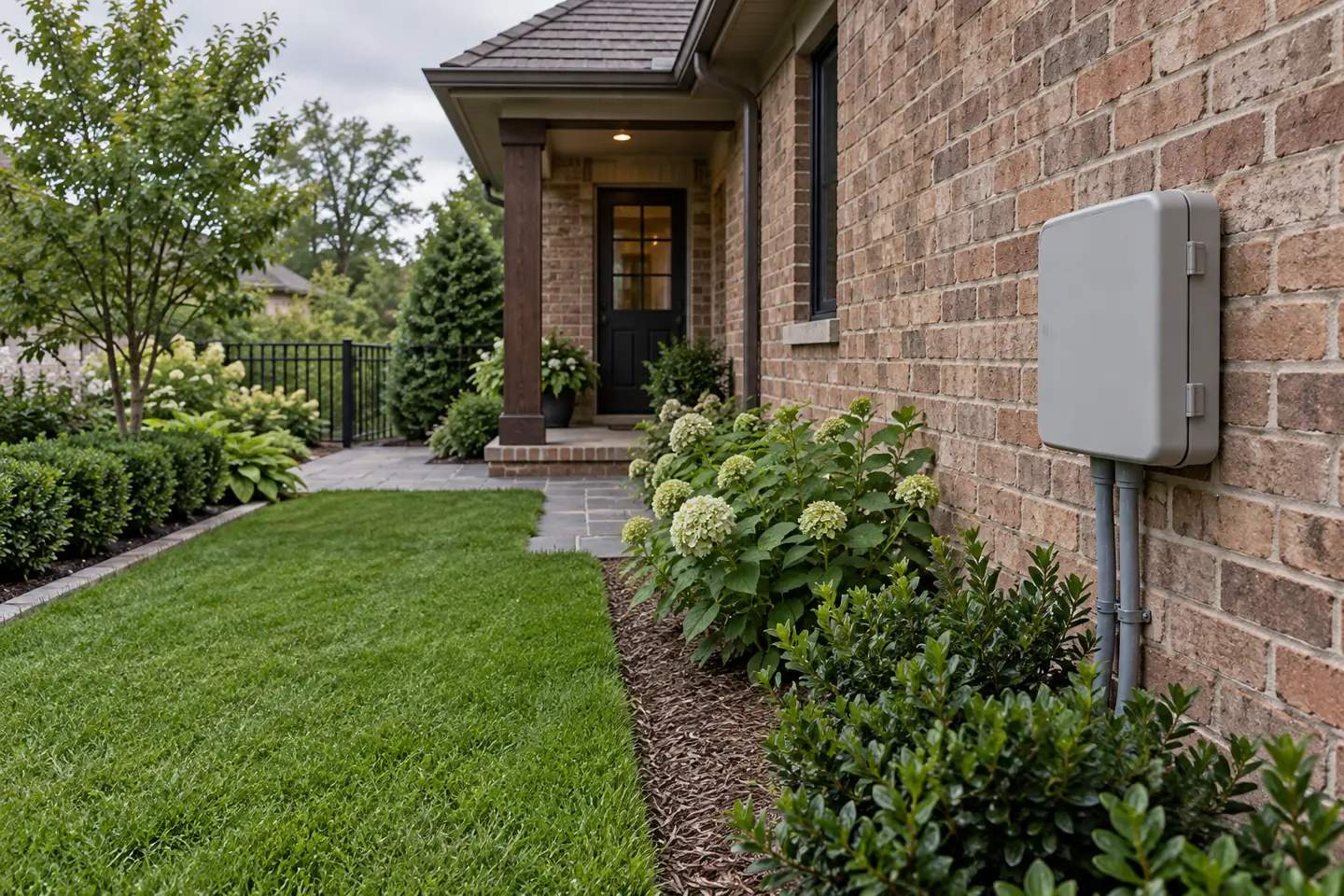
Map every lawn zone to a physical area
Zone names can outlive the landscape they describe. A controller labeled back yard may now water only one side strip, while another zone includes both grass and a planted border. Walk the intended layout with the responsible person when conditions and equipment operation permit it safely. Save a simple map rather than relying on old abbreviations. Mark areas that changed use or exposure. Do not open valve boxes or uncover buried lines just to complete a household sketch. The goal is to connect the saved program with visible areas so a later adjustment is understood. If a zone's coverage cannot be identified confidently, leave that question open for an irrigation assessment.
Review repeated starts as well as run duration
A program with several start times can operate its zone sequence more than once. Looking only at one zone's displayed minutes may therefore miss the total activity. Record the program names, active days, start times and relevant zone durations without changing unfamiliar menus. Include separate manual events and any program temporarily added during a project. Use the manufacturer's guidance to interpret the controller. A photograph of one screen is helpful only if its meaning is known. Keep the record organized so a provider can distinguish a zone duration from a complete program cycle. This is especially useful when a household notices sprinklers running again after everyone assumed the morning watering had already finished.
Treat a seasonal percentage as an adjustment to something
A percentage setting modifies an underlying program according to the controller's design. It does not prove the starting program was suitable. Before changing it, ask what the base settings represent and whether the adjustment affects every program or selected zones. Do not assume one manufacturer's controls behave like another's. If a provider recommends a change, save both the previous setting and the new one with the reason. That makes the result reviewable when the lawn's condition changes later. A clear record is more useful than a sequence of small percentage changes made on different days by several people, none of whom knows which earlier change the next person is modifying.
Include rainfall and the way the system responds to it
Review whether the property has a rain shutoff device, a weather input, a manual rain delay or another method of pausing irrigation. The terms may sound similar while producing different behavior. Identify who checks that the selected method is operating as intended. A weather forecast in a phone app is not automatically the information the controller uses. Nor does a pause indication establish how much rain reached every part of the lawn. Keep a rainfall record and a controller-operation record as related but separate pieces of evidence. This helps an irrigation professional investigate an unexpected event without having to guess whether the system was paused, manually restarted or following a different program entirely.
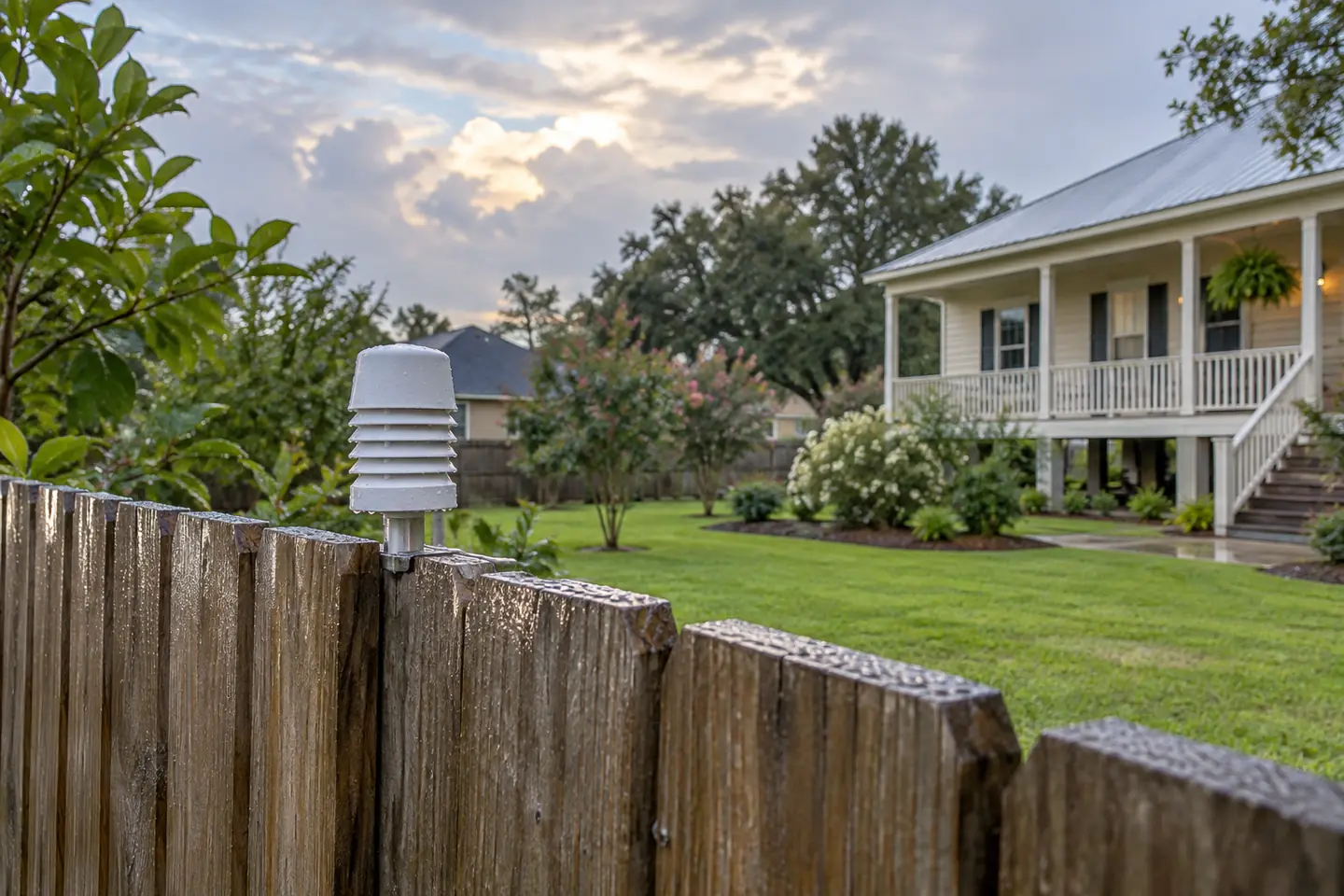
Compare the program with current lawn observations
Collect observations that describe the result: a gate strip still soft before the next cycle, an edge repeatedly missed by spray, or a sunny patch changing while a shaded area stays damp. Avoid choosing a setting solely to make the whole lawn one shade of green. Those observations can have several causes, and a controller adjustment is only one possible part of the response. If disease, root injury or another plant problem is suspected, preserve that question for the appropriate resource. The seasonal review should improve understanding of watering behavior. It should not become a promise that reprogramming will diagnose or reverse every visible problem on the property.
Account for changes in how the yard is used
A new walking route, outdoor storage area or household schedule can change the consequences of an irrigation event even when the turf area stays the same. Water across a busy entry path may create a coordination issue. A relocated portable structure may block spray. A recent delivery may temporarily limit access to the controller cabinet. Include those details in the review rather than changing settings around an obstacle that will disappear tomorrow. Distinguish permanent landscape changes from temporary conditions. That helps the responsible person decide whether a program revision, equipment assessment or simple access arrangement is the appropriate next step. Each solves a different part of the property's current situation.
Give changes one owner and a dated record
Several well-meaning people can unintentionally create a confusing program. A tenant adds a manual event, a caretaker changes a percentage and an owner selects a different schedule remotely. Agree on who can authorize changes and how they will be recorded. Keep passwords and access codes private. A shared maintenance note can identify the responsible contact without distributing control credentials. If a setting is changed for a particular reason, include when it should be reviewed again instead of assuming it will be remembered. The record is especially valuable when a provider changes or someone returns from a long absence. It allows the next conversation to begin with the actual saved plan rather than competing recollections.
Check what happens after a power or connection interruption
Ask the responsible provider how this particular controller handles a power loss, a disconnected sensor or an interrupted network connection. Do not simulate those faults by disconnecting equipment yourself. The answer belongs in the operating handoff because a system may retain settings, use a fallback or display an alert according to its design. Save an actual interruption's date and the observed behavior if one occurs. A household that knows the expected response can report a deviation much more clearly than one assuming that every interruption either erases the program or leaves everything unchanged. Neither assumption is a substitute for the installed equipment's instructions.
Close the review with an explanation, not only a screenshot
Ask for a plain-language account of the resulting program: which lawn areas it serves, what controls the timing, how rain is handled and what should prompt another review. Save the relevant equipment instructions with that explanation. Do not copy seasonal tables from another climate and present them as a Louisiana plan. Regional guidance can explain principles, while the local site and installed system need their own consideration. A short explanation you understand is more valuable than a detailed screen capture no one can interpret. It also gives you a sensible way to report a later concern: what the program was intended to do, what actually happened and which part of the lawn needs attention.
- Confirm the controller model and decision inputs.
- Connect zone names to the current physical layout.
- Include repeated starts, manual events and rain pauses.
- Record authorized changes with dates and reasons.
- Leave unresolved coverage or equipment questions clearly identified.
Coordinate the resulting program with Happy
Tell Happy when the relevant sprinklers operate and whether the lawn route remains soft or blocked. Happy Grass can discuss the available mowing, edging, trimming and finish. Ask for Happy at 504-339-3571. A lawn visit does not include a promise to design or program the irrigation system.