
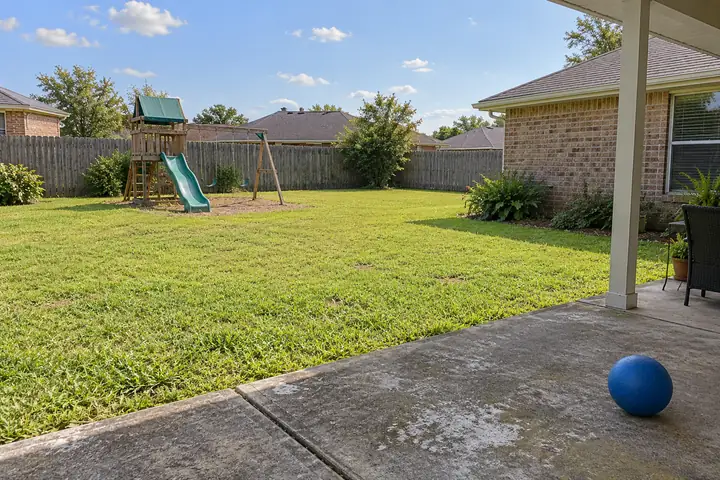
Identify the lawn you are planning to maintain
LSU AgCenter describes bermudagrass as a warm-season turf that spreads through both above-ground runners and underground stems. It prefers full sun and can move quickly across an area. Common and improved types are not interchangeable labels for every maintenance decision. If you know the cultivar or have records from installation, share them. If you do not, say that the type is unconfirmed rather than treating a green lawn photo as a definitive identification.
This matters to the conversation because a home lawn, a closely maintained athletic surface and an online showcase photo may represent very different expectations. Tell Happy about your actual residential property and the result you want. You can ask for a dependable cut and tidy edges without requesting a sports-field finish. A clear starting description helps keep the quote tied to the lawn you have rather than a comparison that does not fit it.
Use local height guidance as background
LSU’s Louisiana bermudagrass profile lists routine mowing at 1 to 2 inches in the growing season. That provides regional context, while the identified cultivar, ground and equipment still need consideration. A lower mowing range does not mean every existing yard can be taken down to an arbitrary low setting in one visit. Explain the present height and how long it has been since the last cut.
If you are changing the maintenance plan, ask about both the desired height and the routine needed to support it. Those are connected questions. Choosing a height without discussing when the next cut can happen leaves part of the plan unfinished. You do not need to prescribe the machinery or technique yourself. Show Happy the condition, name your priorities and let the actual property be reviewed before a method or interval is confirmed.
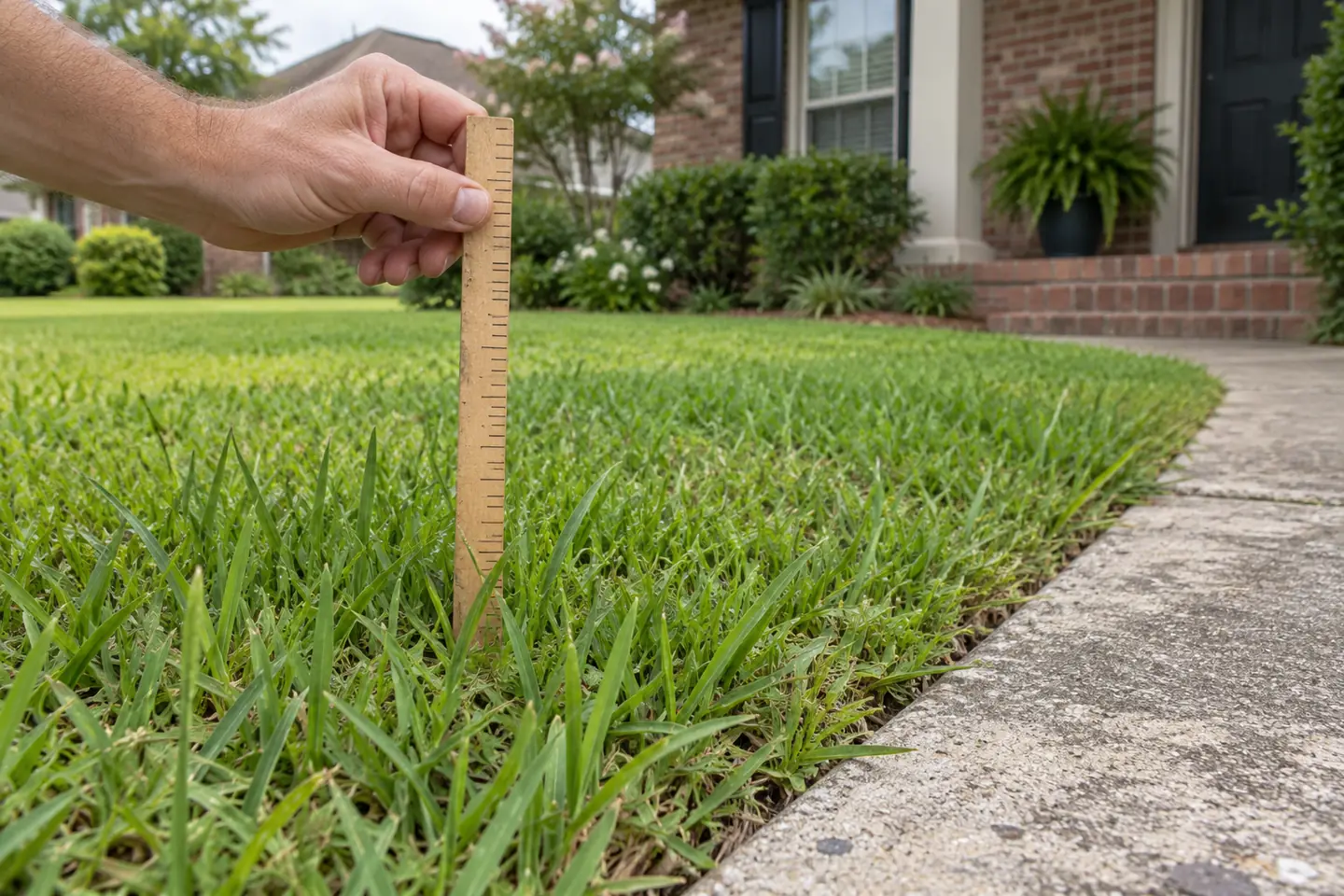
Notice when the interval stops feeling comfortable
Think about the lawn just before the next visit rather than only on the day it is cut. Is the current routine keeping the grass manageable, or are you regularly calling it overdue before the scheduled return? A dated photo at that point gives the conversation useful context. Include a wide view so the observation is about the lawn, not just one tall blade beside the camera.
Compare the included areas separately when necessary. An open sunny front and a backyard interrupted by shade or structures may not look the same between visits. State what you notice and where. If you are asking about weekly or every-other-week service, explain the concern behind the question. Happy can then review the interval against the actual growth and scope rather than assume a calendar label answers the whole mowing problem.
Give the lawn’s spreading edges a separate look
LSU’s description of quick lateral spread helps explain why boundaries deserve attention in a bermudagrass discussion. Photograph the lawn beside paths, planting beds and adjoining grass. A clear view shows where the maintained lawn ends and what you want protected. If grass has entered a planted border, describe that as a separate concern instead of assuming ordinary edging includes removal throughout the bed.
Mowing, edging and weed control are not interchangeable tasks. A mower cuts an accessible grass surface; an agreed edge defines a suitable boundary; a separate weed-control request needs its own review. Tell Happy what you want done and wait for the actual scope. Keeping these distinctions clear makes it easier to maintain the lawn’s appearance without accidentally expanding the visit into plant removal or another job that was never part of the quote.
Match appearance goals to the real ground
A low, uniform-looking lawn in a photograph may sit on a different surface from your yard. Show uneven patches, shallow depressions and raised transitions where they affect mowing. You do not have to measure the entire grade. A wide photo plus one detail view can explain what the lawn is doing near a driveway or path. Mention any area where past cuts have looked uneven.
Ask about the result that is realistic on the existing ground. Routine mowing is not a promise to level the yard or rebuild its surface. If you are planning separate grading or landscape work, coordinate it openly and update the lawn request after the conditions change. A useful maintenance agreement describes what is being cut and finished today, while keeping future property improvements in a different conversation until they are actually ready.
Settle the clipping question before a catch-up cut
If a mowing gap has left the lawn taller than usual, send current pictures and explain which parts have been cut recently. Ask about the first visit back and the expected finish. Clipping handling belongs in that discussion, especially if you want collection or bagging. Those extras should be confirmed directly rather than assumed from an old recurring arrangement made for a different condition.
After the first review, discuss the ongoing routine you can keep up with. If access or household availability often interrupts visits, bring that up now. An attractive plan on paper will not help much if the gate is regularly unavailable. The goal is not to blame the calendar for every change in appearance; it is to understand the growth, scope and practical arrangement well enough to avoid repeating the same catch-up situation.
Include the areas used by people and pets
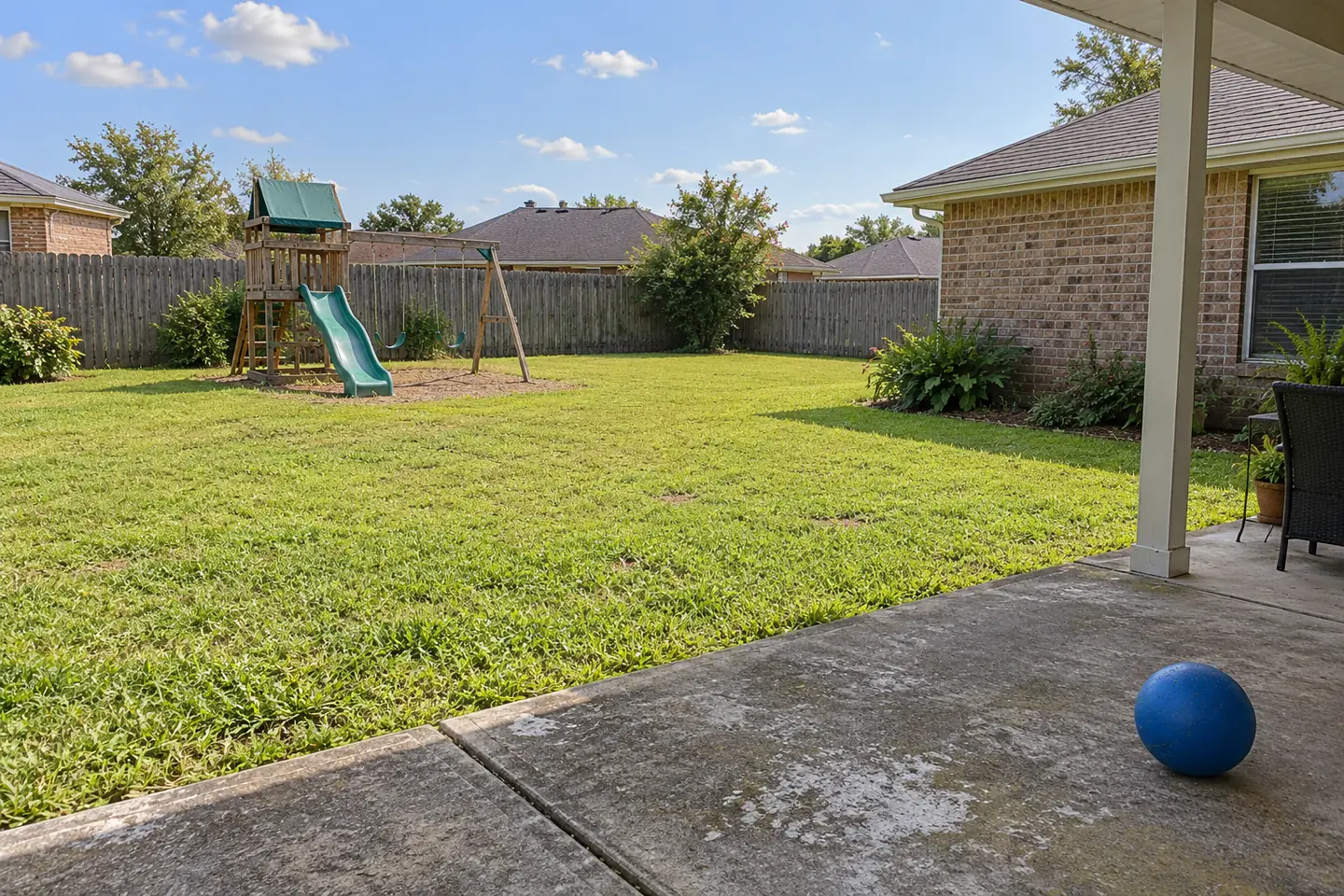
LSU notes bermudagrass’s comparatively strong traffic tolerance, but that does not mean every worn spot can be ignored or repaired by mowing. Show the routes people and pets use regularly, along with fixed play equipment and the working path into the yard. Explain whether the equipment stays in place during visits. Happy can review the accessible grass and discuss the maintenance boundaries around those features.
Keep pets secured away from the work and access route under the arrangement you confirm. Collect ordinary toys, hoses and loose items before the visit if you can safely do so. Heavy objects or installed structures are part of the property description, not an automatic moving service. The more accurately the request reflects how the yard is actually used, the easier it is to agree on what the lawn visit should cover.
Keep lawn care questions within the service scope
A turf guide can explain general mowing questions without implying that every related treatment is offered. Happy Grass does not offer fertilization, aeration, overseeding or pest control. If you have a separate concern about growth, soil or a damaged patch, describe it and seek the appropriate advice rather than treating the next mowing visit as a cure for everything visible in the grass.
If another person is working on the lawn, share relevant instructions and dates before maintenance is scheduled around that work. Mark excluded or newly established sections clearly. Your quote can still focus on mowing, edging, weed-eating and blowing the areas that are ready. Clear roles help a residential yard stay manageable without making promises about renovations, treatments or outcomes that are outside the actual maintenance request.
Give Happy a request with a clear next step
A useful message might say: “Our open front lawn is identified as bermudagrass. The back type is not confirmed. The current interval feels too long by the time the next cut arrives. Please review both areas, the driveway edges and front-walk blowing. These photos show the condition today and the separate backyard gate.” Add the service address privately and say how you prefer to be contacted.
That gives Happy a real question to answer: how the current lawn, finish and workable routine fit together. It also leaves room to clarify the unidentified area instead of guessing. For a Westbank property in Harvey, Marrero, Gretna, Algiers, Belle Chasse or Westwego, ask about your yard and the available next step. Let’s get ahead of that grass and put a little more happy into the routine.
Plan for the section that sets the pace
A bermudagrass lawn may contain an open sunny area that outgrows the shaded strip beside the house. The next visit should be discussed around that pattern rather than the shortest part of the property. LSU AgCenter's mowing-rule guidance notes that faster-growing grasses such as bermudagrass can require more frequent mowing than slower-growing grasses. It also explains limiting the amount of leaf removed at a time. Those principles support reviewing a growing canopy before the gap becomes a difficult catch-up cut.
Show Happy the section that looks ready first and explain whether the remaining lawn has independent access. Include any narrow turning space that influences the route. If you have only a distant picture of the whole yard, add a closer canopy view from a path so the amount of growth is easier to understand. A regular plan still needs to account for rain and access interruptions. Tell Happy about those interruptions promptly instead of assuming the next ordinary visit will necessarily restore the same appearance in one step.
- Record the last completed cut, rather than only a planned date.
- Identify which section appears to be setting the mowing pace.
- Note access restrictions that could interrupt the arrangement.
- Review the first cut after a gap as its own condition.