
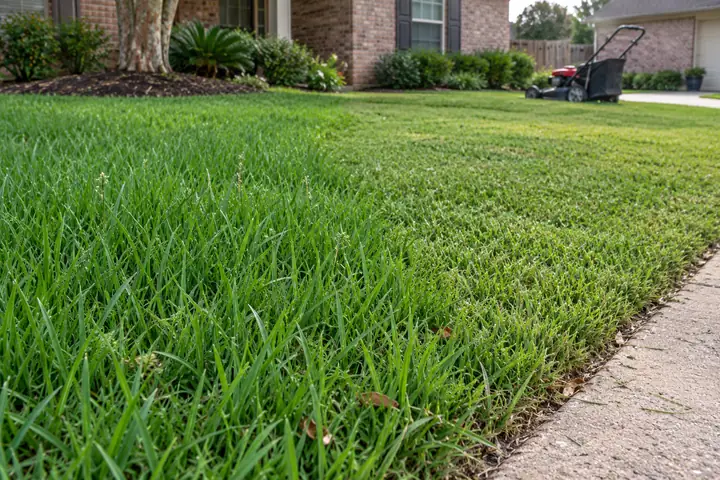
Pick the interval the lawn can keep up with.
Weekly mowing and every-other-week mowing are both options to discuss with Happy Grass. The better choice depends on what the grass does between visits.
A lawn growing rapidly can be difficult to maintain over a two-week interval, while slower growth may not justify cutting simply because another week has passed.
Start by looking at the lawn shortly before the next planned visit.
- Is the height still manageable?
- Are some areas much taller than others?
- Does the next cut produce light clippings, or does it leave a heavy load to handle?
Those observations make the conversation more useful than assuming one schedule is always the best deal.
Compare the same services first
A frequency comparison only works when the scope is clear. A mowing-only visit is not equivalent to a visit that includes edging, trimming and blowing. Bagging preferences, the areas covered and the condition of the lawn should also be the same in the comparison.
List what matters to you before asking about price. You may want a tidy front entrance throughout the interval, or you may be comfortable with a less closely maintained appearance. There is no useful universal answer without those expectations.
Happy needs to know what a successful arrangement looks like for your yard.
| Factor | Weekly discussion | Every-other-week discussion |
|---|---|---|
| Growth between cuts | Less time for height to accumulate | Needs to remain manageable over a longer gap |
| Appearance | More frequent maintenance opportunities | More visible change between visits may be acceptable |
| Clippings | Often a lighter cut when growth fits | More growth can mean more material to handle |
| Price comparison | Compare total visits and included work | Check whether heavier growth changes the scope |
Why the amount removed matters
LSU AgCenter explains the general one-third mowing principle: avoid removing too much leaf height in a single cut. The practical idea is easier to use than a rigid calendar rule.
If the lawn becomes very tall before every visit, returning immediately to a short setting can mean removing a large proportion of the growth.
That does not mean you should choose a height without knowing the grass. Turf species and condition matter. It does mean that frequency and height should be considered together.
A plan that repeatedly asks the next cut to make up for excessive growth deserves review.
Primary source: LSU AgCenter’s one-third mowing guidance.
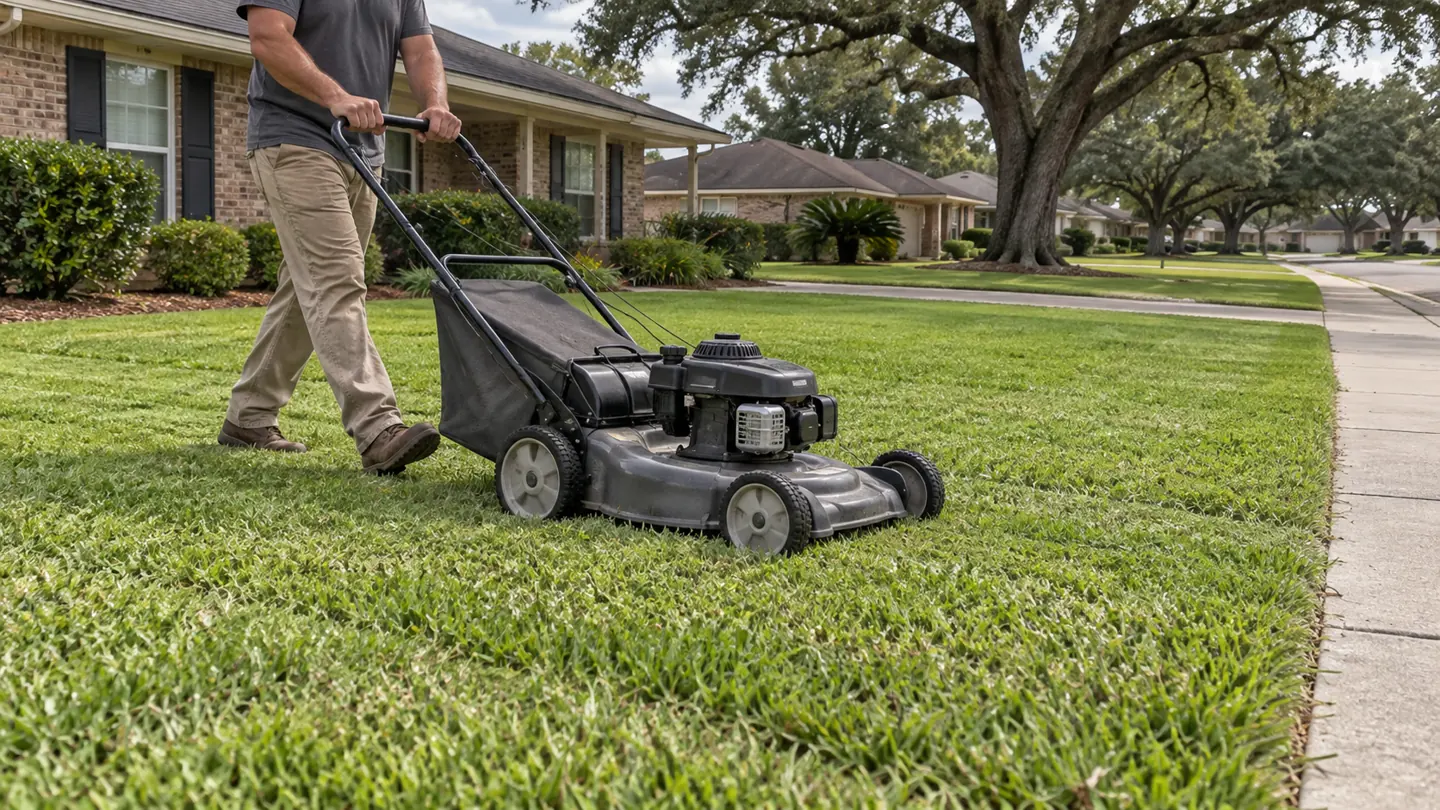
Growth can change while the address stays the same
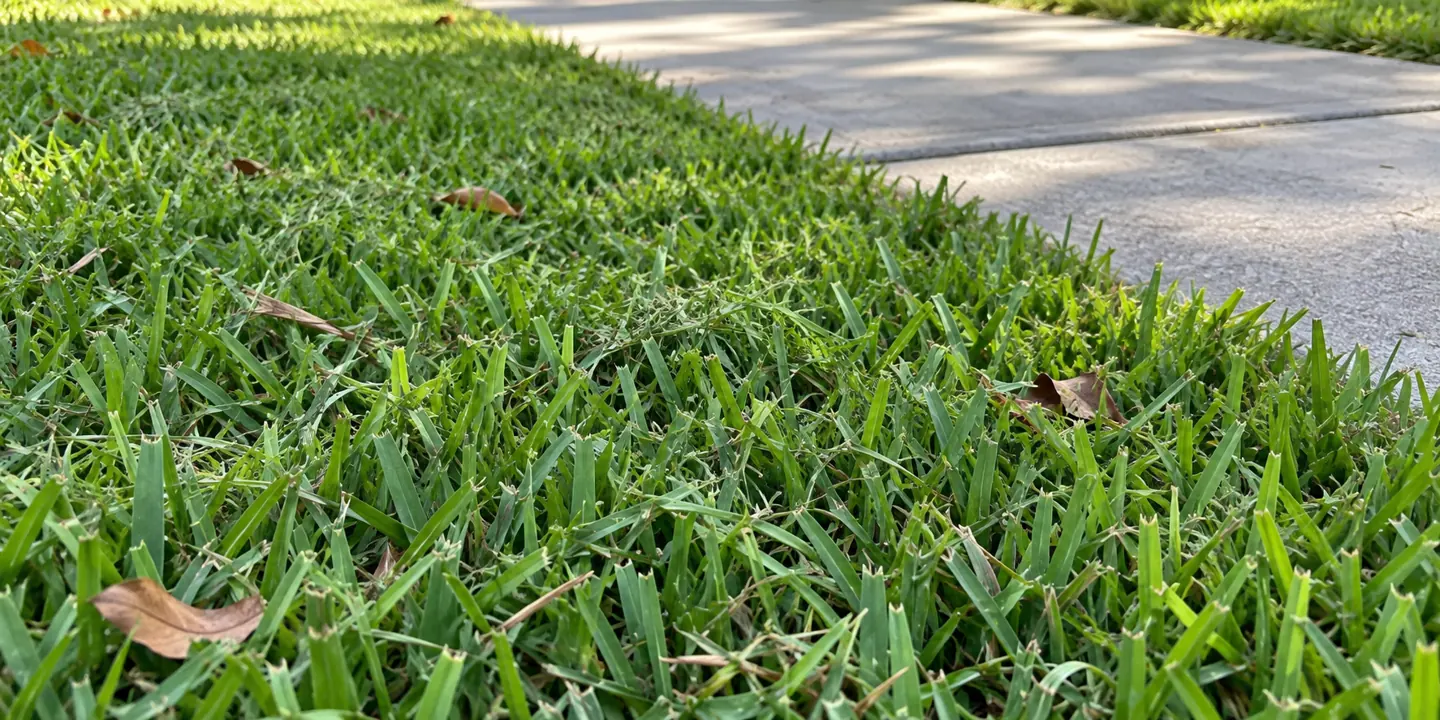
Warm weather and rain can increase the pace of growth. Cooler conditions, shade and stress can change it again.
The sunny front lawn and the shaded backyard may not behave identically, even though they belong to the same property and are maintained on the same route.
That is why an old schedule should not become an assumption forever. If the yard repeatedly looks too tall before the next cut, take current photos and talk about the interval.
If little new growth is happening, ask what adjustment is sensible. The goal is an arrangement that fits the lawn as it is now.
Clippings are part of the decision
The time between cuts affects the amount of material removed, but moisture and equipment also influence what you see afterward. Short material distributed through the lawn is different from thick accumulations or long windrows.
Bagging and collection preferences should be discussed as part of the quote.
If clipping handling is consistently difficult, do not treat the final blowing step as the only possible answer. Look at the amount of growth being removed and the conditions of the visit.
Happy can help separate the mowing interval question from the cleanup scope.
A rain delay is a separate practical problem
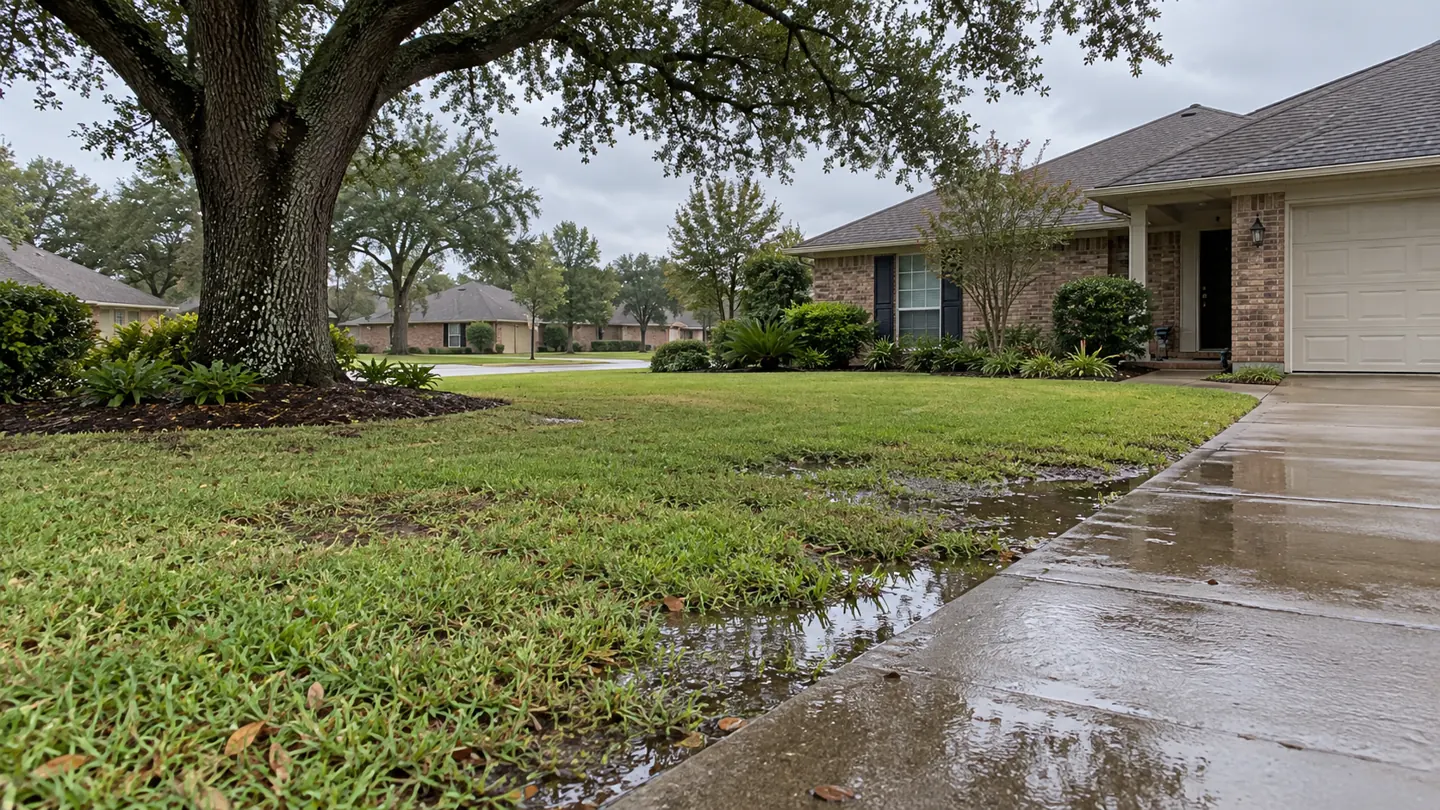
Weather can interrupt even a sensible recurring plan. Soft ground, standing water and wet growth may affect when equipment can be used.
A lawn that waits because of actual conditions can be taller at the next visit, but that does not automatically prove the chosen normal interval was wrong.
Ask how weather communication will work and tell Happy about recurring wet spots. A fixed promise to mow regardless of ground conditions can create more problems than it solves.
The practical plan should account for the property and the route rather than pretending rain never changes anything.
Compare total value over the same period
Instead of comparing one visit price in isolation, look at the same span of time.
- How many visits are expected?
- What is included?
- Does the lawn remain within the condition you want?
- Are first-time recovery work, extra clipping handling or different access arrangements being confused with routine maintenance?
Compare the actual work in each quote so you can choose with confidence. You need two clear scopes for your own yard. Happy Grass quotes the actual request rather than assigning every Westbank property the same rate.
A smaller lawn with several fences and obstacles can involve more detail than its size suggests.
What to send when asking for help deciding
- Your address and the current or previous mowing interval.
- Recent front-yard and backyard photos near the end of that interval.
- A rough description of growth and clipping accumulation.
- The mowing areas and finishing steps you want included.
- Gate, pet, access and wet-ground concerns.
- Your expectations for appearance and any deadline.
If the yard is already overgrown, describe that first. The initial visit may need a different scope before a recurring interval becomes realistic. A new weekly plan is not a substitute for understanding the condition at the starting point.
Ask Happy to review your mowing interval or call (504) 339-3571. Choose the help-me-decide option if you would rather explain the yard than guess a schedule.
A practical way to review your current mowing interval
Take observations at the same points between cuts
Instead of deciding from memory, look at the lawn at a few consistent points in your current interval. Notice how it looks soon after a cut, around the middle of the interval and just before the next expected visit. A simple set of photographs can show whether the lawn is staying manageable or becoming another chore long before the schedule catches up.
Use roughly the same camera position each time. Include the areas you use most, not just the neatest section out front. You do not need a formal growth study. The aim is to show Happy what is prompting your question, so a schedule change is based on an observation rather than a familiar calendar label.
Separate a temporary setback from an ongoing mismatch
One missed cut after an unusual interruption does not tell the whole story about the normal routine. Explain whether the lawn was generally comfortable before that interruption or whether it repeatedly gets ahead of you. The first visit back and the future maintenance interval may need two separate discussions.
If you have been away, the mower has been unavailable or access has changed, include that context. It helps distinguish the work required now from the work likely to be needed once the lawn is maintained again. Do not expect a tall first visit to define every later appointment without review.
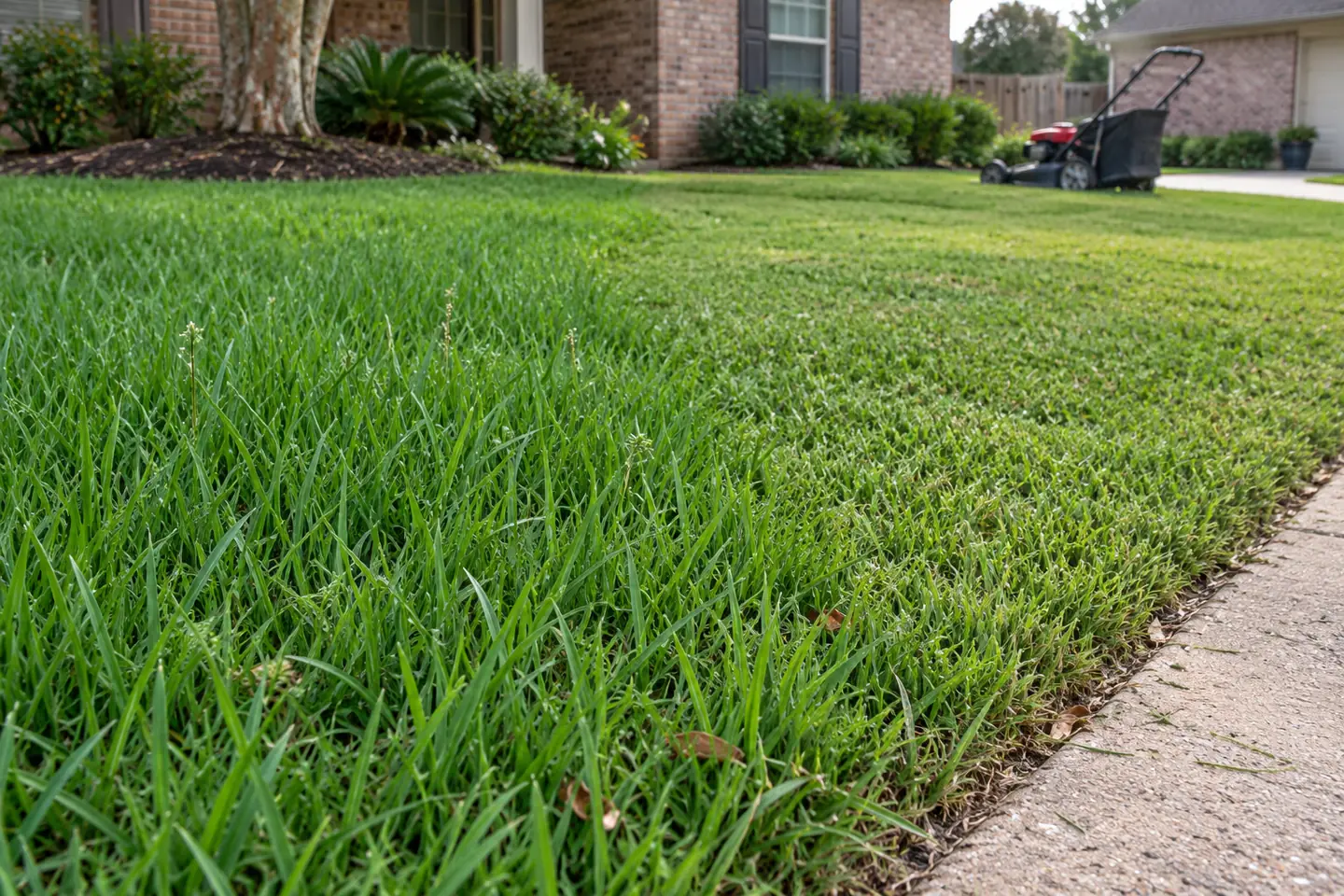
Keep the included work consistent when comparing options
Compare the same lawn areas and finishing tasks across the intervals you are discussing. A price for mowing the front alone cannot settle whether a different quote for front and back, edging, trimming and blowing offers the routine you want. Write down what is included before treating the totals as directly comparable.
Likewise, note whether clipping collection or other extra work is part of the request. These details should be clear whether you choose weekly or every-other-week service. The interval and the scope belong in one conversation because a schedule is only useful when everyone understands the visit it describes.
Make the next review easy
After a routine is agreed, keep one or two representative photographs and your basic area list. If you later add a fence, change a planted bed or find that one patch behaves differently, you will have a clear way to explain the change. There is no need to wait until the entire property becomes frustrating.
Contact Happy with the observation and ask about the next step. Any change to timing, price or included work still needs direct confirmation. A useful lawn routine is something you can understand and revisit, not a guessing game played between the calendar and the grass.