
Begin with the variety when you know it
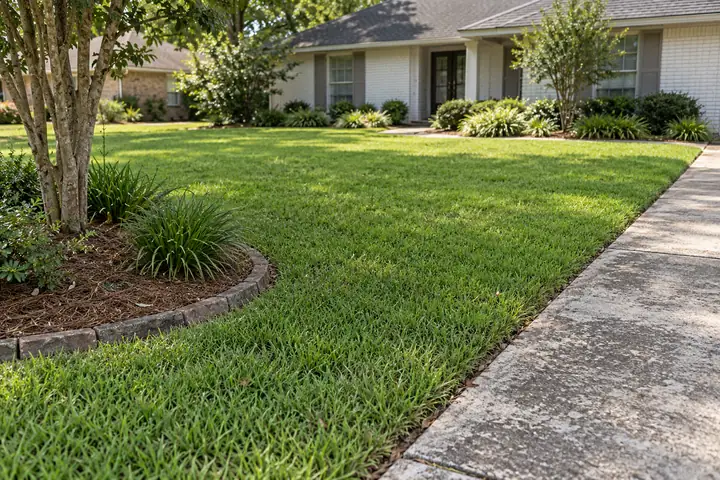
Zoysiagrass is a group with different textures and cultivars, not one identical lawn sold under a single specification. LSU AgCenter describes a dense growth habit, spreading runners and underground stems, with slower lateral spread than some other common turf. Coarse and finer leaves can call for different mowing considerations. If you have the original sod paperwork or a reliable cultivar name, keep it with the yard notes and share it when asking for maintenance.
If the previous owner simply called it zoysia, explain that the name has not been confirmed. A clear identification is more useful than confidently repeating an uncertain one. You can still send current wide photos, describe the included grass and request a review of mowing, edging and the finish. Happy can discuss the property while an extension specialist or another suitable source helps settle a separate identification question.
Avoid treating every height chart as interchangeable
LSU’s turf identification profile lists routine zoysiagrass mowing at 1 to 2 inches during active growth, and distinguishes higher cutting for coarse-bladed types from lower tolerance in narrow-leafed types. That is general regional guidance, not a ready-made setting for every lawn. Bring the cultivar information and current condition into the conversation before deciding what should happen at the next cut.
A homeowner may see a different range in a chart aimed at another region, type or maintenance system. The useful response is to clarify which recommendation fits the identified grass and property. Averaging numbers from several websites does not produce a property-specific plan. Ask Happy about the practical mowing request and keep any specialist agronomic advice tied to its actual scope, rather than turning a collection of general ranges into an unexplained instruction.
Explain what the dense finish should look like to you
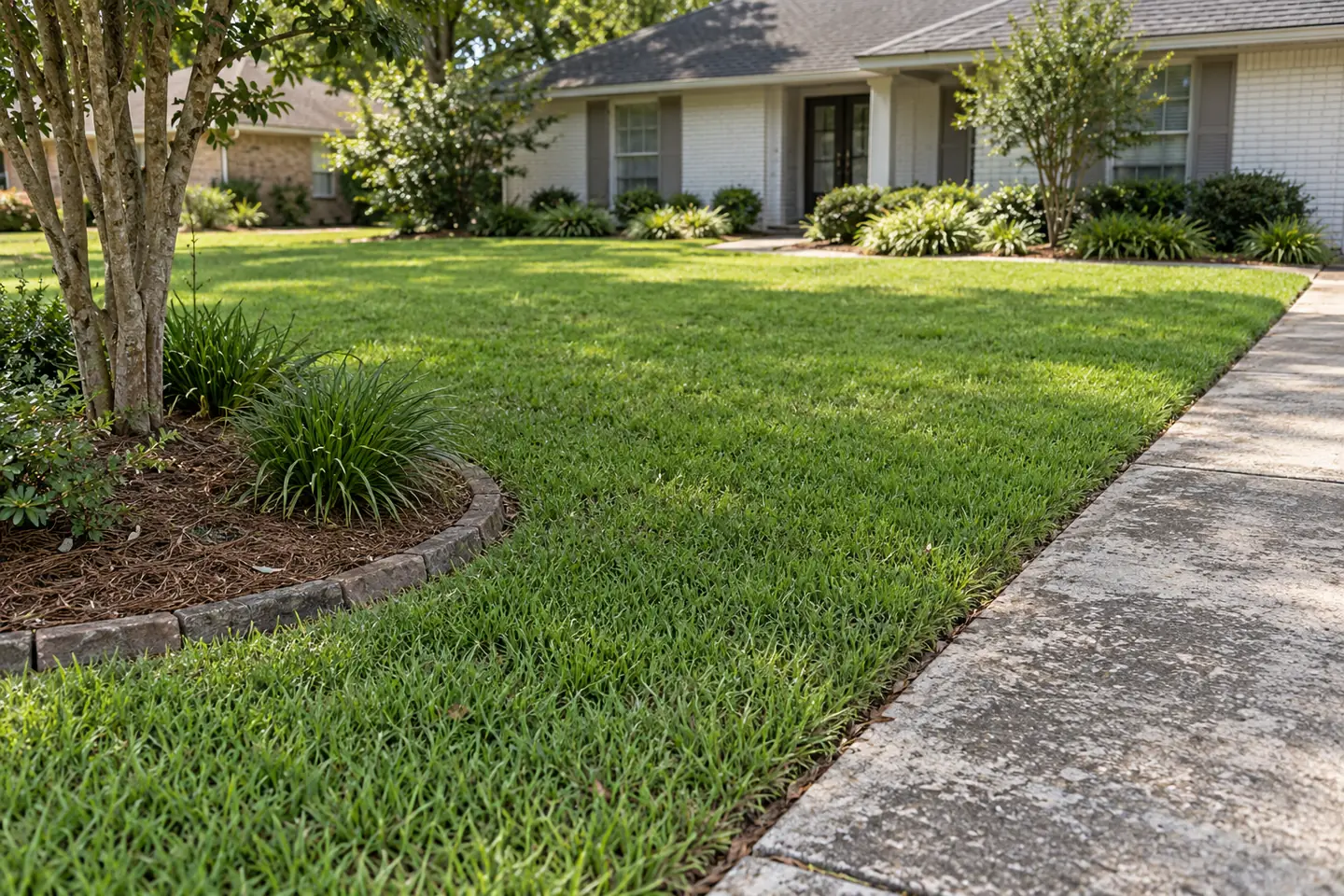
A dense lawn may draw your eye to details that are less noticeable in an open, irregular yard. Perhaps you care most about the line along a driveway, the look of the front section before the next visit or the transition around a planting island. Name the concern. A quote can describe an agreed finish much more clearly than it can promise a perfect lawn in every direction.
Photograph the areas from useful, repeatable positions. A wide view shows the overall appearance, while a detail picture can explain an edge or uneven-looking strip. Say whether the photo was taken immediately after a cut or later in the routine. That timing changes the question you are asking. Happy can then review the specific result and interval instead of guessing whether your concern is growth, finishing work or a difference in the underlying surface.
Look at the surface before asking for a very low cut
Show changes in level, raised transitions and areas where the grass has looked uneven after previous maintenance. Include enough of the surroundings to make the location recognizable. You do not need to establish a surveying grade or diagnose the cause. Plain observations such as “this strip beside the driveway is higher” help identify what needs a look before an appearance goal is discussed.
Routine mowing is separate from leveling or rebuilding the yard. If a future landscape project will change the surface, keep that work distinct from the current maintenance request. After the project is finished, update the photos and review the lawn plan again. A lower requested cut should not silently become a promise to solve every uneven feature. The existing ground belongs in the conversation about what a consistent, practical finish can mean.
Show use patterns and places that need protection
LSU notes that zoysiagrass can tolerate wear but recover slowly. If the lawn has a regular play route, a gate entrance or a worn path around a fixed object, show it clearly. Tell Happy how the yard is used, including whether furniture or play equipment stays in place during maintenance. A mowing request should reflect the usable grass around those features, not a photo with the obstacles temporarily hidden.
New sod, repaired patches and areas receiving separate work should also be identified. Share the relevant installer or provider instructions before including them in a recurring visit. A protected section needs a recognizable boundary, and the household should understand what will be left alone. These details are part of coordinating the property. They do not turn mowing into a repair guarantee or make a worn area ready for every kind of work automatically.
Compare leaf cutting with trimming and edging
The open lawn may be only one part of the appearance you want. Edging along suitable concrete, weed-eating accessible margins and blowing named surfaces deserve their own place in the quote. A photograph of dense grass does not tell Happy whether you want the rear patio included or whether a side planting strip is excluded. List those details directly.
- Show open mowing areas separately from planted beds.
- Identify hard edges you want reviewed.
- Point out accessible corners needing trimming.
- Name the surfaces included in loose-clipping cleanup.
If growth has buried a boundary or entered a garden bed, explain the current condition. Maintaining a clear line and reclaiming an overgrown area may be different requests. You do not have to choose the technique yourself; a good description makes it possible to discuss the actual work before a visit is expected.
Review the interval by the result between cuts
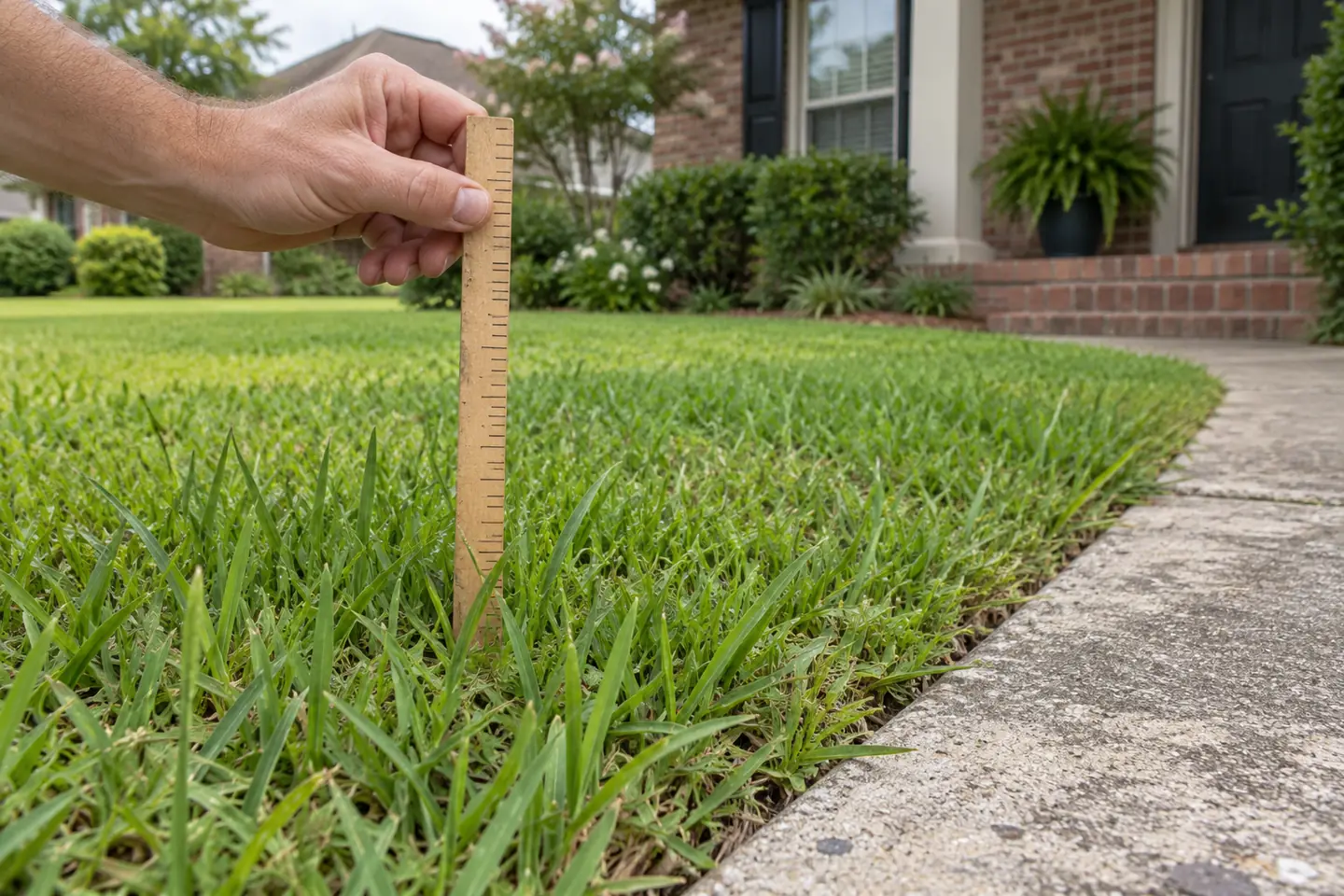
The phrase slow-growing does not settle the schedule for every property. Ask whether the routine is keeping the included areas manageable and producing the appearance you agreed on. Keep a dated photo near the end of the interval if that is when a concern becomes visible. Describe the part that changes first rather than assume the whole yard needs an identical adjustment.
If access interruptions or missed visits have changed the condition, disclose the gap. The next cut may need its own review before the recurring plan can be resumed. Ask what clipping handling is included, especially if collection is important to you. A useful routine ties together growth, access and the accepted finish. It should be something you and Happy can describe clearly, not a calendar label carrying assumptions nobody has confirmed.
Keep specialist maintenance separate from Happy’s scope
Dense turf can prompt questions about thatch, soil, nutrition and renovation. This guide does not diagnose those conditions or prescribe a treatment. If you have a concern beyond the cut, collect useful observations and take that question to an appropriate source. Photos should show what is happening without turning a guessed cause into a fact in the lawn request.
Happy Grass does not offer fertilization, aeration, overseeding or pest control. Keep separate services and provider instructions clear when coordinating the yard. You can still ask about mowing, edging, weed-eating and blowing the areas that are ready for routine work. If another project changes access or creates an exclusion, send an update. Clear service boundaries make it easier to maintain the lawn while other questions are handled on their own merits.
Make the next step specific
Try a request such as: “Our lawn is recorded as zoysia, but I do not know the cultivar. Please review the current height and front-yard appearance. We want mowing, the driveway edge and blowing the front walk. The planting island stays outside the work. The backyard is a separate area with the gate shown in these photos.” Add the private address and your preferred contact method.
That message leaves the unknown variety honest while making the actual job clear. Happy can ask about the remaining details and review availability before confirming the plan. For a property in Harvey, Marrero, Gretna, Algiers, Belle Chasse or Westwego, bring the lawn you have into the conversation. A happier yard starts with useful information, an agreed scope and fewer assumptions riding along with the grass type’s name.
Use growth observations instead of borrowing another lawn's schedule
A neighbor's zoysiagrass lawn can look familiar while having different sun, shade, contours and maintenance history. Even a confirmed grass name does not settle the interval for your property. LSU AgCenter identifies zoysiagrass as relatively slower growing compared with bermudagrass in its explanation of mowing frequency. Treat that comparison as background, then look at the actual growth in your own sections. A quiet-growth period and a patch that has become noticeably taller deserve different notes.
Keep a simple pair of photographs between visits from the same accessible position. Include a representative open section and the area you think is changing fastest. Note the actual visit date and any interruption, rather than reconstructing the interval from memory. If a canopy looks rough after cutting, photograph the standing leaf tips separately from the overall length. A discussion about the growth interval should not hide a separate question about cut quality. Neither issue is solved by choosing another property's mower setting from a photograph.
- Describe the fastest-growing section on your own lawn.
- Distinguish a missed visit from a normal interval.
- Show canopy length and cut-tip appearance in separate views.
- Review timing when the lawn's observed growth changes.