
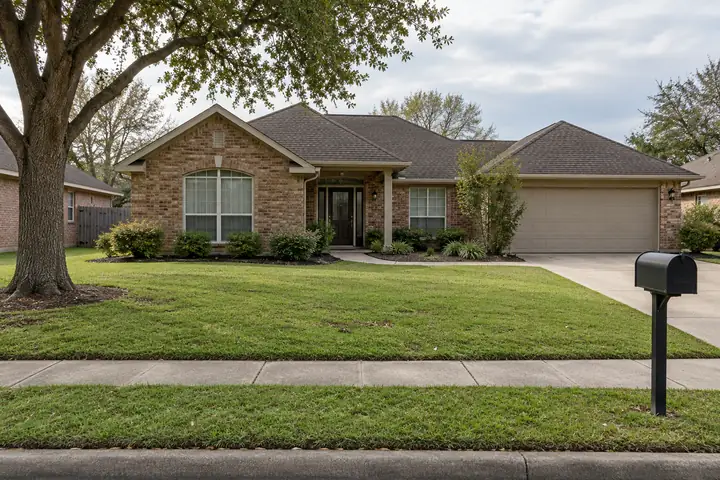
Start with the property as it is today
An unoccupied house can have a lawn that grows normally while nobody is there to notice a locked gate, fallen branch or new wet spot. The first useful step is a current picture of the actual property. An old listing photo may explain the layout, but it does not establish today’s growth or access.
Tell Happy when someone last saw the yard and when it was last cut, if known. If those dates are uncertain, say so. A straightforward starting condition is more useful than describing the lawn as routine when nobody has checked it recently. The first visit may need a different assessment from the ongoing maintenance you hope to arrange.
Identify who can authorize the work
A family member, agent and property manager may all be involved, but one person should be able to confirm the maintenance request. Explain your relationship to the property and the area you are authorized to arrange. If ownership or access authority is unresolved, settle that before expecting lawn work to proceed.
Routine maintenance does not resolve a title, estate or tenancy dispute. This guide is about coordinating grass cutting, not deciding legal responsibilities. Keep the requested scope tied to the property you can authorize. A clear contact helps avoid competing instructions from well-meaning people who each assume someone else has already approved a change.
Use current photos with useful context
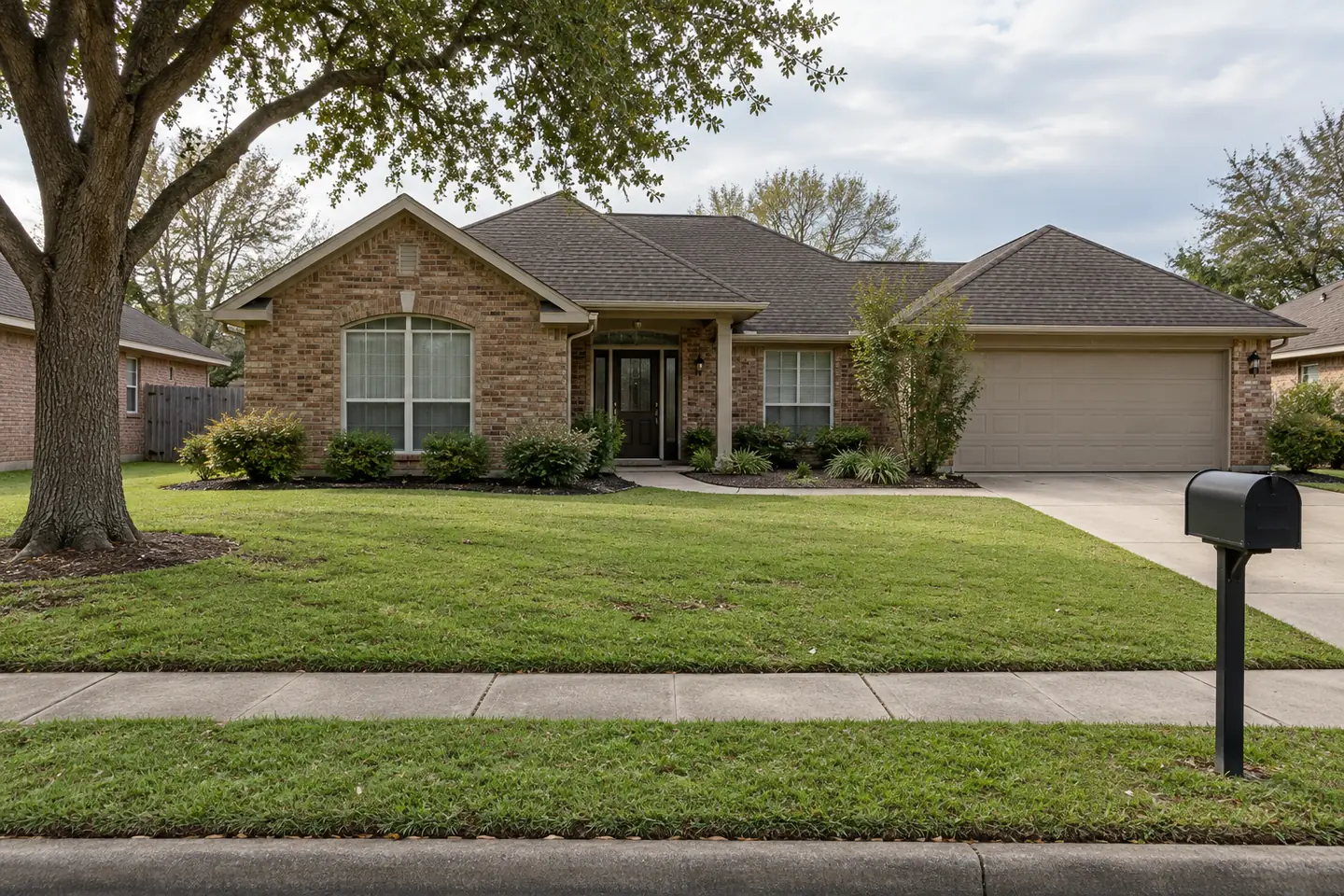
Ask an authorized person to take safe wide views of the front, sides and backyard where accessible. Include gates, the route into the yard and known obstacles. A close picture of grass height can help, but it should be paired with a wider view so the location makes sense. Label older reference images clearly.
Do not ask anyone to enter an unsafe or unauthorized area for a photograph. If no current access is available, explain that limitation. Happy may need another arrangement before quoting or servicing the property. A complete-looking photo set should not be assembled by treating inaccessible sections as if they had been inspected.
Confirm the access arrangement privately
An empty house may still have locks, alarms and restricted areas. Share necessary access details only through the agreed private channel. A public photo should not reveal a lockbox code, security panel or another unnecessary secret. Confirm who controls the gate and how changes will be communicated.
- Identify the entrance intended for lawn access.
- Explain whether the gate is currently usable.
- Show steps, turns and fixed obstacles.
- State any area that remains off limits.
- Confirm who can answer an access question during the visit.
Do not assume exterior lawn service includes entering the building, checking rooms or handling unrelated keys and security tasks.
Separate a first cut from the regular routine
A yard that has gone unattended may have taller growth, heavy clippings or concealed debris. The first maintenance scope needs to reflect those conditions. A future weekly or every-other-week routine should not be used as proof that the initial visit has the same amount of work or the same expected finish.
Discuss the starting assessment, any exclusions and what ongoing service would cover. One cut should not be assumed to restore every bare patch or remove every sign of neglect. Mowing, edging, weed-eating and blowing can be considered within an agreed scope, while debris hauling, major clearing and repairs need separate explicit discussion.
Tell Happy about known hazards
Unused properties can collect loose items or have fixtures hidden by grass. Disclose known openings, exposed pipes, surface roots and damaged covers. Mention vehicles, stored material or construction work affecting the route. Nobody needs to search dangerous growth for quote photos, but known information should not be left out.
If there are signs of an unsafe condition, arrange the appropriate attention before ordinary maintenance. Grass cutting is not a structural inspection, utility assessment or hazardous-material service. The useful lawn-care question is which areas can be accessed and maintained suitably, and where the boundary must remain until another problem has been addressed.
Define the exterior work area
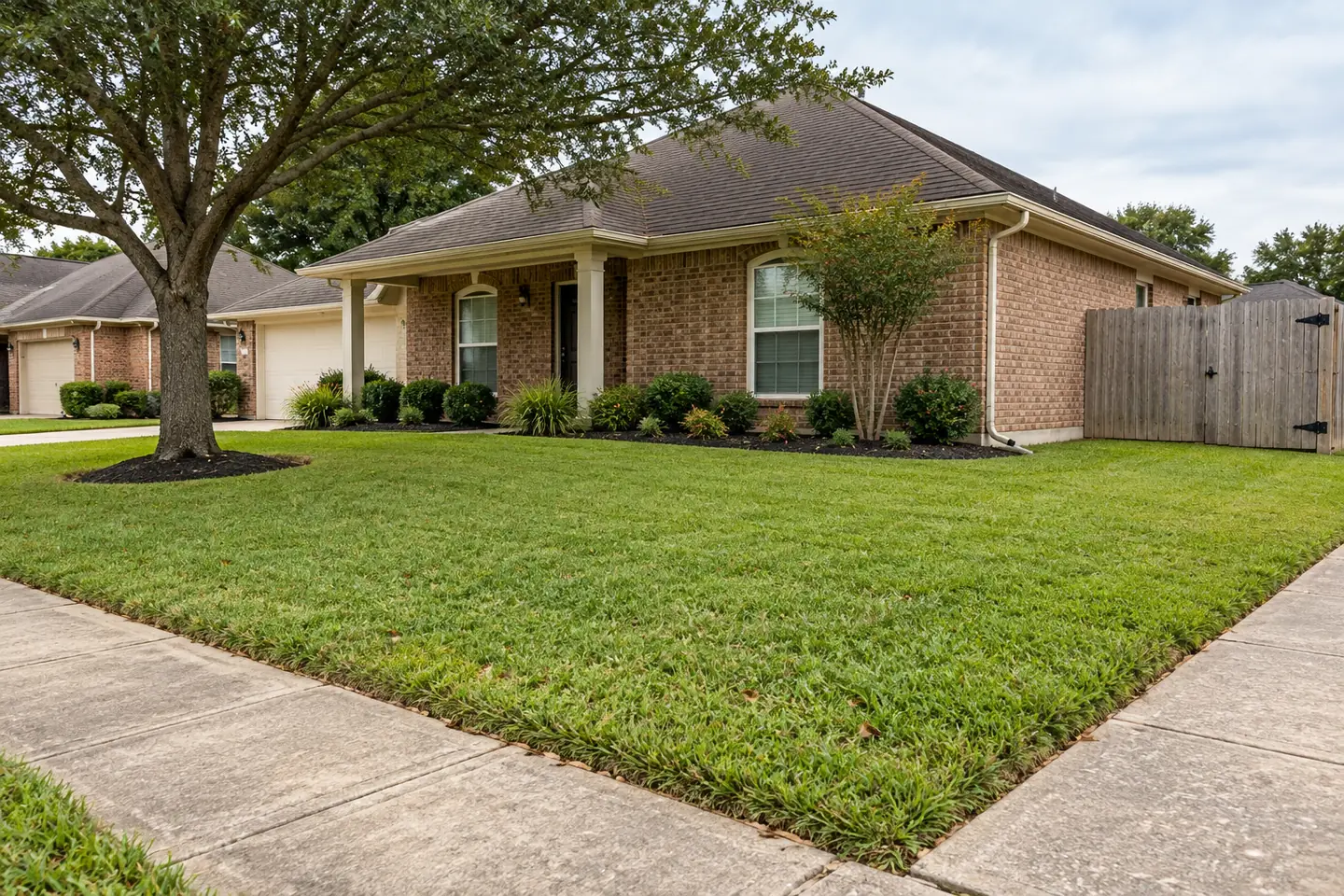
An unoccupied property may include a detached lot, shared driveway or roadside ditch that is not obvious from the street. Specify the requested areas and confirm the boundaries you can authorize. Use fixed references and verified property information. Convenient visual features should not be presented as legal property lines when they are uncertain.
If a ditch, steep bank or wooded section is involved, identify it separately. Routine lawn maintenance should not silently expand into every piece of adjoining land. A defined work area makes the quote clearer and allows the finished result to be evaluated against something both sides actually understood.
Keep inspections and maintenance separate
Lawn service does not automatically include checking the house, collecting mail, monitoring occupancy or reporting every property issue. If you want progress photos or a particular service note, ask whether that can be agreed and in what form. Do not turn a mowing appointment into an assumed property-management package.
The responsible person should still arrange whatever regular property checks are appropriate. A cut lawn can improve appearance, but it does not establish that the building is secure, insured, compliant or free from damage. Keeping these responsibilities separate prevents the maintenance conversation from promising oversight that was never offered.
Coordinate other people using the site
Even an unoccupied house may have contractors, agents or family visits. Tell Happy about work affecting the lawn route or creating temporary obstacles. A dumpster, material delivery or open trench can change the plan. The completion date promised by another provider is not the same as confirmation that the grass area is ready.
Use one contact to collect updates and approve changes. If someone else will meet the service provider, make sure that person has the actual agreed scope. Avoid instructions passed through several people with different versions of the plan. A short current message can prevent a lot of unnecessary travel and confusion.
Discuss condition changes before the next visit
Rain, fallen limbs or irrigation problems can affect an unattended yard between visits. If someone checks the property, ask them to share relevant changes with the authorized contact. Provide current photos from safe ground when possible. An earlier dry-yard image is not proof of conditions after another storm.
A delay or limited service may need discussion if access or ground conditions have changed. Confirm revised timing directly rather than assuming an immediate replacement slot. The goal is a workable maintenance routine based on actual information, not a calendar that ignores the property whenever nobody happens to be living there.
Keep records that help the next conversation
Save the agreed service scope, contact details and useful property references. If the lawn has an excluded section, keep that boundary with the notes. Record when a gate arrangement, occupancy status or contractor schedule changes. These small records are more useful than relying on a memory of an earlier phone call.
If the property is sold or occupied, notify Happy before the next planned service. Confirm who can authorize future work and whether the arrangement should continue. Do not assume a new owner or occupant has accepted the old instructions. A change in responsibility deserves a clear handoff before equipment returns to the yard.
Give Happy a clear starting point
A useful request includes the city, address, your authorization role, current photos and the last known cut. Explain access, known hazards and whether the immediate need is an initial assessment or an ongoing routine. Availability and property suitability need review, particularly when the current condition has not recently been checked.
Call 504-339-3571 or use the quote form for a property in Harvey or the surrounding Westbank communities. Happy Grass serves Marrero, Gretna, Algiers, Belle Chasse and Westwego too. Keeping the yard accounted for starts with an honest picture and one clear person responsible for the conversation.
Create a visit record another person can understand
When no one is regularly at the property, a service note should be useful to the person who may arrange the following visit. Record the completed date, maintained sections, any area left out and the reason that area could not be reached. A general message that the yard was handled can conceal an important access restriction. Clear records help an owner, relative or authorized manager distinguish completed maintenance from work still needing a decision.
Use photographs with recognizable property features rather than close crops of unidentified grass. Keep gate or entry instructions private and current. Do not put access codes into a public yard photograph or rely on an old instruction forwarded through several people. If a separate contractor changes the gate path, leaves materials or opens the ground, update the mowing request before another visit. An unattended yard can change between visits even when the grass itself looks familiar. The maintenance arrangement needs a person who can review those changes and confirm the next scope.
- Name the person authorized to confirm the work.
- Record completed sections and intentional exclusions separately.
- Update access instructions after other property work.
- Keep a dated current overview for whoever coordinates the next visit.