
Less growth changes the conversation
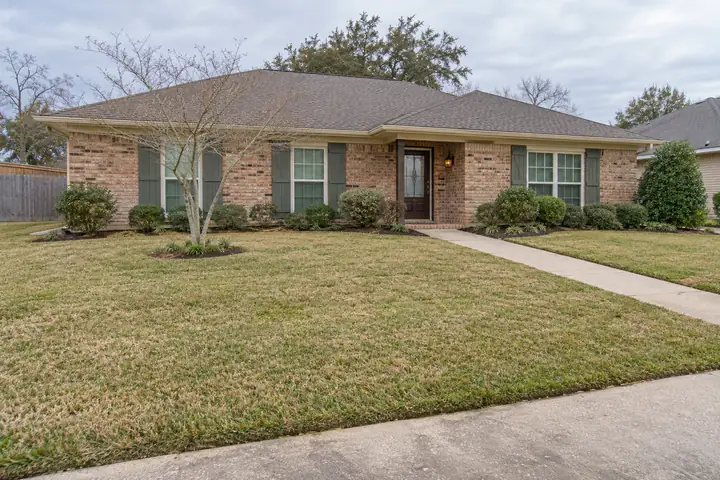
A warm-season lawn can look quite different when growth slows. The yard may lose some of its summer color while a few taller plants continue to stand out. Before asking for the usual cut, look at which part of the surface is actually growing and what result you want.
Tell Happy whether the concern is leaf height, isolated tall growth, fallen material or the overall color. Those are different observations. A useful maintenance request does not need to describe every tan blade as a mowing emergency. It should explain the property’s current appearance and the work you are asking to have considered.
Dormancy is not a diagnosis from color alone
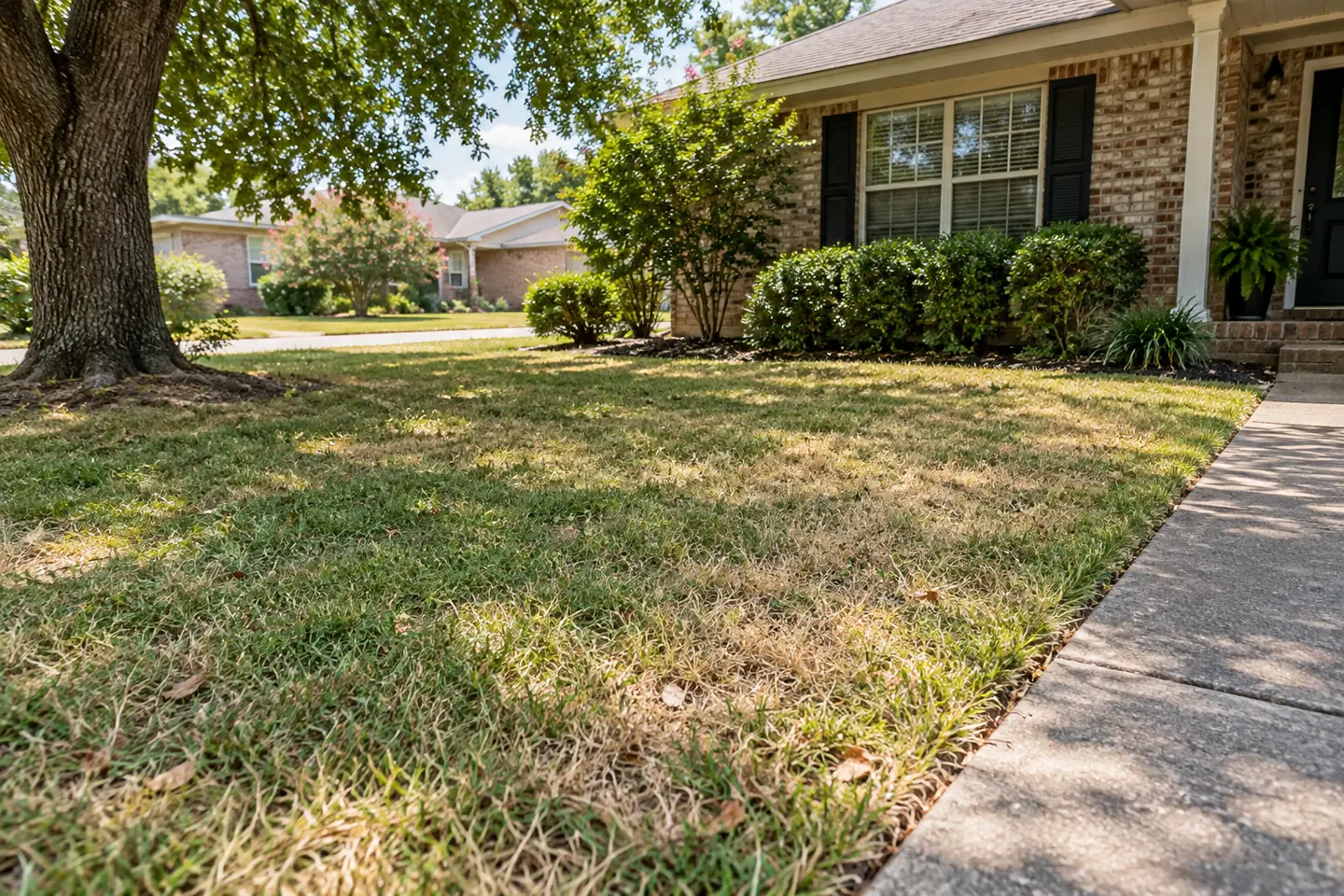
LSU AgCenter explains that warm-season Louisiana lawns can be dormant or semidormant in winter. Its drought material also distinguishes dormancy from active growth. That background is useful, but a brown photograph does not prove that every part of a specific lawn is healthy and resting.
If you are uncertain whether turf is dormant, damaged or affected by another issue, seek appropriate extension or turf-professional advice. A maintenance quote should not promise that color will return by a particular date. For mowing, the immediate questions are the actual growth, site conditions and appropriate work scope while the broader concern is reviewed.
Observe the whole lawn and the exceptions
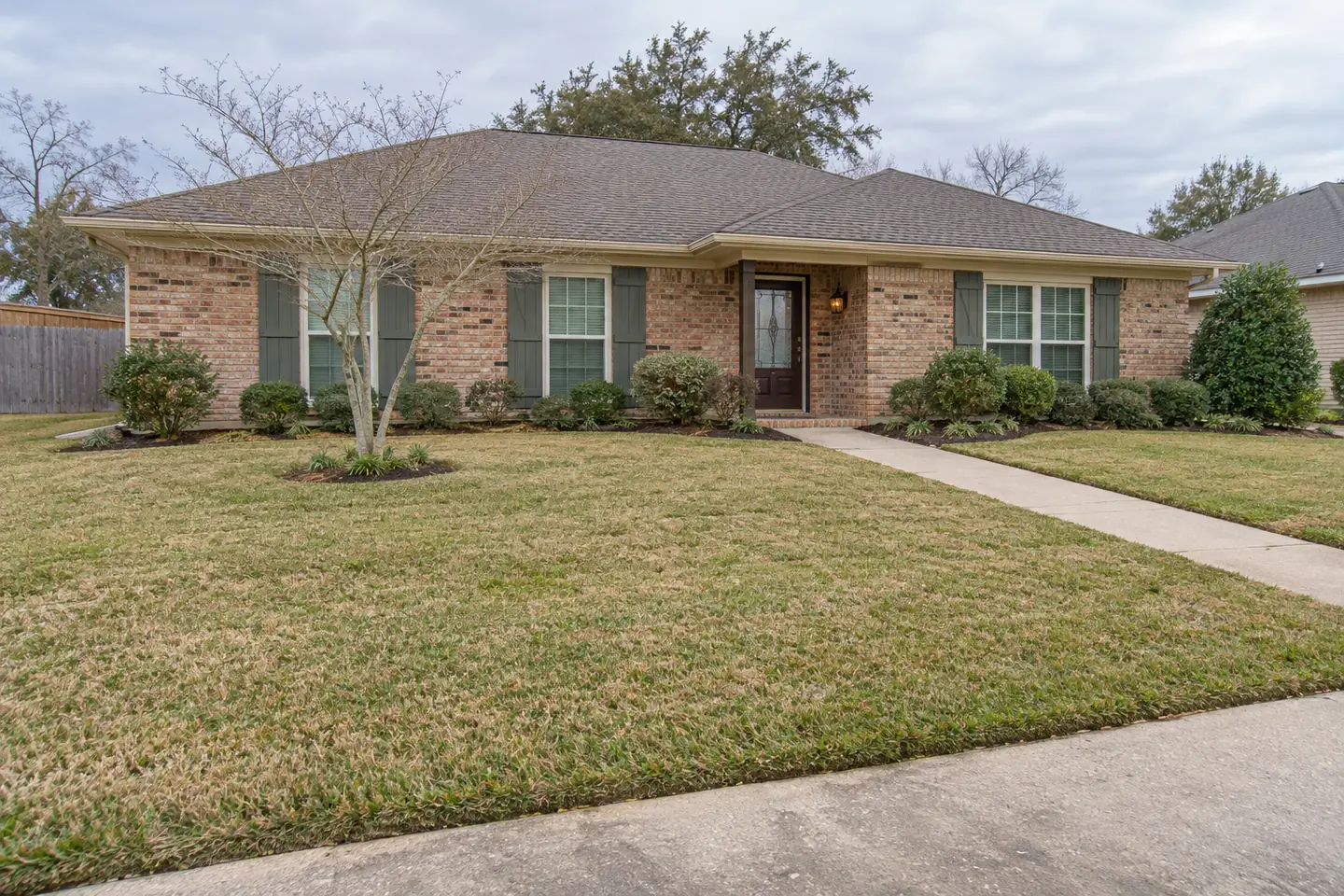
A uniformly quiet main area can coexist with taller patches. Take a wide view showing the general lawn and separate closer pictures of the exceptions. Explain whether those patches look like the verified turf or a different plant. Identification may be needed before treatment or removal is discussed.
Use fixed references such as the front walk or backyard fence corner. A close-up alone may not explain where the growth sits. You do not need to inspect every stem to start a conversation. A few representative views can distinguish the overall resting appearance from the specific growth that makes the property look untidy.
Winter weeds and resting turf are different
LSU’s winter management guidance notes that cool-season weeds can continue growing while warm-season turf is quiet. That is a reason to describe the visible growth clearly, not to assume every tall patch is the desired lawn. Mowing and weed-control discussions should remain distinct.
Happy Grass can review a weed-control request for the actual site, with suitability and scope confirmed directly. This page does not prescribe products or rates. Fertilization, aeration, overseeding and pest control are not offered services. A quieter lawn should not acquire a treatment package simply because its appearance differs from the summer photograph you remember.
Do not use a scalped finish as a winter shortcut
A very low cut should not be treated as a way to make a resting lawn cleaner. LSU’s winter guidance cautions against scalping. The intended maintenance height still needs to fit the grass and site rather than a general wish to remove every sign of the season.
If a particular patch looks tall, show it separately. Explain the finish you want and allow the work method to be reviewed. A useful plan may involve limited work on actual growth or another defined task, rather than cutting all the turf again just because a recurring date appears on a calendar.
The calendar does not establish the next task
A weekly or every-other-week arrangement should be discussed against current growth and conditions. The fact that a month has changed does not prove that a visit is unnecessary, nor does a recurring pattern prove the same cutting work is needed everywhere. Ask about the actual property.
Keep timing and any change in scope explicit. Availability and the final arrangement need direct confirmation. If you are managing the yard for someone else, make sure the person handling access receives the confirmed plan. A useful seasonal review should reduce guessing rather than replace a summer assumption with an equally rigid winter one.
Separate leaves and litter from mowing
A lawn can look busy because loose material has accumulated even when grass growth is limited. Name the material you want addressed: fallen leaves, sticks, litter or cuttings. Blowing agreed hard surfaces does not automatically include collection, hauling or a complete seasonal cleanup.
Show the actual coverage and any hidden ground. The leaf-covered lawn guide can help with that starting description. Ask whether the additional work is available and what it would include. A clear result is easier to quote than a broad instruction to make the dormant lawn look like an actively growing summer yard.
Watch access and moisture independently
Resting grass does not mean the ground is automatically suitable for equipment. A gate passage or shaded corner can remain wet after other surfaces dry. Tell Happy about recent irrigation, standing water or soft areas from safe observations. Do not test questionable ground with a mower to establish readiness.
- Show the entry route.
- Identify wet or shaded sections.
- Mention low fixtures and known openings.
- Explain any recently repaired turf.
- State areas that must remain excluded.
A delay or limited visit may need consideration when conditions change. The work plan should respond to the ground as well as the grass’s growth.
Keep traffic and new repairs in the notes
A frequently used route can remain worn while the rest of the lawn is quiet. New sod or repaired ground may follow separate care instructions. Identify those areas clearly rather than letting the broad dormant-lawn description stand for everything at the property.
If another provider is working on the yard, share relevant restrictions and actual completion status. Routine mowing does not include turf replacement, grading or an establishment guarantee. The useful maintenance boundary can account for the sensitive section while keeping the rest of the request understandable. A clear handoff matters particularly when one small area controls access to a larger yard.
Save one useful seasonal reference
A dated wide photograph can help explain what you are seeing now. If you compare it with an older greener view, label both and acknowledge the different season. The comparison can show layout and the area of concern without promising identical color or growth throughout the year.
You do not need an elaborate lawn diary. Note the last cut if known, relevant recent work and the specific task you want reviewed. If a concerning patch changes or spreads, seek appropriate help instead of assuming dormancy explains everything. A record is useful when it supports a better decision, not when it substitutes for a needed assessment.
Make the request short and specific
Try a message such as, “The main lawn has slowed down, but these taller patches beside the driveway are growing. Please review what maintenance makes sense. Fallen leaves are a separate question.” Add the city, address and current photos.
That gives Happy a practical starting point without inventing the plant identity or a fixed seasonal schedule. Keep any revised work scope with the service notes. If conditions change before a visit, send a short update. A quieter lawn can still have a clear, tidy maintenance plan that fits the property and the result you actually want.
A little less growth, a clear next step
Show the current lawn, the specific taller areas and the route into the yard. Explain whether you want mowing, finishing work or a separate cleanup question reviewed. Happy can consider the request alongside the actual growth, property conditions and availability.
Call 504-339-3571 or use the quote form for Harvey, Marrero, Gretna, Algiers, Belle Chasse or Westwego. No mow worries starts with knowing what needs attention today. Let the grass and the site inform the conversation, then agree on a sensible next step.
Distinguish an appearance goal from active growth
If the main wish is a tidy view before guests arrive, explain that directly. The practical task may concern a path edge, isolated growth or loose material rather than cutting the whole resting lawn. A clear result makes it easier to discuss what work is actually available and appropriate.
A preferred date still needs direct confirmation. Do not assume a seasonal appearance request creates an appointment or automatically includes collection and hauling. Keep the desired finish, current condition and work scope together so the quote can address the actual yard without promising summer color or unnecessary cutting.
Keep a resting-lawn note specific to the visit
Write down the work you believe needs attention rather than using dormant as a complete instruction. You might be asking about leaf accumulation, a visible edge or a localized patch of taller growth. Label uncertainty about the grass condition separately, especially when color is the only evidence you have. The request should explain what you want reviewed even if the seasonal label later changes.
After Happy responds, record which tasks were agreed and what remains undecided. Do not turn one visit without mowing into a permanent cancellation of the routine, or a small finishing request into permission for an unusually short cut. Revisit the actual lawn when conditions change and date the new observation. A practical resting-season note is a current description of a task and a decision, not a blanket rule carried forward without another look.