
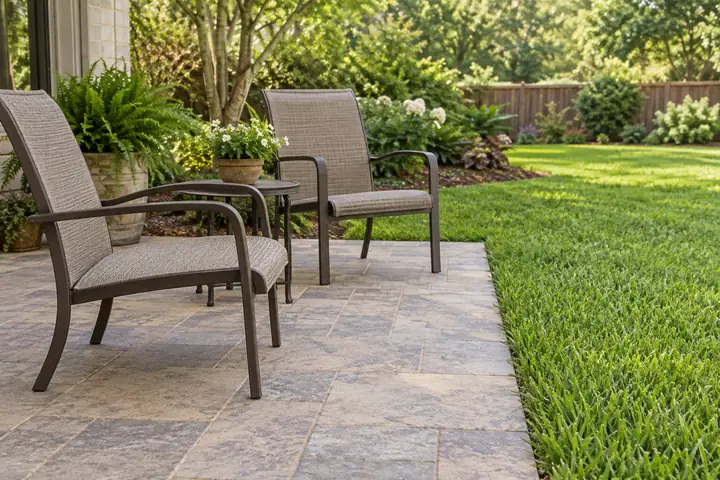
Describe the arrangement in use
A backyard can look open in a property photograph and feel quite different after chairs, a table and a shade stand are arranged for the weekend. Show Happy Grass the current setup rather than an older empty-lawn picture. Include the feet and bases, not just the tops of the furniture. A wide seat may overhang grass well beyond the small area where its legs touch the ground.
The first decision is which lawn areas you want maintained and which objects the owner will clear. Do not assume a mowing quote includes lifting, dismantling or rearranging household furniture. Some pieces are attached, unusually heavy or more fragile than they look. A clear description lets the visit be discussed around reachable grass instead of a general expectation that everything will be moved somewhere. The useful result is a workable property layout, with responsibility for preparation understood before the crew arrives.
Separate portable pieces from fixed features
A folding chair and an anchored bench may occupy similar lawn space but need different plans. Identify anything secured to the ground, connected to another structure or too awkward for ordinary owner preparation. Do not ask the crew to test whether a fixed-looking object comes loose. When the installation is uncertain, treat it as something that stays until the responsible person can review it.
Explain unusual features such as a weighted umbrella base, wheels that sink into soil, a table with a glass top or loose cushions stored underneath. Those details affect preparation and the work boundary. They also help avoid confusing a portable household item with permanent landscape furniture. If the yard belongs to someone else, obtain the appropriate owner's direction before promising to move their belongings. Happy can review routine grass cutting around an agreed layout without taking responsibility for household storage decisions that have not been authorized or explained.
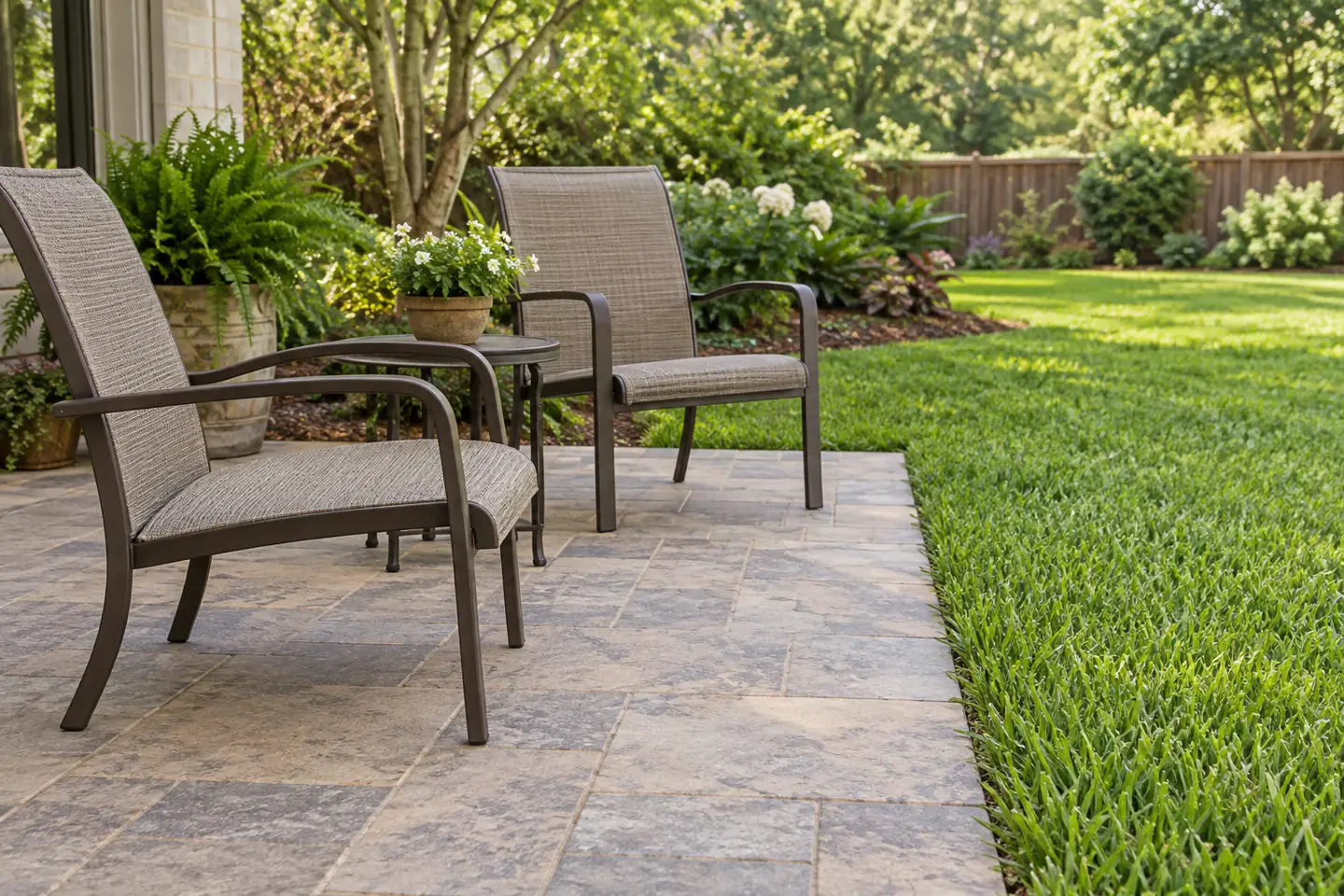
Create storage that leaves a usable route
Moving every chair into the side passage may clear the backyard while blocking the only way to reach it. Look at the whole route from entrance to work area before choosing temporary storage. Leave the gate, any turn and the path back out usable under the actual equipment review. A person being able to squeeze past is not proof that a mower can travel there appropriately.
Place portable pieces on a suitable stable surface where they will not fall back into the grass. Do not balance furniture in a way that depends on the crew avoiding a precarious stack. Remove loose cushions and smaller parts too, rather than treating the large frame as the whole object. If there is no appropriate storage location, explain that limitation in the quote request. The available service area may need to be defined around what remains. A reduced but clear scope is more useful than an apparently open lawn whose entrance becomes a furniture store on mowing day.
Look at grass that has been covered
When a chair or table has remained in one position, the grass revealed beneath it may look flattened, thin or a different color. Record the condition after ordinary belongings are removed and before the cut changes the view. Do not immediately treat that footprint as damage from the next mowing visit. The object's placement is part of the property's recent history and should be visible in the conversation.
Check for small loose parts around the feet: protective caps, hardware, ties and decorative pieces can remain behind after the frame moves. A quick view from the edge is useful, but do not probe unfamiliar ground or reach beneath unstable furniture to prepare a picture. If an item cannot be moved appropriately, leave the affected grass out of the preparation plan and identify it for review. Mowing can make newly accessible leaves more manageable without promising that a previously covered patch will instantly match the established lawn around it.
Define the margin around furniture that stays
A stationary bench in grass may leave a narrow area that cannot be reached in the same manner as the open lawn. Discuss the intended finish around its legs and underneath its overhang. Do not assume string trimming can reach every blade without approaching delicate feet, finishes or nearby objects. A small agreed margin can be an intentional boundary, rather than a missed section.
Useful pictures show the furniture from the likely approach and from the lawn side. Include loose gravel, bed edging or a drop in level if one sits beside the base. The surrounding surface matters as much as the furniture's outline. If you want the full patch underneath maintained, access to that patch needs to be part of an appropriate preparation arrangement. A request to cut underneath should not silently become permission to lift a heavy bench or pull an anchored table from the ground. Keep the lawn task and the movement responsibility specific.
Coordinate events without hiding the lawn condition
For a gathering, decide whether the lawn visit should occur before furniture is arranged or after the owner clears it again. Do not rely on an exact arrival moment unless timing has been directly confirmed. A plan that works only during a brief gap between setup and guests needs that limitation explained. Happy should know whether chairs will already cover the grass when the visit is considered.
After an event, note the actual state of the yard rather than simply calling it ready. There may be flattened grass, small dropped items or a damp entry route from other activity. Gather ordinary visible belongings and explain anything that remains. If the lawn needs a first look after a busy weekend, say so. The objective is to arrange suitable maintenance of a known area, not to promise that a cut will erase every furniture footprint or restore the exact appearance in a promotional photograph before the next set of guests arrives.
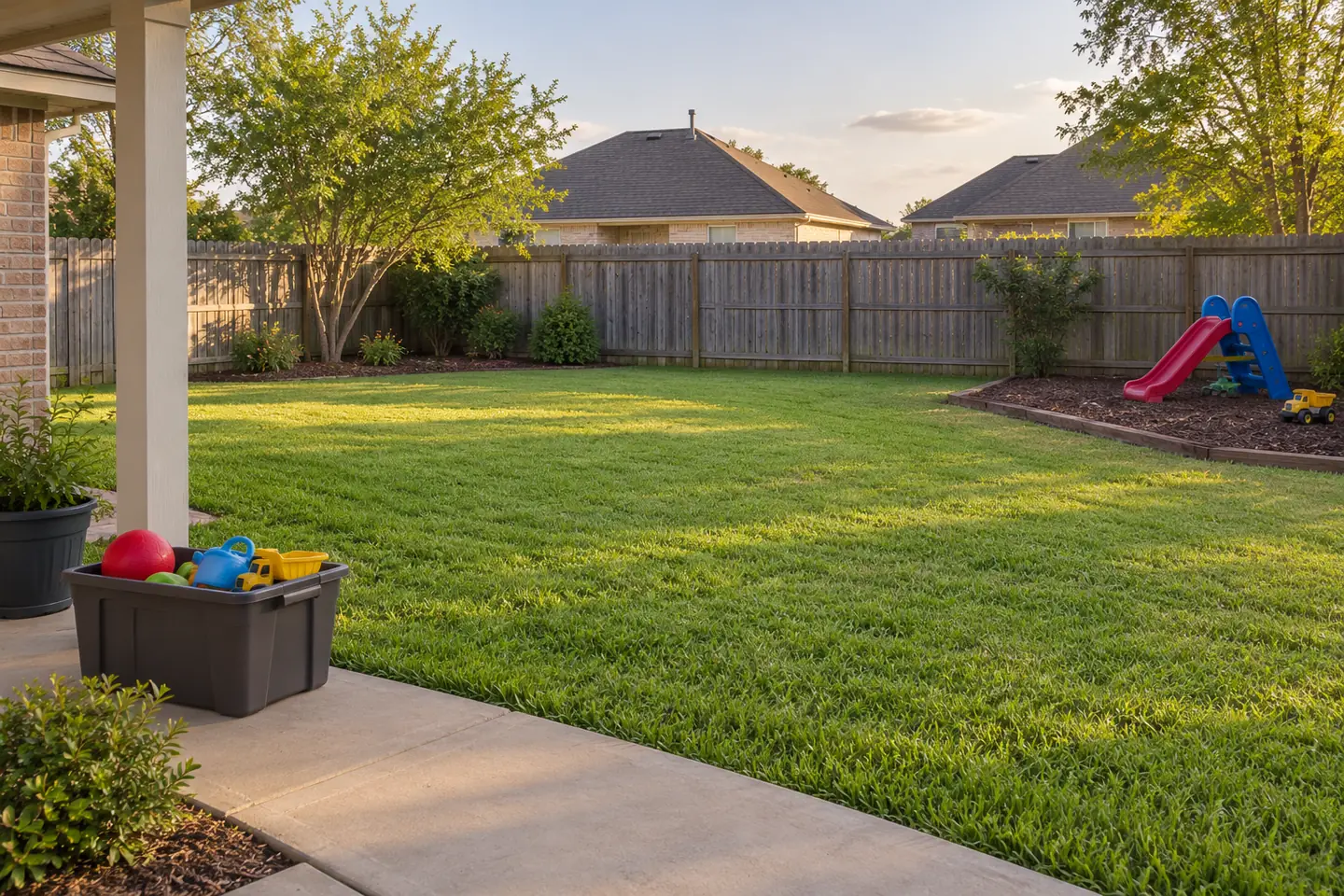
Match preparation to the whole finish
Furniture on a patio may be outside the mowing area while still obstructing the pavement edge or the normal blowing route. Review the requested tasks together. If edging beside the patio is included, the grass boundary needs to be visible and accessible. If ordinary debris blowing is included, explain which furniture pockets remain covered rather than assuming every enclosed corner will be reached.
A simple household check can prevent a mismatch:
- Clear the grass sections included in the request.
- Keep the entrance and turning area open after items are stored.
- Account for loose furniture accessories and small parts.
- Identify edges or paved pockets that remain blocked.
Confirm the fallback if preparation is incomplete. A household member may need to change plans, or the service scope may need another review. An unattended visit should not depend on someone guessing where you wanted the chairs placed or whether a covered portion of the lawn was meant to be included.
Request the visit around a realistic layout
Send the current wide view, identify fixed pieces and explain what the owner plans to clear. If separate lawn sections have different access, show those entrances as well. A front lawn may be straightforward while the backyard needs a furniture preparation step; describing both helps Happy review the property honestly. Avoid quoting only the total grass area while leaving the usable layout out of the discussion.
After the visit, take any follow-up photographs before returning chairs to the lawn. An unobstructed view makes it easier to discuss grass length, intentional margins and the clean finish. If you moved something during the visit, mention that timing rather than comparing two different arrangements as though they were identical. Call 504-339-3571 and ask for Happy to talk through the actual yard. Clear preparation and a sensible boundary give the lawn work a fair chance to produce the tidy, useful result your household is looking for.
Choose a storage position that can be repeated
A useful mowing-day furniture arrangement has a known destination for each portable piece. Decide that destination before the visit rather than moving a chair just far enough to clear the patch underneath it. Consider the route from the gate and the paved areas included in the finish so one cleared lawn area does not create a new obstruction elsewhere.
Keep heavy or awkward items outside the assumed preparation work. If they cannot be moved safely by the owner, explain their fixed position and discuss the accessible grass around them. Take an updated wide view when the layout changes, especially after a gathering. A repeatable arrangement makes the request more accurate from one visit to the next and lets you compare the lawn finish without a different furniture obstacle changing the available area every time.