
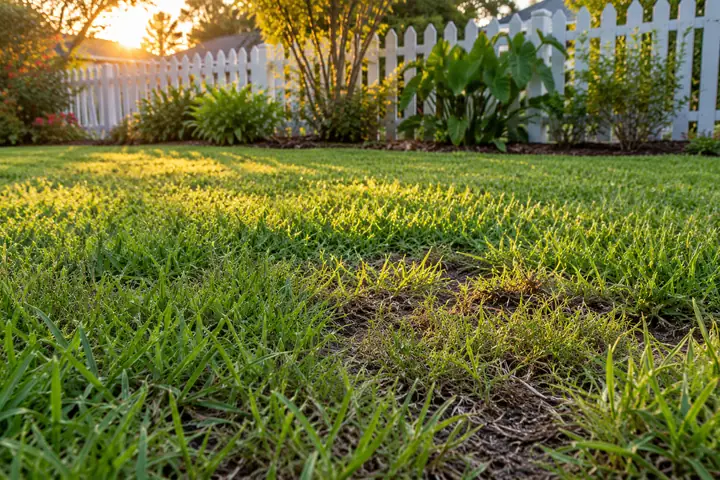
Give the uneven area a useful name
Begin with the part of the lawn that has changed, not with the insect name someone suggested. Describe the patch using a permanent reference: beside the patio step, across from the back gate or along a known bed edge. If several patches are present, give each a separate label so later photographs can be matched to the correct place.
This is especially helpful when the appearance resembles an uneven cut. Record the last completed mowing date if you know it, and state when you first noticed the shorter-looking grass. Do not assume that everything seen after a visit was created by that visit. A practical record separates timing from cause and gives both the maintenance conversation and an identification question a more reliable starting point.
Separate the moth sighting from the leaf concern
UF/IFAS describes tropical sod webworms as moths whose caterpillar stage damages turf. Its guidance distinguishes adult moth activity from larval feeding. Seeing small moths rise from grass can prompt closer attention, but it is not the same observation as seeing a caterpillar associated with a damaged leaf.
Keep those sightings in different entries. Note where and when the moths were seen, then describe the actual lawn change separately. If photographs are available, label what each image shows rather than naming every life stage from memory. The distinction prevents an otherwise useful account from becoming an unsupported statement that the visible flying insects themselves ate the lawn. Ask an appropriate identification source what evidence would help connect the observations.
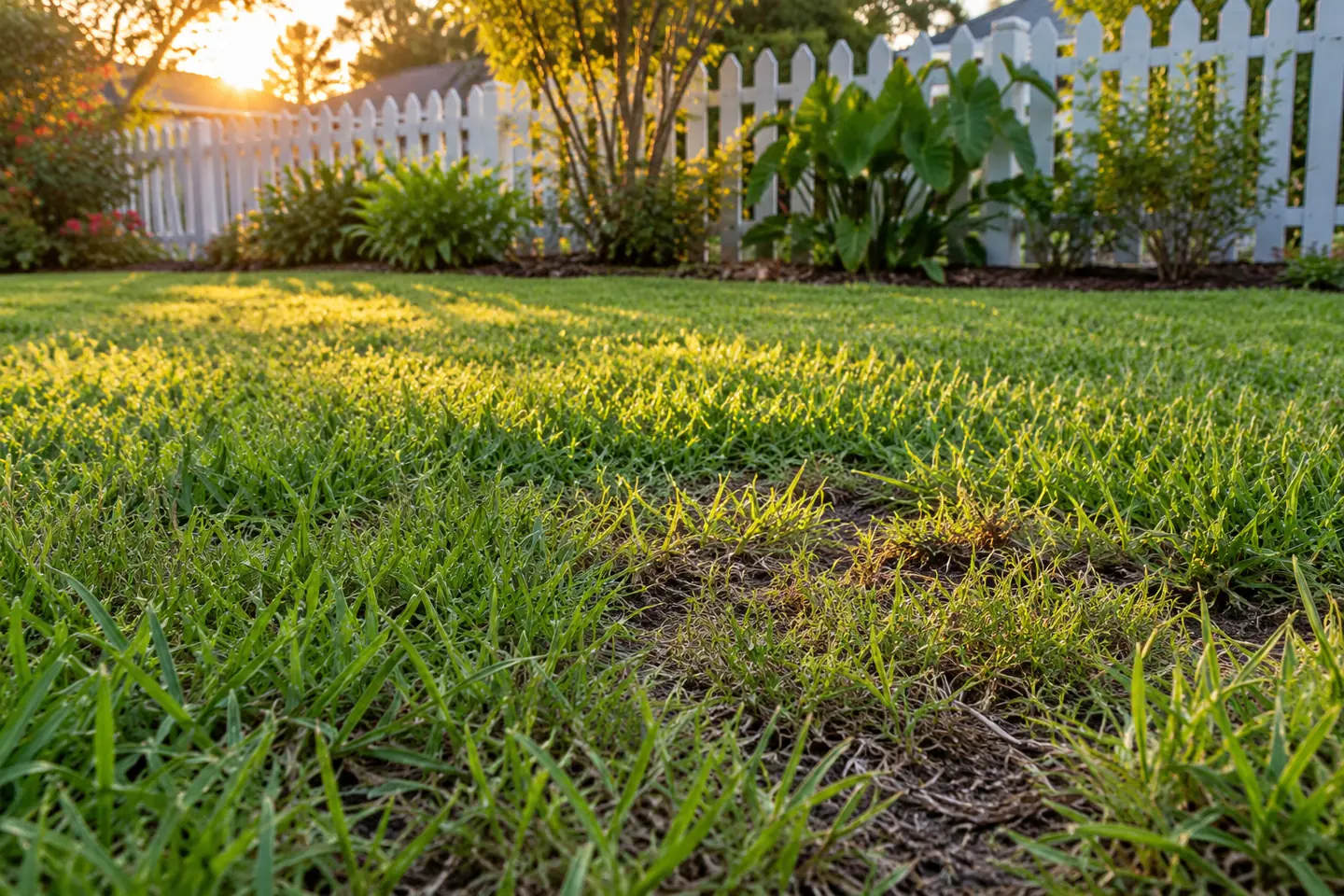
Look for a leaf-level description, not a dramatic label
The UF/IFAS account describes early removal of leaf tissue that can leave a translucent-looking window, followed by more irregularly shortened leaves and thinning. These are background features worth understanding, not a complete photographic diagnosis. Similar-looking lawn changes still need proper assessment.
For your own notes, describe what you can actually see on remaining blades. Avoid turning a bright reflection, torn tip or blurry close-up into a named feeding pattern. Keep a comparison view from nearby grass that is not part of the particular concern. If you cannot obtain a clear close image without disturbing the area or using an unsafe position, explain that limit. An honest wide view is better than a confident label attached to an image that does not show the relevant detail.
Keep the time of observation with the photograph
UF/IFAS notes that these caterpillars feed around night, dawn and dusk and may rest lower in the grass during the heat of the day. That helps explain why a casual daytime look does not necessarily answer every insect question. It does not require the homeowner to enter an uncertain yard at night or imitate an inspection procedure without guidance.
Record the actual observation time rather than arranging the account to fit an expected pattern. If a picture was taken late in the afternoon but the grass change was noticed earlier, keep both times clear. Ask an appropriate adviser whether another observation would be useful and how to obtain it safely. The purpose is a readable history of what happened, not an experiment designed to make one suspected cause appear certain.
Compare shortened leaves with the normal mowing footprint
Show the whole grass area around the patch, including an ordinary border that helps explain the layout. State whether the shorter-looking portion falls inside the lawn section normally maintained, beside a fixed obstacle or within an owner-managed area. This can clarify the maintenance question without pretending it establishes why the leaves look different.
If an edge was excluded from an earlier visit, retain that fact when comparing photographs. Do not compare a routinely maintained strip with an untouched pocket as though both had the same starting condition. Equally, do not use the existence of a mowing difference to dismiss a separate insect concern without evidence. The two questions can remain open while the record becomes more accurate about the areas and work actually involved.
Avoid letting the word web settle the identification
People may describe silk, fine strands, leaf debris and other material with similar everyday language. If you see something unusual, photograph it in place when safe and describe its appearance without assuming it belongs to the suspected insect. A suggestive common name should not do the work of identification.
Keep the scale and location understandable. A close picture should be accompanied by a wider reference showing whether the material is within grass, on a nearby structure or elsewhere. Ask the receiving adviser which details matter before collecting anything. The homeowner's useful role is to preserve an accurate account, including uncertainty, rather than to gather a mixture of unrelated material and label the whole collection as evidence for one particular pest.
Make an Extension question easy to answer
A short inquiry can identify the property setting, the affected grass area, the known mowing date and the separate insect observations. Include clear images with dates and labels. State whether the grass species is known from reliable information or remains uncertain. Do not describe an installation record for one section as proof about every patch in the yard.
Ask what additional evidence is needed for identification or assessment, rather than requesting a product based on an assumed diagnosis. If a sample is requested, follow the current receiving instructions and keep the sample's location tied to the photographs. A well-organized inquiry reduces confusion without guaranteeing that photographs alone will be sufficient. It also keeps advice about a particular patch from being extended to the entire property by mistake.
Keep another provider's work in its own record
If the owner has already contacted a qualified source or arranged separate work, record what was actually agreed. Keep the provider, date and affected area together. Do not guess at a product or procedure merely because a container or piece of equipment was visible during the visit.
Bring any relevant access instruction into the lawn-maintenance arrangement through the responsible source. The crew should not have to infer whether a general message about treatment applies to the front lawn, backyard or an entirely different space. This guide supplies no pesticide method, application rate or control threshold. Specific intervention and access questions belong in the appropriate professional discussion, with the lawn visit planned around the information that has actually been confirmed.
Decide what the next cut is meant to accomplish
A maintenance visit can address suitable grass height and the agreed finish within the accessible lawn. It should not be described as an insect identification, a product application or a promise to make every affected patch look identical immediately. State the appearance question and the unresolved assessment question separately.
If the owner wants a portion left alone, make the boundary understandable from the arrival route. Identify who can update it and whether access to other grass depends on crossing that area. Do not assume a trimmer or another method automatically settles the concern. Happy needs a clear presented scope, while any biological assessment remains with the appropriate source. This makes it possible to discuss ordinary maintenance without turning an unanswered insect question into an invented service.
Do not force an overnight story onto a gradual change
A patch may seem to appear suddenly because that was the first time someone looked closely. Keep the first-noticed date separate from a claim that all feeding or injury occurred during the previous night. An observation gap is a useful part of the record when it is acknowledged.
Likewise, retain smaller earlier photographs if they genuinely show the same location. They may explain why the household noticed a change later, but they should not be edited or recaptioned to suggest certainty that was absent at the time. A fair sequence of images records what each view shows and what it cannot establish. That helps an adviser assess the situation and helps the homeowner avoid making a service complaint or treatment decision around an invented timeline.
Review appearance and assessment as separate outcomes
When the lawn is next photographed, return to the same reference position and note the interval. Describe whether the area is shorter, greener, thinner or simply easier to see under different light. Keep any specialist answer or owner-reported intervention on its own line so the visual record remains understandable.
A more even-looking lawn does not itself establish that a suspected insect issue was identified or resolved. Conversely, an assessment can provide a useful next step even before the appearance changes. Keep those outcomes separate when following up with Happy. The goal is a lawn conversation that makes sense from one visit to the next, with the work, the evidence and the remaining questions all described honestly.
Talk through the lawn work with Happy
For Harvey, Marrero, Gretna, Algiers, Belle Chasse or Westwego, call or text 504-339-3571 and ask for Happy. Explain the accessible lawn areas and the maintenance question while any insect assessment remains separate. Scope and available timing need direct confirmation.
Keep specialist services separate
Happy Grass does not offer pest control, fertilization, aeration or overseeding. Educational insect background does not add those services or establish a treatment arrangement. Images show general lawn contexts, not diagnosed damage or customer work.
A short record to bring to the conversation
- Distinguish a flying moth from an observed feeding stage.
- Show the uneven grass beside a stable backyard landmark.
- Retain the original close view of any leaf feature.