
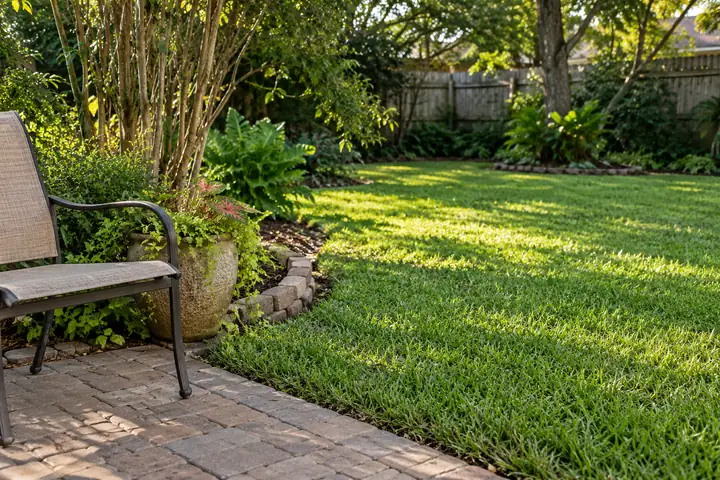
Start by saying what you want help with
Someone may describe a yard as buggy when they mean insects are visible near a chair. Someone else may use the same word when they want a pest-control service or when they are worried about a personal reaction. Those are different requests. Before arranging lawn maintenance, identify which conversation you need. Happy Grass can discuss the grass work and the physical route to it. It does not diagnose bites, identify the cause of a skin concern or provide an insect-treatment program.
Use direct language about the service you are seeking. If the request is for mowing, say which area you want cut and what access concern you want reviewed. If the request is insect identification or pest management, take that to an appropriate service. If the concern is a person's health, take it to a health professional. This page does not offer medical guidance. It explains how to keep a maintenance agreement from acquiring responsibilities that were never part of the offer.
Separate three kinds of information
The first category is an actual organism observation: what was seen, where and when. The second is a lawn condition: tall grass, a shaded border or a blocked route. The third is the household's concern about using the yard. Keep those categories distinct in your notes. Finding an insect near a chair does not establish that it caused a particular personal concern. A grass height photograph does not identify an organism. A desire to use the patio comfortably does not define a pest treatment service.
For identification, LSU AgCenter's entomology page provides a current route for general insect-image inquiries by Louisiana residents. Read the service's instructions and ask what evidence it can use. Do not assume that a plant diagnostic request, an insect identification and a personal health question are interchangeable. Each receiving professional should explain the limits of the service. Happy Grass should receive only the maintenance information needed to discuss the requested lawn work and access.
Explain the yard-use concern without assigning a cause
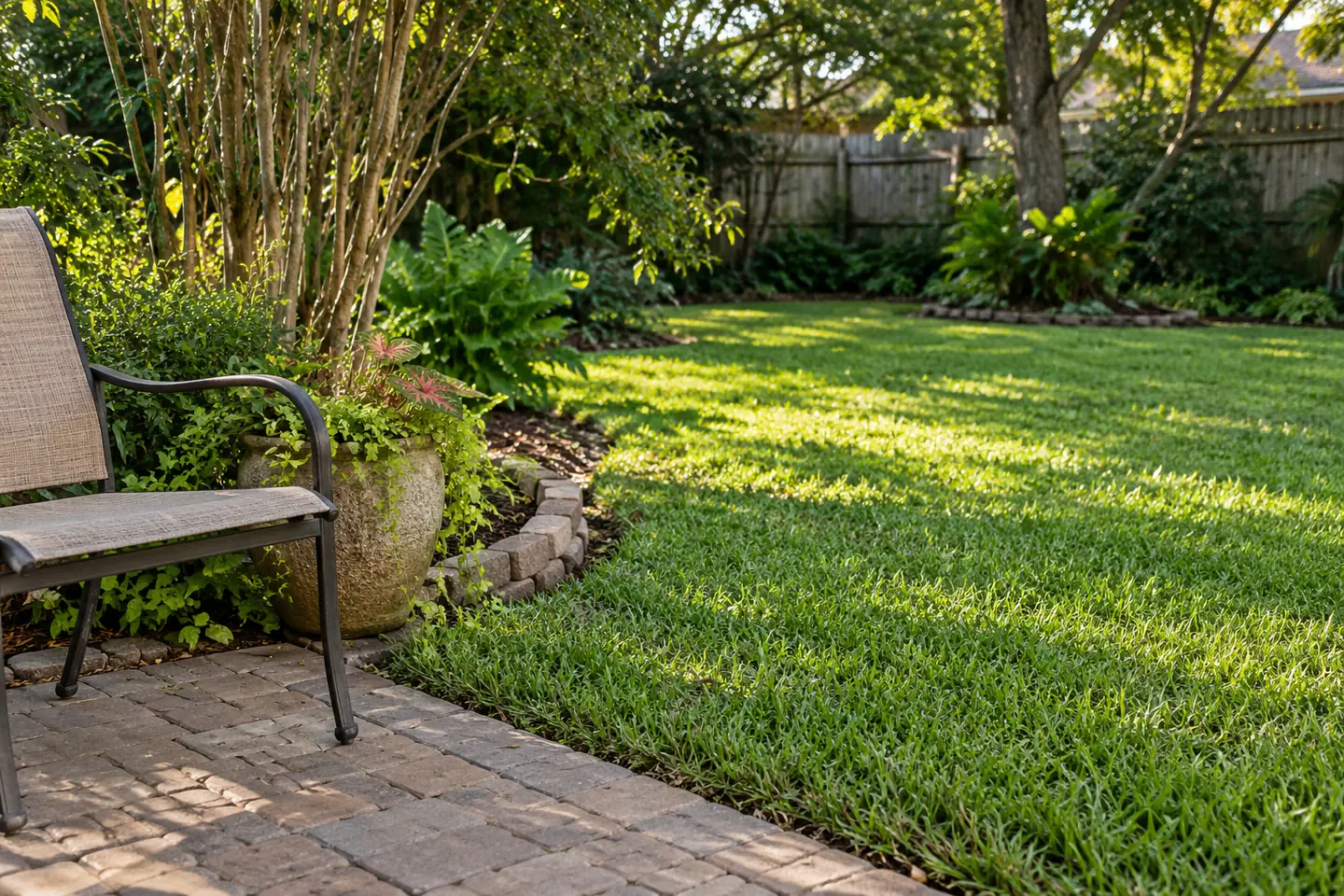
You can say that you are avoiding a particular sitting area while a concern is being evaluated. That statement is enough to begin a maintenance access discussion. You do not need to attach an unconfirmed species name or share private health images with a lawn provider. Describe whether the chair area, path or adjacent grass is included in the requested work. Keep the actual biological or medical question with the professional appropriate to that question.
If insects were photographed, preserve the observation details for the identification request. State whether they were on vegetation, paving, a wall or another surface. Do not relabel an insect from one location as collected from the place where someone reported a concern. Those distinctions may affect how a specialist interprets the evidence. A lawn service conversation should not be expected to settle them simply because the images were taken outdoors on the same property.
Define the maintenance outcome in visible terms
A practical lawn request might concern the height of a defined grass section, trimming along an agreed border or the paved finish after work. Describe that visible outcome rather than asking for a bug-free yard. The latter implies an outcome that mowing and blowing cannot be promised to deliver. Ask Happy to review the actual grass and proposed scope, then confirm what is agreed. A tidy appearance and a specialist's insect-management objective should not be collapsed into one guarantee.
If the grass is long because access has been restricted, mention that history. Do not assume the usual interval or first-cut approach still fits the current condition. A review can consider the area as it exists now. This is a maintenance planning question, not a claim that a particular cut will resolve the household's insect concern. Keep the stated reason for the request honest while allowing the provider to assess what lawn work is actually appropriate and available.
Ask about the sitting area as part of the layout
Outdoor chairs, cushions and small tables can complicate the boundary between lawn work and a patio space. Identify what belongs on paving and what is currently sitting in the grass. Agree who will move the items if access requires it. Do not assume the lawn provider will rearrange personal belongings or inspect them for insects. Those are separate tasks. A clear layout conversation prevents a concern about yard use from becoming an unexplained furniture-moving instruction.
If an area is temporarily off limits, show the boundary with a wider photograph and a recognizable landmark. Explain whether the remaining lawn remains part of the proposed visit. A general message saying stay away from the bugs does not identify a usable work area. The agreement needs a physical location that can be understood without guessing at the insect's range. Update the message if the household changes its intended boundary before the visit.
Coordinate a separate pest provider without blending the services
If you engage a provider that offers pest management, ask that provider what its work covers and what instructions apply to other people working at the property. Keep the provider's actual guidance available. Happy Grass should not have to infer permission from a dry lawn, an empty container or a secondhand description that something was sprayed. Relevant access and timing instructions should be relayed clearly before arranging the maintenance visit.
Do not ask Happy to choose a product, confirm an application rate or invent a return-to-area interval. Those questions belong with the responsible specialist and applicable directions. This page does not supply those details because it is not a treatment plan. If instructions are unclear, resolve them with that provider. Keeping the decision with the person responsible for the treatment protects the accuracy of the maintenance arrangement and avoids conflicting advice from people performing different tasks.
Give shared-property conversations one accountable thread
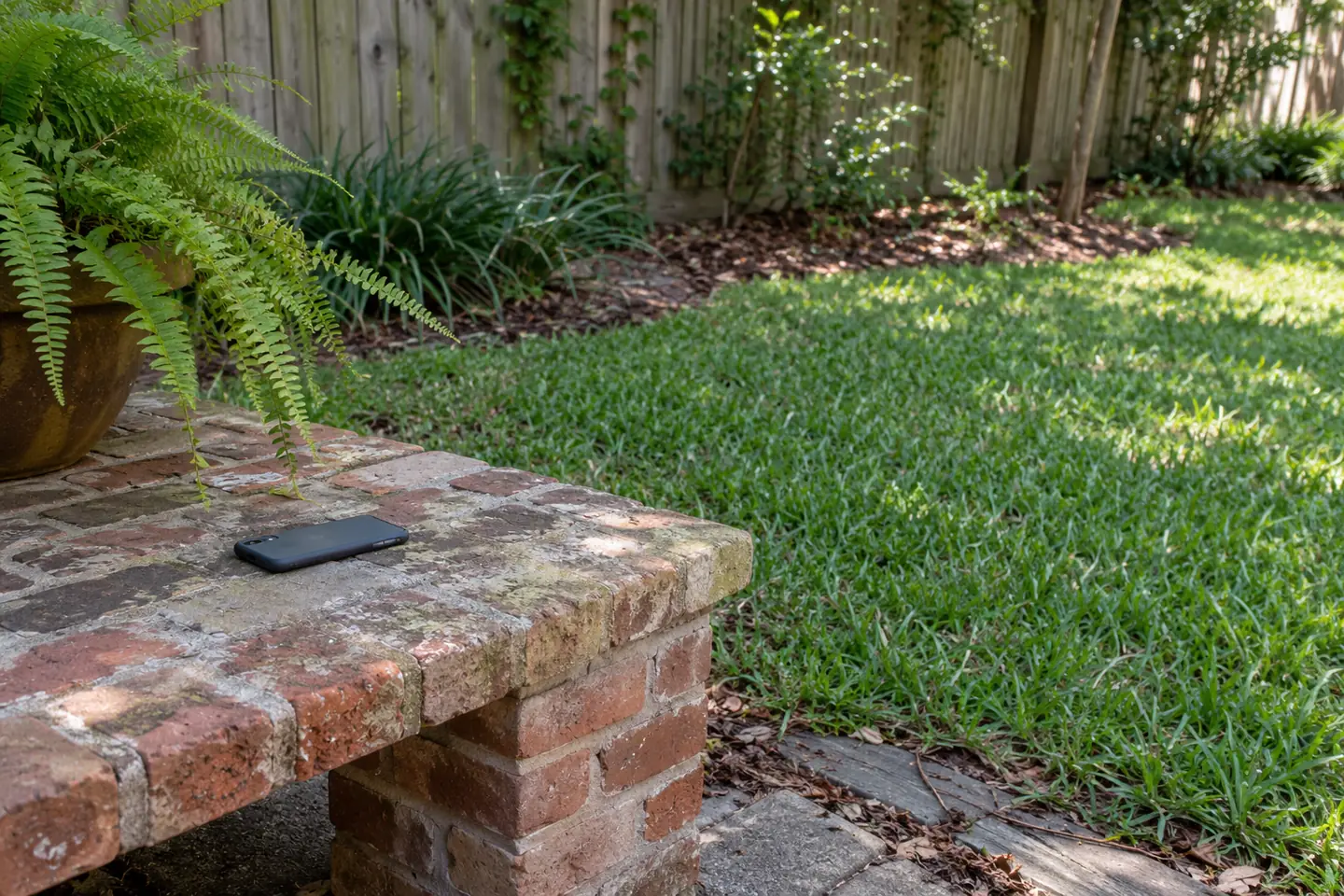
In a rental, family or shared yard, one person may report the insect concern while another arranges lawn work. Establish a contact who can state the current access agreement and obtain answers from the responsible provider. Do not pass along a series of partial messages that lose the location or the requested action. A short written record of what is excluded, what remains included and who can answer technical questions is easier for everyone to follow.
Keep private details limited to what each provider needs. A lawn crew generally needs the work boundary and relevant access instructions, not a full personal history. The identification service needs an accurate organism observation, not a maintenance quote. The household can retain the full private record and share the appropriate part with each professional. Clear information flow helps the work proceed without turning every conversation into a retelling of unrelated or sensitive details.
Reopen the lawn scope explicitly when circumstances change
If the household later wants an excluded area included again, contact Happy and review its current condition. Do not assume that a previous no-work boundary disappeared automatically or that the old quote covers a substantially changed lawn. Explain what changed and what work you now want discussed. If another provider supplied access instructions, relay the current guidance rather than repeating an earlier version that may no longer describe the situation.
Keep expectations about the result equally clear. A completed cut can be assessed against the agreed maintenance scope. It should not be judged as a promise that every insect concern has been resolved unless a separate qualified service actually undertook that responsibility. This distinction is useful to the homeowner too: it makes it easier to ask the right follow-up question when the yard looks tidy but a separate concern still needs professional attention.
Review the words in the proposed agreement
Before accepting a lawn scope, read the task names and the area description together. If the document describes mowing and trimming, do not assume that an earlier conversation about insects added an unlisted pest service. Ask for clarification when the written scope does not match what you understood. A clear agreement should let both sides identify the expected maintenance result without relying on an informal phrase such as take care of everything back there.
The same care applies when comparing providers. An estimate for grass maintenance and a proposal for insect management may have different purposes even if both mention the backyard. Compare each against the problem it is intended to address. Do not select a lawn scope because it appears cheaper than a different service and then expect the other service's outcome. Keeping the comparison fair helps the household choose the appropriate help and makes follow-up easier if a question remains after one task is complete.
Have a plain conversation with Happy
Call 504-339-3571 and ask for Happy about mowing, edging, weed-eating and blowing. Identify the grass area, the sitting-space boundary and any current access instructions. Happy Grass does not provide pest control, bite diagnosis or a bug-free guarantee. A clear work agreement can support the yard's ordinary maintenance while the household gets the appropriate help for its separate concern.
A short record to bring to the conversation
- State whether the request concerns grass work or a separate specialist service.
- Define the sitting-area boundary in physical terms.
- Read the proposed lawn scope without adding an insect-control guarantee.