
By Happy Grass Lawn Care LLC · November 2, 2026
Let the lawn join the scheduling conversation.
When the pace of the year changes, it is tempting to change the lawn schedule by the calendar alone. November arrives, summer feels farther away, and the weekly to-do list has new competition.
But the useful question is still what the lawn is doing between visits.
For a Westbank homeowner, a fall check-in can be simple. Look at the grass before the next planned cut, note what has changed and speak with Happy about the actual maintenance arrangement.
You are not trying to diagnose the entire lawn from one photograph. You are gathering enough useful information to avoid changing the plan by habit.
Compare the same sections over time
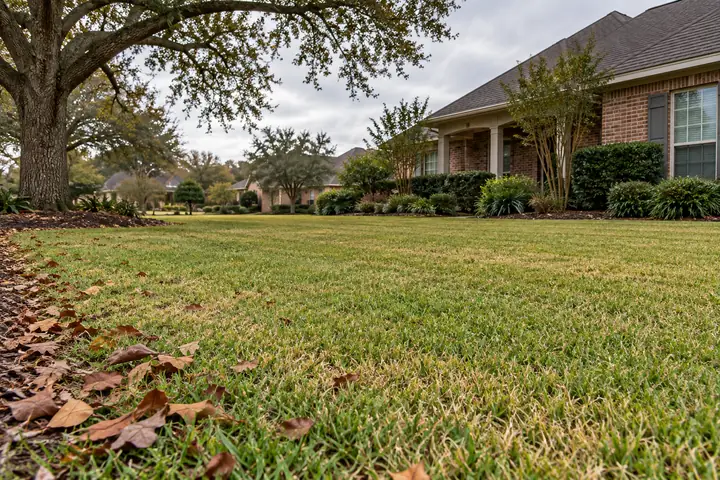
Take a broad photograph of the front lawn and another of the backyard from positions you can repeat.
Include an identifiable boundary, such as the walkway or a fence, so the comparison is easy to understand. Note roughly how long it has been since the previous cut.
Look for fresh height, uneven growth and the amount of material a cut would remove. A lawn that still gains considerable height between visits presents a different scheduling question from one with little new growth.
Photos taken immediately after mowing are useful for reviewing the finish, but they do not show what the lawn is like at the end of the interval.
Separate grass growth from everything sitting on it
Leaves, small twigs and other material can make a lawn look busy even when the grass is not growing rapidly. Those are related maintenance concerns, but they are not the same observation.
Explain whether you are asking about mowing frequency, seasonal debris or both.
A routine visit’s clipping cleanup should not be silently expanded into a substantial leaf or debris-removal request. Send a current photo and ask which work fits.
A clear scope is more useful than expecting every fall yard condition to be handled by the same pass with a mower and blower.
Review height and interval together
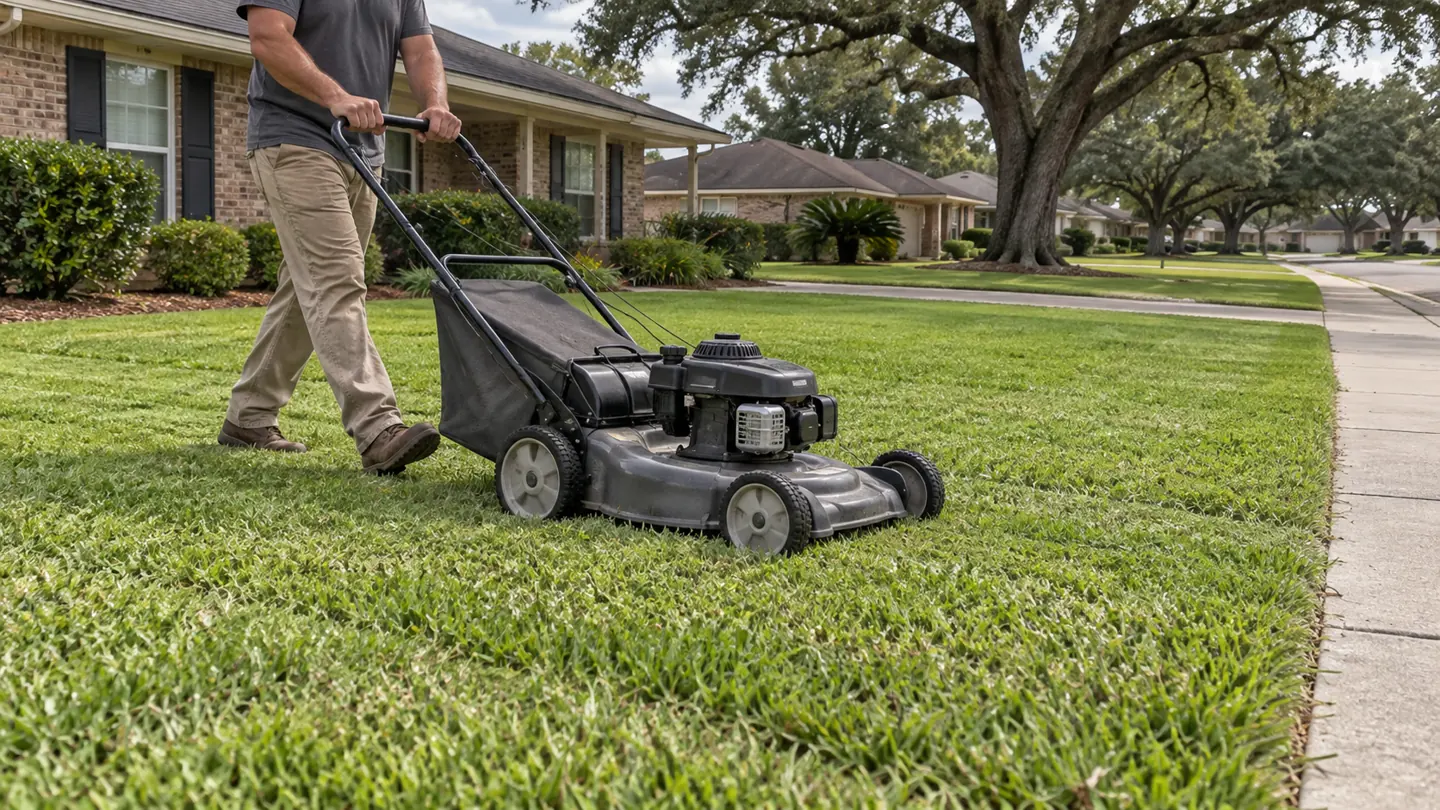
A longer gap between cuts is not automatically improved by cutting the lawn unusually short first. The grass species, current condition and amount removed still matter.
If the usual interval is changing, talk about the result you want and how to keep the lawn manageable over that interval.
Our weekly versus biweekly mowing guide gives the comparison factors. The point of this fall review is to apply those questions to the current yard, with fresh observations instead of assumptions left over from another season.
Do not let one area speak for the whole property
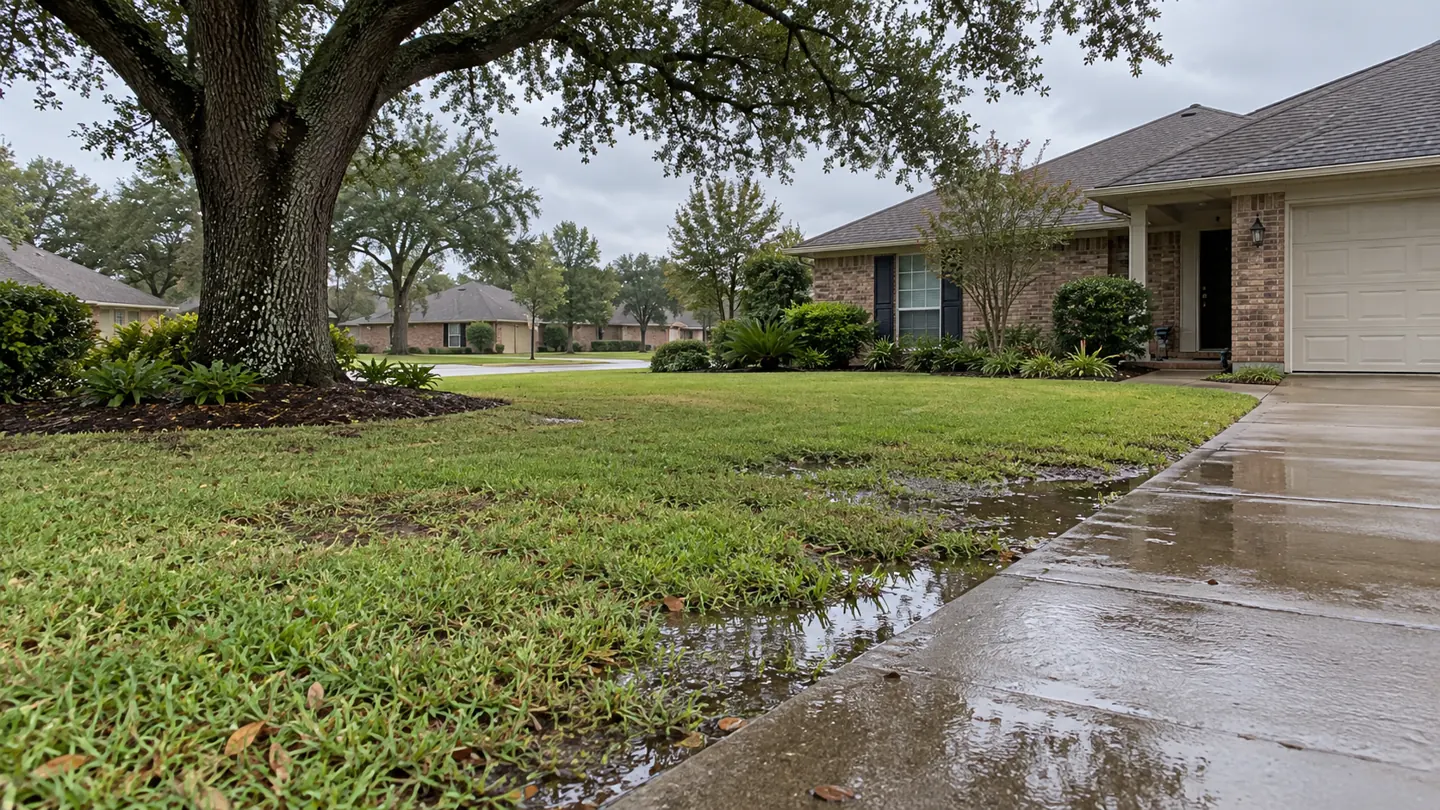
The sunny front yard and a shaded backyard can look different at the same point in the schedule. Access routes can also stay damp even when the main lawn appears ready.
Show the sections that behave differently and explain any recurring problem areas.
If the lawn is thin under an oak or stays wet near a low spot, mowing does not establish the cause.
Happy needs to understand the condition for maintenance, while a separate issue may require a different assessment. Avoid turning every appearance change into an automatic treatment request.
Ask about the agreement, not just the next date
If you want to discuss a different frequency, confirm the practical details with Happy.
- How will the route fit?
- Does the included work stay the same?
- Are clipping collection and the same edges still part of the scope?
- How will weather or access changes be communicated?
A new preference entered in an online request is not an automatic amendment to an existing arrangement.
A direct conversation prevents one person expecting a skipped visit while the other expects regular access. Keep a note of the plan you have actually agreed.
Prepare for travel and temporary yard changes
Holiday travel can change who is available, how a gate is secured and whether pets are in the yard. Decorations, outdoor furniture and visiting vehicles may also occupy areas that were previously open. Mention those changes before the next visit.
- Confirm the usable access route and any temporary restrictions.
- Keep private codes out of the general quote form.
- Move portable items from the intended lawn area.
- Identify decorations and new features that need clearance.
- Explain how you would like to be contacted while away.
- Tell Happy which areas should be left alone.
This preparation is about a practical visit, not making the property look perfect before someone maintains it. The goal is to avoid a new obstacle or locked gate becoming the reason the plan cannot be carried out as expected.
A delayed cut needs a current-condition review
If rain, travel or access has delayed maintenance, say so. The lawn may now be taller than it would normally become under the agreed schedule.
The next visit should be assessed on what is there, particularly when growth hides objects or creates a heavier clipping load.
Do not use an old photo to make the current yard appear simpler. Happy can give a more useful answer when the first conversation reflects the actual condition. An initial recovery scope and an ongoing interval can be discussed separately.
Make your fall check-in specific
Bring the address, current frequency, recent photos and one or two clear observations. For example: the backyard has little new height, the front still looks tall before the next visit, or the side route remains soft after rain.
Add any change in how you want the property to look between visits.
Then ask Happy to review the plan or call (504) 339-3571. A short, specific conversation can be more useful than a dramatic schedule change made simply because the calendar has turned another page.
Give a fall schedule review some useful context
Watch the lawn you use, not just the season name
A fall review is more helpful when it starts with the actual property. Take current pictures of the front, back and any section that seems different from the rest. Explain which area is prompting your question and whether it becomes inconvenient between visits. The month alone cannot describe the condition of every patch of grass.
If you are unsure about the grass itself, keep the message observational. Say that one area looks taller, another looks thin or the ground stays soft near the gate. You do not need to diagnose a lawn problem before asking whether the maintenance routine should be discussed.
Keep weather delays separate from a permanent change
A delayed visit and a new recurring interval are different arrangements. If rain or access has interrupted the routine, ask how the immediate visit should be handled before assuming that the long-term schedule has changed. Explain what has happened since the last cut, including whether someone else has mowed part of the property.
This is especially useful when the front and back are now in different conditions. A current wide view of both areas can explain the difference quickly. Happy needs to review the yard as it stands rather than relying entirely on what the previous routine normally covered.
Recheck the finishing tasks at the same time
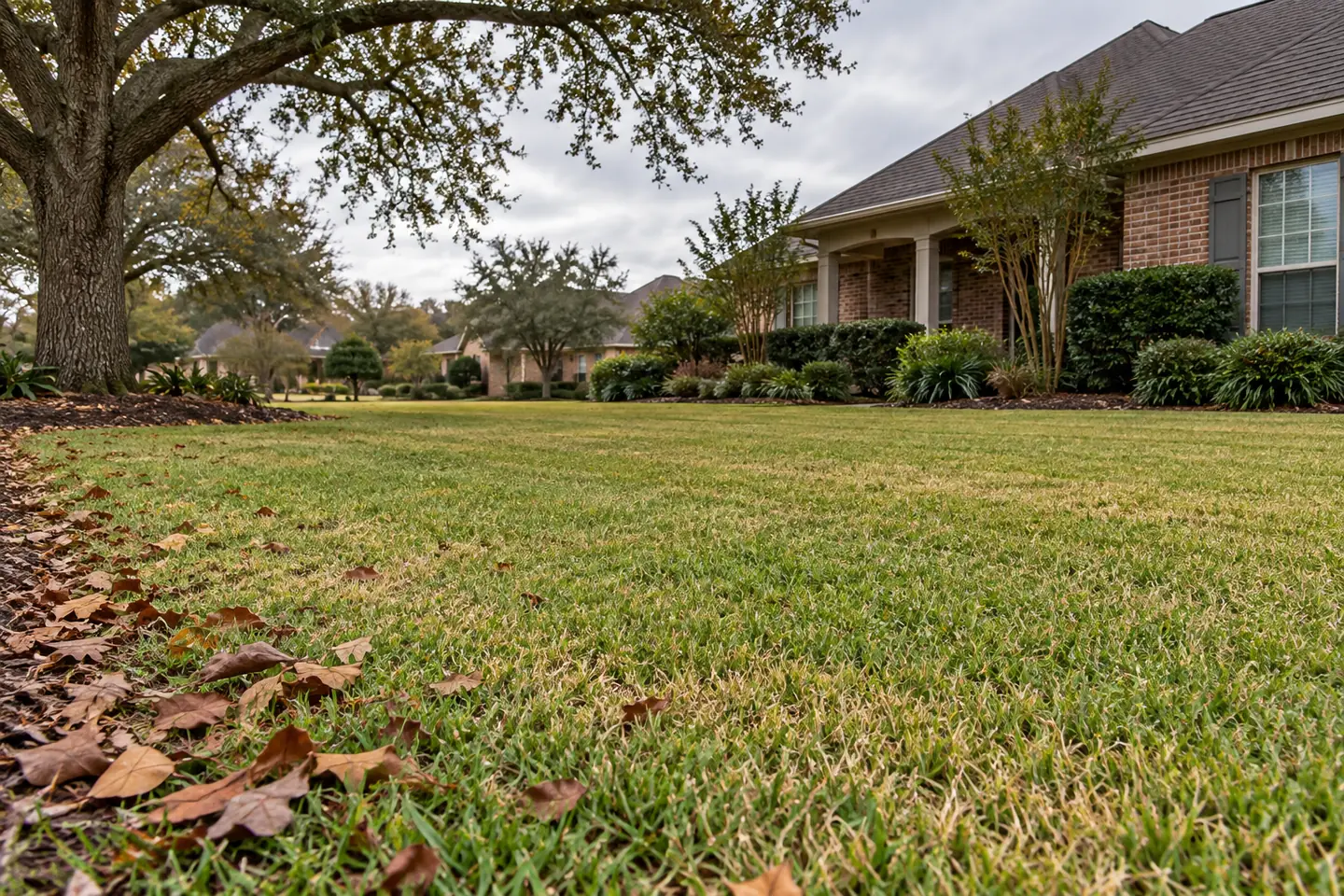
While reviewing timing, make sure the mowing areas and finishing work still describe what you want. Identify the suitable edges, trimming spots and paved areas included in the visit. If leaves or other material have become part of the request, show them separately and ask about the work involved.
A schedule conversation should not quietly add new tasks or remove ones you still expect. Compare the same work and confirm any change directly. That helps keep a useful seasonal adjustment from becoming a misunderstanding about the lawn visit itself.
Leave a clear next step
Send the address, current observations and preferred contact method, then allow Happy to review the details and available timing. If you have a gathering or travel date in mind, mention it early as a preference. A message asking about a schedule is not the same as a confirmed service reservation.
Keep the final arrangement simple enough to remember: which areas, which tasks and what timing has actually been agreed. If conditions change again, follow up. The grass may not read a calendar, but everyone involved should still be working from the same plan.
Give a trial interval a clear review point
Suppose the front lawn still looks tidy midway between cuts, while the back already looks noticeably taller. Write down those two observations separately before asking for a longer gap. Then decide what you want the review to answer: whether the whole schedule should change, whether one unusually fast area needs attention, or whether the recent difference was temporary. A useful trial has a question attached to it, rather than an assumption that cooler weather has settled the issue for the rest of the year.
Choose a practical point to look again, such as after the next agreed visit. Save the actual completion date and a comparable photo of each area. If the result suits you, explain which part worked. If it does not, describe the mismatch without turning one observation into a permanent verdict. This makes a fall adjustment easier to discuss and easier to reconsider when the lawn changes again.