
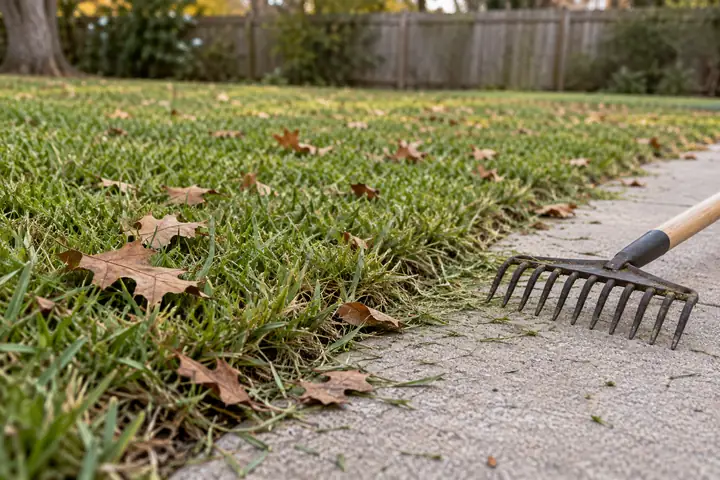
By Happy Grass Lawn Care LLC · November 9, 2026
The material on top of the lawn tells more than one story.
When a yard looks messy after a period of changing weather or missed maintenance, it is easy to call the whole problem clippings. But fresh grass, fallen leaves, loose twigs and old debris are different things.
Naming what is actually there helps Happy understand the request and explain the right scope.
Start with a broad look at the yard. Is the concern new material from a recent cut, leaves covering a shaded section or a pile that has been sitting there for weeks?
You may need to discuss mowing frequency, clipping handling, a separate cleanup request or more than one of those questions.
Look at the amount and distribution
A light scattering of short material within the lawn is different from thick clumps or long rows of grass. Those observations can help explain what happened, but they are not a complete diagnosis by themselves.
Moisture, the amount removed and the equipment used can all influence the result.
Take one image showing the entire affected section, then another closer to the material. Add a view of the driveway or walkway if that is where the concern is most visible.
A close-up alone may make it difficult to judge how much of the lawn is involved.
Think back to the condition before the cut
- How long had the lawn gone without mowing?
- Was the grass noticeably taller than usual?
- Had weather or access delayed the visit?
Those details matter when reviewing a heavier clipping load. The same address can present a very different job after a gap in maintenance.
If you have a photo from before the cut, it can help show the amount of growth. Avoid assuming that the answer is simply a lower mowing height next time.
Height and interval work together, and the lawn’s species and condition still deserve consideration.
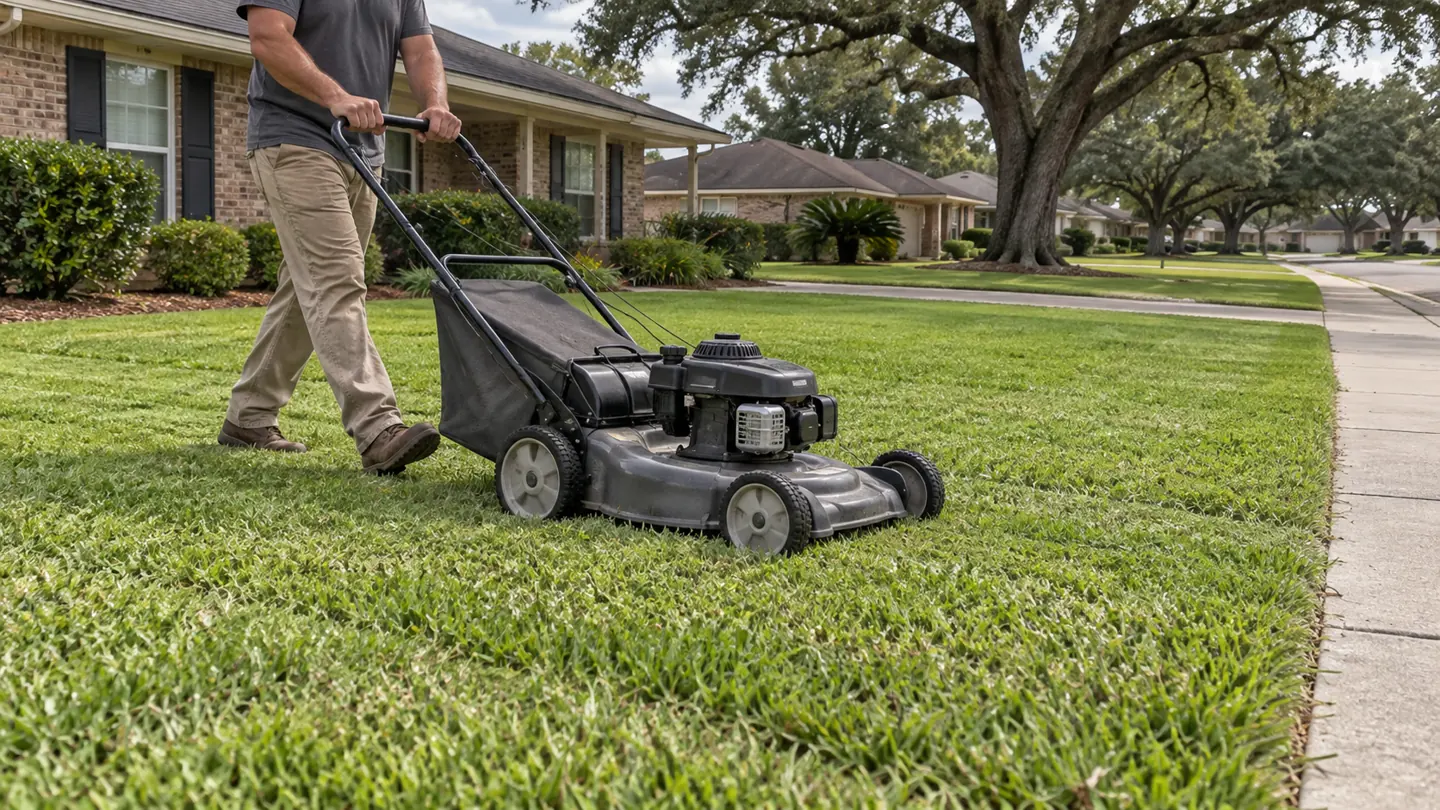
Bagging and mulching are scope decisions
Happy Grass lists bagging and mulching options in its service information. That does not mean either approach is automatically right for every visit.
Your preferences, the amount of material and the current condition should be part of the discussion before the work is agreed.
If you want collection, say so when requesting the quote. Ask whether disposal or hauling is included and what happens when the first visit produces more material than routine maintenance.
A vague instruction to make everything disappear does not provide a practical handling plan.
Keep fallen leaves in their own conversation
Leaves can accumulate independently of grass growth. A lawn may have little new height while still looking covered, particularly under trees.
That does not automatically mean it needs another ordinary mowing visit, and it should not be used as proof that the interval is wrong.
Show the amount of leaf coverage and ask which work fits. A substantial collection or removal request is different from blowing immediate mowing clippings off a walkway.
Happy needs to review it and say whether it falls within the available service before a date or price is confirmed.
Where the material goes matters
Moving debris from a visible surface to a drain or a neighbor’s side does not make the job properly finished. Identify drains, pools, ponds, edible beds and other nearby features when discussing the finishing work. The layout can change the appropriate approach.
Fine clippings may remain within suitable lawn areas when conditions and the agreed method allow. Heavier material can need collection or other handling.
The important point is to agree on a reasonable destination rather than using the blower to make the immediate view look clear at someone else’s expense.
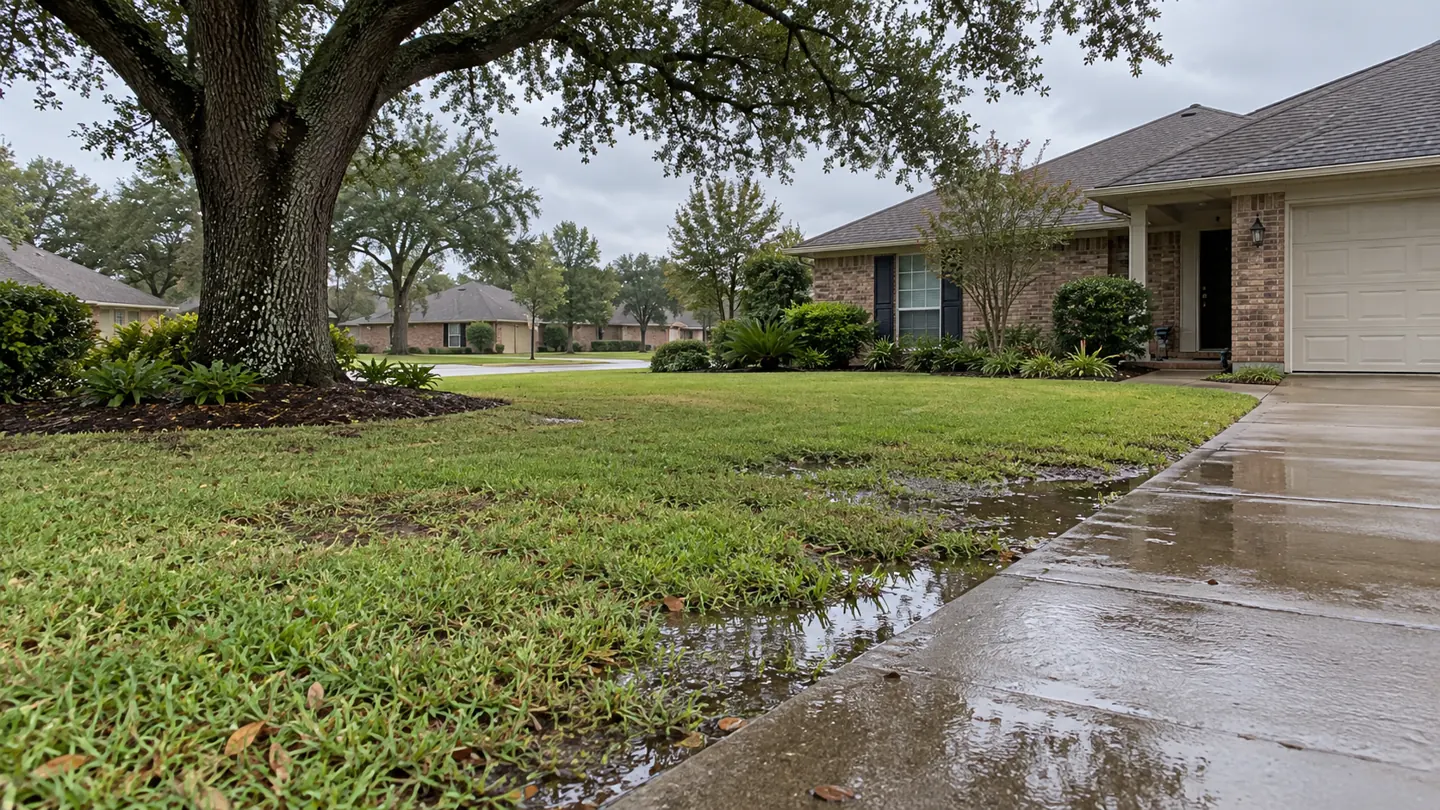
A blower is one tool in the finish
Blowing helps address loose material on the agreed paved areas after mowing, edging and trimming. It does not wash stains out of concrete, repair drainage or guarantee that heavy wet clumps will distribute like light dry material. Those distinctions make the service scope easier to understand.
If the driveway has adhered mud or an old debris pile, photograph it separately. The request may require a different kind of work from a normal lawn finish.
Saying so early helps Happy give a clear answer rather than arrive with a different picture of the job.
Use the observation to improve the next visit
- Record the approximate time since the previous cut.
- Note whether the lawn or ground was unusually wet.
- Show how much of the yard has heavy material.
- Separate new clippings from leaves and old debris.
- Explain your bagging or collection preference.
- Identify the hard surfaces and nearby features that need protection.
If the lawn repeatedly becomes tall before every visit, review the mowing interval. If growth is manageable but the finishing scope is unclear, discuss that scope. You do not need to change every part of the maintenance plan to solve one specific concern.
Ask for the work you actually want
For many homeowners, the desired result is the combined cut, edge, trim and blow visit. Others have a particular clipping preference or a one-time cleanup question. Explain that distinction with the property address and current photos.
Send Happy your lawn details or call (504) 339-3571. A precise description gives the next conversation a better starting point than one word used for everything sitting on top of the grass.
Make the cleanup request easy to understand
Identify the material before naming the job
Take a closer look at what is on the lawn and paved areas. Fresh mowing clippings, scattered leaves, old piles and branches from another task are different materials. A message that simply says clean up the yard does not explain which of those you want addressed.
Send a wide photograph showing the amount and location, followed by a closer view if the material is difficult to identify. Avoid moving everything into one pile solely for the picture unless that is the condition you actually want assessed. Happy needs a useful view of the work, not a staged version of it.
Describe the result for each surface
The finish you want on a walkway may differ from the arrangement you want inside the lawn. Name the driveway, path, patio approach or other suitable paved area and explain what you expect after the visit. If collection is important to you, say that separately rather than treating it as another word for blowing.
This distinction makes quotes easier to compare. One request may be for mowing and blowing ordinary debris from the agreed pavement. Another may involve collecting material or discussing extra cleanup. They should not be treated as identical just because both happen outside the house.
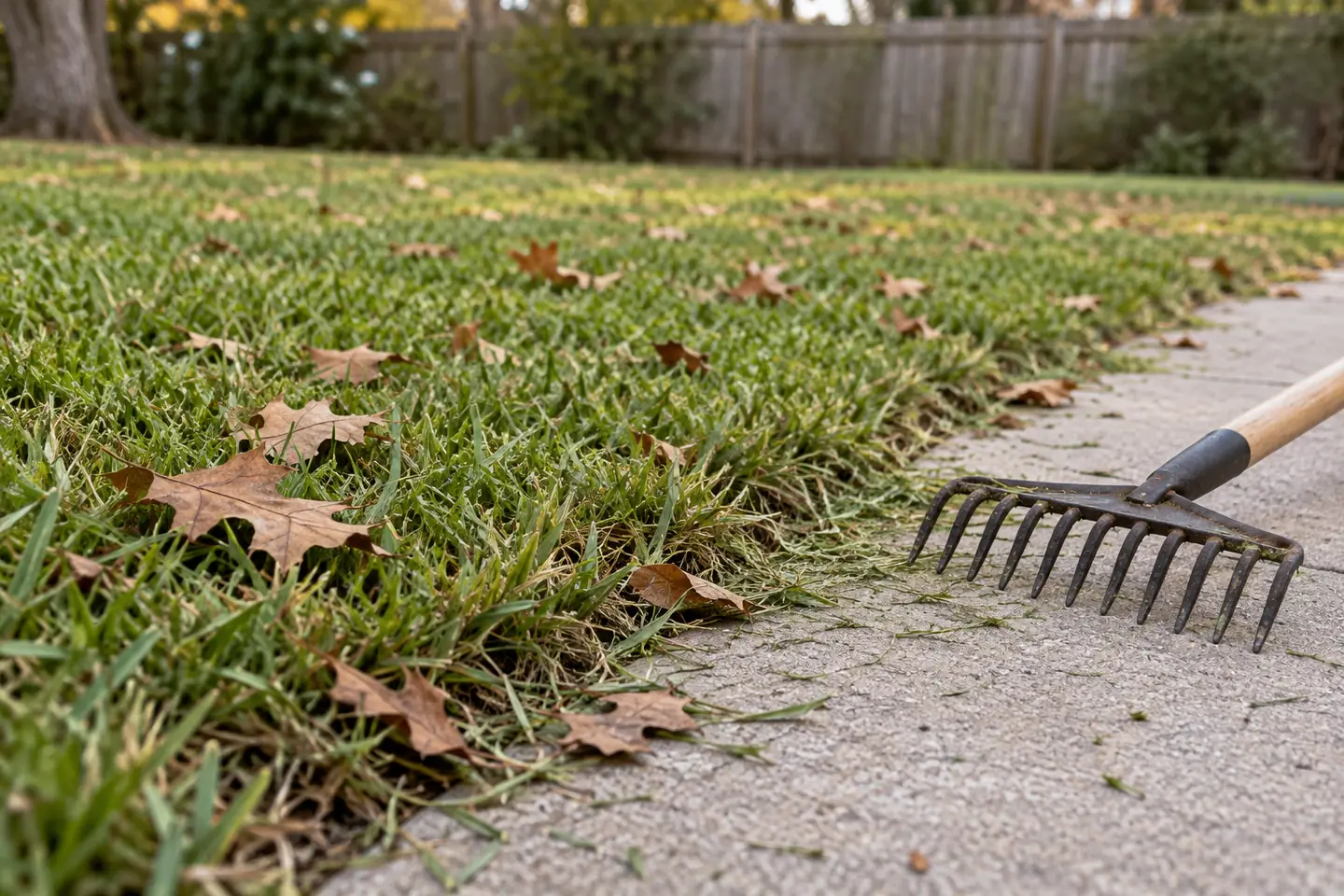
Show what has changed since the last visit
If there are new leaves, extra debris or a section that has missed mowing, update the request with current photographs. Explain whether material was left by the most recent cut, accumulated over time or came from something else. The answer can affect how the work should be described.
Do not assume that a recurring visit automatically covers every new condition. A brief update before service gives Happy a chance to discuss the scope and available timing. It is easier to agree on an additional request before the visit than after two different expectations have already formed.
Confirm the plan without overcomplicating it
An ordinary description works well: the front grass needs cutting, there are leaves near the back fence and the path should be included in the finish. Add the address and the pictures that show those areas. If a gate or soft access route matters, include that detail too.
Happy must confirm the included work, price and timing directly. Until then, the request is a conversation rather than a booked cleanup or a promise to remove every material shown. Let’s give the grass, the clippings and the little autumn extras a clear plan that everyone understands.
Compare a leaf corner with the open lawn
A useful cleanup review can start with two ordinary views: the open grass and the corner where leaves collect. Keep the camera far enough back to show the border between them. If the corner contains older packed material, identify that separately from the small pieces left by a recent cut. This gives the conversation a location and a material, rather than a complaint about everything brown or loose in the yard.
Before moving the material, decide which outcome you are asking Happy to consider. You might want the walkway finish reviewed, clipping collection discussed, or a separate leaf accumulation assessed. Those requests can coexist without becoming one undefined cleanup promise. Save a follow-up view from the same position after the agreed work, including the edge of the collection area. It should show the actual finish, not just an attractive patch cropped away from the original question.