
Begin with the patch you actually see
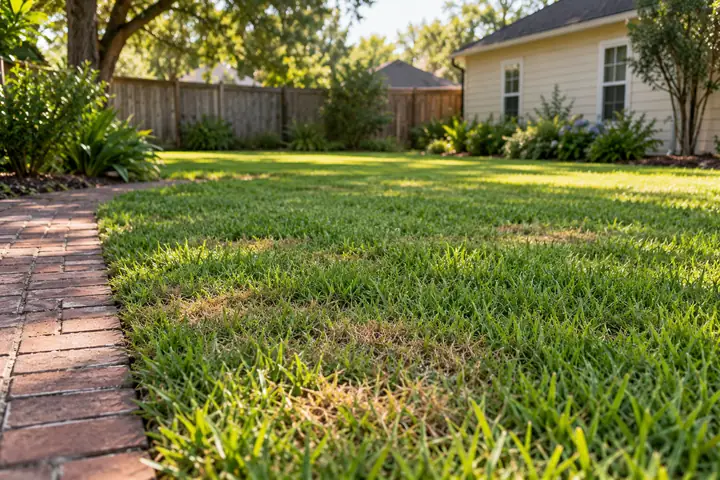
When a patch beside the walk starts looking tired, it is tempting to give it a name straight away. Someone mentions chinch bugs, a picture online looks familiar, and suddenly the household is discussing a confirmed infestation. Slow that conversation down just enough to separate an observation from an explanation. You can accurately describe the grass without claiming to know what caused the change.
Write where the affected area is, what it looks like and when you first noticed it. Use a fixed reference such as the front walkway rather than the bad spot, which may mean different places to different people. Record whether you have personally seen insects or have only noticed changing turf. That distinction matters when another person later reads the message. A suspected insect problem should stay labeled suspected until there is appropriate evidence to support the identification.
Understand why the chinch-bug question comes up
LSU AgCenter identifies the southern chinch bug as a Louisiana turfgrass pest, particularly associated with St. Augustinegrass. Its guidance describes feeding injury that can progress through yellowing and browning, often in patches, with hot, dry and sunny conditions relevant to the problem. Those facts explain why the insect belongs among the possibilities a qualified source may consider.
They do not turn every sunny brown patch into chinch-bug damage. The useful homeowner takeaway is to preserve the question rather than close it prematurely. A similar-looking area can require a different explanation. An insect identification and an assessment of turf injury are more specific tasks than deciding that the lawn would benefit from ordinary mowing. Keep those tasks distinct when asking for help, and do not treat this general illustration as evidence about a particular lawn.
Build a photograph set with a clear purpose
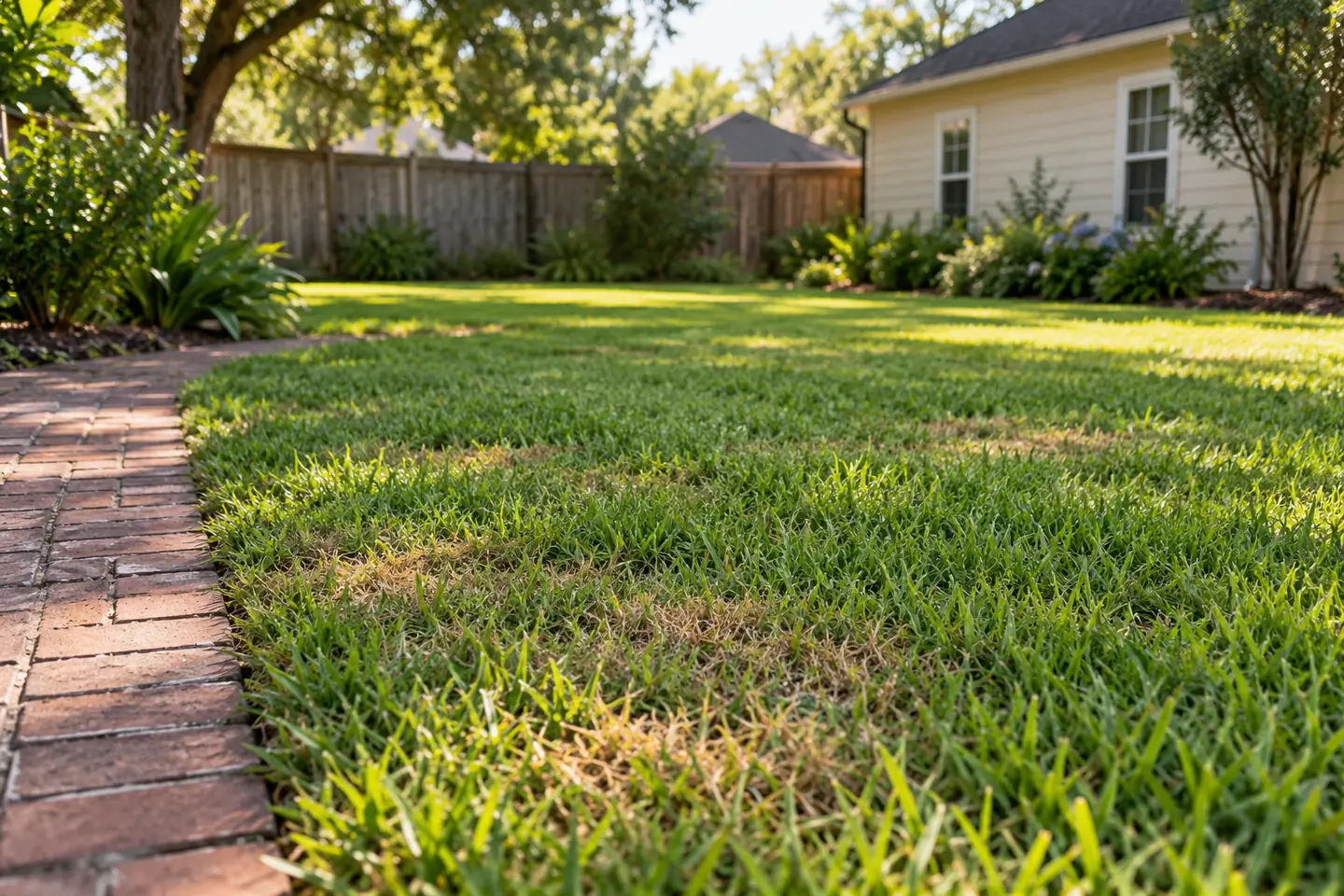
Start with a wide view showing the patch and a recognizable part of the property. Take it from an existing safe place where the layout makes sense. Then add a closer view of the transition between the affected grass and the surrounding lawn. If you can safely obtain a useful insect photograph, keep that image with its own location and date instead of letting a general lawn image stand in for identification.
Avoid editing the color to make the difference more dramatic. A strongly filtered picture can become a poor comparison with the lawn seen in person. Keep the original files when you crop a copy, and explain whether the photograph shows the whole affected area or only one edge. The purpose is to make your observations easier to understand. Attractive framing is less important than showing the place, the extent and the limits of what you know.
Separate a confirmed grass name from a familiar nickname
If you have reliable installation information for the lawn, include it with the relevant section. Name the source and the area it describes. A record for the front sod does not automatically identify the turf behind the garage, and a neighborhood nickname is not the same as a verified species identification. Unknown information can remain unknown while the observation record becomes more useful.
This matters because the question is about a particular patch in a particular lawn. Describe transitions between turf sections when they are visible, and keep recent repairs on their own line in the notes. Do not copy one identification across the entire property merely to make the message look complete. A concise statement that the grass type has not been confirmed is more honest and more useful than a confident name selected from a distant photograph.
Record what happened before the patch appeared
Make a small timeline using dates you can actually support. Include the last completed cut when known, recent yard work and any change to the normal water arrangement that the owner can describe accurately. Do not fill gaps with a guessed date simply because the form has room for a neat sequence. Approximate information should be labeled approximate.
Keep the observations and your possible explanation in separate sentences. For example, noting that the area looked different after a week away does not establish what happened during that week. Likewise, a visible change after another service does not establish that the service caused it. A good timeline gives an appropriate adviser context without making an unsupported accusation or turning a coincidence into a diagnosis. Save a dated update when new information becomes available rather than rewriting the original observation.
Give the identification question to an appropriate source
Use current LSU AgCenter Extension resources or another appropriately qualified professional when you need help assessing an unfamiliar lawn insect. Ask what information is useful before collecting or shipping a sample. Follow the current instructions from the receiving source rather than copying an old procedure from a message that may have referred to another insect or another kind of sample.
If an identification or assessment is provided, keep its wording and limits with the record. A response about an insect shown in one photograph may not explain every thin patch elsewhere in the yard. Ask a follow-up question when that distinction is unclear. Do not turn a limited answer into a whole-property treatment instruction. Useful advice should remain connected to the evidence and location it actually addressed, with any unresolved part of the question still visible.
Make the mowing decision separately
For Happy, explain the current maintenance question in ordinary language. Say which lawn areas you want considered, whether access has changed and whether any patch should be excluded while you seek advice. A question about possible chinch bugs is not an instruction to cut the lawn unusually low, and a routine cut should not be presented as a way to diagnose or eliminate an insect problem.
If the owner has received property-specific instructions from another responsible professional, identify which part affects lawn access or the agreed maintenance scope. Keep the source of those instructions clear. Happy needs to understand the presented work area and any limit on the visit, while diagnosis and specialist decisions stay in their proper conversation. The aim is a practical lawn plan that can coexist with an unanswered insect question, rather than an invented promise that the mower will solve it.
Do not turn a water change into an identification test
A patch looking dry is an observation, not a complete water prescription. Keep known rainfall and the owner's normal irrigation arrangement in the notes, and describe any recent change accurately. Avoid making several unrecorded adjustments simply to see whether one appears to confirm your first guess. That can leave the next adviser trying to interpret a moving situation with no usable history.
The same principle applies to products. Do not add a homemade mixture or an unspecified treatment because a lawn photograph resembles something online. Product selection and use require the relevant evidence, instructions and appropriate expertise. This page provides an observation and communication process, not an application recommendation. If a separate professional is considering an intervention, ask that person how it relates to the actual identified issue and what the owner needs to know before lawn access is arranged.
Keep one current boundary for a patch under review
If part of the lawn is being left alone temporarily, describe the boundary with fixed references that someone can recognize from the entrance. Name the person who can update or remove the exclusion. Keep its date visible, particularly if several household members help prepare the yard. An old photograph and a newer verbal instruction can otherwise leave two different versions of the same patch in circulation.
Make the remaining access route explicit. A small excluded corner should not be described in a way that leaves the whole backyard uncertain, while an uncertain entrance should not disappear from the note simply because the affected grass is farther away. Update the property instruction when the practical arrangement changes. The record should explain what is available for the maintenance discussion now, without implying that the temporary boundary confirms the biological cause of the lawn change.
Review the next observation without declaring victory
Return to the same reference view when you record a later change. Include the date, the known maintenance interval and any relevant owner-reported action since the previous entry. Describe what is visible now, including uncertainty. A different color in a phone image, a freshly cut appearance or fewer insects noticed during one brief look is not by itself a complete assessment of the original concern.
Keep the next question specific. You might need an identification clarified, an excluded area reviewed or the recurring mowing arrangement discussed. Those are useful outcomes even when there is no quick explanation for every patch. Let the record help the conversation move forward instead of using it to defend the first guess. A thoughtful lawn routine makes room for good questions, a sensible finish and the honest limits of what an ordinary maintenance visit can establish.
Ask Happy about the lawn work, with the limits clear
Happy Grass serves Harvey, Marrero, Gretna, Algiers, Belle Chasse and Westwego. Call or text 504-339-3571 and ask for Happy, or send a quote request with the address and current lawn details. Happy Grass does not offer pest control, fertilization, aeration or overseeding. A service conversation must confirm the actual maintenance work and availability; it does not book insect treatment or replace a qualified assessment.
A short record to bring to the conversation
- Locate the brown-to-surrounding-grass transition.
- Keep a suspected chinch-bug photograph separate from the patch photograph.
- Confirm any inspection boundary before the mowing arrangement changes.