
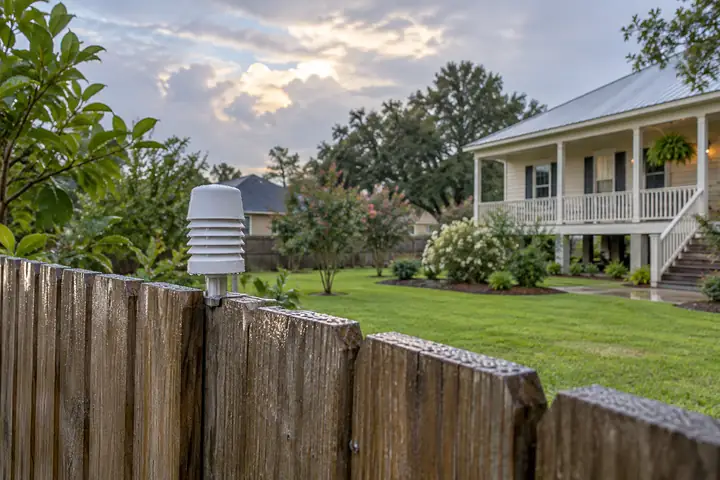
A paused sprinkler is not automatically a broken sprinkler
When the controller shows a scheduled event but the lawn does not get watered, it is tempting to assume the system failed. A rain shutoff device may be doing exactly what it was installed to do. Start by finding out whether the property has one, what equipment it connects to and who is responsible for its operation. Do not bypass an unfamiliar device merely to make the sprinkler run. A purposeful pause, a saved manual setting and a fault can look similar from inside the house. Learning the difference begins with the equipment's identity and operating instructions. It does not begin with repeated attempts to override whatever prevented the event, especially when the lawn has recently received rain.
Know what kind of information the device uses
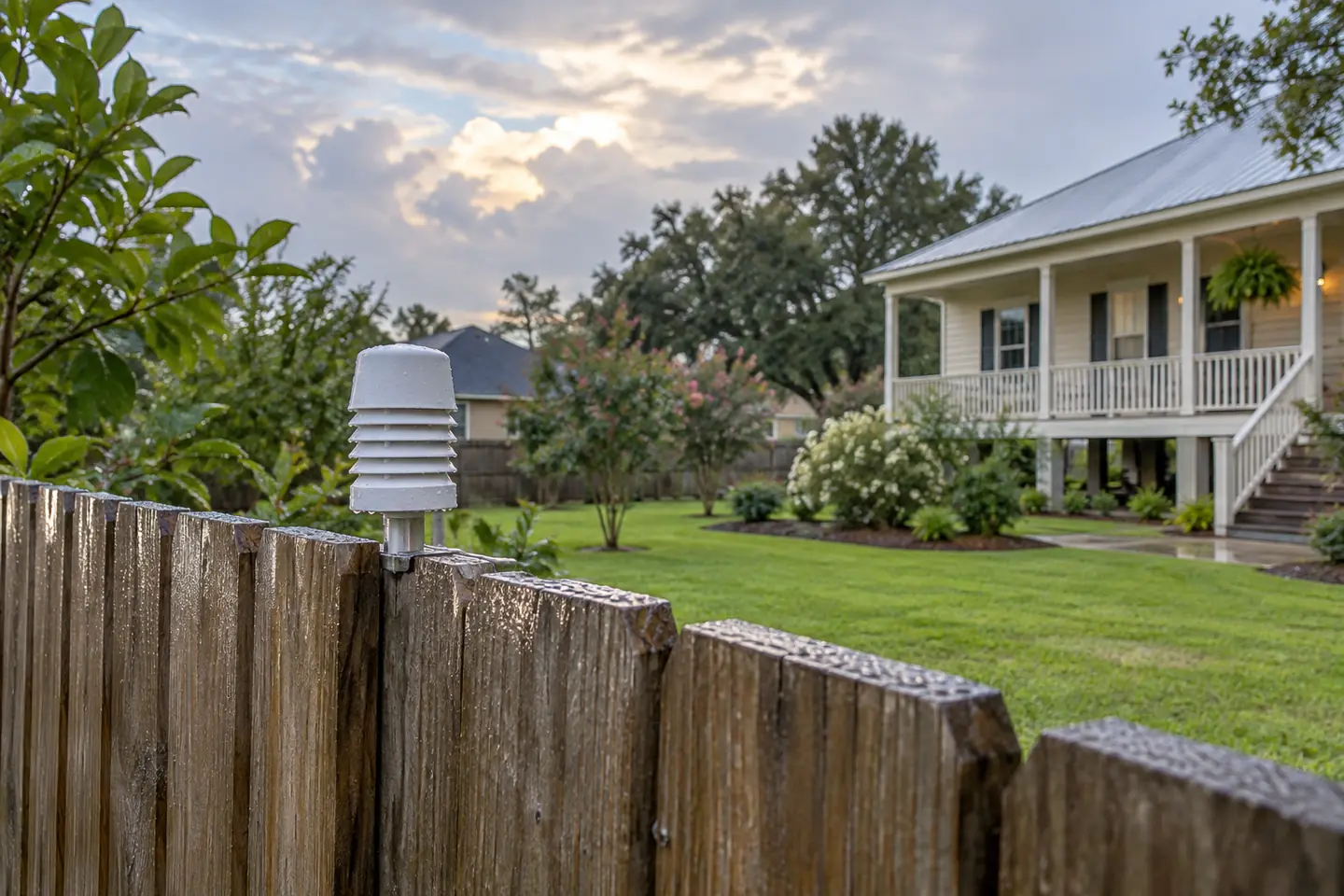
LSU AgCenter describes rain sensors as devices that pause irrigation in response to rainfall. That function differs from directly measuring the moisture around grass roots. A rain sensor can respond to rain at its own location while another part of the yard remains sheltered, and a soil-moisture sensor can monitor a particular soil location without measuring rainfall itself. Identify the actual device instead of calling every irrigation accessory a weather station. Its model information and manual explain the function more reliably than the shape of a small box on the fence. Keep that identification with the controller record so an owner, tenant or replacement provider does not have to rediscover it after every confusing pause.
Placement can affect what the sensor experiences
A rainfall device needs an appropriate exposure for the type of sensor and the manufacturer's installation guidance. An awning, a growing branch or a newly installed cover may change what reaches it. Record those changes without climbing onto a roof or reaching over a fence to inspect equipment you cannot safely access. A photograph from the ground can show the device and nearby obstructions well enough to ask a useful question. Do not move a mounted sensor casually to make it more visible from the kitchen window. Changing its position is an equipment decision. If a landscape feature now shields the device, explain what was added and when so the responsible professional can review the installation.
Distinguish a pause indication from an observation of rain
The controller's indication tells you what the system reports. Your observation tells you what you saw at the property. Keep both. A note that the display indicated a rain-related pause is different from a measured rainfall total or a statement that every lawn zone received enough water. Save the wording of the indication accurately when possible. Do not translate an unfamiliar symbol into an established cause. A clear photograph of the display, taken without exposing account information, can help the equipment provider understand the question. Add whether sprinklers actually operated and whether someone used a manual command. The combination is more useful than a message that simply says the weather control is not working.
A bypass can hide the question you need answered
If a person overrides a rain pause and the system runs, that does not establish that the sensor was wrong. It only shows that the override changed operation. Record any authorized bypass and its reason, including who made it. Avoid leaving a temporary test setting in place after the original conversation is forgotten. If you are not responsible for programming the system, do not experiment with bypass controls. Ask for the operating sequence to be explained. Preserving the original indication and the later action lets an irrigation professional distinguish equipment behavior from a manual instruction. Without that history, a later dry patch or wet border can lead to conflicting stories about what the system actually did.
Understand that devices resume according to their own operation
Different sensor designs and control systems handle a return to scheduled irrigation differently. Use the instructions for the installed equipment instead of assuming every device restarts after the same number of hours. A neighbor's experience with another model is not a specification for yours. When seeking help, describe how long the pause has been visible and what the local weather did during that time. Avoid presenting a waiting period as a malfunction until the relevant operating guidance has been checked. If the equipment is inaccessible or its identity cannot be confirmed, an appropriate professional can review it. The owner can still provide a useful timeline without pretending to know the device's internal state.
Keep maintenance of the device separate from lawn maintenance
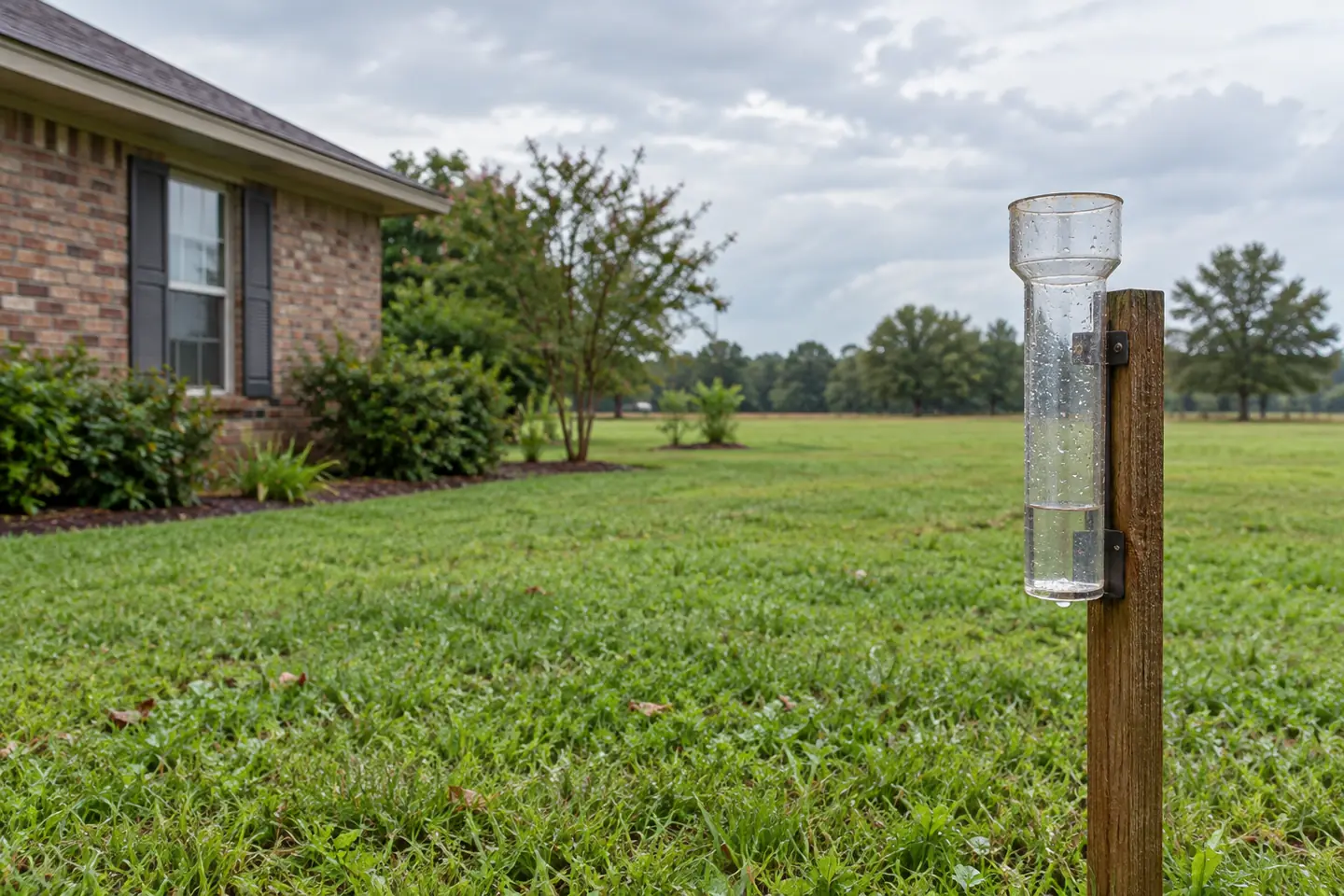
A sensor may have cleaning, inspection or testing requirements described by its manufacturer. Those tasks are not automatically included when someone agrees to cut grass. Make clear who is responsible for the device and who can authorize equipment work. Do not ask a lawn-maintenance provider to open a cabinet, alter wiring or adjust settings as an informal favor. A routine yard visit can identify an obvious obstruction or report active sprinklers, but that is different from verifying a control circuit. Keeping responsibility clear helps the household get the right service and prevents a small observation from turning into an unrecorded repair attempt with no agreed scope or supporting documentation.
Check the wider watering picture before buying a replacement
A device question can appear at the same time as a coverage question. Perhaps the center lawn remains damp while a sheltered edge looks pale, or a manual watering event has been added outside the normal program. Replacing a sensor does not automatically resolve those differences. Prepare the relevant schedule, recent rainfall notes and the location of the affected grass before requesting an assessment. Ask whether the observed behavior fits the installed equipment and the site rather than ordering a particular replacement based on color alone. A focused review can separate a device fault from an unsuitable program, an obstruction or a plant problem that belongs in another conversation.
Give a tenant or caretaker a plain-language handoff
If someone else watches the property, explain the rain-pause behavior before an unexpected quiet sprinkler morning. Identify whom they should contact and which observations would help. They may only need to note the display message and whether the yard received rain, not access the system's account. Keep private login details out of a general yard-care document. Include any permanent equipment location that affects access, such as a low-mounted enclosure near a gate. A straightforward handoff reduces the chance that a helpful caretaker repeatedly runs manual cycles because they assume every skipped event is an emergency. The instructions should support reporting, not give an untrained person an open-ended troubleshooting assignment.
Save an unexplained restart as carefully as a pause
Unexpected watering after a period of silence deserves the same clear record as a skipped event. Note whether the controller returned to its normal program, someone selected a manual run or the household simply noticed spray after being away. Do not fill an unobserved gap with a guessed restart time. If several people have access, ask about authorized changes before attributing the event to a fault. A calm account of what is known and what was missed helps the equipment provider investigate the sequence. It also avoids blaming the sensor for a manual command that happened outside the observer's view.
Turn an equipment concern into an understandable request
Say which device is installed, what the controller showed, when the pause began and whether anyone changed the program. Add a ground-level photograph of the sensor's surroundings if access is safe. That creates a useful starting point for an irrigation professional without asserting that the device is defective. A homeowner in Marrero might also tell Happy that sprinkler operation is under review and that no one should assume a particular watering event has finished before a visit. The two conversations can stay connected through timing and access information. They do not need to share system passwords or turn a mowing agreement into a promise to diagnose the irrigation controls.
- Identify the device and keep its operating manual.
- Record the exact pause indication and the observed weather separately.
- Note any authorized manual event or bypass.
- Report new obstructions around the sensor from a safe position.
- Leave programming, wiring and functional testing with the responsible provider.
Let Happy know about access and active spray
For the lawn-maintenance visit, share any expected sprinkler operation or soft route that may affect the work. Ask Happy Grass about the agreed mowing, edging, trimming and finish. Call 504-339-3571 and ask for Happy. Rain-sensor installation, repair and control-system testing are separate equipment tasks, not services promised by this page.