
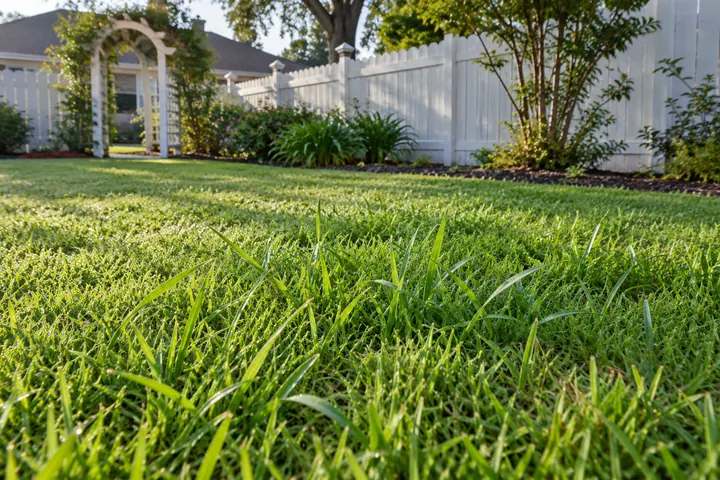
A familiar-looking clump can still be an uncertain sample
A homeowner may begin with a broad name such as dallisgrass, then encounter field paspalum while looking more closely. That is a useful reminder that a familiar lawn outline does not settle every identification. The next step is not to choose the less familiar name because it sounds more precise. It is to determine whether the available evidence can actually distinguish the candidates and what additional review would make the answer reliable.
Missouri State University's plant-identification account describes field paspalum as a relative of dallisgrass that can occur in turf. It highlights seed-row arrangement on head branches, more upright growth and hair details as comparison features. The USACE plant account lists field paspalum as Paspalum laeve, a perennial grass. These limited reference points explain why a broad lawn photograph may leave the name unresolved. They do not diagnose a particular clump or establish its management needs at your property.
Begin with a sample identity, even before the plant has a name
Give the example a simple location label such as rear-path clump or front-drive clump. Use that label on every photograph and note associated with it. This prevents images of several similar grasses from being combined into an apparently complete specimen record. A sample can have a clear identity in your records even while its scientific identity remains uncertain.
If you ask a second person to take photographs, tell them which marked example matters. Otherwise, a helpful close-up of a different clump may be added without anyone noticing. The resulting collection can show a head from one plant, leaves from another and a base from a third. Each image may be clear while the combined inference is unreliable. Keeping the sample label consistent is a simple way to avoid that problem.
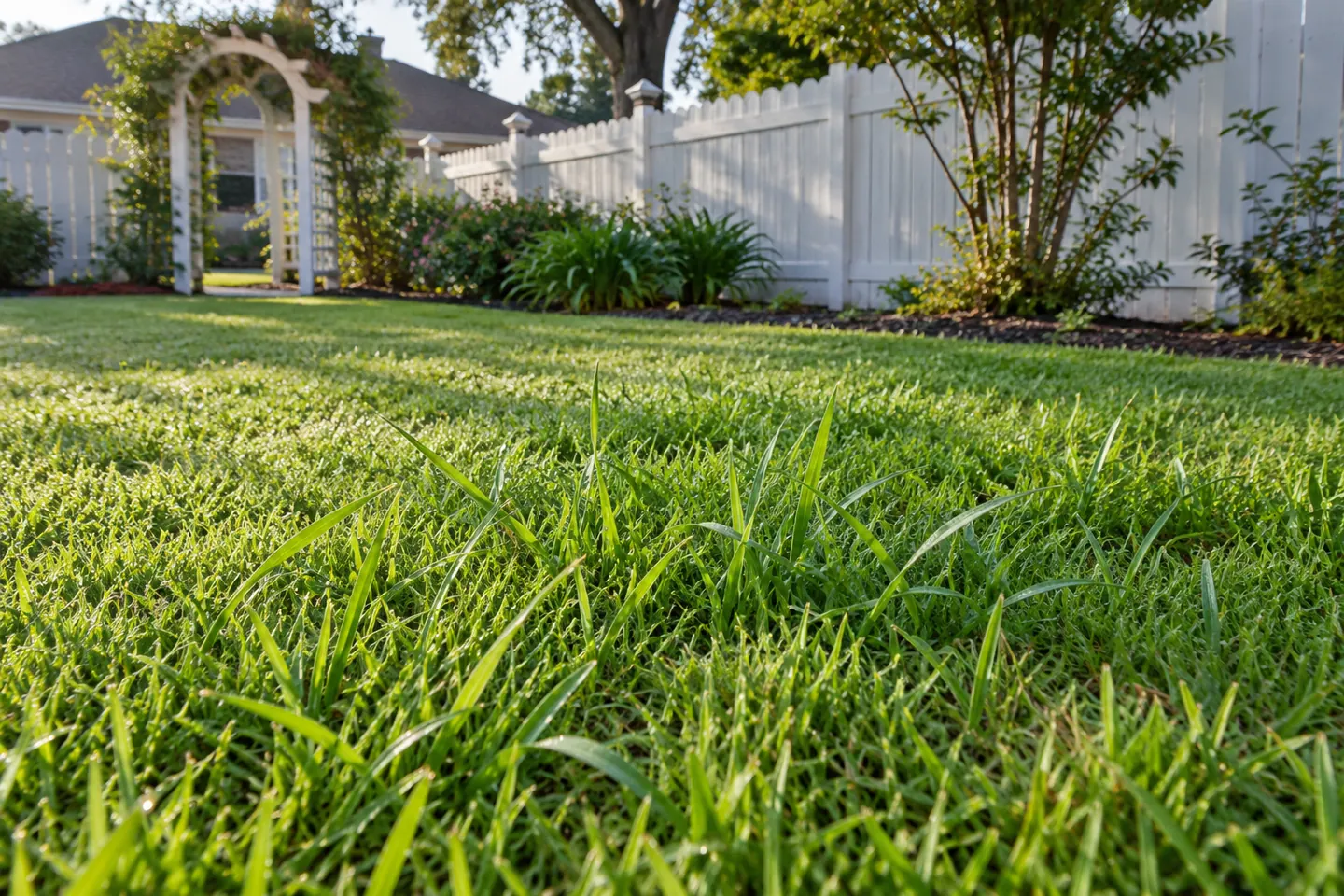
Preserve both sides of a head branch when they are visible
The Missouri State comparison includes details of the seed arrangement on a branch. A view of only one broad face may not show the relationship clearly enough for review. If the attached structure can be photographed without altering it, take complementary angles of the same branch. Do not claim a row count from a blurred or compressed image just because a reference tells you the expected number.
Keep the full head in another frame so the close-up remains connected to its overall structure. A qualified reviewer may need to see how the branches are arranged as well as how the small structures sit along them. Label a damaged or incomplete head accordingly. Missing portions should remain missing evidence, not be filled in from a photograph of another plant found elsewhere in the yard.
The leaf base can matter more than another distant clump picture
When the comparison turns on fine leaf or collar features, another overview of the whole lawn may add little. Ask which specific part needs a clearer view. The answer may require an attached leaf base, a different angle or an appropriate specimen review. Follow that request rather than collecting dozens of similar wide shots and hoping the extra volume will resolve a detail they all omit.
If you cannot obtain the requested feature clearly, state the limitation. Do not describe hairs or attachment structures that were not actually visible. A reference can teach you what to look for while the property record remains incomplete. That is a normal outcome of an identification inquiry, and it is more useful than a confident label built from details copied out of the reference rather than observed on the sample.
Keep growth habit separate from the effect of recent cutting
A clump's apparent shape can be influenced by how much of it is visible in the photograph and whether it was recently cut. Record the known maintenance timing when comparing an upright example with a lower-looking one. Do not treat two differently maintained specimens as a controlled comparison of species. A useful caption can say that one sample was photographed before a visit and the other afterward.
The goal is not to produce a perfect experiment in the yard. It is to give the reviewer enough context to understand the images fairly. If the timing is unknown, leave it unknown. A photograph can still document the present appearance without supporting an exact comparison of growth habits. Keep the strength of the conclusion matched to the strength of the record.
Ask a focused identification question
Instead of asking what every weed in the lawn is, identify the specific uncertainty: whether the marked clump can be distinguished from dallisgrass using the attached photographs. Mention which features are clear and which remain unresolved. A narrow question makes it easier for a local extension office to request the missing evidence or explain that a specimen review is needed.
Do not interpret a response about one sample as a lawn-wide survey. Save the review with the sample label and the photographs it addressed. If another clump looks similar, it can be compared as a new example rather than silently inheriting the first name. That keeps the record useful if later work reveals that the property contains several grasses with a similar overall shape.
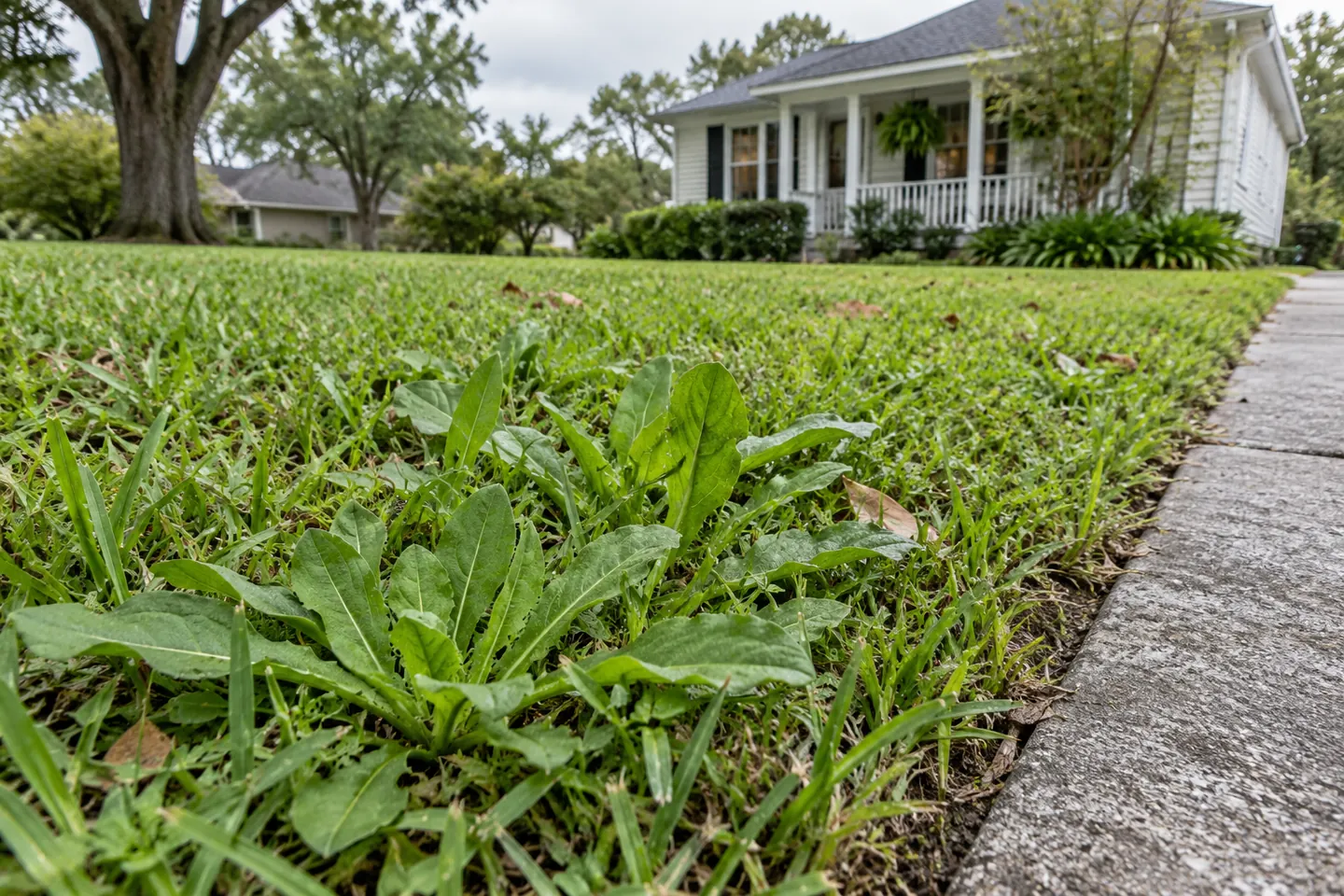
Use the Latin name to reduce naming confusion, not to create certainty
Common names can vary between references and conversations. If you are forwarding a field paspalum question, include Paspalum laeve as the reference name under consideration. That helps another person understand which published account you mean. It does not make the property's specimen identified. Keep candidate name and confirmed response visibly distinct in the note.
Avoid replacing the initial sample label with the candidate species name too early. Rear-path clump, possible field paspalum remains clearer than a folder confidently titled field paspalum when no review has occurred. If the identification changes later, the original location record still makes sense. Good recordkeeping preserves the path from observation to conclusion instead of erasing the uncertainty afterward.
An identification inquiry can coexist with routine lawn care
You may still want the path-side lawn maintained while the exact grass name is unresolved. Explain the visible finish and the boundary independently. A provider can discuss mowing, edging, weed-eating or blowing without being asked to certify a difficult species comparison from one phone image. Do not make routine maintenance conditional on a level of botanical certainty that the present evidence cannot supply.
At the same time, do not let a tentative name imply a separate elimination or treatment service. A species-specific plan may need different expertise and information. The routine agreement should describe the operations, the authorized area and the appearance to be reviewed afterward. Keep any unresolved plant-identification question in its own note so it does not quietly expand the work request.
Judge the result at the scale of the agreement
If the proposed visit addresses the lawn surface and path margin, review those features after the work. A remaining clump does not by itself show that an eradication task was missed. A more even appearance does not establish that the candidate species is absent. These are different claims, and the evidence needed to support them differs. Describe the result in the same terms used to arrange the visit.
- Keep the location label with every close-up and response.
- Preserve candidate names as candidates until reviewed.
- Ask for the missing diagnostic feature instead of repeating the same weak view.
- Separate the routine finish from an unresolved species comparison.
For a Harvey, Gretna or Belle Chasse homeowner, this keeps a difficult grass question manageable. You can gather useful evidence, ask a qualified reviewer for a focused answer and still arrange ordinary care within a clear scope. The most precise-sounding name is not always the most honest answer. A traceable sample and a clear maintenance request are useful progress even while the final identification remains open.
Preserve the reviewer’s level of confidence
A response may identify the genus while leaving the species uncertain, or request another feature before distinguishing close candidates. Keep that level of confidence in your summary. Do not turn a partial answer into a definitive species label because the remaining uncertainty feels inconvenient. Record the next requested feature and the sample it concerns. This gives a later reviewer a focused continuation point and avoids repeating an identification process from an overstated conclusion. The routine lawn boundary can remain settled while that botanical question stays open.
Explain the clump and the routine task to Happy
Call 504-339-3571 and ask for Happy. Name the marked clump's location and the mowing, edging, weed-eating or blowing you want discussed around it. Confirm the boundary, actual work and availability before scheduling.