
The unusual underground piece is only part of the record
A homeowner may first encounter the name Florida betony after noticing a pale segmented structure during another yard project. The piece can look distinctive while its connection to the current lawn patch remains uncertain. Begin with the finding location, the date and whether it was actually attached to a living example. A memorable shape should not be expected to supply the history of an entire area by itself.
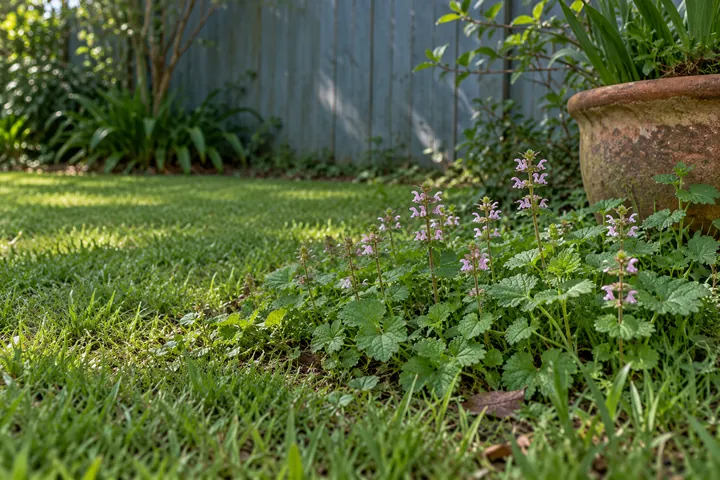
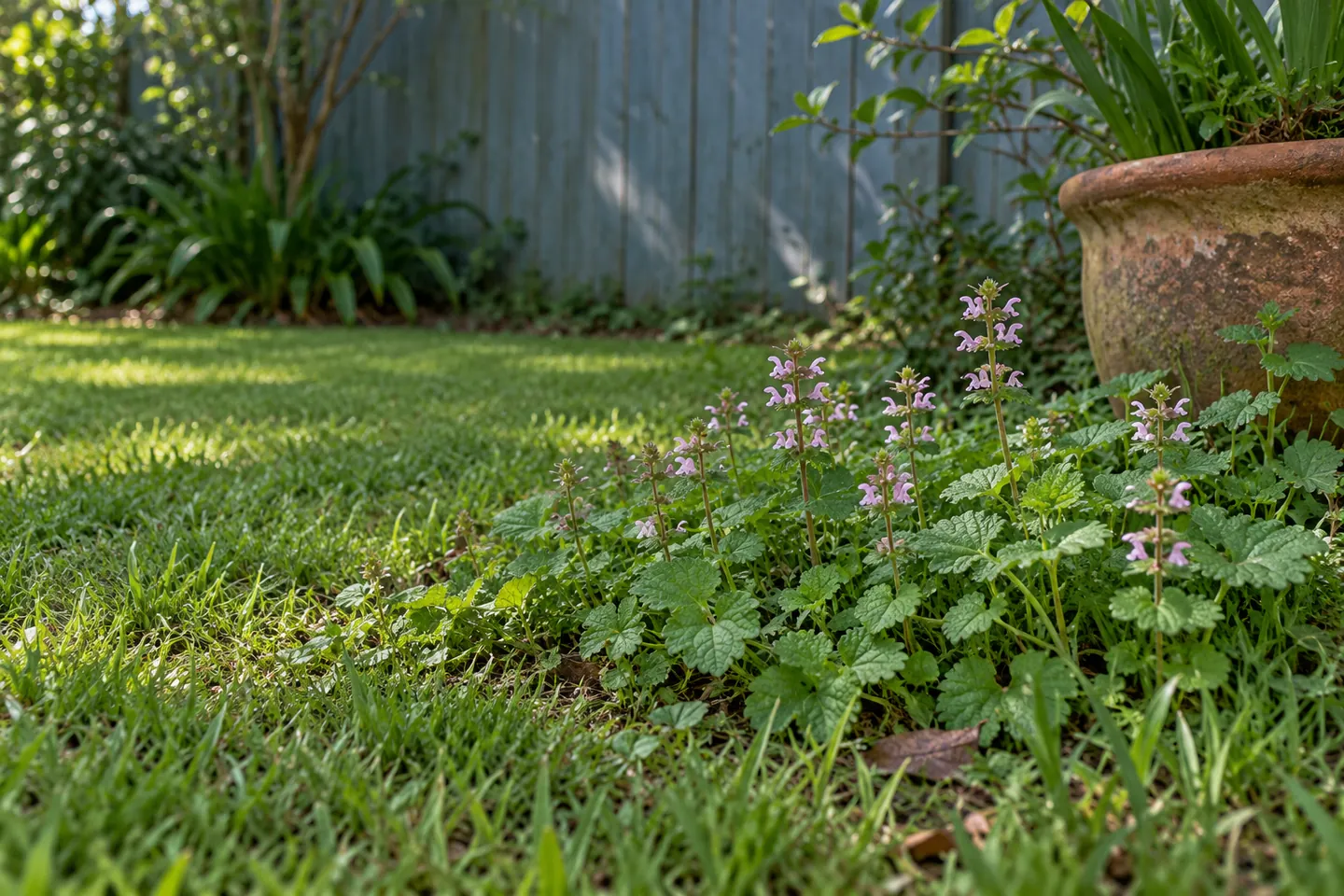
LSU AgCenter's Greater New Orleans gardening account describes Florida betony as a cool-season perennial in the mint family, with square hairy stems, opposite toothed leaves and pale pink-to-white flowers. It describes white segmented underground tubers associated with the common name rattlesnake weed, and summer dormancy. These traits give an identification inquiry a useful framework. They do not establish that every segmented object or nearby leafy patch belongs to that species.
Keep the finding location with the object
If a piece was noticed in soil moved during a project, state that it came from moved material. If it was seen attached to a plant, preserve that connection in the photographs where available. Those are different records. A structure found beside a newly installed border should not automatically be presented as evidence that the plant grew at that exact point before the work.
Do not combine several unlabeled findings into one apparent sample. Give each its own location note if the sources differ. The goal is not to create a complicated collection; it is to prevent a later reviewer from assuming a connection nobody observed. A short caption can preserve that distinction even when the actual plant material is no longer available for review.
The common name is a description, not an animal finding
Rattlesnake weed is a common plant name associated with the tuber's segmented appearance. Keep that naming explanation separate from a claim about wildlife on the property. If someone forwards a photograph using the nickname alone, clarify that the conversation concerns a candidate plant. A descriptive name should make the inquiry easier to follow rather than introducing a different concern that the evidence does not show.
For identification, include Florida betony and the reference name Stachys floridana as the candidate under discussion. That helps another person locate the intended account without implying that the sample has been confirmed. Retain a simple property label alongside it, such as rear-bed finding, so the record remains understandable if the candidate name is revised later.
Connect leaves to the same above-ground example
Photograph an intact leafy stem if one is available, including the points where the leaves attach. A dense patch can make unrelated leaves appear paired, so show a readable connected section rather than only a broad green overview. Keep another frame locating that example within the lawn or bed transition. The close detail and the property context should remain associated without relying on the order in which files were sent.
If the above-ground example cannot be linked to the original underground finding, say so. You can ask whether the two may be related without presenting them as a single confirmed specimen. That distinction is especially useful when the object was found during a project and the foliage was photographed days later. A plausible connection is still a question until the evidence supports it.
A square-stem question needs an actual view
The source's stem description can guide what to ask a reviewer to examine. It should not become a claim copied into the property record when the stem is hidden or out of focus. Show what can be seen without staging a test that you do not know how to interpret. A photograph may leave the shape unresolved, and that is a normal limitation rather than a reason to force a confident answer.
Likewise, keep the leaf margin and attachment details honest. If fine teeth or hairs are not resolved, name the missing detail. A qualified identification reviewer may request a different angle or a suitable specimen. The most useful response to that request is the particular missing feature, not another large album of the same leafy patch that still omits the relevant junction.
Flowers can belong to a different observation date
If flowers are present, show their connection to the same leafy stem. If they were visible only in an older photograph, keep the date with that view. A sequence of observations can help explain the plant's appearance without pretending that the leaf, flower and underground structure were all recorded together. Labeling the stages clearly makes the evidence more useful rather than less complete.
Seasonal disappearance is not proof of plant absence
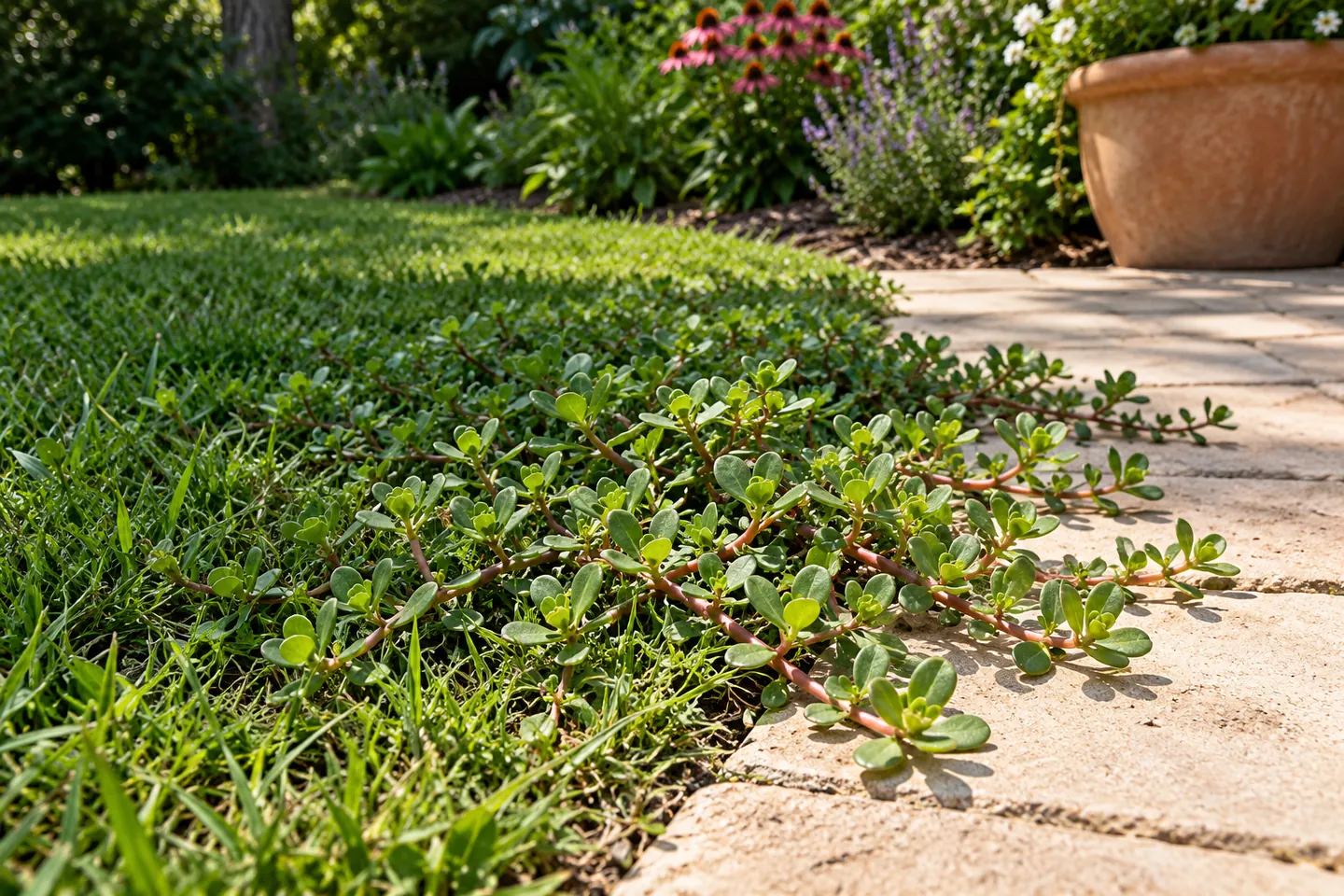
The LSU account discusses summer dormancy. That is a reason to distinguish no above-ground growth noticed today from a conclusion that the plant is gone. Record the actual dates and visible condition. Do not use a seasonal description to predict exactly when a particular property's plant will reappear or to explain every new patch without checking the evidence.
If older photographs show a marked area in a different season, compare the same fixed location. A clump near the rear bed and another near the driveway are not automatically the same changing example. A useful timeline can show when something was visible while leaving the exact underground connections unresolved. Keep that limitation clear before drawing a larger lawn-wide conclusion.
Mowing and the underground question are different tasks
A routine cut concerns the visible surface work agreed for the visit. It does not by itself establish removal of tubers or other underground structures. If your real question is whether the candidate plant remains below the surface, identify that as a separate matter for appropriate review. Do not treat a lawn booking as an implied excavation or species-control agreement.
Happy Grass's routine discussion here covers mowing, edging, weed-eating and blowing. This guide provides no product, application schedule or separate plant-removal service promise. A technical account may describe additional management practices, but those descriptions do not expand the business's offering. Confirm the actual operation and boundary rather than expecting the plant name to supply an unstated scope.
Do not assign a movement history from a later finding
If a segmented piece is noticed after soil or materials were moved, record the sequence you actually know. The finding may raise a question about where it came from without proving which person, tool or delivery moved it. Keep the object's location and any observed connection separate from a proposed explanation. A careful record is more useful for follow-up than an accusation built from timing alone.
The same applies if foliage appears beside a worked edge later. State when it was first noticed and whether that same area was documented earlier. Do not call the plant newly introduced unless the evidence supports that claim. A later observation can be genuine and useful while its origin remains uncertain. Focus the next discussion on the present condition and the actual task that was agreed.
Define the lawn and bed boundaries independently
A suspected betony patch can cross the visible transition between lawn and planting bed. Confirm which surfaces are included in the routine request and which plants or areas should remain untouched. A provider should not have to decide whether every leafy stem in the photograph is unwanted. The authorized owner needs to supply that preference, especially when a soil project has changed the appearance of the edge.
Use fixed path, planter or bed references for the work limit. A seasonal shoot is not a reliable stop line if its visibility changes before the visit. If the boundary is still undecided, mark it for discussion rather than turning a tentative plant identification into permission to alter a larger area. Clear scope remains useful even if the botanical conclusion changes later.
Carry the connections forward into the next question
Organize the evidence into what is known, what is associated only by location and what remains uncertain. A reviewer can then ask for the missing link rather than repeating the whole inquiry. Keep any response with the exact finding or stem it addressed. Do not apply a name assigned to one example to every similar leaf or object elsewhere on the property.
- Record whether the segmented structure was attached or found in moved material.
- Keep the leafy stem, flowers and finding dates traceable.
- Distinguish seasonal visibility from proven absence.
- Confirm routine surface care separately from an underground plant question.
For a Marrero or Belle Chasse yard, this turns an unusual-looking finding into a practical record. You can ask a focused identification question and still arrange ordinary care within a clear lawn boundary. The distinctive object is useful evidence, but its value depends on preserving the connections it can actually support.
Explain the finding and the lawn task to Happy
Call 504-339-3571 and ask for Happy. Describe the marked area, any recent soil work and the mowing, edging, weed-eating or blowing you want reviewed around it. Confirm the actual work, boundary and availability before scheduling.