
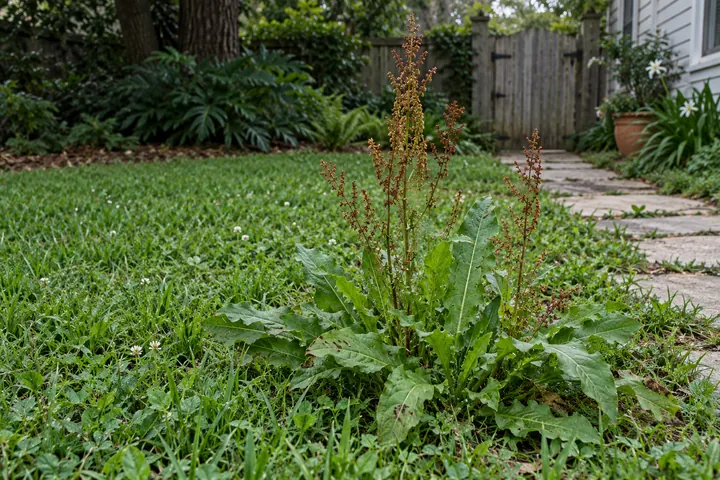
Describe the wave without turning it into a diagnosis
The University of California gallery describes curly dock, Rumex crispus, as a perennial with lance-shaped leaves, a membranous sheath at the leaf base and swollen nodes. The standing fruiting structure can become rusty brown, with papery, three-winged fruit. That combination is more informative than the word curly applied to any leaf that happens to be folded.
Begin with a whole attached leaf. Show its outline and where it meets the plant, then add a closer view of the margin if that is the detail in question. A curled leaf tip or a wilted-looking photograph does not establish the species. Record what the margin does along the blade without inventing a cause for the shape. The candidate name should remain open to review until the connected features have been considered.
A wavy margin is different from a folded photograph
A blade seen from the side can appear narrow, while a broad leaf folded along its length may look like two separate edges. Try another ordinary viewing angle of the same attached leaf. Keep the original frame so the reviewer can understand why its apparent shape changed. A second view can resolve perspective without requiring any claim that the plant itself changed between photographs.
Avoid flattening or arranging the leaf into the outline you expect from a guide. If handling has already altered it, explain that condition. An intact example with a readable attachment is generally a better record than a perfect-looking detached leaf with no known connection. The purpose of the photograph is to show the plant that is there, including any limits of the available view.
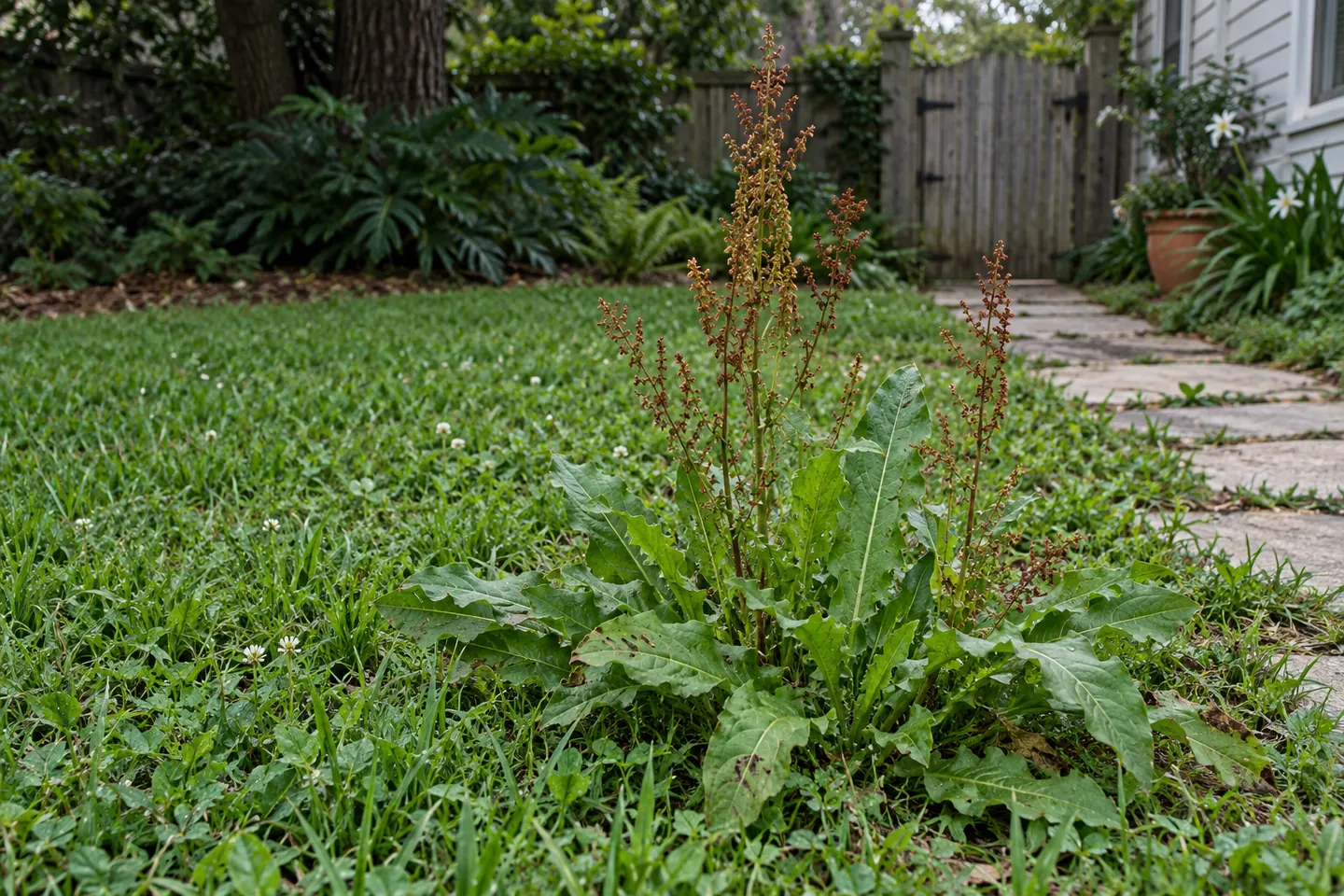
Find the leaf base before asking about a sheath
The membranous sheath in the reference concerns a specific part of the plant near the leaf attachment. A distant image of rusty stalks will not answer that question. Show the stem and the attachment together where possible. If older material obscures the area, label it obscured rather than interpreting the lack of a readable structure as proof that no sheath exists.
A reviewer may request a particular angle or a specimen. Let that request guide the next observation rather than dismantling an unidentified plant to hunt for a guessed feature. Keep any detached material labeled with its source. A loose papery piece from a gate corner should not automatically be described as the sheath of the marked plant merely because the candidate profile mentions one.
Nodes need a scale of context
A swollen-looking point can be hard to interpret in an extreme crop. Include the stretch of stem above and below it, with the attached part visible if possible. Say whether the shape is clear or partly concealed. A single enlarged bump without orientation may tell another person less than a modestly sized image that preserves the plant's structure.
Do not turn a node observation into a claim about damage, disease or soil condition. This page addresses an identification comparison and a practical lawn discussion. A local property diagnosis would need its own evidence. Keeping the questions separate makes a message more useful: one sentence can describe the stem feature, while another explains the actual access or appearance concern beside the gate.
Rust color is a stage description, not a soil test
The rusty standing structure in the gallery can help explain why an older plant looks different from a green rosette. That color does not by itself diagnose a nutrient issue, identify a drainage defect or establish when the plant first appeared. Use the color as one observed detail and keep the date with the photograph. Do not build an unsupported property story around a familiar shade of brown.
If green lower growth and an older standing stem appear together, show their connection before calling them one plant. Nearby examples can overlap. A fixed label such as pale-gate example helps preserve the relationship that was actually seen. Where the connection is hidden, say that the two structures are in the same area but are not yet proven to belong to the same crown.
Papery fruit deserves its own readable view
The reference describes three-winged fruit. That is a close structural question, not something to infer from a brown blur on a tall stalk. Include an attached section where the papery structures separate clearly. If the image cannot resolve the wings, keep it as a record of the overall fruiting stem and state that the detailed count remains unknown.
A detached piece can be useful if its origin was observed and labeled, but do not combine loose material from several locations into one apparently complete example. A reviewer needs to know which structures were attached when photographed and which were collected later. The difference can change the confidence of the comparison without making every part of the record worthless.
A perennial label does not measure an unseen root
The gallery's life-cycle description provides background. It does not establish the size, age or condition of the root system at a particular Westwego property. Avoid estimating those hidden details from the height of an old stem. The maintenance question can usually begin with the visible area and desired finish while a separate identification or belowground question remains unresolved.
A shorter standing stem after work is a visible change. It is not evidence that every underground part has disappeared, and it should not be advertised that way. Conversely, a remaining low leaf does not by itself prove that the agreed routine task failed. Compare the result with the specific operations and area that were discussed rather than using a species label as an unstated promise of complete eradication.
Mark the gate route independently of the plant name
If the concern is a narrow route or an awkward boundary, show that whole space. Include the gate position and fixed objects that affect the proposed visit. A leaf close-up cannot show whether equipment access is practical or which side of a boundary the plant occupies. Describe the current route directly instead of expecting the identification image to communicate the work conditions.
Confirm what mowing, edging, weed-eating or blowing is being considered for the marked area. A plant guide does not establish that gate work, repair or a separate removal task is included. A clear conversation names the routine operation and the intended visible result. It also preserves space for Happy to explain what additional information is needed before a visit can be arranged.
Keep attached fruit separate from loose gate debris
A gate corner can collect dried leaves, broken stems and papery material from several sources. If an object on the ground looks like the fruit described in the reference, photograph its location before moving it and label it as loose material. That record is different from a close view of fruit still attached to the marked standing stem. The two can be compared, but the loose piece should not be used to complete a missing feature on the attached plant unless its origin was actually observed.
When someone else supplies a detached piece, ask for the example label and the connection they saw rather than assuming that every item in one bag came from one plant. Record mixed or unknown origins openly. A reviewer can decide whether the material is useful without relying on an invented collection history. This also helps keep the lawn discussion practical. Loose debris in a route may be a blowing or tidying concern, while a standing stem beside the route is a separate visible item. The same photograph does not define both tasks automatically. Marking the two locations and describing the desired result for each makes it easier to confirm what is included in the visit, while the botanical comparison remains based on evidence that can actually be traced.
Build a record that separates stages and parts
Use a small set of labeled images: an overview, a whole lower leaf, a readable attachment and a fruiting detail if present. Date green and rusty-stage photographs separately. Ask whether the combination supports a curly dock comparison, and tell the reviewer which relationships remain uncertain. The strongest record is the one another person can follow without guessing how the parts were assembled.
- Keep perspective changes separate from actual plant changes.
- Show the attachment when asking about the leaf-base sheath.
- Treat rusty color as observed appearance rather than a property diagnosis.
- Mark fruit detail unknown when its wings cannot be resolved.
Review the gate-side area with Happy
Call 504-339-3571 and ask for Happy. Explain the area, access and the mowing, edging, weed-eating or blowing you want discussed. Confirm the actual scope and availability before arranging a visit.