
Low maintenance still depends on the right conditions
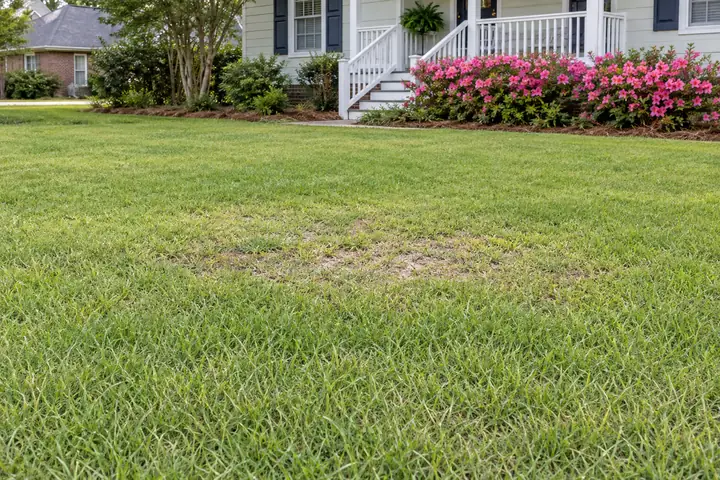
Centipedegrass has a reputation for asking less of the homeowner than some other lawn grasses. That does not mean it can thrive under any combination of mowing, water, soil conditions and lawn products. LSU AgCenter describes it as a slow-growing, spreading warm-season turf adapted to acidic soils and relatively low nitrogen fertility. Its ordinary character matters when deciding whether the lawn has changed. A naturally lighter green color should not be confused automatically with a deficiency.
Before using the word decline, establish what you are comparing. Is the lawn different from its own earlier appearance, or simply different from a neighbor's darker grass? Has it lost living cover, or does it remain dense at a lighter shade? Those questions prevent an appearance preference from becoming a diagnosis. A lawn can be an acceptable example of its grass species without matching a dark-green photograph of another turf maintained for a different purpose.
Decline describes a problem with several possible contributors
University of Georgia Extension describes centipedegrass decline as failure to green up or a later decline after successful green-up. Its discussion includes nutrition, cultural practices, soil and water conditions. The term does not identify one fungus that every affected yard shares. Different contributors can act separately or together. A useful assessment therefore asks what is limiting this lawn rather than choosing a single product because the word decline appears on a search page.
This changes the first homeowner question. Instead of asking which treatment cures centipede decline, ask which observed condition needs explanation. A lawn that never resumed growth in a section and one that greened up before thinning have different sequences. Preserve that distinction when describing the site. It may guide what needs to be examined, even if the current brown areas look similar. The aim is to understand the condition well enough to choose a supported next step.
Confirm the grass before applying its reputation
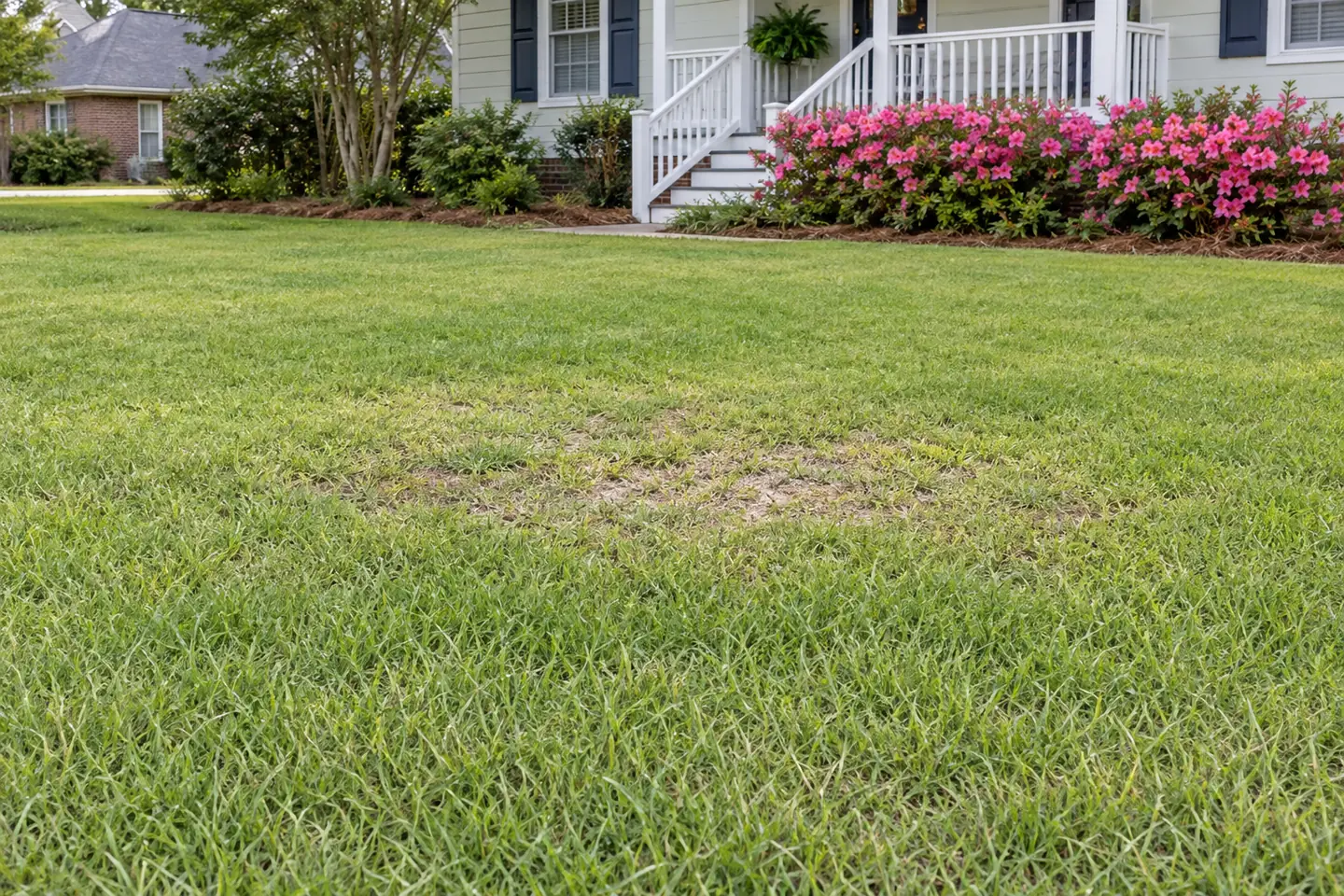
Centipedegrass can be confused with other lawn grasses. LSU's identification guidance emphasizes its narrower leaves arranged alternately along the runner, compared with the broader opposite leaves of St. Augustinegrass. A mixed lawn makes the question more complicated because different areas may contain different plants. Do not assume that everything inside one property boundary shares the same mowing needs or growth habit.
If the identity is uncertain, start with connected leaves, runners and any seedheads available for an appropriate identification. A freshly cut fragment often leaves out the arrangement that distinguishes one grass from another. Ask whether the thin area and the denser comparison area contain the same turf. If they do not, a color or height comparison may be measuring two species instead of the condition of one. Resolving that basic question can prevent a great deal of unnecessary concern about why the whole yard does not look uniform.
Darker is not always a better target
UGA cautions against excessive nitrogen used to produce unusually dark centipedegrass. The useful lesson is not to diagnose a nutrient excess by eye; it is to stop treating the darkest possible color as the sole goal. A lawn's management history should be compared with the requirements of its actual turf. If a product was chosen because it worked well on another grass, retain that information for the adviser reviewing this lawn.
Write down what was actually applied, where and when, if known. Keep a whole-lawn application separate from a bed treatment or a small spot application. If records are missing, do not guess the rate to fill the gap. An assessor can work with an honest incomplete history more effectively than a precise-looking invented one. Ask how any recommended input relates to the identified condition and the soil information. A color change should be interpreted in that context rather than celebrated or feared on its own.
Thatch is a layer to examine, not a synonym for clippings
UGA describes thatch in centipedegrass as an accumulation involving stems, runners and roots at the soil surface. A thick layer can leave new growth rooting above the soil rather than securely into it. This is different from seeing ordinary grass clippings after a cut. Loose clippings on top do not establish the thickness or condition of the layer beneath the living canopy. A spongy feel is a reason to investigate, not a measurement by itself.
If an adviser suspects thatch, ask how the layer will be assessed and what the actual finding is. Do not request aggressive removal solely because the lawn feels soft in one place. Soft soil, burrows and a dense canopy are different observations. Keep any proposed corrective operation separate from routine mowing and confirm who will provide it. The original concern is the condition of the grass and its rooting environment; creating a more disturbed surface without understanding that environment can leave a second problem to manage.
Follow the runner-to-soil connection
A centipede lawn can appear leafy from above while its attachment to the soil is weak. If loose runners have already been noticed, describe whether they came from a thick surface layer, bare soil or an area under persistent traffic. Avoid pulling up long strips simply to demonstrate weakness. Ask the assessor which connected plant parts are needed if a specimen is requested. The relationship between living shoots and the surface below is more useful than a bag of leaves alone.
Think of the lawn as several connected levels: visible foliage, the runner layer, the soil surface and the root zone. An observation at one level does not automatically explain another. Sparse foliage can draw attention to a root concern, but it cannot identify whether the cause involves soil conditions, a biological problem or several stresses together. Keeping those levels distinct makes it easier to understand why a recommended investigation goes below the leaves instead of promising that a different cut will solve the decline.
Use the seasonal sequence carefully
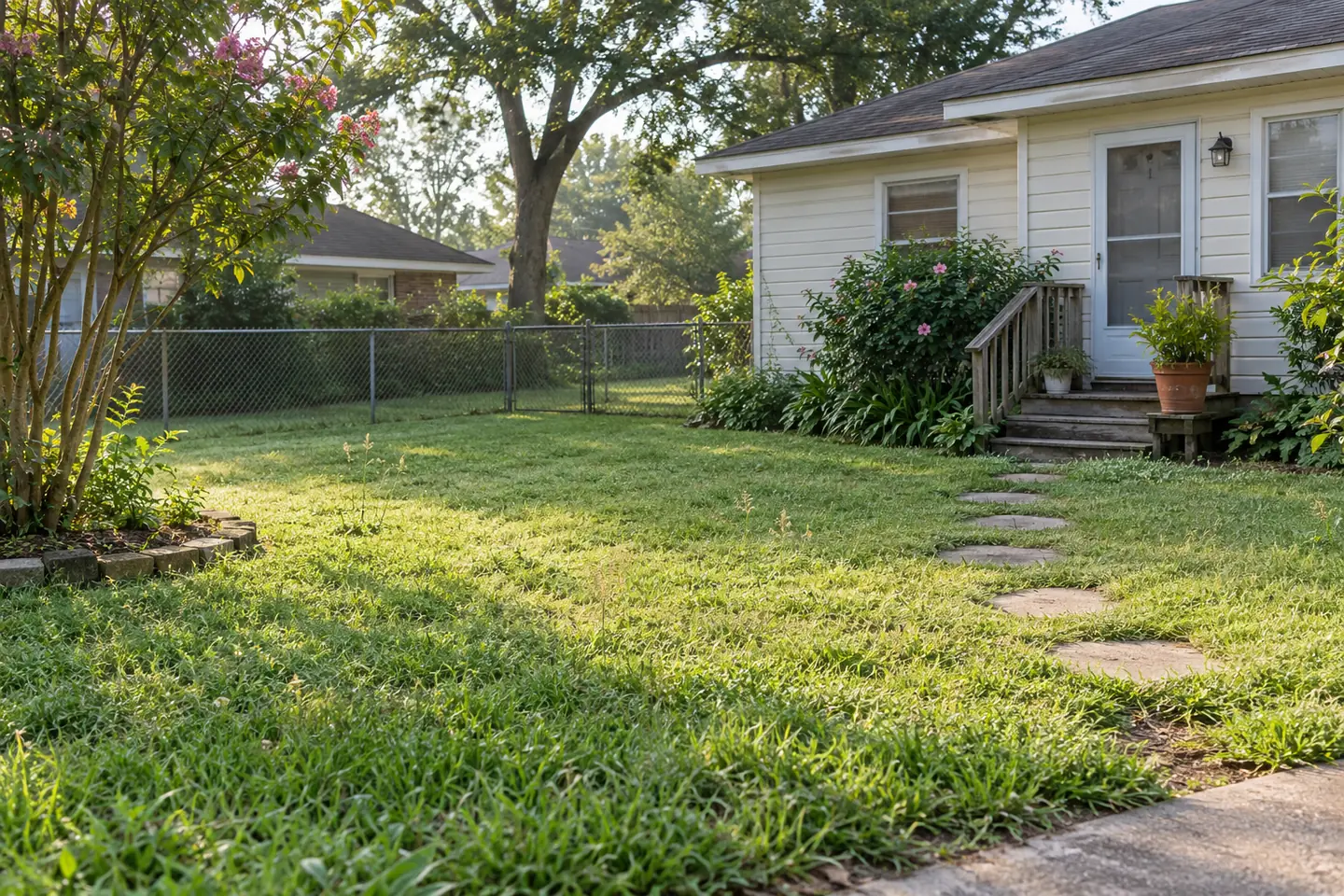
Failure to resume spring growth and loss after an apparently successful green-up are both described in centipede decline guidance. Record which sequence you actually saw. A statement made in midsummer that the area “never grew” may overlook a brief period of green growth earlier in the year. If photographs exist, use them to check the sequence instead of relying on memory alone. If they do not, label the recollection as approximate.
Keep recent cold, dry or wet periods in the history without assuming one explains everything. The fact that a patch became obvious after an event does not prove that the event was its only cause. Likewise, green weeds in a thin section do not establish that the centipedegrass itself recovered. Follow the intended turf, not simply the total amount of green in the photograph. This is especially helpful when the yard's appearance changes quickly as different plants begin growing.
Soil results need a location and a question
LSU recommends soil testing before amendments, and its centipedegrass guidance connects unsuitable pH with yellowing. A soil result is most useful when the sampled area is known. Keep the lawn sample separate from a vegetable bed or a recently amended planting area. If the declining section and a healthy section differ substantially, ask the testing service or adviser how they should be represented. Do not assume one mixed bag can answer every question about contrasting parts of a property.
When the report arrives, ask what it does and does not explain. A nutrient or pH result does not automatically identify every biological cause of thinning. A separate plant-health question may remain. Conversely, an assumed disease should not cause useful soil information to be ignored. The point is to combine evidence that addresses the actual concern, with interpretation appropriate to centipedegrass. Avoid adding a guessed amendment while waiting, because that changes the history before the original result has been discussed.
Make the maintenance decision fit the investigation
Before the next lawn visit, identify the thin areas, any loose surface growth and any assessment instructions. Discuss whether the grass needs to be seen before cutting and whether normal equipment access would disturb an area under review. A routine height change should not be expected to repair every contributor to decline. Keep the cut appropriate to the identified turf while any separate correction is considered.
For homeowners in Harvey, Marrero, Gretna, Algiers, Belle Chasse and Westwego, a useful plan starts with realistic expectations of this particular grass. It may need less input than a darker neighboring lawn, but it still needs suitable growing conditions and an honest review when cover is being lost. Let the evidence determine the next step. The goal is a living, usable stand, not a color contest or a succession of treatments chosen from the name alone.
Ask Happy about available maintenance
Call 504-339-3571 and ask for Happy to discuss the lawn work confirmed in your quote. This educational guide does not add diagnosis, fertilization, aeration, overseeding, fungicide application or pest control to the service agreement. Any separate assessment or corrective work should have its own appropriate provider and scope.