
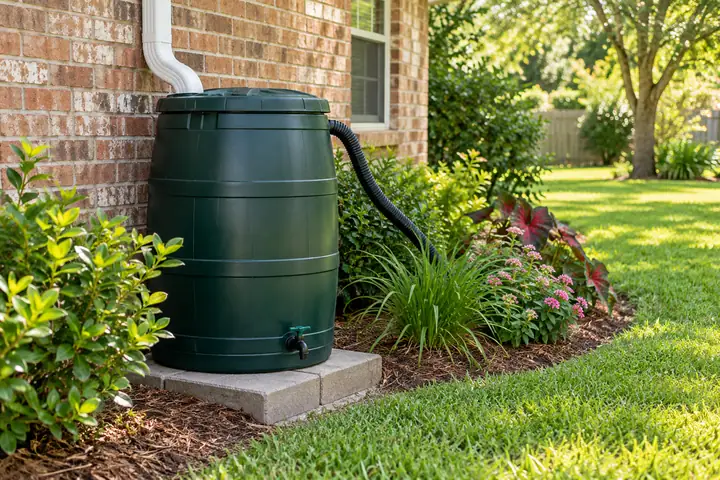
Look beyond the barrel itself
A rain barrel may occupy one small corner beside the house, while its connections reach into several parts of the yard. The inlet comes from a downspout, the tap may have a hose attached, and the overflow may run toward a planted area. When Happy reviews the surrounding lawn, those pieces belong in the conversation together. A picture of the container's front does not reveal the route behind it or the low connection hidden by grass.
Start by explaining which lawn sections need maintenance and which parts of the water collection setup should remain untouched. Mowing nearby does not include draining, lifting, disconnecting or repairing the barrel. Even a familiar-looking container can have an arrangement that is specific to your home. The person responsible for the system should account for it before the visit. Clear information is more useful than expecting someone to decide which hose can be moved when the equipment arrives.
Show the base and the grass boundary
Photograph the bottom of the installation from a normal standing position. Include the platform or pad, the nearest lawn edge and any grass growing between supports. Explain whether the grass stops at a broad paved base or extends into a tight space beneath a raised container. That distinction affects what you are actually asking to have maintained. Do not reach under a platform or test a support to make the photograph more complete.
Nebraska Extension's rain-barrel guidance emphasizes a secure, level installation and notes that a full barrel is heavy. For the lawn conversation, that means treating the installed unit as something to work around, not a portable ornament to shift during preparation. Questions about support, anchoring or installation should go to an appropriate person separately. A lawn quote is not a structural assessment of the base. If the setup appears to have changed or become unstable, report the concern before arranging access beside it.
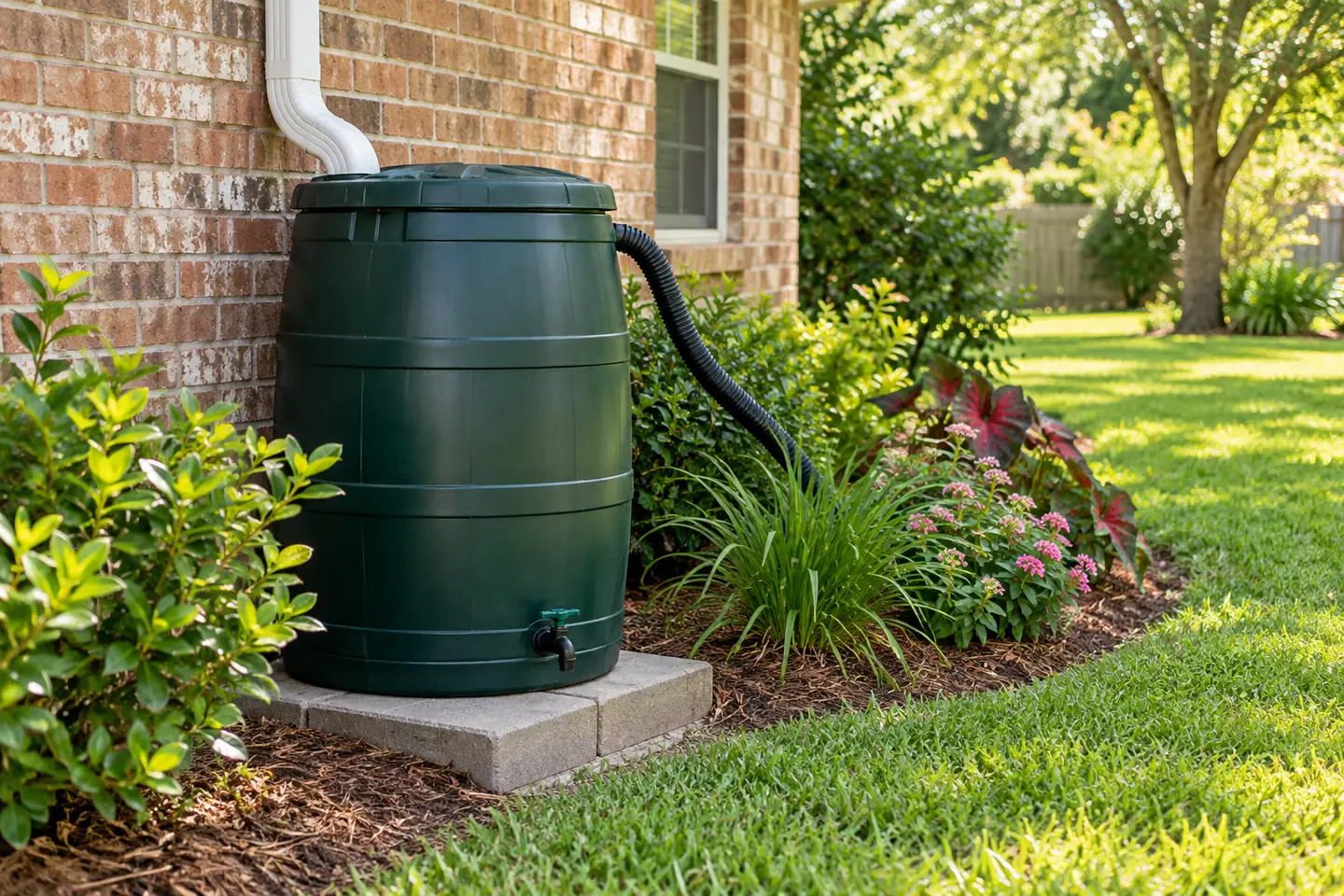
Trace the overflow to its endpoint
The visible hose near the top of a barrel may be an overflow connection rather than the hose you use for watering. Identify it clearly. Follow its route visually and show where it ends, especially if it crosses grass or disappears behind plants. An extension that lies flat in a picture can still occupy the working strip. Avoid an instruction to put all hoses away if some are part of the installed overflow arrangement.
Do not redirect overflow simply to open a lawn route without considering the system's instructions and the effect on the property. Extension guidance treats overflow management as part of installation. Happy's maintenance discussion can identify where it limits the grass work, while the homeowner handles any system changes through suitable advice. If the endpoint has recently been relocated, send an updated view. The old picture may show a clear route that no longer exists, even though the barrel itself has not moved an inch.
Separate fixed connections from portable watering items
A short hose at the tap, a detachable watering can and an overflow pipe can look like one collection of garden equipment from the gate. Explain which is which. Store portable items where they will not block another lawn section, and tell Happy about anything that remains attached. A quick preparation note can prevent an awkward assumption about whether a connection is supposed to be removed.
Account for the low details before the visit:
- Identify the tap and any connector projecting toward the grass.
- Show loose loops that extend beyond the pad or planting border.
- Keep watering cans, buckets and detached fittings outside the agreed route.
- Distinguish permanent overflow components from a portable watering hose.
The purpose is to communicate the footprint, not to provide do-it-yourself plumbing instructions. If you cannot identify a component confidently, describe it as unknown and have the responsible person clarify its role before anyone relies on moving it.
Report the condition of the nearby lawn
Grass beside a collection barrel may be dry on one visit and soft on another. Report what you observe today: a wet patch, standing water, a depression or grass that has been flattened by repeated trips to the tap. Say where the condition begins in relation to the platform and where it ends. A wide view helps distinguish a small affected corner from the whole side yard.
Do not assume that the barrel caused every nearby lawn change. Rain, other drainage routes and household activity may also be involved, and this guide does not diagnose them from a photograph. The relevant maintenance question is whether the current ground and access still fit the planned visit. If a separate drainage or barrel repair is underway, provide a handoff after it is finished. Explain the changed route and remaining materials so the next mowing request is based on the completed condition rather than the plan for the repair.
Agree a finish that respects the setup
Tell Happy whether you want the open grass strip mowed, the edge beside the pad discussed for trimming, or both. A tight corner under a tap may need a different expectation from the straight outer edge. Do not assume that getting every visible blade short requires equipment contact with the barrel, tubing or platform. Describe the desired lawn appearance and let the actual access be reviewed.
Fresh clippings and other lawn debris should also have an understood destination. Point out an inlet or screened opening near the work and explain the boundary you want respected. Maintaining barrel screens and cleaning the collection system remain the owner's separate responsibilities. Blowing the paved lawn approach does not include opening the lid, washing the container or handling stored water. Keeping those tasks distinct helps you evaluate the visit by the grass and agreed finish, without expecting it to service the rainwater system at the same time.
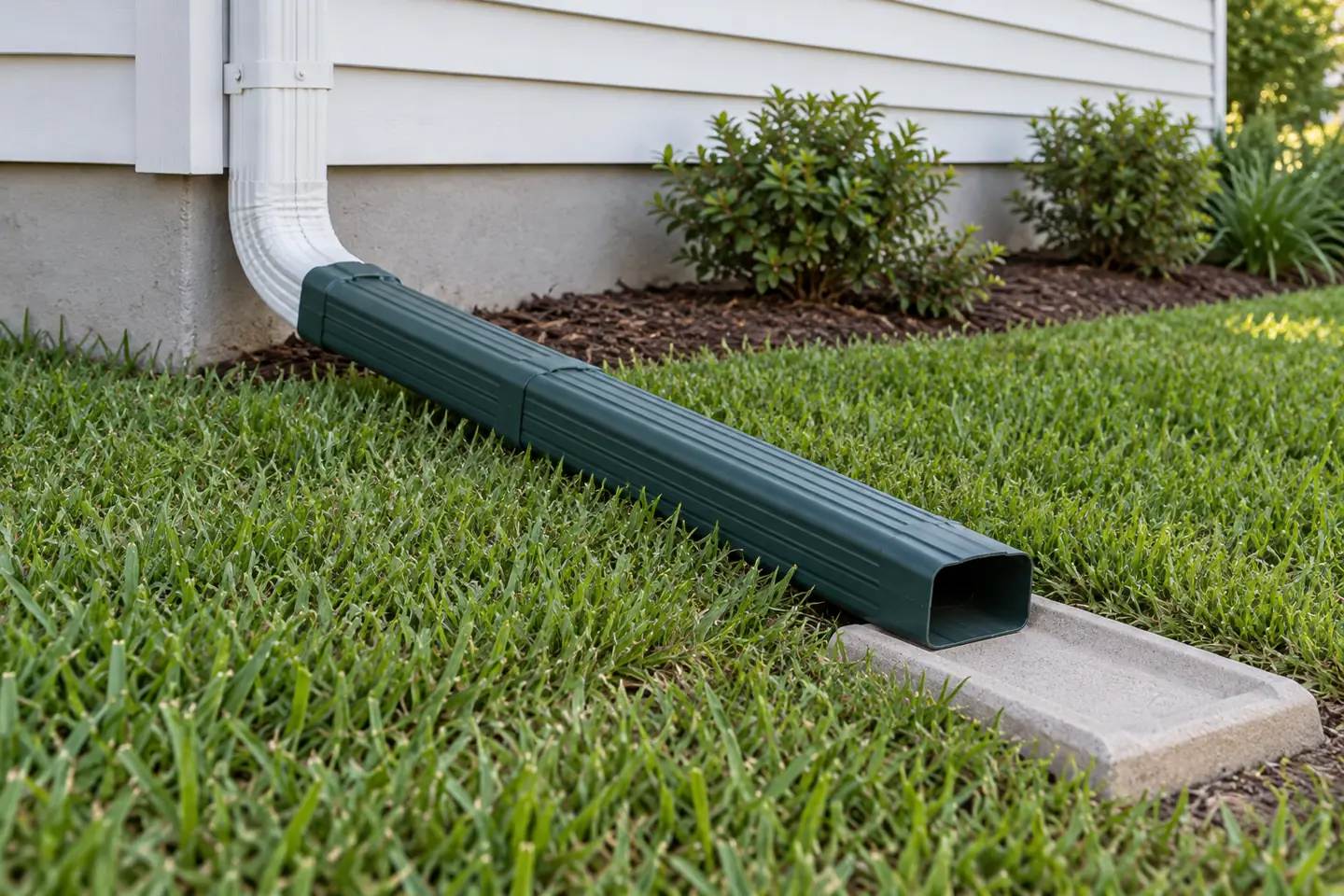
Update the notes after adding a second barrel
Linked containers change the footprint more than they may appear to from the front. A connecting pipe, additional platform and new final overflow route can occupy the space that was previously open. Send pictures from both ends of the arrangement after any expansion. Explain whether the previous lawn passage is still available or has been replaced by a different route around the garden.
Seasonal disconnection or storage can change the area again. The lawn request should reflect the actual present setup, not a calendar assumption that the barrel must be in use or put away. If an empty platform remains, show that too; it may be less obvious than the container it supported. Maintain a simple record of fixed parts and portable pieces so another household member can prepare the area consistently. You do not need elaborate diagrams, just enough detail to prevent yesterday's clear path from becoming today's surprise.
Bring the water route into the lawn quote
When discussing a property in Belle Chasse or another Westbank community, describe the barrel as one feature of the whole access route. The side gate, pad, tap and overflow endpoint may fit in a small series of photographs. Include any narrow grass strip behind the installation if you want that section considered, rather than assuming it is visible from the main lawn.
Call 504-339-3571 and ask for Happy with a current description of the grass around your rainwater setup. Mention what will be stored before the visit and what is fixed in place. If there is an unresolved system concern, say so directly and agree how that area should be treated while it is addressed. The aim is a tidy lawn and a clear handoff, with the useful garden equipment recognized as part of the property instead of something to improvise around at the last minute.
Label connections when more than one system is nearby
A garden tap, air-conditioning drain and barrel overflow may all appear along the same side wall. Do not group them together as drainage pipes if their roles are known to be different. Describe each visible endpoint and identify any part whose purpose you cannot confirm. The lawn plan needs to respect the present connections without treating them as interchangeable. A simple photograph marked in your message as barrel overflow can prevent a mistaken assumption about which extension you intend to store. Leave any identification or repair of unknown building services to the appropriate person rather than changing them as lawn preparation.
Identify the line by its function only when you know it
Several hoses near a rain barrel can be difficult to distinguish in pictures. Give each visible line a location description first, then add its known purpose. If you cannot confirm whether a line is an overflow, watering connection or something else, keep that uncertainty in the note. Similar appearance is not a reason to assign the same handling instruction.
Show how the present lines relate to the grass route and explain which arrangement the household intends to keep. Do not make disconnecting or rerouting a line part of the lawn scope by implication. A clear description can identify accessible grass and an unresolved crossing while leaving the water setup with the person responsible for it. Update that specific crossing if the arrangement later changes.